
Reviewed · NEW ORLEANS JAZZ AND LIVE MUSIC TOURS
New Orleans Music Walking Tour
New Orleans music began long before jazz clubs and brass bands. On this two-hour walk, you trace that story from the West African rhythms of Congo Square to the traditional jazz played at Preservation Hall. The route also brings in Storyville, opera, R&B, and the city’s famous second-line tradition.
I like the way the tour connects music to actual places, rather than treating New Orleans sound as a collection of famous names. I also like the small-group limit of 14 and the use of music clips and video on an iPad. Guide David gets especially strong praise for his energy, humor, and ability to shape the talk around your musical interests.
The main caution is reliability. Three separate accounts describe a guide who never arrived, including one case where the guide later became ill. The overall rating is 4 out of 5 from 17 reviews, so the experience can be excellent, but I would confirm the meeting details and keep your phone available on the day.
Key points at a glance
- Congo Square begins the story: Learn how West African religious and musical customs shaped New Orleans rhythm through the bamboula.
- David’s live examples add color: He uses recorded music and video clips on an iPad to make the history easier to hear and remember.
- Storyville gets more than a name: You hear early jazz recordings and enter a replica of a red-light district parlour at May Baily’s Place.
- The route covers several musical worlds: Opera, jazz, R&B, second-line traditions, and French influence all appear within two hours.
- The finish is Preservation Hall: The walk ends at one of New Orleans’ best-known traditional jazz venues, though admission is not included.
- The price is modest: At $25 per person, the tour offers a useful musical introduction, provided the scheduled guide arrives.
Why this walk matters in New Orleans
New Orleans music is not one sound. It is a long conversation between West African rhythm, European opera, French culture, American popular music, religious practice, and neighborhood celebration. This tour gives you a way to hear those connections while walking through the French Quarter and nearby areas.
That setting matters. You are not sitting in a classroom hearing a list of dates. You move from Congo Square to Louis Armstrong Park, then toward Basin Street, Storyville, Bourbon Street, and Preservation Hall. Each stop gives a different piece of the story.
I like this approach for a first day in the city. You gain a working map of New Orleans music, then you can decide which clubs, concerts, or historic sites deserve more of your time later.
The tour begins at the Rampart Treehouse, at 740 North Rampart Street, at 2:00 p.m. It ends at Preservation Hall, at 726 St. Peter Street. The walk lasts about two hours, with seven stops that generally take between 15 and 25 minutes each.
More jazz and live music tours in New Orleans:
- New Orleans Steamboat Natchez Jazz Cruise with Dinner Option
★ 4.0 · 7,533 reviews - New Orleans Steamboat Natchez Jazz Cruise
★ 4.5 · 5,334 reviews - New Orleans: Evening Steamboat Jazz Cruise + Optional Dinner
★ 4.3 · 4,548 reviews
Congo Square: rhythm before jazz
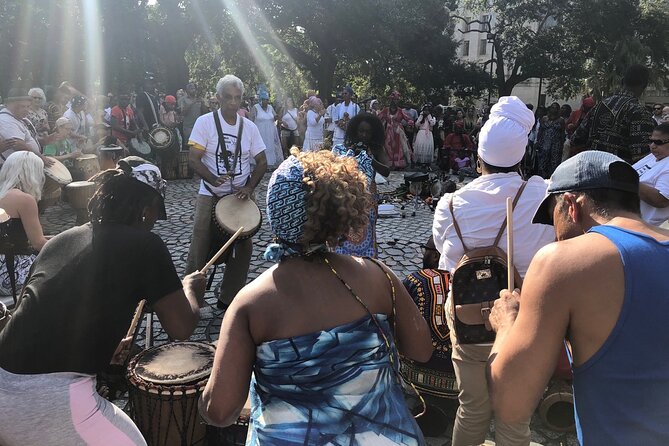
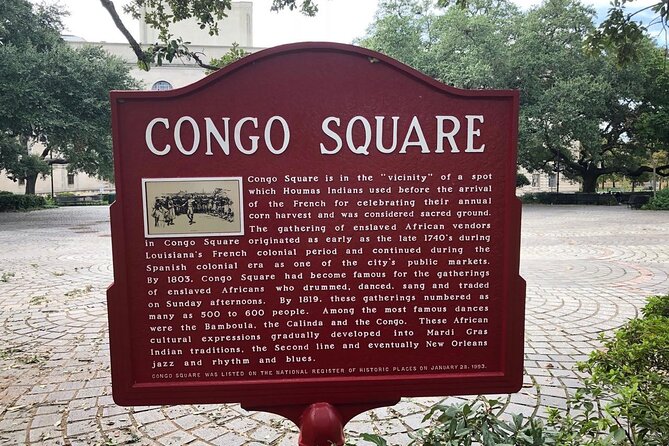
The first stop is Congo Square, where the guide explains the West African influence on New Orleans music through the bamboula. This is the foundation of the walk.
The point is not simply that African rhythms were present in New Orleans. You learn about original West African religious musical traditions and how those traditions helped shape the city’s musical identity. Beginning here gives the rest of the tour a clear frame.
I would pay close attention during this opening section. It is easy to think of jazz as something that appeared suddenly in the early twentieth century. Congo Square helps correct that shortcut by placing rhythm, communal performance, and African influence much earlier in the story.
The stop is free, like the other outdoor portions of the tour. You should still expect to stand and walk, since this is a moving talk rather than a seated presentation.
Louis Armstrong Park: many sounds in one place
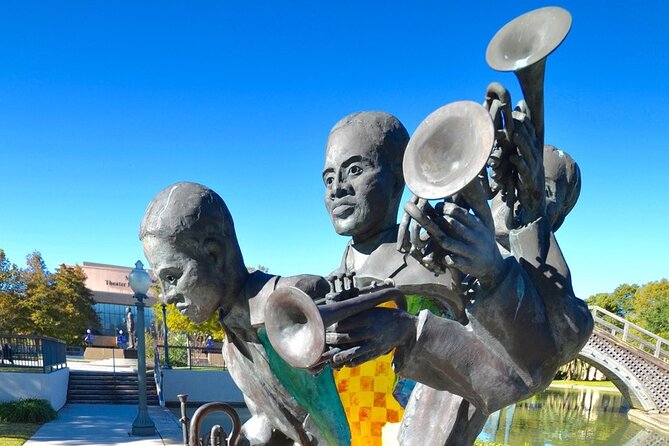
At Louis Armstrong Park, you hear about several New Orleans styles, including opera and the second line. The stop lasts about 25 minutes, making it the longest section of the walk.
That extra time is useful. The park allows the guide to connect formal European music with the street traditions that made New Orleans famous. The mention of opera is important because the city’s music story is not limited to jazz, blues, and brass bands.
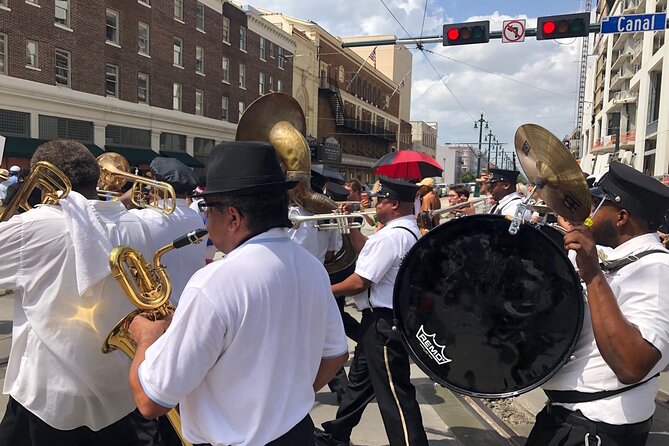
The second line adds another layer. Even if you already know the term, hearing it in the setting of New Orleans helps you understand why procession, movement, and public participation matter so much here.
David’s presentation style seems particularly well suited to this kind of material. He has been praised for using short sound clips and video snippets on an iPad, which can help you recognize the difference between musical forms instead of trying to remember abstract definitions.
Basin Street and the sound of a famous name
The walk continues to Basin St. Station for about 15 minutes. Here, the focus shifts to musical elements associated with New Orleans and the origins of the song Basin Street Blues.
This stop works as a bridge between the city’s physical streets and its musical memory. Basin Street is not just a route marker. Its name has become part of the language of jazz, and the talk explains how that connection developed.
You should not expect an indoor museum visit here. The value comes from the guide’s explanation and the location itself. If you want a detailed chronology of every performer connected to Basin Street, this short stop may feel brief. For a two-hour introduction, though, it keeps the pace moving.
A few more New Orleans tours worth comparing
- New Orleans Premier Ghost, Voodoo and Vampire Walking Tour
★ 4.5 · 12,856 reviews - New Orleans Food Walking Tour of the French Quarter with Small-Group Option
★ 5.0 · 6,118 reviews - St. Louis Cemetery No. 1 Official Walking Tour
★ 4.5 · 3,941 reviews - New Orleans French Quarter, Voodoo and Culture Walking Tour
★ 4.5 · 2,961 reviews
Storyville: jazz in the old red-light district
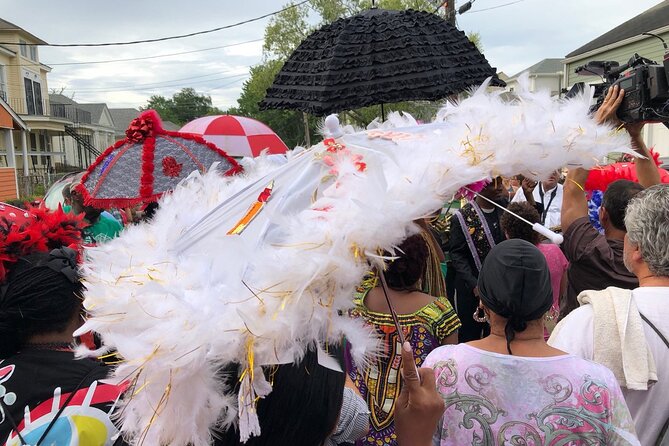
Storyville receives two connected stops. First, you learn about the early days of jazz in the former red-light district and hear recorded music from that period. Then you visit May Baily’s Place, a replica of a Storyville parlour.
This is one of the more distinctive parts of the route. Storyville is often reduced to a colorful footnote, but the tour links the district to the development and circulation of early jazz. Listening to period recordings gives the subject a sharper edge than a spoken description alone.
May Baily’s Place offers a visual counterpart. The replica parlour helps you picture the kind of setting associated with Storyville, rather than leaving the district as an idea on a map.
Keep your expectations sensible. The May Baily’s Place stop lasts about 15 minutes, and the supplied details do not promise a long indoor tour or a full museum collection. Think of it as a concise setting that supports the musical story.
Bourbon Street beyond the party image
Bourbon Street is the most famous street on the route, but the tour uses it to discuss more than nightlife. The focus includes the French Opera and R&B traditions connected with New Orleans.
That wider angle is welcome. Bourbon Street is easy to treat as a single strip of bars and neon signs. This stop asks you to consider the cultural forces that passed through the area and the different kinds of music associated with it.
The French Opera reference also reinforces a theme from Louis Armstrong Park: New Orleans music developed through several traditions at once. R&B, opera, jazz, and street performance belong to the same larger city story, even when they sound very different.
Because this is a public street, the surroundings may be busy or distracting. David’s use of audio and video can help hold the group’s attention, but you should be ready for an outdoor walk rather than a quiet lecture hall.
Preservation Hall: a fitting final stop
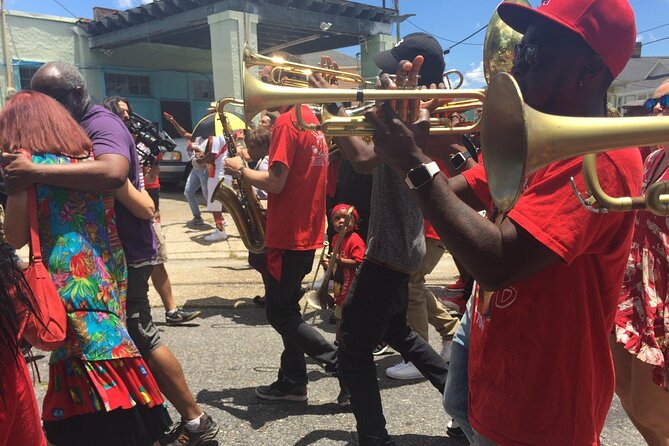
The tour ends at Preservation Hall, the legendary traditional jazz venue on St. Peter Street. The final 15-minute stop presents the hall as a meeting point for the past, present, and future of New Orleans music.
Ending here makes good sense. After hearing about Congo Square, Storyville, opera, Basin Street, and R&B, you finish at a place closely associated with traditional jazz. The route gives you context before you encounter one of the city’s best-known music institutions.
Admission to Preservation Hall is not included in the $25 tour price. That distinction matters. You should not assume the walking tour includes a concert ticket or an interior performance.
Still, the ending gives you a practical next step. If traditional jazz interests you, you can consider arranging a separate visit. The tour itself provides the background needed to understand why Preservation Hall carries such weight in New Orleans music.
David’s style and the small-group advantage
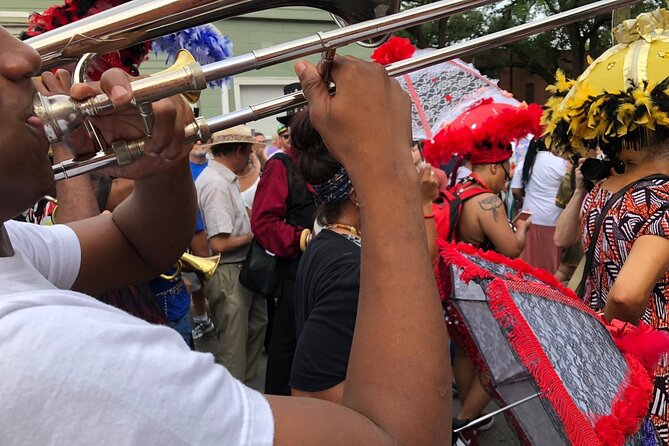
The strongest praise centers on guide David. He is described as animated, personable, and deeply enthusiastic about New Orleans music. He asks about your interests and, when the group is small, can adjust the discussion rather than delivering the same talk without variation.
One especially personal account describes a day when only one party booked the tour. David tailored the experience to that group’s musical interests and even stopped at an art gallery where the visitor could play piano with him. That is not something you should count on, but it shows how flexible the experience can be with a very small group.
Other positive details include his use of music clips and video snippets on an iPad. That is a smart tool for this subject. You hear examples instead of trying to imagine the difference between a bamboula, early jazz, opera, and R&B from words alone.
The maximum group size is 14. That is small enough for questions and personal contact, yet you should not assume every departure will feel private. The guide’s energy appears to be a major part of the value, so the quality of the day depends heavily on who leads it.
Is $25 a fair price?
At $25 per person, this is a reasonably priced introduction to New Orleans music. There are no listed admission charges for Congo Square, Louis Armstrong Park, Basin St. Station, Storyville, May Baily’s Place, or Bourbon Street. You are paying mainly for the guide’s interpretation, route planning, and use of recorded examples.
I think the price works best if you want context before spending money on concerts or other music-focused activities. Two hours gives you a clear starting point without taking a full afternoon.
The value is less obvious if you already know New Orleans music well or prefer to explore independently. You will not receive a concert ticket, and the route moves quickly through several major subjects. The experience is an introduction, not a full academic course or a long museum visit.
At the end, Preservation Hall admission is extra. Build that into your plans if you want to continue the music experience after the walk.
Practical details before you book
The tour is offered in English and uses a mobile ticket. Confirmation is provided at booking. The meeting point is the Rampart Treehouse, 740 North Rampart Street, and the start time is 2:00 p.m.
You need a moderate level of physical fitness. The supplied information does not give a total distance, so you should be comfortable walking and standing for about two hours. Service animals are allowed, and the route is near public transportation.
The experience depends on good weather. If poor weather cancels the tour, you are offered another date or a full refund. You can cancel for a full refund up to 24 hours before the start time. Cancellations or changes made within 24 hours are not refunded or accepted.
The no-show reports deserve attention. Three accounts describe the guide failing to arrive, with one explaining that the guide later became ill. Those reports conflict with the many strong comments about David, but they are too specific to ignore. I would save the confirmation, check your phone before leaving, and contact the provider promptly if the guide is not at the Rampart Treehouse at 2:00 p.m.
Who should book this New Orleans music walk?
I would choose this tour if you want a compact introduction to the forces that shaped New Orleans music. It suits first-time visitors, music fans, and anyone who wants more meaning from places that might otherwise blur together during a French Quarter walk.
It also works well for people who learn through examples. David’s recorded clips and video snippets give the talk a listening component, and his questions about your interests can make the route feel more personal.
You may want something else if you need guaranteed indoor access, a concert included in the price, or a detailed specialist tour of one musical period. The walk covers a lot in two hours, so each subject receives a concise treatment.
Should you book it?
Book it if you value a lively guide, want to hear how West African traditions connect with jazz and later styles, and like the idea of finishing at Preservation Hall. At $25, it is an affordable way to get your bearings in New Orleans’ music story.
I would be cautious only because of the reported no-shows. The positive experiences, especially those involving David, point to an engaging and flexible tour, but you should confirm the arrangements on the day and keep a backup plan. If the logistics hold, this is a useful first step before you choose where to hear live music in New Orleans.
FAQ
How long does the New Orleans Music Walking Tour last?
The tour lasts approximately two hours.
What time does the tour begin?
The tour begins at 2:00 p.m.
Where does the tour start?
It starts at the Rampart Treehouse, 740 N Rampart Street, New Orleans, Louisiana 70116.
Where does the tour end?
It ends at Preservation Hall, 726 St. Peter Street, New Orleans, Louisiana 70116.
Is admission to Preservation Hall included?
No. Admission to Preservation Hall is not included in the tour price.
How much does the tour cost?
The listed price is $25 per person.
What language is the tour offered in?
The tour is offered in English.
How many people can join the tour?
The maximum group size is 14 people.
Can I cancel for a refund?
Yes. You receive a full refund if you cancel at least 24 hours before the start time. Cancellations or changes made less than 24 hours before the start time are not refunded or accepted. If poor weather cancels the experience, you are offered another date or a full refund.
Newest New Orleans tours we have written up
- New Orleans : Garden District Architecture Walking tour★ 4.8 · 5 reviews
- Ultimate Denver Day Out: Red Rocks, City Views & Ice Cream★ 5.0 · 7 reviews
- From New Orleans: Whitney and Laura Guided Plantation Tour★ 4.9 · 20 reviews
- Whitney Plantation and Soul of New Orleans City Tour Combo★ 5.0 · 13 reviews
- Treme Bar Crawl & Seafood Experience★ 4.2 · 7 reviews
- True Voodoo History of NOLA’s Congo Square with Local Guide★ 4.9 · 16 reviews
- Whitney Plantation Tour with Transportation★ 4.0 · 29 reviews
- Witches Coven Walking Tour in New Orleans★ 5.0 · 49 reviews
New Orleans Jazz and Live Music Tours, compared.
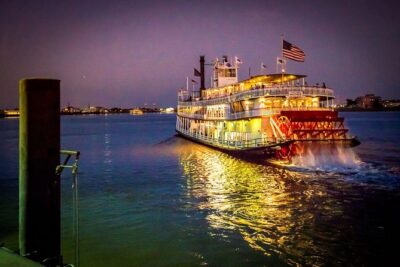
New Orleans Steamboat Natchez Jazz Cruise with Dinner Option
Read our review →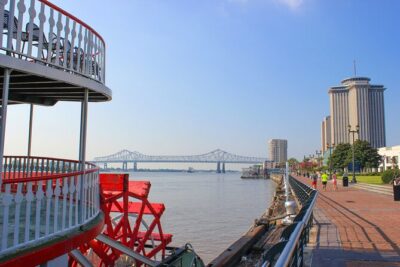
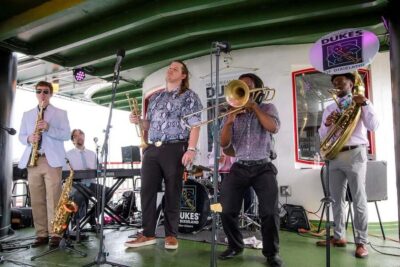
Evening Steamboat Jazz Cruise + Optional Dinner
Read our review →
Daytime Steamboat Jazz Cruise + Optional Lunch
Read our review →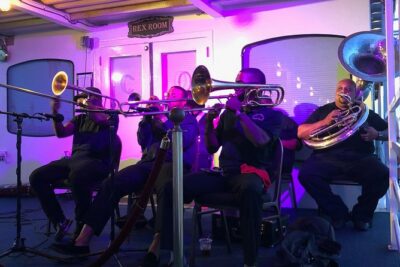
Paddlewheeler Creole Queen Jazz Dinner Cruise in New Orleans
Read our review →
Evening Jazz Boat Cruise with Optional Dinner
Read our review →
VIP Jazz Dinner Cruise with Private Tour and Open Bar Option
Read our review →Browse the lists this tour appears in