Reviewed · TOURS
New Orleans: Traditional City and Estate Tour
New Orleans reveals itself in layers here: French Quarter streets, above-ground tombs, old mansions, bayou houses, live oaks, sculpture, and the great levees beside Lake Pontchartrain. The Besthoff Sculpture Gardens gives the four-hour outing a calm, green pause that most standard city drives leave out.
I like the wide range of neighborhoods, and I like that the tour explains why New Orleans cemeteries use above-ground tombs. The possible catch is important: much of the French Quarter and the city sights are viewed from the vehicle, so this suits you better if you want a broad introduction than a long walking tour.
Key points to know before booking
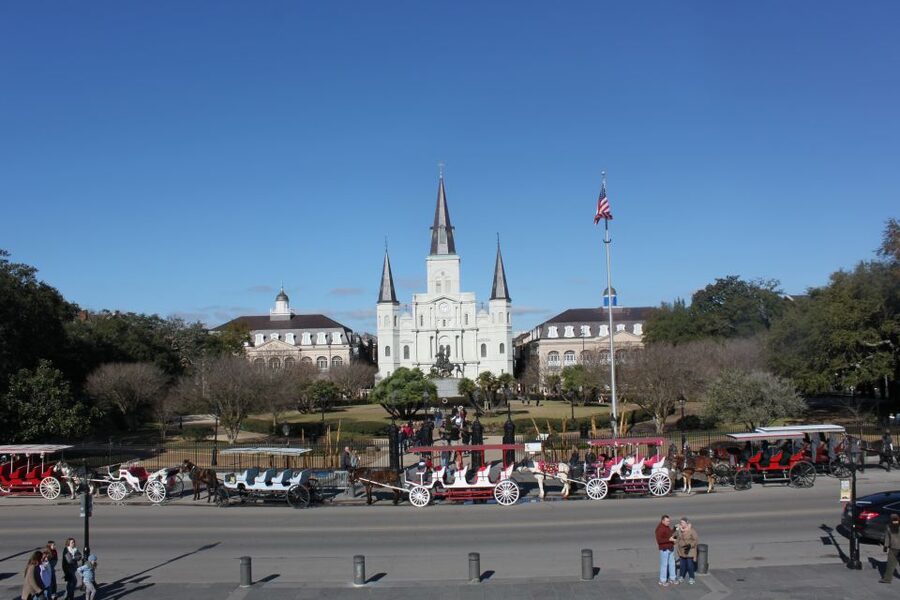
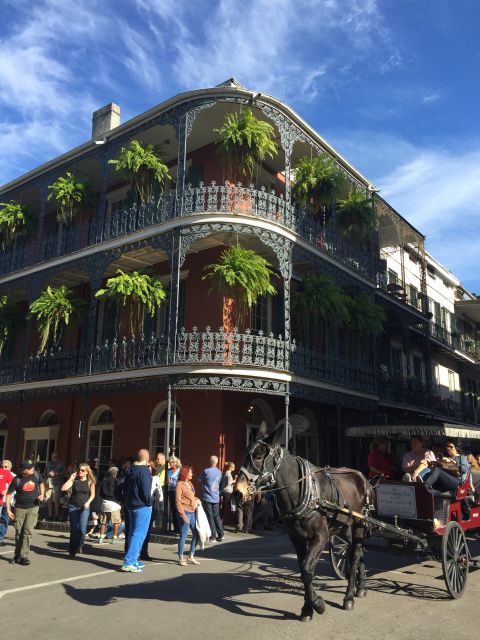
- The route covers a lot: You see the French Quarter, Esplanade Avenue, Bayou St. John, City Park, Lake Pontchartrain, Uptown, and the Central Business District.
- St. Louis Cemetery #3 adds local character: You walk among above-ground tombs and see the unusual burial customs shaped by New Orleans’ low elevation.
- Besthoff gets a full hour: The eight-acre sculpture garden includes paths, lagoons, old live oaks, and outdoor art.
- A small vehicle may help: One recent booking specifically praised Tours by Isabelle for using a small vehicle that could move around Bourbon Street.
- The tour is strongest as an overview: You get transport and commentary across a large part of the city, but limited independent walking in the French Quarter.
- Plan for a food stop later: Snacks and drinks may be available at gift shops, but lunch and beverages are not included.
Why this four-hour route works
New Orleans can be hard to understand on a first visit. The French Quarter draws most of the attention, yet the city’s character also lives in its cemeteries, bayous, university district, streetcar line, levees, and old residential streets.
This tour links those pieces in one outing. You begin downtown, head east and north, reach Lake Pontchartrain, then return through Uptown and the business district. That makes the route useful when you have limited time or want the city’s broad shape before exploring individual areas on foot.
The pace is fairly brisk. You are not spending an hour in each neighborhood. Instead, you get short stops, drive-by views, and explanations that connect the sights. A quality audio system is provided, which matters in a moving vehicle and helps you hear the guide over traffic.
Hotel pickup is included, as is return to your hotel. Umbrellas are available if rain arrives, a practical touch in a city where a clear morning can change quickly. Large bags and luggage are not allowed, so bring only what you need for the outing.
Other New Orleans outings people pair with this one:
- New Orleans Premier Ghost, Voodoo and Vampire Walking Tour
★ 4.5 · 12,856 reviews - New Orleans Steamboat Natchez Jazz Cruise with Dinner Option
★ 4.0 · 7,533 reviews - Adults-Only New Orleans Ghost, Crime, Voodoo, and Vampire Tour
★ 5.0 · 6,545 reviews
The French Market, Old U.S. Mint, and Esplanade Avenue
The first part introduces New Orleans through its food culture and old buildings. At the French Market, you get a taste of the city’s long connection with cooking, trade, and casual eating. Food itself is not included, so think of this as an orientation stop rather than a meal.
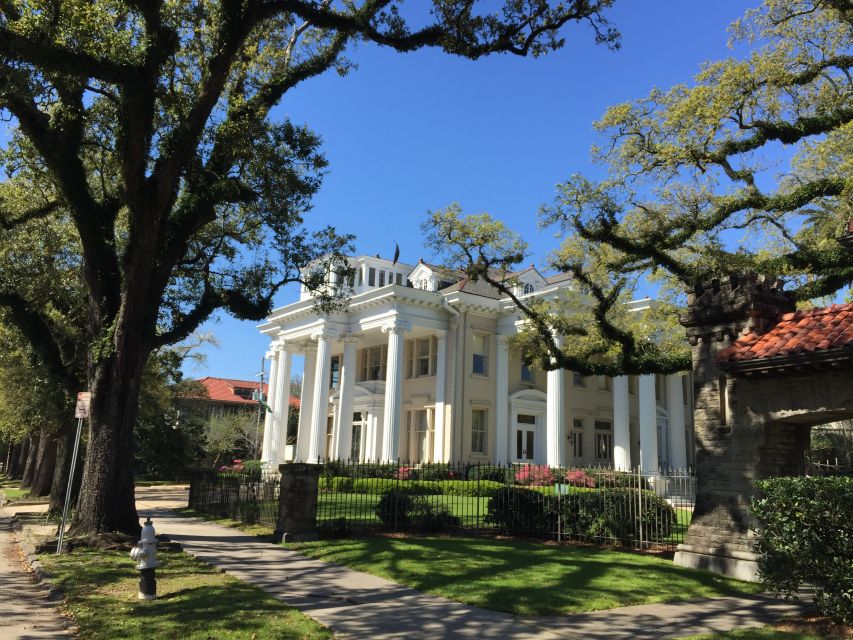
The route continues to the old U.S. Mint and then along Esplanade Avenue. This is where the tour begins to show how New Orleans grew beyond the French Quarter. The grand homes provide a useful contrast to the narrow streets and tightly packed buildings downtown.
You can look for balconies, columns, and decorative details as the guide explains the old residential areas. The route is especially helpful if you have wondered where to find the city’s large historic homes but do not have time to visit several districts on your own.
The limitation is viewing time. One booking described spending most of the tour in the bus and finding it hard to take photographs while moving through the French Quarter. That is fair criticism. You will see more ground this way, but you will not have the freedom to stop at every doorway or wander down side streets.
St. Louis Cemetery #3 and New Orleans burial customs
The cemetery visit gives the tour one of its clearest lessons. You walk into St. Louis Cemetery #3 and see tombs built above ground, a feature closely tied to New Orleans’ low-lying position and waterlogged soil.
The tombs create a very different sense of place from an ordinary cemetery. The guide can point out local customs, notable residents, and the practical reasons behind the city’s burial traditions. This is one of the stops where getting out of the vehicle matters.
The supplied route specifically describes St. Louis Cemetery #3, not the more famous St. Louis Cemetery #1 in the French Quarter. That distinction is useful when planning. You should not book this expecting the best-known tomb associated with Marie Laveau. You are visiting a different cemetery, with its own history and atmosphere.
Wear shoes suitable for walking and keep your belongings light. No special equipment is listed, but the tour’s general ban on luggage and large bags applies.
Bayou St. John and the old houses
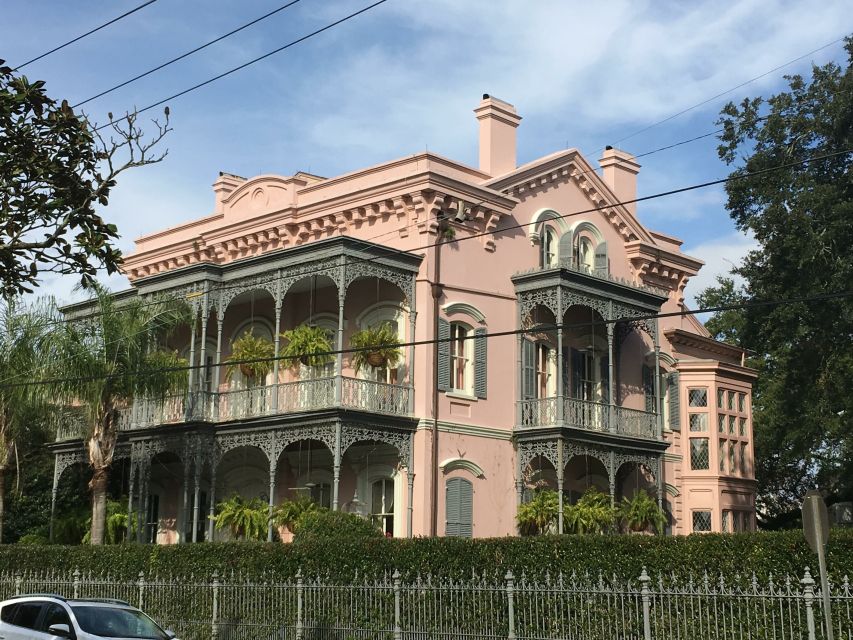
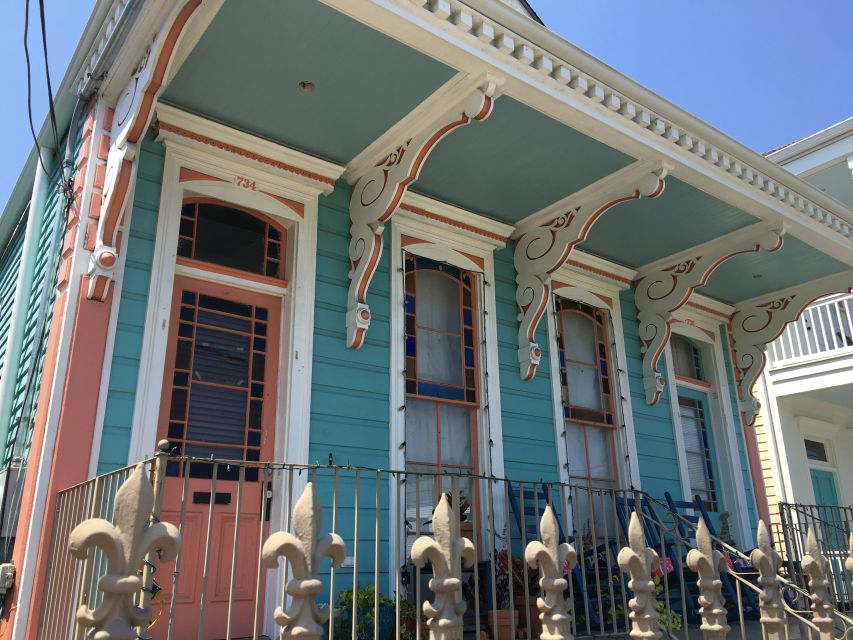
From the cemetery, the vehicle follows peaceful Bayou St. John. The waterway gives you another view of New Orleans, away from the tight streets of downtown. Along the route, you see houses dating from the late 1700s.
This part is best taken as a moving view rather than a long neighborhood walk. You may find it helpful to listen for how the guide connects the bayou to the city’s early settlement and later residential growth.
The old houses also help explain why New Orleans feels so different from one block to the next. The city is not one architectural district. It is a collection of areas shaped by water, trade, immigration, streetcar routes, wealth, and changing land use.
If you want detailed house-by-house photographs, you may prefer to return to these areas independently. On this tour, the benefit is seeing them as part of the larger route.
A different side of New Orleans for another evening:
- New Orleans Food Walking Tour of the French Quarter with Small-Group Option
★ 5.0 · 6,118 reviews - New Orleans Swamp and Bayou Boat Tour with Transportation
★ 5.0 · 5,399 reviews - New Orleans Steamboat Natchez Jazz Cruise
★ 4.5 · 5,334 reviews - New Orleans City Sightseeing Hop-On Hop-Off Bus Tour
★ 4.5 · 4,943 reviews
Besthoff Sculpture Gardens: the quiet center of the day
The one-hour visit to the Besthoff Sculpture Gardens is the clearest break from the city drive. This eight-acre garden sits in City Park, with walking paths, water features, two lagoons, old live oaks, and outdoor sculpture.
I like this stop because it changes the rhythm. After streets, buildings, traffic, and commentary, you get time to walk at your own pace. The art is set among trees and water rather than packed into rooms, so the setting is part of the experience.
The centuries-old live oaks, draped with moss, provide shade and a strong sense of place. The lagoons add reflections and open views between the works. You do not need to be an art specialist to enjoy the garden. The pleasure comes from the combination of sculpture, water, and trees.
The hour is enough for a solid introduction, but it is not a leisurely half-day visit. If outdoor art is your main interest, you may wish you had longer. If you want a balanced city tour, the scheduled hour is a good compromise.
While in City Park, you also see the antique carousel and the old live oaks by vehicle. The sculpture garden is the part designed for a proper walk.
Lake Pontchartrain and the levee system
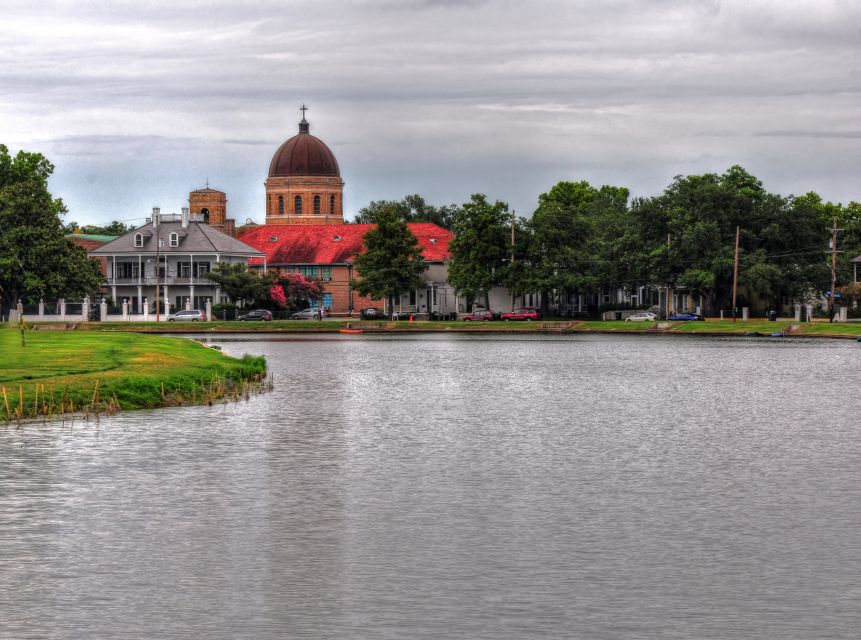
The route then reaches the shores of Lake Pontchartrain. Here, the guide explains the levee system and points out the Causeway, described as the longest bridge of its kind.
This is a useful change of scale. New Orleans is often presented through balconies, jazz, and cemeteries, but water control is essential to understanding the city. The levees are not just engineering features in the distance. They help explain how the city lives with its low elevation and surrounding water.
You should expect an explanatory roadside view rather than a long stop on the lakefront. The value is the context. After seeing above-ground tombs earlier, you get another example of how local conditions shape everyday life.
Bring a camera if you like broad views, but do not expect a dedicated photography session. The tour keeps moving so it can cover the rest of the city.
Uptown, universities, streetcars, and St. Charles Avenue
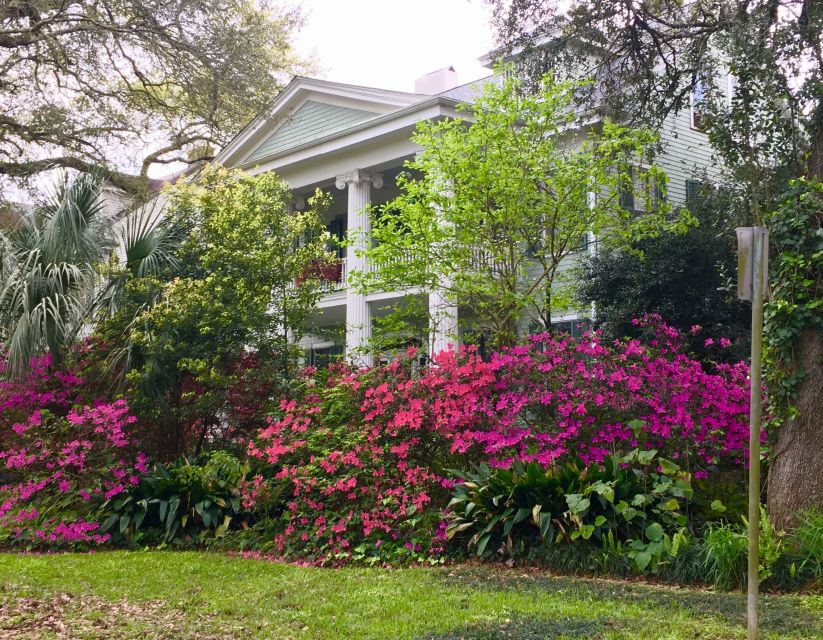
On the way back downtown, the tour heads through Carrollton and past Tulane and Loyola universities. You also see the 160-year-old streetcar line and grand colonial homes along St. Charles Avenue.
This section gives you a feel for Uptown’s scale and residential character. St. Charles Avenue is known for its large homes and streetcar corridor, and viewing it after Esplanade Avenue helps you compare two different sides of old New Orleans.
Again, the vehicle is both the tour’s strength and its weakness. It lets you cover Carrollton, the universities, and St. Charles Avenue in one afternoon. It also limits your chance to stop, enter buildings, or linger beneath the oaks.
One highly positive booking singled out the small vehicle, noting that it could get around Bourbon Street. That can make a difference in crowded areas, though vehicle size may vary by departure. You should treat the small vehicle as a possible advantage, not a guaranteed feature.
The final ride through downtown
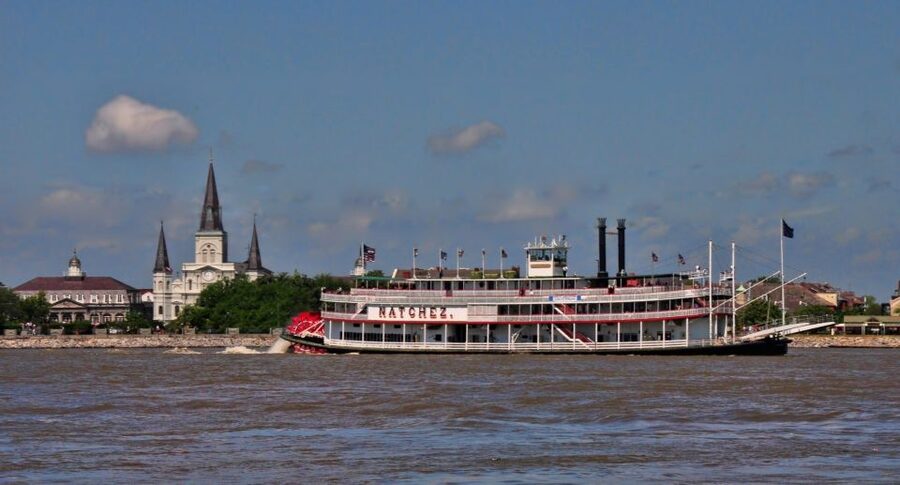
The return route passes the Superdome and the heart of the business district before hotel drop-off. This closing section rounds out the trip with modern New Orleans rather than ending only among old buildings.
That balance is worthwhile. You see the city as a working place, not just a historic quarter preserved for visitors. The route begins and ends in the urban center, while the middle takes you through residential areas, parkland, water edges, and Uptown.
The guide’s role matters here. The vehicle ride itself would be less useful without clear explanations, so the included audio system is a practical part of the experience. One booking praised the driver, and another described the guide as friendly and full of interesting information, even though the passenger disliked the amount of time spent in the vehicle.
Tours by Isabelle is the provider. A French or Spanish-speaking guide or escort can be requested for an additional charge. The standard tour is in English.
What $96 buys you
At $96 per person, the tour is not the cheapest way to see New Orleans. Its value comes from combining transport, hotel pickup, a guide, cemetery access, the long city route, and a one-hour visit to Besthoff Sculpture Gardens.
If you paid separately for several short rides and tried to connect these areas yourself, the route could take planning. You would also need to arrange transport between downtown, City Park, Lake Pontchartrain, Carrollton, and St. Charles Avenue.
The price is easier to justify if you have only one free afternoon, are staying outside the central areas, or prefer not to manage local transport. It is less appealing if you mainly want to walk the French Quarter, take photographs, or stop often.
Food and drinks are not included. There may be chances to buy snacks and beverages at gift shops, but do not treat this as a lunch outing. Eat beforehand or plan a meal afterward.
Free cancellation is available up to three days before departure. Within 72 hours, the tour is non-refundable. Check the available starting times when booking, since the experience lasts four hours.
Who should book this tour?
I would recommend it to a first-time visitor who wants a city introduction with more range than a French Quarter-only drive. It also suits you if you want to see cemeteries, old houses, parkland, universities, levees, and the lake in one half-day.
It is a good fit for anyone who values explanation over extended free time. The guide can give you the city’s connections while you travel, and the audio system should make that commentary easier to follow.
I would be cautious if your main goal is walking. The French Quarter is best experienced on foot, and this tour does not give you much independent time there. The same applies to the Garden District and St. Charles Avenue. You see them, but you do not fully explore them.
A smart plan is to use this outing as your orientation, then return to your favorite area later. After the tour, you will know which streets, homes, gardens, or waterfront views deserve a slower visit.
Should you book the Traditional City and Estate Tour?
Book it if you want a broad, guided look at New Orleans and especially if Besthoff Sculpture Gardens appeals to you. The combination of cemetery customs, bayou homes, live oaks, outdoor art, levees, universities, and grand avenues gives you a fuller picture than a short downtown ride.
Skip it if you want a walking tour with frequent photo stops. The four-hour route covers a lot, but the vehicle remains the main way you experience several neighborhoods.
For most first visits, I see the $96 price as reasonable when you value convenience and citywide context. Just arrive expecting a moving overview with selected walks, not four hours on the sidewalk.
FAQ
How long does the tour last?
The tour lasts four hours.
What language is the standard tour in?
The standard tour is in English.
Can I request a French or Spanish-speaking guide?
Yes. French and Spanish-speaking guides or escorts are available by request for an additional cost.
Is hotel pickup included?
Yes. Hotel pickup and return to your hotel are included.
Is lunch included?
No. Lunch is not included. You may have an opportunity to purchase snacks and drinks at gift shops.
Are drinks included?
No. Food and beverages are not included.
Are umbrellas provided?
Yes. Umbrellas are available in case of rain.
Are large bags allowed?
No. Luggage and large bags are not allowed.
How long is the visit to Besthoff Sculpture Gardens?
The visit to Besthoff Sculpture Gardens lasts one hour.
What is the cancellation policy?
You can cancel up to three days in advance for a full refund. The tour is non-refundable within 72 hours of departure.
Newest New Orleans tours we have written up
- 45-Minute Garden District Highlights Tour in New Orleans★ 5.0 · 33 reviews
- New Orleans City and Swamp Helicopter Tour★ 5.0 · 9 reviews
- 45-Minute Marigny Triangle Highlights Tour in New Orleans★ 5.0 · 12 reviews
- 20 Passenger New Orleans Airport or Hotel Transfer★ 5.0 · 6 reviews
- Private New Orleans 2-Hour Sail Aboard a Luxury Yacht★ 5.0 · 44 reviews
- The New Orleans Darkness Tour★ 4.4 · 9 reviews
- 11 Passenger Executive Van: New Orleans Airport or Hotel Transfer★ 4.0 · 8 reviews
- Spooky Family Ghost Tour★ 3.4 · 9 reviews
Tours, compared.

New Orleans Premier Ghost, Voodoo and Vampire Walking Tour
Read our review →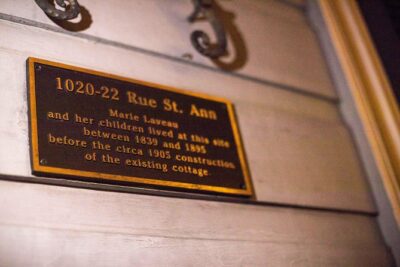
Adults-Only New Orleans Ghost, Crime, Voodoo, and Vampire Tour
Read our review →
New Orleans Food Walking Tour of the French Quarter with Small-Group Option
Read our review →
New Orleans Swamp and Bayou Boat Tour with Transportation
Read our review →
New Orleans City Sightseeing Hop-On Hop-Off Bus Tour
Read our review →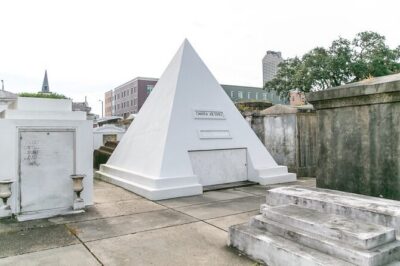
St. Louis Cemetery No. 1 Official Walking Tour
Read our review →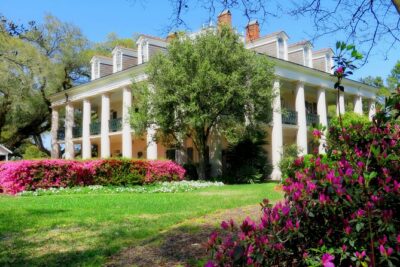
Swamp Boat Ride and Oak Alley Plantation Tour from New Orleans
Read our review →