
Reviewed · NEW ORLEANS BIKE TOURS
New Orleans Creole Odyssey Small-Group Bike Tour
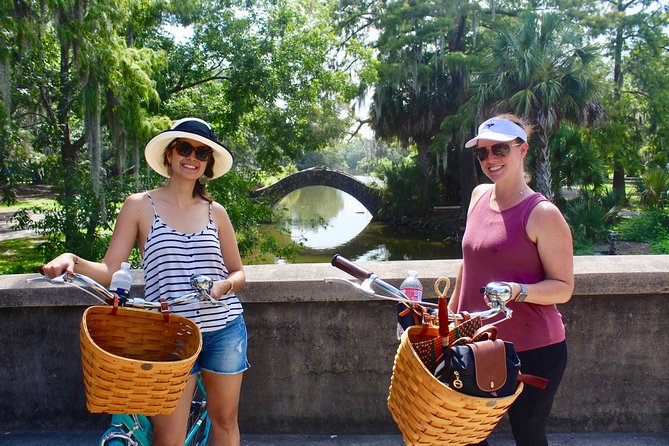
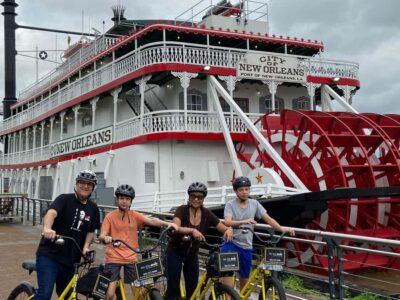
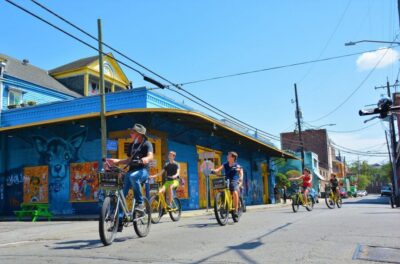
New Orleans reveals itself beyond Bourbon Street, and this three-hour bike ride takes you there. You pedal from the French Quarter through Faubourg Marigny and Mid-City, pass St. Louis Cemetery No. 3, roll through City Park, and reach Bayou St. John. It is a smart way to cover ground while learning how Creole culture shaped the city.
I like the small group of 10 or fewer, which gives the guide room to answer questions. I also like the route’s variety: music history at Frenchmen Street, burial customs at the cemetery, a Cafe du Monde stop, and the Native American and French connections of Bayou St. John. The main drawback is the physical demand. The route is flat, but three hours on a bike requires solid fitness, and the one-speed bikes have old-fashioned seats that may not suit everyone.
Key points at a glance
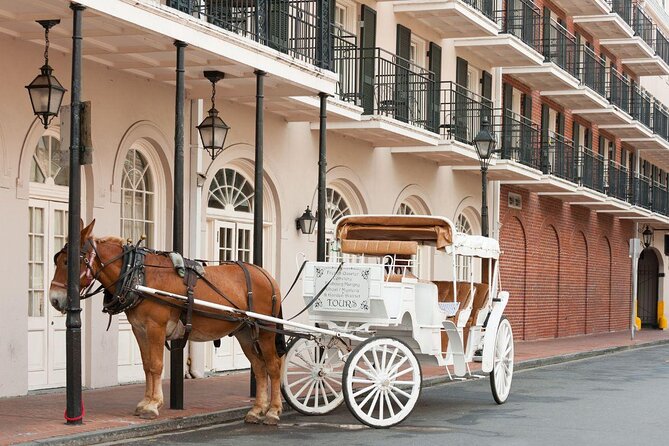
- French Quarter to Bayou St. John: See far more than the usual tourist center on a route that reaches Mid-City and the city’s northern waterways.
- Creole history in motion: Learn about New Orleans through its neighborhoods, cemeteries, music traditions, and waterways rather than from a bus window.
- A genuinely small group: The maximum is 10 people, making it easier to hear the guide and ask questions.
- Flat, easy-to-follow route: The ride suits most people who are comfortable cycling for three hours, though the operator asks for strong physical fitness.
- Guides with personality: Eric is praised for his warmth and love of the city, while Gomez is bilingual and especially good at answering questions.
- Useful basics included: You get a bicycle, helmet, bottled water, and professional guiding for $55 per person.
Why this route gets beyond the French Quarter
The French Quarter is essential New Orleans, but it can also become a small bubble of balconies, bars, souvenir shops, and crowded sidewalks. This ride uses the Quarter as a starting point, then carries you into parts of the city that are easier to miss on foot.
That change matters. From a bicycle, you move slowly enough to notice streets and parks, yet quickly enough to cover several districts in one morning or afternoon. You do not spend the whole tour stopping for formal presentations. Much of the experience comes as the guide talks while you ride, then pauses at places that need a closer look.
The route is flat and described as leisurely, but do not confuse flat with effortless. Three hours of cycling can feel long in New Orleans heat, especially if you are not used to riding. You need to be at least 13 years old and taller than 4 feet 11 inches. The operator also asks for a strong fitness level.
The experience has earned a 99 percent recommendation rate and a five-star average from 268 ratings. Those numbers fit the tour’s strongest features: engaging guides, a useful route, and a good balance between riding and stops. Still, the bike itself deserves attention. One rider described it as a one-speed model with an old-fashioned seat, so anyone sensitive to bike comfort should keep that in mind.
More bike tours in New Orleans:
- New Orleans French Quarter and Garden District Bike Tour
★ 5.0 · 410 reviews - Creole New Orleans Electric Bike Tour (ages 16 & up)
★ 5.0 · 230 reviews - New Orleans History and Sightseeing Small-Group Bike Tour
★ 5.0 · 215 reviews
Starting at Flambeaux on North Rampart Street
You meet at Flambeaux Bicycle Tours, 626 N Rampart St. The shop is near public transportation and next door to Twelfth Night Coffee, which serves coffee, espresso drinks, croissants, and pastries if you need fuel before setting off.
The opening portion is brief, about 10 minutes, and is used to get the group organized with bicycles and helmets. Bottled water is included. You should arrive dressed for the weather and wear closed-toed shoes.
Do not wear flip-flops or loose slippers. They are prohibited because they are hazardous on a bicycle. Sandals with heel straps are accepted and are the better warm-weather choice if you do not want closed shoes.
The maximum group size is 10. That is small enough for a guide to keep the ride together without making the tour feel like a private outing. It also helps at street crossings and during stops, where a large crowd can quickly become awkward.
The French Quarter and Faubourg Marigny
The first sightseeing stretch takes you through the French Quarter, including a stop to see the city’s oldest building. The supplied details do not name the building, but the point of this opening stop is clear: New Orleans’ story begins here, and the guide uses the Quarter to explain the city’s early development.
From there, the route moves toward Faubourg Marigny and Frenchmen Street. This area is tied to music, local culture, and the city’s creative identity. A bike gives you a practical advantage here. You can connect the historic Quarter to the streets around Frenchmen without spending your energy navigating long walking distances.
The stop is only about 15 minutes, so it is not a full neighborhood walking tour. That is a useful distinction. You will get context and an introduction, not an exhaustive look at every street, club, or building. The benefit is that the tour keeps moving toward Mid-City instead of lingering in the most familiar part of town.
Eric is one guide associated with the tour, and his warm, personal approach is a major reason the experience works. He is described as someone whose affection for New Orleans comes through clearly. Gomez is another guide praised for his engaging commentary and bilingual ability, which can be helpful for Spanish-speaking participants.
Two hours through Mid-City
Mid-City takes up the largest portion of the ride, about two hours. This is where the tour earns its keep. Instead of treating New Orleans as a set of famous stops, the route connects districts and lets you see how the city changes as you move away from the French Quarter.
You ride through leafy streets and along oak-lined avenues, with the guide explaining the city’s Creole past, geography, and neighborhood life. The information appears to be a mix of history and local orientation rather than a single subject lecture. That makes sense for New Orleans, where architecture, music, waterways, religion, food, and burial customs all overlap.
For me, the value of this section is the amount of ground you cover. A walking tour could show you the French Quarter and perhaps one nearby district. A bicycle lets you reach Mid-City, City Park, the cemetery, and Bayou St. John within one outing.
The tradeoff is that you must stay alert. This is not a scenic vehicle ride where you can switch off. You will be cycling for much of the time, and the tour’s own fitness guidance should be taken seriously. The route is flat, which removes hills as a major problem, but heat, distance, and the bike seat still matter.
The guide’s role is especially important here. A less engaging leader could make two hours of neighborhood riding feel repetitive. Eric and Gomez receive especially strong praise for making the history understandable and answering questions. If you have a particular interest in New Orleans’ Creole traditions, ask questions as you go. A small group gives you a better chance to do that.
A different side of New Orleans for another evening:
- New Orleans Premier Ghost, Voodoo and Vampire Walking Tour
★ 4.5 · 12,856 reviews - New Orleans Steamboat Natchez Jazz Cruise with Dinner Option
★ 4.0 · 7,533 reviews - Adults-Only New Orleans Ghost, Crime, Voodoo, and Vampire Tour
★ 5.0 · 6,545 reviews - New Orleans Food Walking Tour of the French Quarter with Small-Group Option
★ 5.0 · 6,118 reviews
St. Louis Cemetery No. 3 and New Orleans burial customs
St. Louis Cemetery No. 3 receives a 20-minute stop. This is one of the tour’s more distinctive pauses because it shows how New Orleans handles burial in a city shaped by water and difficult ground conditions.
The focus is on district burial practices, not simply on pointing out old tombs. That context makes the cemetery more useful than a quick photo stop. You get a clearer sense of how local customs connect to the city’s physical setting and cultural traditions.
The stop also breaks up the ride at a good point. After a long stretch through Mid-City, you have time to park the bicycle, listen, and take in the setting. Twenty minutes is enough for an introduction without turning the tour into a lengthy cemetery visit.
You should keep your expectations measured. The tour does not promise a full guided exploration of every cemetery or an extended architectural study. It is one part of a broad city tour, and its strength is how it fits into the larger story.
City Park and the Cafe du Monde pause
City Park is described as the largest urban park in New Orleans, and the route gives you about 20 minutes there. This section changes the pace again. After city streets and cemetery walls, you get open park space and a more relaxed setting.
The scheduled break is at the City Park location of Cafe du Monde and lasts about 10 minutes. This is a practical stop as much as a cultural one. You can pause, get your bearings, and decide if you want food or a drink. Food and drinks are not included, so bring money if you plan to order.
The stop is short, which keeps the tour on schedule. Do not count on a leisurely cafe visit with a full meal. If you need substantial food before cycling, eat at Twelfth Night Coffee or elsewhere before the tour. The operator specifically notes that the coffee shop next door offers pastries, making it a convenient pre-ride option.
City Park may be one of the best parts for people who want a break from dense historic streets. It also gives the route visual variety without requiring a hard ride. You are still cycling, but the setting is less enclosed and more restful.
Bayou St. John and the city’s older routes
Bayou St. John is the northern reach of the ride and one of its most meaningful destinations. The waterway was used by Native Americans and early French settlers, so it connects the city’s older human history with its geography.
The stop lasts about 15 minutes and focuses on the bayou as a natural and historic route. This is where the tour’s theme comes together. New Orleans was shaped not only by streets and buildings but also by water, wetlands, and the routes people used before modern roads.
You will not spend hours at the bayou. The short stop is meant to give you context and a look at an important part of the city before the group heads back. Still, reaching it by bicycle makes the point better than simply driving past. You have crossed the city under your own power and can see how the districts connect.
This section is also a good reason to book early in your New Orleans visit. After the ride, you will have a useful mental map of the French Quarter, Marigny, Mid-City, City Park, and Bayou St. John. That can help you choose where to return for music, food, or another walk.
Congo Square and the roots of jazz
The final major stop is Congo Square, with about 15 minutes devoted to the origins of jazz in this sacred location. It is a strong closing point because it returns the tour to New Orleans’ cultural identity after the ride through neighborhoods and waterways.
The stop is not just about music as entertainment. It links music to place, community, and history. The guide explains why Congo Square matters and how it fits into the city’s musical story.
By this point, you have seen several sides of New Orleans: early settlement, Creole culture, neighborhood life, burial customs, parkland, waterways, and jazz. That range is what makes the tour more useful than a simple bike ride through attractive streets.
The final five minutes bring you back to Flambeaux Bicycle Tours. The structure is tidy: a short orientation, a long Mid-City section, several focused stops, and a return to the starting point.
What $55 gets you
At $55 per person, the tour offers solid value if you want both transportation and interpretation. You receive a bicycle, helmet, bottled water, and a professional guide for roughly three hours. You also cover a wide area that would take much longer to explore on foot.
The strongest value is not the bike rental alone. It is the combination of rental, route planning, neighborhood access, and local explanation. You do not have to work out how to connect the French Quarter with City Park and Bayou St. John. The guide handles the route while giving the places meaning.
Food, drinks, and gratuities are extra. That keeps the base price clear, but you should budget for a cafe purchase if you want one during the break and for a tip if the guide gives you a good experience.
The tour is especially good value for first-time visitors who want an overview beyond the French Quarter. It can also suit repeat visitors who have already done the standard Quarter walk and want a different way to see the city.
Who should book this ride
I would choose this tour if you enjoy active sightseeing and want a broad introduction to New Orleans. It works well for families with teenagers, since the minimum age is 13 and the route is flat. A family with children aged 13, 16, and 18 is specifically reflected in the tour’s feedback, with all three enjoying the ride.
It also suits couples, solo visitors, and small groups who prefer a personal guide rather than a large organized outing. The 10-person limit gives the experience a more conversational feel.
You should think twice if you dislike cycling, struggle with three hours of physical activity, or need a highly cushioned modern bike seat. The operator requires strong physical fitness, and the one-speed bicycles may feel basic.
Weather matters, too. The experience requires good weather and can be canceled if conditions are poor. If that happens, you are offered another date or a full refund. You can cancel for a full refund up to 24 hours before the start time, but changes or cancellations inside that window are not accepted.
Should you book the New Orleans Creole Odyssey?
Book it if you want to see the city beyond the French Quarter, learn from a guide with real local feeling, and cover several districts in one outing. The stops at St. Louis Cemetery No. 3, City Park, Bayou St. John, and Congo Square give the ride a useful range, while Eric and Gomez bring strong guide-led storytelling to the route.
Skip it if you are not comfortable cycling for three hours or if you expect a luxury bike and a slow cafe-centered tour. This is an active city tour with basic one-speed bikes, a flat route, and frequent stops.
For most fit visitors, $55 is a fair price for the ground covered and the local context provided. I would book it near the start of a New Orleans stay, wear proper shoes, bring weather-appropriate clothing, and arrive ready to pedal beyond the usual tourist streets.
FAQ
How long is the New Orleans Creole Odyssey bike tour?
The tour lasts approximately three hours, including the cycling time and stops.
Where does the bike tour start?
It starts at Flambeaux Bicycle Tours, 626 N Rampart St, New Orleans, Louisiana 70116.
What is included in the tour price?
The $55 price includes a professional guide, bicycle use, helmet use, and bottled water.
What age and height requirements apply?
Participants must be at least 13 years old and taller than 4 feet 11 inches.
What should I wear for the ride?
Dress for the weather and wear closed-toed shoes if possible. Flip-flops and loose slippers are prohibited. Sandals with heel straps are an acceptable alternative.
Can I cancel the tour for a refund?
Yes. You can cancel at least 24 hours before the local start time for a full refund. If poor weather causes the operator to cancel the tour, you are offered another date or a full refund.
Newest New Orleans tours we have written up
- 45-Minute Garden District Highlights Tour in New Orleans★ 5.0 · 33 reviews
- New Orleans City and Swamp Helicopter Tour★ 5.0 · 9 reviews
- 45-Minute Marigny Triangle Highlights Tour in New Orleans★ 5.0 · 12 reviews
- 20 Passenger New Orleans Airport or Hotel Transfer★ 5.0 · 6 reviews
- Private New Orleans 2-Hour Sail Aboard a Luxury Yacht★ 5.0 · 44 reviews
- The New Orleans Darkness Tour★ 4.4 · 9 reviews
- 11 Passenger Executive Van: New Orleans Airport or Hotel Transfer★ 4.0 · 8 reviews
- Spooky Family Ghost Tour★ 3.4 · 9 reviews
New Orleans Bike Tours, compared.
New Orleans French Quarter and Garden District Bike Tour
Read our review →
Creole New Orleans Electric Bike Tour (ages 16 & up)
Read our review →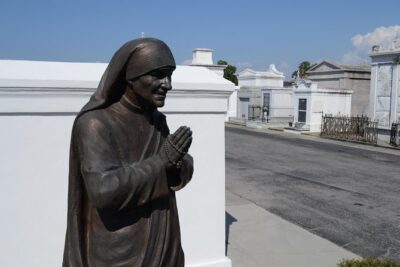
New Orleans History and Sightseeing Small-Group Bike Tour
Read our review →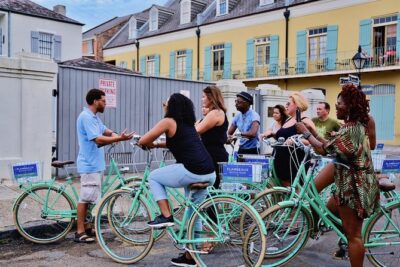
New Orleans Garden District and Cemetery Bike Tour
Read our review →
Browse the lists this tour appears in