
Reviewed · NEW ORLEANS FRENCH QUARTER TOURS
Introduction to the French Quarter Walking Tour
New Orleans history comes at you quickly on this two-hour French Quarter walk. You move from Jackson Square and the 1794 Saint Louis Cathedral to an old blacksmith shop, a convent, and the French Market, while your guide connects buildings to battles, immigration, food, and local life. I like the clear route and the chance to get your bearings without entering a museum or sitting through a long lecture.
I especially like the modest group size, capped at 16, and the local perspective. Guide Carlo, a New Orleans native, has given especially personal tours, welcoming questions and admitting when he needed to check a fact. The main drawback is timing: Monday and Tuesday can be quiet, with many nearby businesses closed, and the tour runs in every kind of weather.
Key points to know before you book
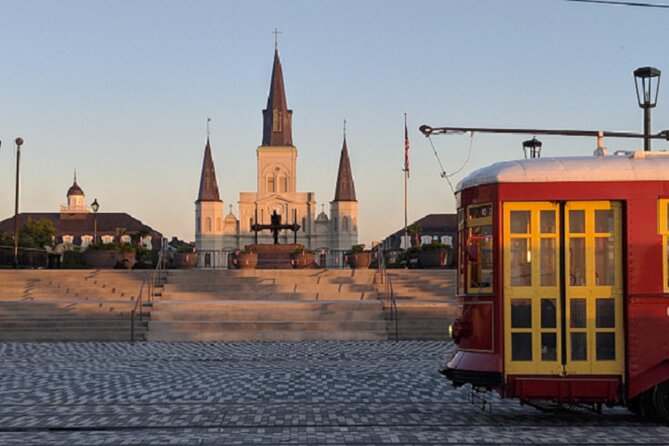
- Jackson Square sets the scene: Spend about 15 minutes at the French Quarter’s best-known public square, with views of major buildings and stories about the Battle of New Orleans.
- Saint Louis Cathedral is a photo stop: You see the 1794 minor basilica from the square, but the walking tour does not include an interior visit.
- Lafitte’s includes a practical break: You can use the restroom and buy the famous Hurricane cocktail for $10.
- The walk covers about 1.3 miles: Expect steady walking on city streets, with little time spent sitting.
- The French Market is the finish: You end near food, drinks, restrooms, and a streetcar stop.
- Weather matters here: Summer heat and humidity can be severe, while sudden tropical rain may arrive with little warning.
Why this French Quarter walk works for first-time visitors
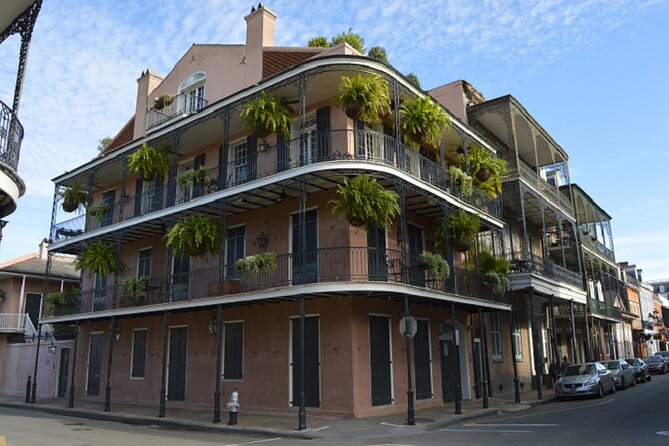
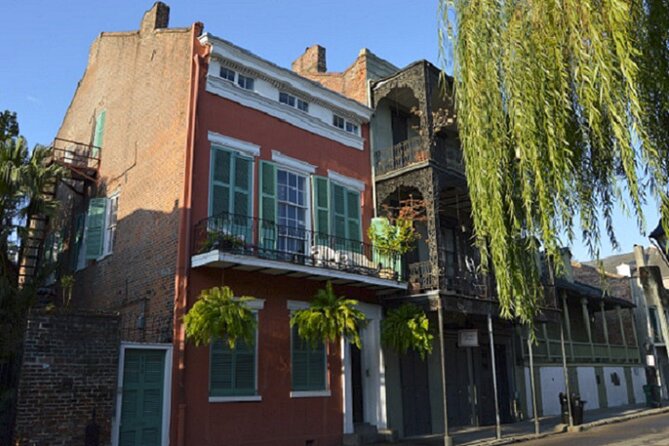
The French Quarter can feel like a collection of colorful facades until someone explains how the pieces fit together. This tour gives you that basic map. You begin on Decatur Street and finish near the French Market, covering a compact stretch of the Quarter rather than trying to cross all of New Orleans in one morning.
That focus is useful. You get a first look at some of the city’s best-known buildings, then hear how battles, religion, immigration, music, and food shaped the area. For a first visit, I would treat this as an orientation walk. It gives you enough background to return later with a better eye for what you are seeing.
The tour is offered in English and lasts about two hours. That is long enough for a real introduction but short enough to leave room for lunch, a museum, or an afternoon in another part of the city. The route covers roughly 1.3 miles, so you should expect a proper walk, not a quick loop around one square.
A group limit of 16 is another plus. You are not promised a private tour, but this size gives the guide a better chance to answer questions and keep the group together. On a quiet day, the group may be much smaller. Carlo has led a tour with just one person, turning the outing into a relaxed, highly personal conversation. That kind of small group can be excellent if you enjoy asking questions.
More French Quarter tours in New Orleans:
- New Orleans Food Walking Tour of the French Quarter with Small-Group Option
★ 5.0 · 6,118 reviews - New Orleans French Quarter, Voodoo and Culture Walking Tour
★ 4.5 · 2,961 reviews - French Quarter Historical Sights and Stories Walking Tour
★ 5.0 · 2,724 reviews
Jackson Square and the Battle of New Orleans
Jackson Square is the natural opening scene. It sits in the center of the French Quarter and is one of the city’s most photographed places. The guide spends about 15 minutes here, explaining the buildings around the square and connecting the setting to the Battle of New Orleans.
The value of this stop is not just the view. Jackson Square gives you a quick lesson in how New Orleans presents its past. The square brings together civic buildings, religious architecture, public space, and the constant flow of people moving through the Quarter. From here, your guide can point out details you might otherwise pass without noticing.
Fifteen minutes is enough for orientation and photographs, though it is not enough for a full study of every building. If you want to go inside nearby museums or examine the square at length, plan to return on your own. The tour keeps moving, which helps the overall route stay within two hours.
The opening stop also sets the tone for the guide’s approach. You are not simply handed a list of dates. You hear local facts and trivia while standing in the places where the story happened. That makes the information easier to place and remember.
Saint Louis Cathedral from the square
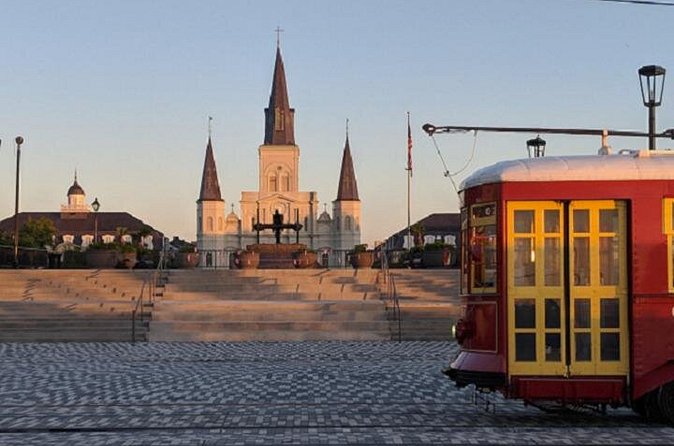
The crown of Jackson Square is Saint Louis Cathedral, visible from across the open space. The present building dates to 1794 and is a minor basilica. You will have time to photograph it and may hear famous brass band music in the area.
This is an exterior look, not an interior visit. That distinction matters if entering the cathedral is a priority for you. The tour gives you context and a good view, but it does not include a dedicated interior stop or admission.
I like this arrangement for a short introductory walk because the cathedral is one of the Quarter’s essential landmarks. You get the important visual reference without spending the tour’s limited time inside. If the building is open and you want a closer look, you can return after the walk, but this tour does not promise entry.
The setting also gives you a sense of the Quarter’s sound. Brass band music is part of the area’s public character, and hearing it near the cathedral adds something that a purely historical talk could miss. Just keep your expectations realistic: music is noted as part of the stop, but no performance schedule or guaranteed band appearance is provided.
Lafitte’s Blacksmith Shop and the $10 Hurricane
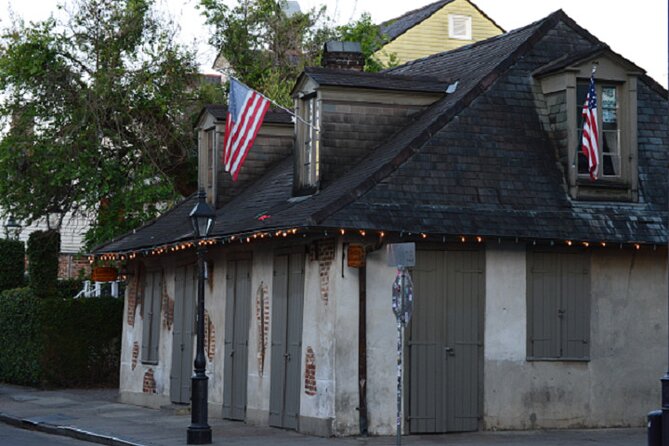
The walk continues to Lafitte’s Blacksmith Shop Bar, where you have about 10 minutes. This is a practical stop as well as a bit of local atmosphere. You can use the restroom, and you have the option to buy a Hurricane cocktail for $10.
The drink is not included in the tour price, so budget for it only if you want to try one. The short stop gives you a chance to pause, use facilities, and sample one of New Orleans’ well-known drinks without turning the outing into a full bar crawl.
Ten minutes is brief. If you order a cocktail, you will probably want to do so promptly and keep an eye on the group’s departure time. The tour description does not promise a long sit-down break, so do not count on having time for a leisurely drink.
This stop can be useful for people who appreciate a little breathing room during a walking tour. The French Quarter’s streets can be tiring in warm weather, and a restroom stop helps. Still, the activity remains primarily a historical walk. The cocktail is an optional extra, not the central attraction.
A few more New Orleans tours worth comparing
- New Orleans Premier Ghost, Voodoo and Vampire Walking Tour
★ 4.5 · 12,856 reviews - St. Louis Cemetery No. 1 Official Walking Tour
★ 4.5 · 3,941 reviews - New Orleans Garden District History Walking Tour
★ 5.0 · 2,879 reviews - Ghost and Vampire Walking Tour Of The French Quarter
★ 4.5 · 2,406 reviews
The Old Ursuline Convent and the city’s food story
At the Old Ursuline Convent Museum, the guide explains the building’s uses over roughly 270 years. The convent is described as the oldest building in New Orleans, making it one of the route’s most important historical points.
You do not enter the museum. Instead, you hear a short account of the building from outside, including the different roles it has played over time. There is no admission included, and the stop lasts about five minutes.
That may sound brief, but the subject is well chosen. A building with more than two centuries of changing use gives the guide a way to explain how New Orleans developed beyond its famous streets and parties. The stop also brings in the Sicilians who had a major effect on local cuisine. This is a useful connection because food is one of the clearest ways New Orleans history continues to show itself today.
If you want a full museum visit, set aside another part of your day. The walking tour offers an introduction only. I see that as a fair trade on a route designed to cover several landmarks, but you should not book this experience expecting extended indoor sightseeing.
The French Market finish
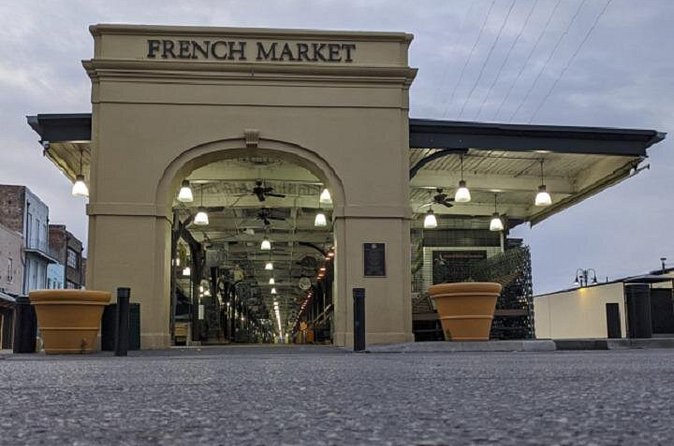
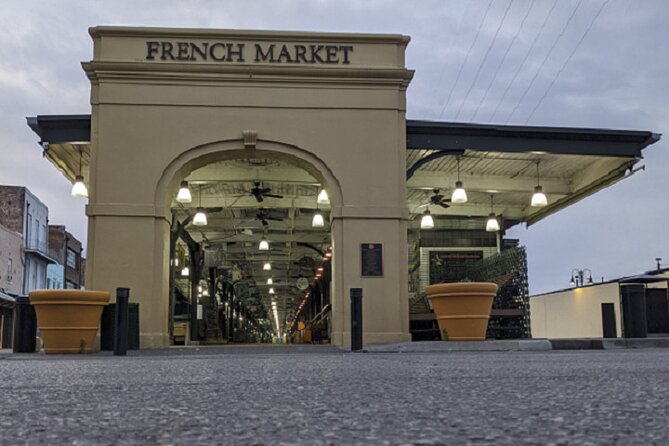
The tour ends at the French Market, described as the oldest open-air market in the United States. This is a practical ending point, especially if you want to continue exploring without retracing your steps.
Nearby, you will find restaurants, bars, restrooms, and a streetcar stop. The end point is on North Peters Street near French Market Place and Ursulines Street. Pay close attention to the street name: North Peters Street is not the same as Saint Peter Street.
Ending here gives you flexibility. You can stop for food, continue walking through the French Quarter, use public transportation, or simply take a break after the 1.3-mile route. Because the tour does not include a meal, the market area is also a sensible place to arrange your own lunch or snack afterward.
The French Market is not presented as a long shopping session. The scheduled stop is about five minutes, so the guide’s role is to introduce the place and finish the historical walk. You can stay longer on your own once the tour ends.
What the guides add to the experience
The guide is the heart of this kind of tour. The route itself is easy to follow, but the value comes from explaining why each place matters. A good guide turns a cathedral into part of a city story, a convent into a clue about local society, and a market into a link between immigration and food.
Carlo is the only guide named in the available information. He is a New Orleans native who has led a very small tour and offered a personal account of the city. His style included welcoming questions and being open when he needed to research a point further. I value that kind of honesty more than a guide who tries to sound certain about every detail.
Small groups can improve the experience in practical ways. You can usually hear the guide more easily, ask questions without holding up a large crowd, and take a short look at something interesting without losing the group. One small group even allowed a daughter to buy street art while the guide continued talking about nearby buildings.
The flip side is that the experience can feel different depending on the day. A one-person tour may be wonderfully personal, but some people prefer the energy of a fuller group. The maximum is 16, so the tour is not designed as a private experience for every booking.
Choosing the right day and time
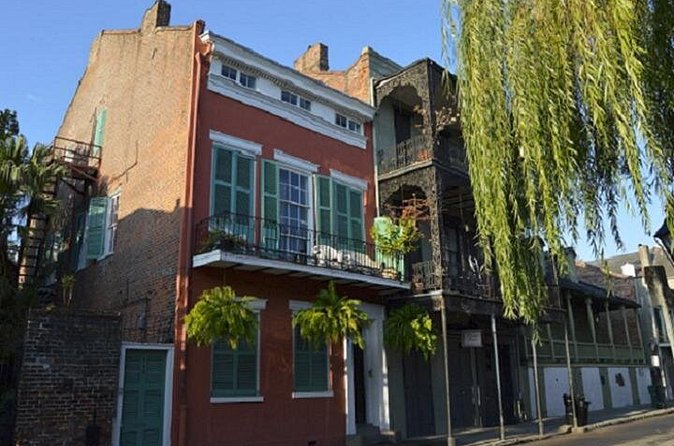
A morning start can be smart, especially in warmer months. One guest found a Monday morning tour comfortable before the day’s heat arrived. New Orleans heat and humidity can be hard on anyone, particularly during a walk with few long indoor stops.
Monday and Tuesday require extra thought. Nearby businesses may be closed on those days, which affects the atmosphere and your options for adding a shop, meal, or museum visit before or after the walk. The tour itself still provides the landmarks and stories, but the surrounding French Quarter may feel quieter.
The stated duration is approximately two hours, but allow extra time around it for arriving at 400 Decatur Street, taking photographs, and continuing after the French Market. The tour ends near North Peters Street by French Market Place, not back at the starting point.
Because the activity runs in all weather, check the forecast but do not assume it will stay accurate. New Orleans rain can change quickly, with an inch or more arriving in less than 15 minutes. Bring a poncho, although no rain protection is foolproof in a tropical downpour.
Heat, rain, walking, and comfort
Wear light clothing in summer and bring a wide-brimmed hat if you can. An umbrella is useful for both sun and rain. A plastic bag, especially a resealable bag, can protect your phone if heavy rain arrives while you are walking.
The route is described as a moderate amount of walking. At about 1.3 miles, it is manageable for most people who are comfortable walking city streets, but the heat can make that distance feel longer. If you have bad knees or difficulty walking, consider that the tour has no promise of frequent seating or a shorter route.
Children must be accompanied by an adult. Service animals are allowed, and most people can participate. Those details make the tour broadly suitable for families and mixed-age groups, provided everyone can handle the walking and weather.
There is no need to dress formally. Practical shoes, light clothing, sun protection, and water are the sensible choices. The supplied information does not state that water is provided, so plan to carry your own.
Is the tour worth the cost?
The exact tour price is not provided, so I cannot judge the purchase against a specific dollar amount. I can judge what you receive: about two hours with a local guide, a clear 1.3-mile route, landmark explanations, and a small-group limit of 16.
The $10 Hurricane at Lafitte’s is separate. Museum admission is also not included, though the route does not require you to enter the museum. That keeps the basic experience focused on walking and storytelling rather than bundling in attractions you may not want.
For a first visit, the value comes from saving time and gaining context. You could walk past Jackson Square, the cathedral, the convent, and the French Market on your own, but you would not automatically understand how the Battle of New Orleans, religious institutions, Sicilian influence, and local food connect.
The value is less clear if you already know the French Quarter well or mainly want indoor visits. In that case, the short exterior stops may feel too light. You would be paying for interpretation and route planning, not extensive time inside attractions.
One important booking warning: the experience is non-refundable and cannot be changed for any reason. Book only when your schedule and weather tolerance are reasonably firm.
Who should book this French Quarter walk?
I would recommend it to a first-time New Orleans visitor who wants a quick, organized introduction before exploring alone. It also suits anyone who enjoys local stories, asks questions, and prefers a small group to a large crowd.
It is a good fit for visitors who want a mix of landmarks and everyday details rather than a single museum. The Sicilian food connection, the brass band atmosphere near the cathedral, and the practical French Market finish give the route more range than a simple architecture walk.
I would think twice if you dislike walking in heat, need guaranteed indoor shelter, or want to enter every major building. Monday and Tuesday may also be less useful if you hope to browse many nearby businesses after the tour.
If you book, choose a cooler time of day when possible, carry sun and rain protection, and leave room afterward for a meal or more time at the French Market. Those small choices will make the short tour feel much more useful.
FAQ
How long does the French Quarter walking tour last?
The tour lasts approximately two hours.
How far do you walk?
The route involves about 1.3 miles of walking.
What language is the tour offered in?
The tour is offered in English.
Does the tour enter Saint Louis Cathedral or the museums?
No. You view Saint Louis Cathedral from Jackson Square, and the guide gives brief information about the museum buildings without entering them.
Where does the tour start and finish?
It starts at 400 Decatur Street in New Orleans. It ends near French Market Place on North Peters Street, close to Ursulines Street. Do not confuse North Peters Street with Saint Peter Street.
Is the Hurricane cocktail included?
No. At Lafitte’s Blacksmith Shop Bar, you may purchase a Hurricane cocktail for $10. A restroom is also available at that stop.
Newest New Orleans tours we have written up
- New Orleans : Garden District Architecture Walking tour★ 4.8 · 5 reviews
- Ultimate Denver Day Out: Red Rocks, City Views & Ice Cream★ 5.0 · 7 reviews
- From New Orleans: Whitney and Laura Guided Plantation Tour★ 4.9 · 20 reviews
- Whitney Plantation and Soul of New Orleans City Tour Combo★ 5.0 · 13 reviews
- Treme Bar Crawl & Seafood Experience★ 4.2 · 7 reviews
- True Voodoo History of NOLA’s Congo Square with Local Guide★ 4.9 · 16 reviews
- Whitney Plantation Tour with Transportation★ 4.0 · 29 reviews
- Witches Coven Walking Tour in New Orleans★ 5.0 · 49 reviews
New Orleans French Quarter Tours, compared.

New Orleans Food Walking Tour of the French Quarter with Small-Group Option
Read our review →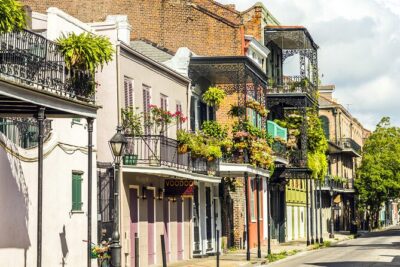
New Orleans French Quarter, Voodoo and Culture Walking Tour
Read our review →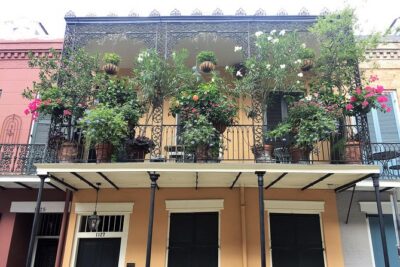
French Quarter Historical Sights and Stories Walking Tour
Read our review →
Ghost and Vampire Walking Tour Of The French Quarter
Read our review →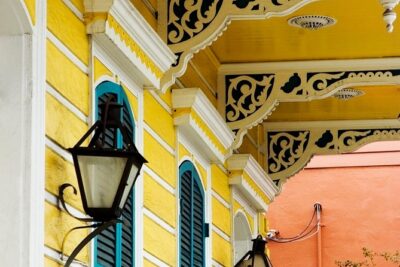
New Orleans City Tour: French Quarter, Garden District & Cemetery
Read our review →
New Orleans French Quarter Food Tour: Cajun, Creole and Culture
Read our review →
New Orleans French Quarter and More Carriage Ride
Read our review →
French Quarter walking Food Tour Famous Flavors of New Orleans
Read our review →Browse the lists this tour appears in