
Reviewed · NEW ORLEANS TRUE CRIME TOURS
Dark History Tour In New Orleans
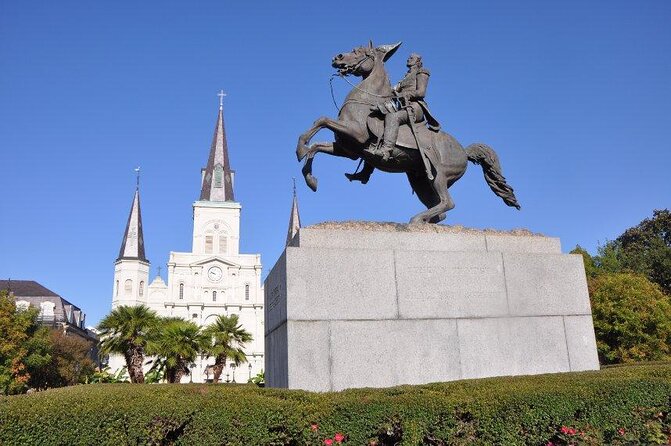
New Orleans hides some of its hardest stories behind pretty balconies and music-filled streets. This two-hour Dark History Tour brings those stories into the open, with stops at St. Louis Cathedral, Jackson Square, Madame John’s Legacy, and Lafitte’s Blacksmith Shop Bar.
I like the focus on true, less familiar accounts, and I like that long-time guides such as Jonathan Weiss and Doug explain the past without relying on theatrical gimmicks. The $30 price is fair for a small-group walk with a maximum of 28 people, though the experience can suffer if your guide talks too long or wanders from the main subject.
Key points
- Dark stories with a human side: The tour looks at suffering, conflict, and endurance rather than offering only ghost tales.
- Historic French Quarter stops: You visit some of the district’s most important buildings and public spaces.
- Experienced local guides: Jonathan Weiss Tours uses guides who were licensed before Hurricane Katrina.
- A useful 5:00 pm start: The timing works well after a day of sightseeing, though summer heat may still linger.
- Break at Lafitte’s Blacksmith Shop: You get about 10 minutes at one of New Orleans’ oldest taverns.
- Good value at $30: The price includes a guided walk of about two hours, with free admission at each listed stop.
What this $30 walk is really about
The Dark History Tour is not simply a tour of haunted places. It uses the French Quarter as a stage for stories of violence, injustice, fear, survival, and determination. You move through streets that can look cheerful in daylight, then learn what happened in those same spaces during the city’s French, Spanish, and American periods.
That approach gives the walk more weight than a string of spooky tales. You may hear about events that do not appear on more polished sightseeing routes, while still seeing major landmarks that help you understand New Orleans.
At $30 per person, the value depends on the guide. A strong guide can connect each building to the larger story of the city and answer questions with ease. Jonathan Weiss and Doug receive especially warm praise for making the past feel immediate without turning every stop into a performance.
The tradeoff is style. One guide was criticized for being long-winded and drifting away from the subject. Another response from the company was notably blunt, so I would expect a direct, opinionated tone rather than a carefully neutral museum lecture. If you like a guide with strong views and plenty of detail, that may work well. If you want a tight script and quick transitions, it may test your patience.
More true crime tours in New Orleans:
- Adults-Only New Orleans Ghost, Crime, Voodoo, and Vampire Tour
★ 5.0 · 6,545 reviews - New Orleans Adults-Only True Crime and Ghost Walking Tour
★ 5.0 · 1,666 reviews - New Orleans Killers and Thrillers Tour
★ 4.5 · 910 reviews
Meeting at Pirate’s Alley at 5:00 pm
The walk begins at Pirate’s Alley Cafe, at 622 Pirates Alley, beside St. Louis Cathedral in the French Quarter. The meeting point puts you right in the historic center, and you should allow a little extra time to locate the cafe and gather before the 5:00 pm start.
The end point is at 1035 Chartres Street, on the corner of Ursulines and Chartres Street. That means you do not finish where you began. This is not a major problem in the French Quarter, but you should note the address if you have dinner reservations, a hotel meeting point, or another activity afterward.
The route lasts about two hours and stays within the French Quarter. It is offered in English and uses a mobile ticket. The group can include up to 28 people, which is small enough for a guide to address questions but large enough that you may not always stand close to the speaker.
The tour begins in late afternoon. That is a smart time for a history walk, since you can spend the morning on other New Orleans sights and still have the evening free. The city can remain hot and humid, so bring water and wear comfortable shoes. The route is on foot, and the available information does not promise seating at every stop.
St. Louis Cathedral sets the tone
The first stop is St. Louis Cathedral, described as the oldest cathedral in the United States. It faces Jackson Square and gives the tour an immediate sense of age and authority.
You spend about eight minutes here. That is enough for a focused explanation outside, but not enough for a full architectural visit. Admission for this stop is free, so you are paying for the guide’s interpretation rather than entry.
This is a useful opening because the cathedral represents the religious and civic center of old New Orleans. The darker stories connected to the surrounding area gain force when you first understand how important this square was to the city.
Do not expect a long interior visit or a quiet period of personal sightseeing. The stop is short, and the guide needs to keep the group moving. If you want to explore the cathedral on your own, plan to return at another time.
Lafitte’s Blacksmith Shop offers a ten-minute pause
Lafitte’s Blacksmith Shop Bar is the tour’s natural breather. You spend about 10 minutes here, and admission is free. It is identified as the oldest tavern in the city, giving the stop both a practical and historical role.
The break matters because two hours of standing and listening can become tiring. You may have time to look around, use the pause to reset, and take in one of the French Quarter’s most famous old buildings.
The stop is not presented as a full drinking session, and you should not assume that a beverage is included. It is best understood as a short mid-tour pause at a historic tavern. If the group is moving on quickly, you may have limited time to order anything.
This is also one point where the tour’s dark subject can lighten slightly. A good guide can use the building to connect everyday life, old streets, and the less polished side of New Orleans history without losing the main theme.
A few more New Orleans tours worth comparing
- New Orleans Garden District History Walking Tour
★ 5.0 · 2,879 reviews - French Quarter Historical Sights and Stories Walking Tour
★ 5.0 · 2,724 reviews - New Orleans Small-Group Haunted History Carriage Tour
★ 4.5 · 2,289 reviews - New Orleans Haunted History Ghost Tour
★ 4.5 · 2,084 reviews
Madame John’s Legacy preserves the French period
Madame John’s Legacy is one of the more distinctive stops. It is described as one of the only French buildings in the Quarter and the only residence from the French period. You spend about 10 minutes here, with no admission charge listed.
That makes the building valuable beyond its appearance. The French Quarter contains many layers of colonial and later architecture, but this stop helps you separate the French period from the Spanish and American periods that followed.
The short visit works best when your guide provides context. You are not getting a full house tour, so the explanation is the main event. Look closely at the building while you listen, because the structure itself helps show how early New Orleans differed from the later city.
This stop also supports the tour’s larger purpose. The city’s dark past is not one single chapter. It grew from changing governments, competing cultures, unequal power, and the lives of people who endured those changes.
City Hall connects the French, Spanish, and American eras
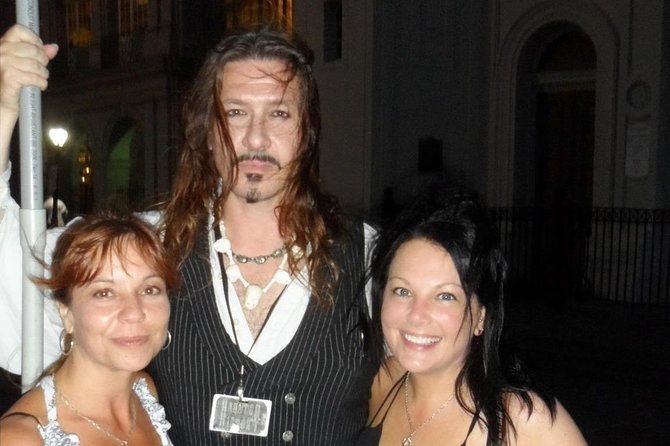
The route also includes the former city hall area, described as the seat of the Spanish and American governments until the Civil War. The supplied details do not give a timed stop or a formal admission note for this location, so expect it to be handled as part of the street walk.
This is an important piece of the route because it gives the tour a political frame. New Orleans was shaped by more than its French beginnings. Spanish rule and American control changed how the city was governed, how people lived, and how power was enforced.
You will get more from this stop if you pay attention to the timeline. The tour is not only about individual tragedies. It also asks you to consider how a city’s rulers and institutions affected ordinary lives.
Since the guide may answer questions or expand on related subjects, this is one place where pacing can vary. A guide who stays focused can make the political history clear in a few minutes. A more conversational guide may take longer and wander into connected subjects.
Jackson Square brings the darkest material into view
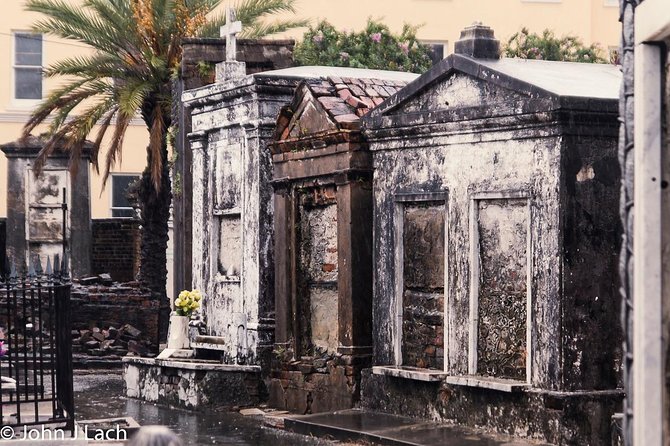
Jackson Square is described as a lovely square designed by a woman and a place of absolute horror. That contrast is central to the tour’s appeal. Today, the square is one of New Orleans’ most recognizable public spaces, but the tour uses it to expose a far more painful past.
You spend about eight minutes here. The short timing keeps the group moving, yet the subject matter may be the heaviest part of the walk. This is where the guide’s tone matters most.
The best version of this stop treats the people involved as human beings rather than props in a scary story. Doug is praised for presenting difficult material in a compassionate and humanizing way, while Jonathan Weiss is praised for making the history feel alive and connecting it to the community.
That may not satisfy someone looking for nonstop ghost stories or sensational claims. The tour’s darker content appears to come from real history, and the emphasis is often on suffering and determination. I see that as a strength, but it can make the experience emotionally heavier than a standard French Quarter stroll.
Guide style can shape the whole experience
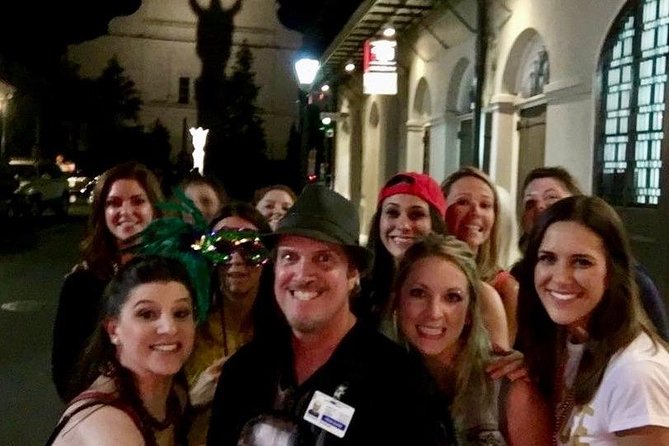
Jonathan Weiss Tours uses long-time guides, including Jonathan Weiss and Doug. The guides were licensed before Hurricane Katrina, a detail that suggests long experience with New Orleans history and tour work.
Jonathan is described as having family roots in the area and a personal connection to the community’s past. Doug is praised for being friendly, clear, and compassionate when discussing difficult events. Both names are useful to know because the tone of your tour may depend heavily on who leads it.
The strongest guide style here is informal, engaged, and full of facts. You may get answers to questions rather than a rigid speech. That makes the walk feel more personal, but it also creates the risk of long explanations and side discussions.
I would not book this tour expecting a completely polished, neutral presentation. The company’s responses to negative feedback are unusually defensive and direct. That does not determine the quality of the walk, but it tells you something about the operation’s personality. You may appreciate the frankness, or you may prefer a softer style.
How the tour compares with a standard French Quarter walk
A basic French Quarter tour often gives you architecture, famous residents, food traditions, and broad city history. This walk narrows the lens to the subjects that are harder to discuss.
That focus is useful if you have already seen the main sights and want something less familiar. It also works well as an introduction if you want your first look at the Quarter to include its difficult chapters, not just its pretty facades.
The route still includes major landmarks, so you are not giving up the classic New Orleans setting. You see St. Louis Cathedral, Jackson Square, Madame John’s Legacy, Lafitte’s Blacksmith Shop, and the former government center while hearing the darker stories connected to them.
The difference is emotional tone. This is not the best choice if you want a light, family-style introduction filled with jokes and photo stops. It suits you better if you are interested in history, colonial change, crime, suffering, and the ways people survived hard conditions.
Who will get the most from this tour
I would recommend the walk to you if you like history with a sharp edge and want more than the usual surface facts. It is particularly suited to people who enjoy asking questions and listening to a guide explain how separate events fit into the growth of the city.
It also works for repeat visitors. The route covers well-known places, but the stories may be new even if you have already walked Jackson Square or visited the cathedral.
You should think twice if you dislike long talks, strong opinions, or stories about human suffering. One account describes a guide who rambled and moved off topic, so the experience may feel less efficient than a tightly timed professional presentation.
The group limit of 28 is reasonable for a walking tour, though a smaller group would make it easier to hear and ask questions. If your group is large, stay near the guide and avoid blocking the sidewalk. The company clearly expects basic street courtesy during the walk.
Booking, weather, and cancellation details
The tour costs $30 per person and is commonly booked about 16 days ahead. That advance pattern suggests you should reserve before your trip if the 5:00 pm time fits your plans, especially if you have a fixed evening schedule.
Free cancellation is available up to 24 hours before the start time for a full refund. Changes or cancellations made less than 24 hours before the tour are not accepted for a refund.
The walk requires good weather. If poor weather cancels it, you will be offered another date or a full refund. The tour also requires a minimum number of participants, and if that number is not reached, you will be offered another date or experience, or a full refund.
Confirmation arrives when you book. Service animals are allowed, the meeting area is near public transportation, and most people can take part. The available information does not give a detailed route accessibility assessment, so contact the provider if you need specific mobility guidance.
Should you book the Dark History Tour?
Book it if you want a serious, story-led look at New Orleans and prefer real history to theatrical effects. The strongest reasons are the unusual subject matter, the central French Quarter route, and guides such as Jonathan Weiss and Doug, who bring long experience and a clear personal connection to the city.
The $30 fee is fair when the guide keeps the history focused and vivid. I would skip it if you want a short, tightly scripted walk with little discussion, or if dark subjects are not your idea of a good evening.
For history-minded visitors, repeat visitors, and curious first-timers, this is a useful way to see familiar French Quarter places from a less comfortable angle. Go ready to walk, listen, and accept a guide whose style may be as direct as the stories.
FAQ
How long does the Dark History Tour last?
The tour lasts approximately two hours.
What time does the tour begin?
The tour begins at 5:00 pm.
Where does the tour start?
It starts at Pirate’s Alley Cafe, 622 Pirates Alley, New Orleans, Louisiana 70116.
Where does the tour finish?
It ends at 1035 Chartres Street, at the corner of Ursulines and Chartres Street.
How much does the tour cost?
The listed price is $30 per person.
Is the tour offered in English?
Yes, the tour is offered in English.
What happens if the tour is canceled because of weather or low participation?
You will be offered a different date or experience, or a full refund.
Newest New Orleans tours we have written up
- New Orleans: 1.5-Hour Voodoo History Evening Tour★ 4.5 · 34 reviews
- New Orleans: Voodoo History Guided Walking Tour★ 4.8 · 3 reviews
- New Orleans: Voodoo, Storyville, and Treme Walking Tour★ 3.3 · 3 reviews
- New Orleans: Voodoo Legends, Vampires & Magic Walking Tour★ 3.0 · 4 reviews
- New Orleans: 1.5-Hour Vampire Tour of the French Quarter★ 4.8 · 30 reviews
- New Orleans: VIP Bar and Club Crawl Tour with Free Shots★ 4.5 · 39 reviews
- New Orleans: Traditions Cooking Class★ 5.0 · 9 reviews
- New Orleans: Tombs and Mansions of the Garden District★ 4.6 · 4 reviews
New Orleans True Crime Tours, compared.
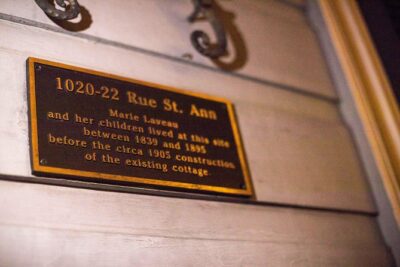
Adults-Only New Orleans Ghost, Crime, Voodoo, and Vampire Tour
Read our review →
New Orleans Adults-Only True Crime and Ghost Walking Tour
Read our review →
New Orleans True Murder Tour: Sinister Criminal Intentions
Read our review →


Browse the lists this tour appears in