
Reviewed · NEW ORLEANS FRENCH QUARTER TOURS
French Quarter History: Walking Tour
New Orleans history gets personal on this two-hour French Quarter walk, where guides connect old events to their own family stories. You’ll hear about Native Americans, enslaved people, French and Spanish settlers, Creole communities, jazz, Mardi Gras, floods, food, cocktails, and legalized prostitution.
I like the focus on people and lived memory, not just dates and plaques. I also like the route’s useful finish near Café Du Monde, where your guide can point you toward food, drinks, and further sightseeing. One thing to watch: the meeting-point details vary, and major events such as Jazz Fest can block streets and limit what you see.
Key points
- Family history shapes the storytelling: Your licensed guide uses recent personal memory and ancestral accounts to explain New Orleans.
- The French Quarter supplies the setting: Expect Spanish and French architecture, old buildings, St. Louis Cathedral, and the Mississippi River.
- The subject list is wide: Jazz, Mardi Gras, cocktails, cuisine, prostitution, slavery, hurricanes, and floods all enter the conversation.
- The route takes two hours: It gives you a useful introduction without taking up an entire day.
- The ending helps with the rest of your visit: Your guide finishes near Café Du Monde with suggestions for places to eat, drink, and explore.
- The walk costs $30 per person: That is a fair price if you want interpretation and local context, not simply a stroll past buildings.
Why this French Quarter walk feels different
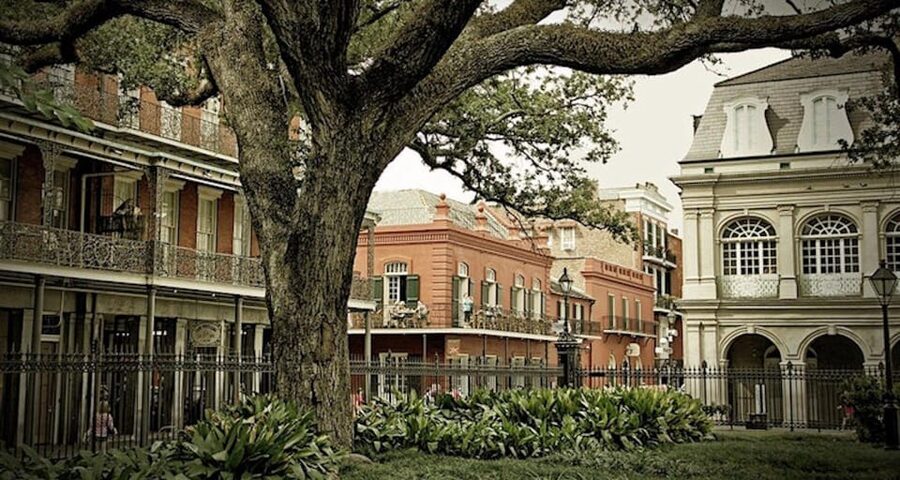
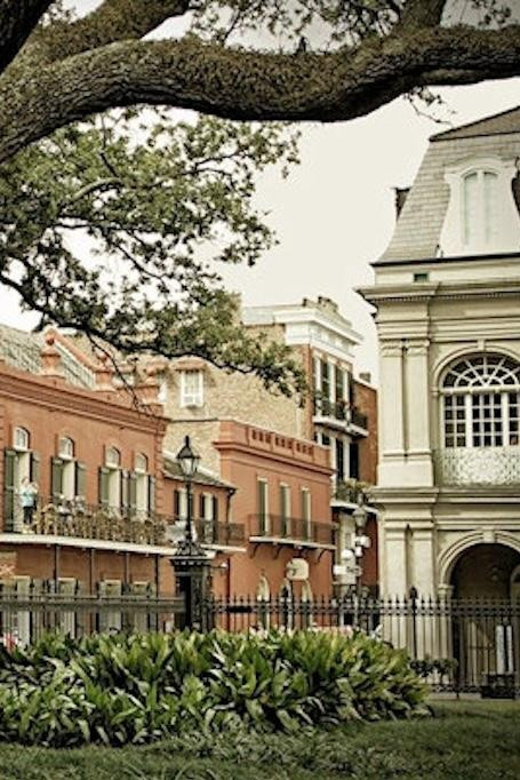
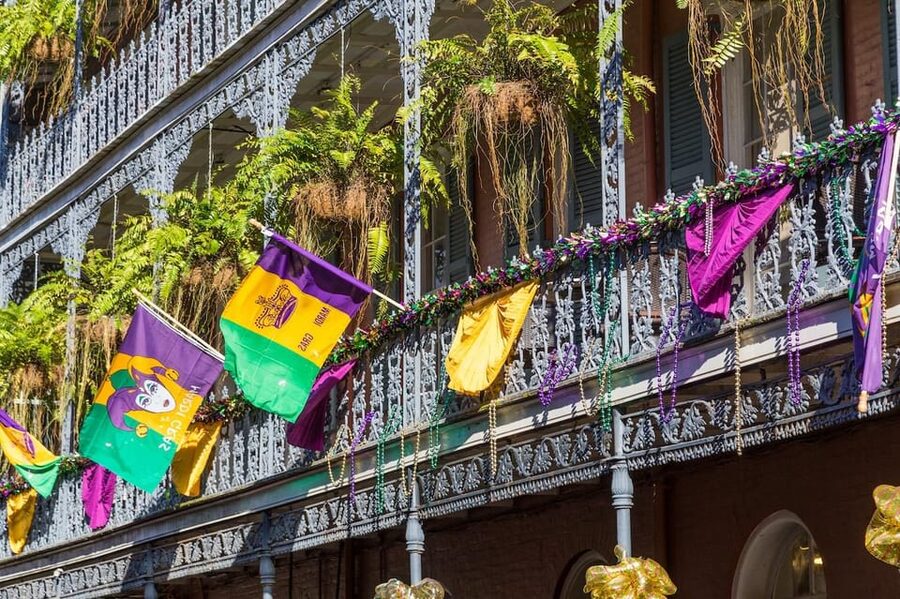
The French Quarter can be easy to misread. You see wrought-iron balconies, old courtyards, bright façades, and narrow streets, but the buildings alone do not explain who lived there or how the city changed hands. This tour puts those details into a larger story.
You’ll discuss the Native Americans who lived here before European settlement, then the French and Spanish periods, enslaved people, Creole communities, and the many mixed-race families that shaped New Orleans. The goal is not to present the city as a single culture. Instead, you hear how different groups met, clashed, worked, worshiped, cooked, and created something new.
That approach matters in New Orleans. Music, food, language, religion, architecture, and festivals all grew from cultural contact. You may recognize the famous names, such as jazz and Mardi Gras, but the guide gives you a way to connect them to the streets under your feet.
The strongest feature is the use of family history. Your guide can explain recent events firsthand and older periods through the words and experiences of ancestors who lived them. That makes the past feel less remote than a standard date-filled tour.
More French Quarter tours in New Orleans:
- New Orleans Food Walking Tour of the French Quarter with Small-Group Option
★ 5.0 · 6,118 reviews - New Orleans French Quarter, Voodoo and Culture Walking Tour
★ 4.5 · 2,961 reviews - French Quarter Historical Sights and Stories Walking Tour
★ 5.0 · 2,724 reviews
Starting near the French Quarter’s edge
The listed meeting details need a little care. The main description gives 400 Esplanade Avenue, in front of the US Mint, while the itinerary identifies 768 Decatur Street as both the starting and ending location. The meeting instructions say to gather at the bottom of the concrete steps.
Confirm the exact point before you leave your hotel. This is especially important in the French Quarter, where a few blocks can mean a different street, entrance, or landmark. Bring the activity details with you and allow enough time to find the concrete steps without rushing.
The US Mint is a fitting place to begin if that is the confirmed location. It places you close to the old city and gives the walk a clear sense of entering New Orleans through its past. From there, the guide leads you into the French Quarter for a continuous discussion rather than a series of disconnected stops.
Wear comfortable shoes. You will be on foot for about two hours, and you’ll get more from the tour if you can pay attention to the stories instead of thinking about your feet. Water is also listed as a suggested item, a sensible choice in Louisiana weather.
Spanish and French architecture in the old city
Architecture is one of the easiest ways to read New Orleans, and this tour gives you a guide for doing so. You’ll see Spanish and French influences in the buildings and learn why the French Quarter looks different from other historic districts in the United States.
The route includes some of the oldest sites in the area, including the oldest building in the entire Mississippi Valley. The exact building names are not specified in the tour details, so you should expect the guide to explain the site in person rather than rely on a fixed list of monuments.
Look closely at the buildings as you walk. The point is not just to photograph balconies and façades. Their design reflects the city’s colonial past, later changes, local weather, and the people who used these spaces. Your guide’s stories help you connect architecture with daily life.
This is also where a live guide adds value. A self-guided walk can show you a building, but it may not explain why its design matters or how the surrounding neighborhood changed. At $30, part of what you are paying for is that interpretation.
St. Louis Cathedral and the river
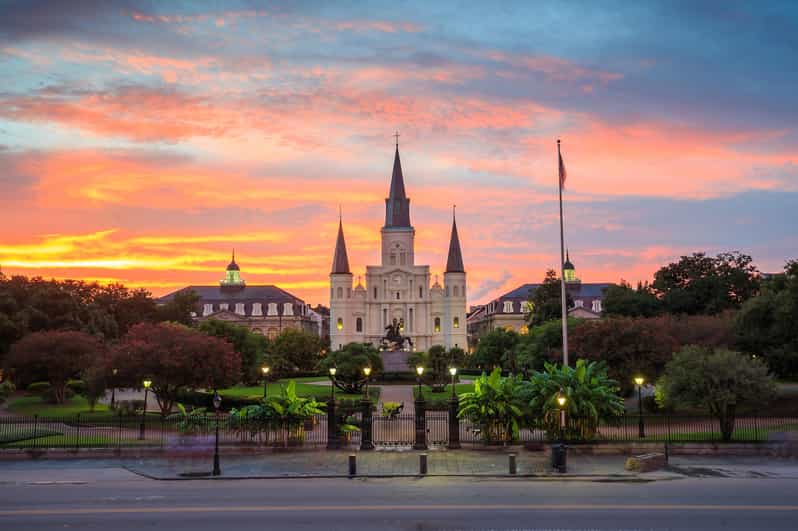
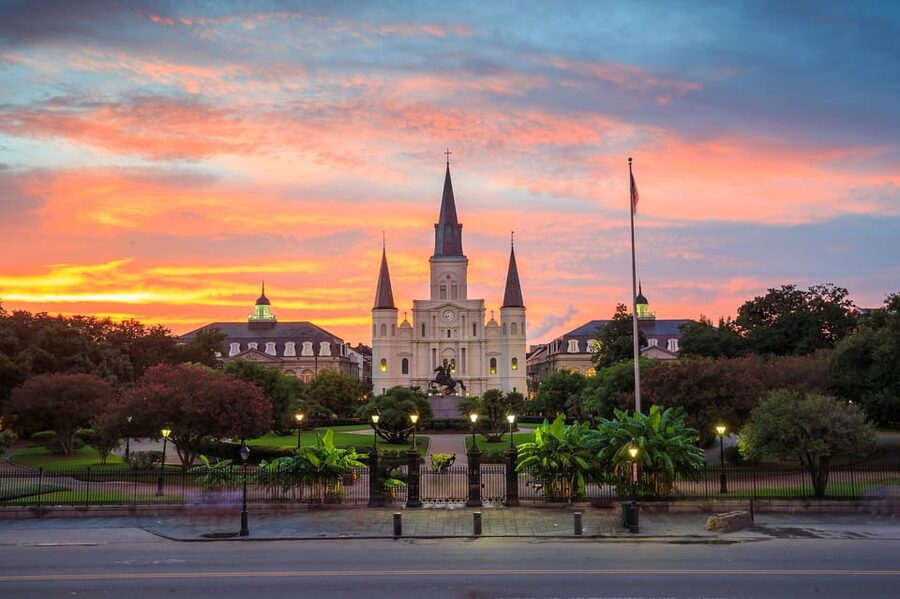
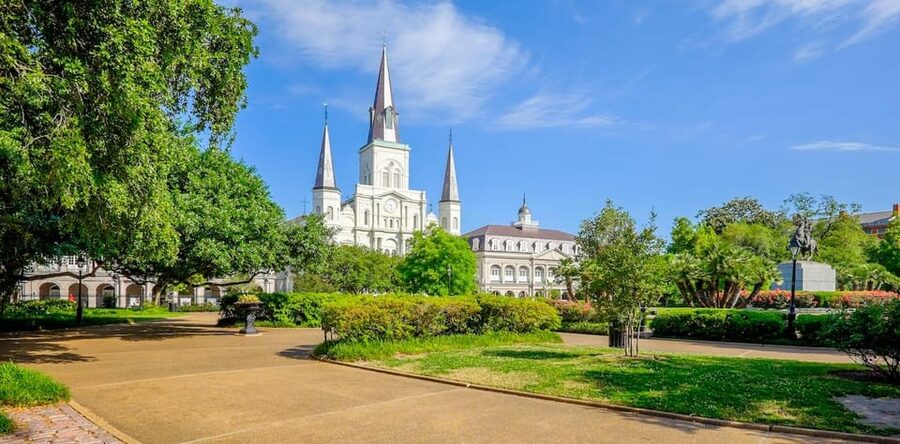
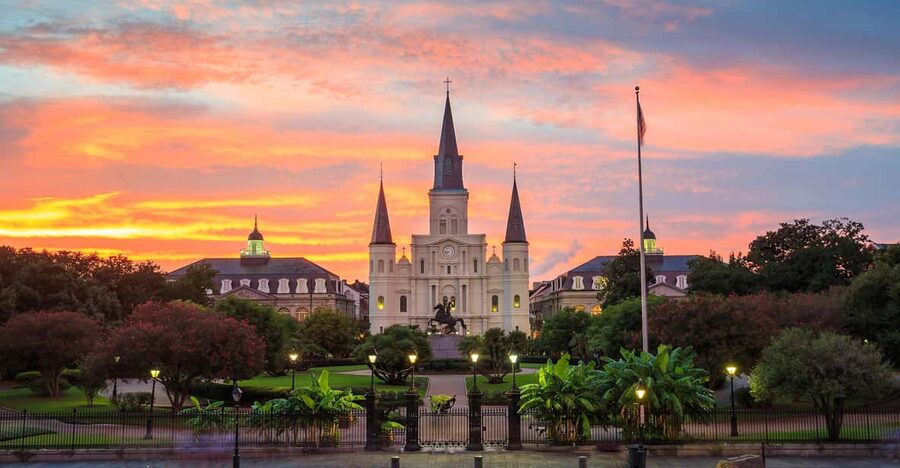
St. Louis Cathedral is one of the major sights on the route. It is described as the most photographed church in the South, and its location in Jackson Square makes it one of the French Quarter’s defining landmarks.
You should expect to hear about the cathedral as part of New Orleans’s religious and cultural story, not simply stop for a photograph. The wider discussion includes French, Spanish, Creole, enslaved, and mixed-race communities, so the cathedral becomes one piece of a much larger account of the city.
The walk also reaches the Mississippi River. This is not a random scenic stop. The river is the reason New Orleans exists in its present location, and its currents shaped trade, transport, flooding, work, and settlement.
That river connection gives the tour useful geographic context. Once you see the city beside the water, the stories about floods and hurricanes make more sense. The river is both an attraction and a force that has repeatedly affected life here.
A few more New Orleans tours worth comparing
- New Orleans Garden District History Walking Tour
★ 5.0 · 2,879 reviews - New Orleans Small-Group Haunted History Carriage Tour
★ 4.5 · 2,289 reviews - New Orleans Haunted History Ghost Tour
★ 4.5 · 2,084 reviews - Paddlewheeler Creole Queen Historic Mississippi River Cruise
★ 4.5 · 1,948 reviews
Jazz, Mardi Gras, and the city’s harder stories
The tour does not limit New Orleans to music and parties. You’ll hear about the creation of jazz and the development of Mardi Gras, but those subjects sit beside slavery, prostitution, crime-related history, floods, hurricanes, and the city’s changing social order.
The mention of legalized prostitution is particularly direct. This is useful if you want a fuller picture of old New Orleans rather than a polished version designed only for sightseeing. The guide can place that subject alongside the city’s economy, neighborhoods, and public life.
Jazz receives similar treatment. You will not simply hear that New Orleans invented or helped create a major American musical form. The tour presents jazz as part of the cultural meeting that happened here, shaped by different communities and traditions.
Mardi Gras and local cuisine also become more meaningful when you understand the city’s past. The same is true of America’s early cocktail culture. These are not isolated attractions. They are expressions of a place shaped by migration, trade, celebration, hardship, and invention.
Some subjects may not suit young children or anyone looking only for light entertainment. The tour covers slavery and legalized prostitution openly. That is a strength for an adult audience seeking honest context, but it is worth considering before booking for a family group.
A guide who tells more than a prepared script
The tour’s licensed guides are described as descendants of founding families in the area. That does not mean every guide will tell the same stories in the same way. It does mean the experience is built around family connection and local memory.
Angela led one walk during Jazz Fest and was described as both friendly and well informed. Charmaine was praised for being helpful, while DeAnna was noted for keeping the group interested with anecdotes, stories, and historical information. These comments point to an important part of the experience: the guide’s personality matters.
A walking tour can be accurate and still dull. Here, the format depends on conversation, questions, and stories that make the past easier to follow. You should expect an engaged guide rather than a silent procession from one photo stop to another.
The family angle also has limits. Personal stories can make history vivid, but they should sit beside broader context. This tour appears designed to do both, connecting recent firsthand experience with older events passed down through ancestors.
Timing, crowds, and the Jazz Fest lesson
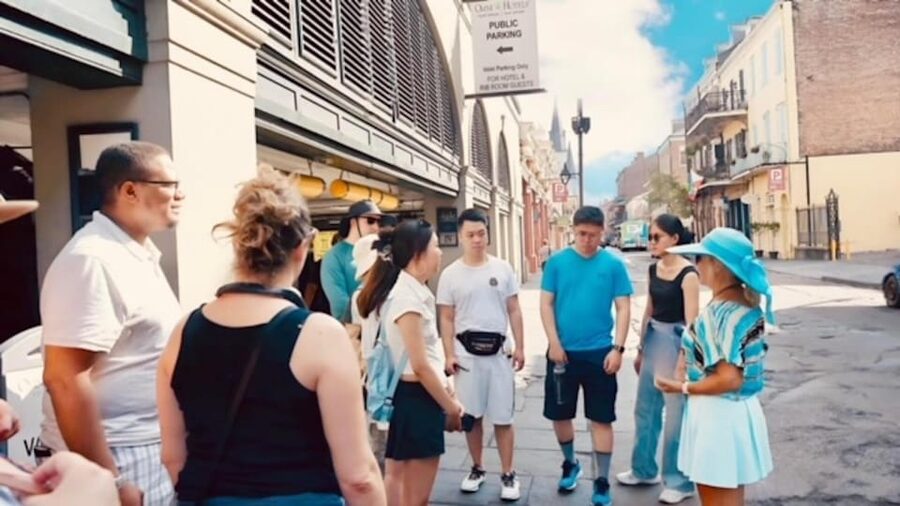
Two hours is a good length for a first look at the French Quarter. You get enough time to cover several themes and major sights, but the walk should not consume your whole day. It also leaves you time to return to places that caught your interest.
Crowds can affect the route. During Jazz Fest, some French Quarter streets were blocked and crowded, which meant certain places could not be seen. That is not necessarily a fault in the tour, but it is a real planning point.
Large festivals, parades, street closures, and special events can change the experience. If your visit falls during a major celebration, expect possible detours and a busier walk. You may gain the excitement of New Orleans at full volume, but you may also lose access to some stops.
Ask your guide about any missed locations if crowds force a change. A good walking tour can still work around closures, but you should not assume that every scheduled sight will be available on every date.
What the $30 price buys you
At $30 per person, this is not the cheapest way to walk through the French Quarter. You can stroll the streets without paying anything. The value comes from the guide’s interpretation, the historical range, and the family stories tied to the place.
I would consider the price fair if you want help understanding what you see. The tour covers 300-plus years, several cultural groups, major landmarks, and difficult subjects in two hours. That is a lot of ground, so the walk is best viewed as an introduction rather than a complete study of New Orleans.
The end point adds practical value. The guide finishes near 848 Decatur Street and Café Du Monde, although the itinerary also lists 768 Decatur Street as the return point. Before booking, confirm which address applies to your departure and finish.
At the end, you can ask for suggestions about eating, drinking, and further sightseeing. That can save time during the rest of your visit, especially if you are still deciding how to use your first day in the city.
Free cancellation up to 24 hours before the start gives you some flexibility. You can also reserve now and pay later, which helps if your plans are not fully settled.
Who should book this walk
I would choose this tour if you are visiting New Orleans for the first time and want historical grounding before exploring on your own. It also suits repeat visitors who have seen the French Quarter but want more context for its buildings, customs, and cultural traditions.
It is a good match for you if:
- You prefer stories and conversation to a sightseeing checklist.
- You want to understand the city’s mixed cultural roots.
- You are interested in jazz, Mardi Gras, food, cocktails, and architecture.
- You are willing to discuss slavery, prostitution, disasters, and social change.
- You want local recommendations at the end of the walk.
You may prefer a different activity if you dislike walking, want a narrowly focused architecture tour, or need a route that guarantees access to every stop during a festival. The tour is wheelchair accessible, but street conditions and crowd changes can still affect the practical experience, so confirm any specific access needs when booking.
The tour is in English and lasts two hours. Comfortable shoes and water are the only stated items to bring.
Should you book the French Quarter History walk?
Book it if you want the French Quarter explained by a local guide with family ties to the area. The strongest reasons are the personal storytelling, the wide range of subjects, and the chance to connect famous New Orleans traditions with the people and events behind them.
I would not book it expecting a quiet, fixed route through every landmark. Streets can close, crowds can interfere, and the two-hour schedule cannot cover every part of a 300-year story. But for $30, you get a thoughtful first look at New Orleans, plus practical advice for the rest of your stay.
Confirm the meeting address, wear good shoes, and leave room in your schedule for Café Du Monde and whatever recommendation your guide gives you afterward.
FAQ
How long does the French Quarter History walking tour last?
The tour lasts two hours.
What language is the tour conducted in?
The tour is conducted in English.
Where does the tour meet?
The meeting instructions say to meet at the bottom of the concrete steps. The supplied details list both 400 Esplanade Avenue in front of the US Mint and 768 Decatur Street, so confirm the exact address before the tour.
What sights are included?
You’ll see French and Spanish architecture, sites that are hundreds of years old, St. Louis Cathedral, and the Mississippi River. The tour also covers the wider history of the French Quarter.
What should I bring?
Bring comfortable shoes and water.
Can I cancel the booking?
Yes. You can cancel up to 24 hours in advance for a full refund. Reserve now and pay later is also available.
More Walking Tours in New Orleans
- New Orleans Premier Ghost, Voodoo and Vampire Walking Tour
★ 4.5 · 12,856 reviews - St. Louis Cemetery No. 1 Official Walking Tour
★ 4.5 · 3,941 reviews - Ghost and Vampire Walking Tour Of The French Quarter
★ 4.5 · 2,406 reviews - New Orleans Adults-Only True Crime and Ghost Walking Tour
★ 5.0 · 1,666 reviews
Newest New Orleans tours we have written up
- 45-Minute Garden District Highlights Tour in New Orleans★ 5.0 · 33 reviews
- New Orleans City and Swamp Helicopter Tour★ 5.0 · 9 reviews
- 45-Minute Marigny Triangle Highlights Tour in New Orleans★ 5.0 · 12 reviews
- 20 Passenger New Orleans Airport or Hotel Transfer★ 5.0 · 6 reviews
- Private New Orleans 2-Hour Sail Aboard a Luxury Yacht★ 5.0 · 44 reviews
- The New Orleans Darkness Tour★ 4.4 · 9 reviews
- 11 Passenger Executive Van: New Orleans Airport or Hotel Transfer★ 4.0 · 8 reviews
- Spooky Family Ghost Tour★ 3.4 · 9 reviews
New Orleans French Quarter Tours, compared.

New Orleans Food Walking Tour of the French Quarter with Small-Group Option
Read our review →
New Orleans French Quarter, Voodoo and Culture Walking Tour
Read our review →
French Quarter Historical Sights and Stories Walking Tour
Read our review →
Ghost and Vampire Walking Tour Of The French Quarter
Read our review →
New Orleans City Tour: French Quarter, Garden District & Cemetery
Read our review →
New Orleans French Quarter Food Tour: Cajun, Creole and Culture
Read our review →
New Orleans French Quarter and More Carriage Ride
Read our review →
French Quarter walking Food Tour Famous Flavors of New Orleans
Read our review →Browse the lists this tour appears in