
Reviewed · HISTORICAL TOURS
Historic Carrollton Neighborhood Walking Tour
Carrollton is where New Orleans slows down and its past gets wonderfully specific. On this two-hour walk, you move from a tiny park and an old memorial trough to stories about railways, lumberyards, brickyards, dairies, butchers, riverboat captains, and a house that bananas built. It is a side of the city far removed from the French Quarter crowds.
I like the small group limit of 14 and the guide Emily’s personal connection to Carrollton. I also like the mix of architecture and everyday history, especially the way the tour links the Civil War to the Black Pearl neighborhood and explains how this bend in the Mississippi River grew.
The main drawback is narrow focus. If this is your first visit to New Orleans and you want jazz clubs, Creole cooking, or the classic French Quarter sights, this walk will not replace those. It is best as a second look at the city, and you should allow for hot weather since the tour requires good conditions.
Key points about the Carrollton walk
- Carrollton’s unusual beginnings: Learn how this former resort destination grew around railways, lumberyards, river traffic, and local industry.
- A local guide with family ties: Emily is a Carrollton native, historian, and storyteller who connects old buildings with the people who lived in them.
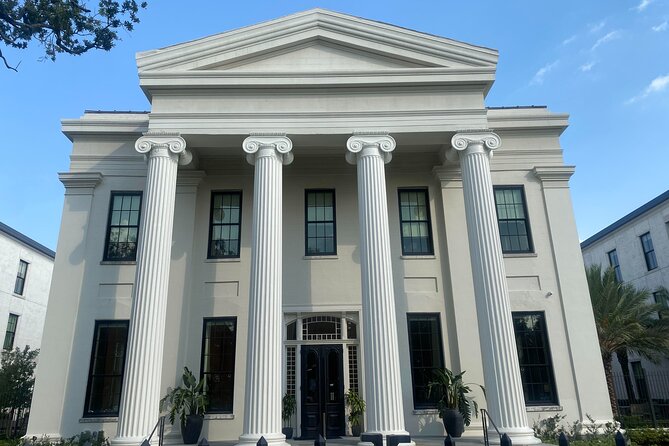
- Architecture with a wide range: The walk examines one of New Orleans’ most varied residential areas, with many styles and details explained along the route.
- History beyond grand houses: Expect stories about enslaved and free people of color, German and Cajun communities, brickyards, dairies, butchers, and working neighborhoods.
- A quiet start with odd details: The opening stop near la Madeleine includes tiny Fischer Park and a historic memorial trough.
- Easy Uptown setting: The tour begins near Oak Street and the streetcar, with shopping and dining close to the finish.
Why Carrollton tells a different New Orleans story
New Orleans is often presented through its oldest and most famous districts. Carrollton gives you another angle. This neighborhood was the last to join New Orleans proper, and its story is tied to transportation, trade, industry, and suburban growth as much as to elegant homes.
The area once served as a resort destination. That fact alone changes how you read the streets. Carrollton was not simply a residential quarter waiting to be absorbed by the city. It had its own identity, its own businesses, and its own links to the river and rail lines.
I like tours that explain how a neighborhood worked, not just how it looked. Here, architecture is part of the story, but so are lumberyards, dairies, brickyards, and butcher shops. Those details help you picture daily life instead of only admiring façades.
The tour also gives attention to people often left out of polished city histories. You hear about Germans, Cajuns, free people of color, and enslaved people, along with the relationship between the Civil War and the Black Pearl neighborhood. That wider view gives Carrollton more depth than a simple stroll past attractive houses.
A few more New Orleans tours worth comparing
- New Orleans Garden District History Walking Tour
★ 5.0 · 2,879 reviews - French Quarter Historical Sights and Stories Walking Tour
★ 5.0 · 2,724 reviews - New Orleans Small-Group Haunted History Carriage Tour
★ 4.5 · 2,289 reviews
Starting near la Madeleine and Fischer Park
The walk begins at la Madeleine, at 601 South Carrollton Avenue. The meeting point is close to Oak Street, shopping, dining, and the streetcar line, so it is a practical place to meet before or after exploring the neighborhood.
The first part centers on the area near the restaurant and introduces what is described as the cradle of Carrollton. Do not expect a grand monument or a large museum entrance. Instead, you start with small, easily missed pieces of local history.
Tiny Fischer Park is one of those details. The tour also points out a memorial trough, an unusual object that might pass unnoticed if you were walking alone. That is part of the appeal here. Carrollton’s past is not always marked by large signs. Some of it survives in modest corners and objects with curious functions.
This opening hour sets the tone. Emily uses small physical details to explain a much larger story about how Carrollton began. If you enjoy street-level history, this is more rewarding than a standard list of dates. If you prefer major landmarks and formal exhibits, the quiet start may feel understated.
The exact order and timing can vary, but the walk is planned for about two hours, with roughly one hour devoted to the introductory area and one hour to the broader Uptown and Carrollton route.
From resort town to working neighborhood
The second part of the walk opens up Carrollton’s many layers. You learn how a former resort destination became tied to railways and the lumber trade. These subjects may sound practical rather than glamorous, but they explain why the neighborhood developed where it did and how people, goods, and money moved through the area.
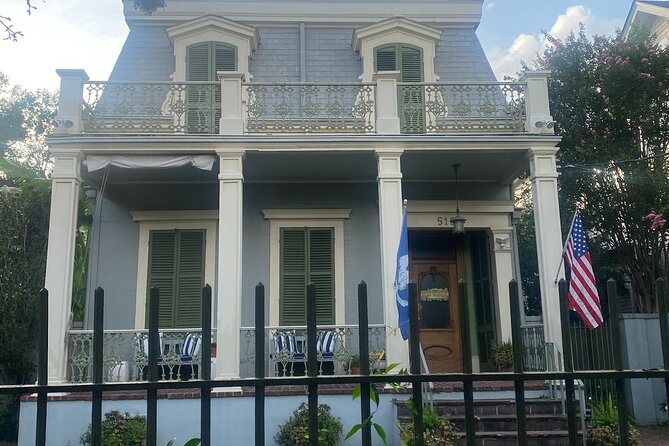
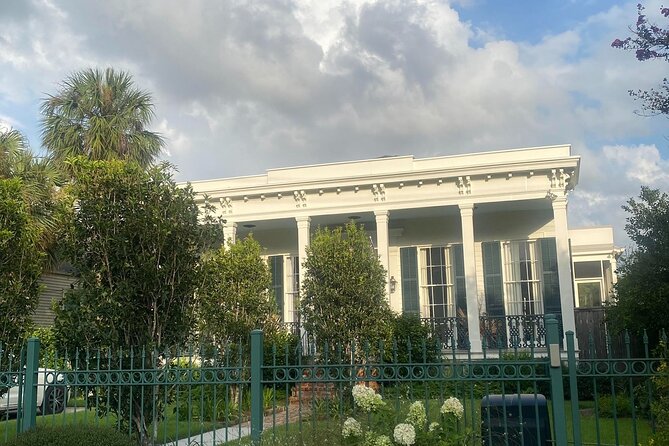
The guide also covers the architectural variety of Carrollton. New Orleans is famous for its buildings, but Carrollton has a different kind of appeal. The neighborhood brings together many elements and styles, and the tour explains what you are looking at rather than asking you to admire houses without context.
That makes Emily’s role important. The strongest praise for this tour centers on her storytelling, humor, and ability to connect the past with the present. Her local ties also mean the walk is not presented as a distant academic lecture. You get a sense of someone who knows the neighborhood as a lived-in place.
One especially memorable subject is the house that bananas built. The supplied details do not explain the full story, so you should expect the guide to supply the context on the walk. It is exactly the kind of unusual local tale that gives a neighborhood tour character.
You will also hear about homes connected with heroic riverboat captains. These stories widen the focus beyond architecture. A house is not just a style or a date. It can point to the work, risks, and status of the people who shaped life along the Mississippi.
Black Pearl, Civil War history, and overlooked lives
The tour includes the relationship between the Civil War and the Black Pearl neighborhood. This is a valuable part of the route because it links local streets to national conflict without turning the walk into a broad military history lesson.
The subject also helps explain why Carrollton cannot be reduced to a collection of pretty homes. Communities were shaped by race, labor, migration, war, and unequal power. The tour includes the stories of both free and enslaved people of color, giving you a fuller sense of who helped build and sustain the area.
Emily also brings in German and Cajun influences. These groups are part of the human story behind the buildings and businesses. You will be looking at architecture, but you will also be thinking about the people who arrived, worked, raised families, and changed the neighborhood over time.
I would pay close attention during this section. The tour’s value is not just in identifying a house style. It is in showing how the built environment reflects the communities that occupied it. That is the sort of context that can change the way you see the rest of New Orleans.
The details available for this tour do not list every stop or building, so you should not expect a fixed architectural checklist. Instead, expect a guided reading of the neighborhood, with the route shaped by the guide’s knowledge of Carrollton and the stories attached to its properties.
A different side of New Orleans for another evening:
- New Orleans Premier Ghost, Voodoo and Vampire Walking Tour
★ 4.5 · 12,856 reviews - New Orleans Steamboat Natchez Jazz Cruise with Dinner Option
★ 4.0 · 7,533 reviews - Adults-Only New Orleans Ghost, Crime, Voodoo, and Vampire Tour
★ 5.0 · 6,545 reviews - New Orleans Food Walking Tour of the French Quarter with Small-Group Option
★ 5.0 · 6,118 reviews
Brickyards, dairies, butchers, and the river
Carrollton’s history also includes industries that rarely make it into a postcard. Brickyards, dairies, and butcher shops operated near this bend in the Mississippi River, and the tour explains how those businesses fit into the neighborhood.
These subjects are useful because they show the practical side of city growth. Bricks helped build homes and commercial structures. Dairies supported local households. Butchers served a growing population. Each trade points to a neighborhood with workers, customers, supply chains, and daily routines.
You may find this part more revealing than another account of a famous resident. It gives you a sense of how Carrollton functioned as a community. The river was not simply scenery. It helped shape work, transportation, and opportunity.
The tour also shares traces of the World’s Fair. The details do not specify which remains you will see, so I would treat this as an added historical layer rather than a formal fair exhibit. You will be looking for physical reminders and hearing how a major event left marks on the area.
This mixture of industries, public events, and private homes is what gives the walk its range. In two hours, you move between neighborhood-scale stories and larger forces that affected New Orleans.
A guide-led walk with a local voice
Emily is the guide most closely associated with this experience. She is described as a Carrollton native and historian, and the strongest praise focuses on her ability to tell stories with humor and feeling.
That matters on a walk like this. Many neighborhood details are easy to miss unless someone points them out. A guide can explain why a house matters, how a street changed, or what a small object says about earlier life. Emily’s local connection also adds a personal tone that helps the walk feel rooted in the place.
The format is conversational rather than formal. You should expect stories about former residents, houses, businesses, and the daily life of early Carrollton. The guide’s strength is in connecting past and present, so the neighborhood does not feel frozen in an old photograph.
The group maximum is 14 people. That is large enough to keep the tour running even if a few people cancel, but small enough for a more personal walk than a coach excursion. A smaller group should also make it easier to hear the guide and ask questions, though the supplied details do not promise a private tour.
Because the tour is offered in English, it is best suited to visitors comfortable following a spoken history walk in English. It includes a licensed guide and the two-hour Carrollton walk. The individual stops have no admission charge listed.
Is $37 a fair price?
At $37 per person, the tour costs more than simply wandering Oak Street with a map. The value comes from interpretation. You are paying for a licensed guide, a planned route, and access to stories that are not obvious from the street.
I think the price is reasonable if you care about architecture, local history, and the social forces behind a neighborhood. Two hours is long enough to build a clear picture of Carrollton without taking up an entire day. The small group limit adds value, especially for people who want to ask questions.
The price is less compelling if you only want a general orientation to New Orleans. This is not a broad city highlights tour, and it will not cover the French Quarter or every major Uptown sight. You are paying for a focused look at one neighborhood.
The fact that the walk is booked an average of 47 days in advance suggests that planning ahead is wise, particularly if your dates are fixed. Free cancellation is available until 24 hours before the start time, but changes or cancellations within that period are not refunded.
Getting there and planning your walk
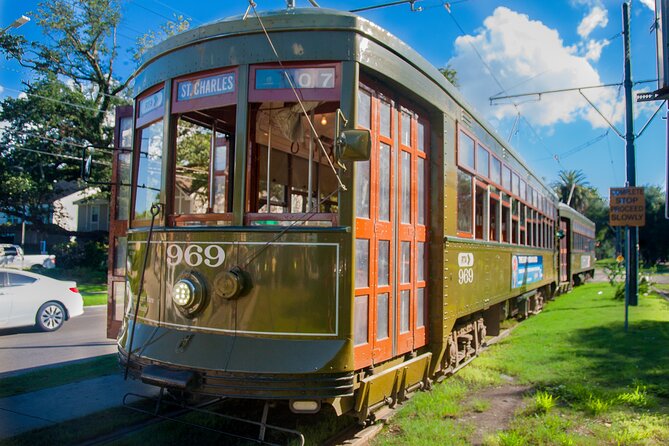
The tour starts at la Madeleine, 601 South Carrollton Avenue, and ends at 818 South Carrollton Avenue. The ending point is central to shopping and dining, with Oak Street nearby. The streetcar also passes through the area, making public transportation a practical option.
The details do not specify the exact walking distance, so wear comfortable shoes and plan for two hours on foot. New Orleans weather can be demanding, and this experience requires good weather. If poor weather cancels the walk, you are offered another date or a full refund.
Most people can participate, and service animals are allowed. The tour is near public transportation. No special access limitations are listed, but the information provided does not promise a fully accessible route or describe pavement, seating, or restroom stops.
I would schedule it for a time when you can stay alert and listen. Carrollton’s appeal lies in details, names, and connections. A rushed walk will make it harder to absorb the stories.
Who will enjoy this Carrollton tour?
I would choose this walk if you have already seen the main New Orleans sights and want a more local setting. It also suits repeat visitors, architecture fans, history readers, and people who like learning how ordinary businesses shaped a city.
It can work for locals, too. The tour has been enjoyed by people who lived in Carrollton for years and still learned new facts about nearby houses and properties. That is a useful sign that the content goes beyond a basic orientation walk.
Families with older children may find the unusual details appealing, especially the banana-built house, riverboat captains, old industries, and streetcar connections. Younger children who need constant action may find two hours of architecture and social history less engaging.
You should also consider your expectations. This is not a food tour, a ghost tour, or a nightlife outing. It is a thoughtful neighborhood walk led by someone who cares about Carrollton and can explain how its past still shows up on the street.
Should you book the Historic Carrollton Neighborhood Walking Tour?
Book it if you want to see a side of New Orleans beyond the usual tourist routes. The best reasons are Emily’s local storytelling, the small group size, and the broad range of subjects, from architecture and the Civil War to dairies, brickyards, riverboat captains, and World’s Fair traces.
Skip it if your time in New Orleans is very short and you have not yet visited the city’s essential historic districts. For everyone else, especially repeat visitors and curious first-timers with two spare hours, $37 buys a focused and memorable look at a neighborhood that rewards attention.
FAQ
Where does the Historic Carrollton Neighborhood Walking Tour begin?
The tour begins at la Madeleine, 601 S Carrollton Avenue, New Orleans, Louisiana 70118.
Where does the tour end?
The walk ends at 818 S Carrollton Avenue, New Orleans, Louisiana 70118.
How long is the tour?
The walking tour lasts approximately two hours.
How much does the tour cost?
The listed price is $37 per person.
Is the tour offered in English?
Yes. The tour is offered in English.
How large is the tour group?
The tour has a maximum of 14 participants.
Is public transportation available near the tour?
Yes. The meeting area is near public transportation, and the streetcar rolls by near Oak Street.
Are service animals allowed?
Yes. Service animals are allowed.
What happens if bad weather cancels the tour?
If poor weather causes a cancellation, you will be offered a different date or a full refund. You can also cancel for a full refund if you do so at least 24 hours before the start time. Cancellations within 24 hours are not refunded.
Newest New Orleans tours we have written up
- New Orleans : Garden District Architecture Walking tour★ 4.8 · 5 reviews
- Ultimate Denver Day Out: Red Rocks, City Views & Ice Cream★ 5.0 · 7 reviews
- From New Orleans: Whitney and Laura Guided Plantation Tour★ 4.9 · 20 reviews
- Whitney Plantation and Soul of New Orleans City Tour Combo★ 5.0 · 13 reviews
- Treme Bar Crawl & Seafood Experience★ 4.2 · 7 reviews
- True Voodoo History of NOLA’s Congo Square with Local Guide★ 4.9 · 16 reviews
- Whitney Plantation Tour with Transportation★ 4.0 · 29 reviews
- Witches Coven Walking Tour in New Orleans★ 5.0 · 49 reviews
Historical Tours, compared.
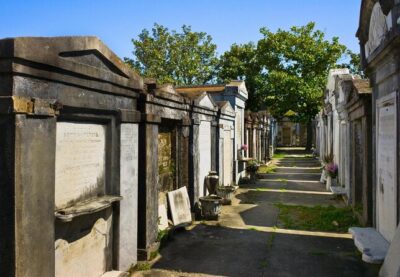
New Orleans Garden District History Walking Tour
Read our review →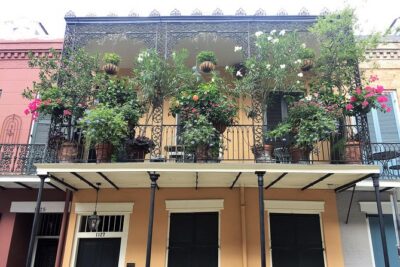
French Quarter Historical Sights and Stories Walking Tour
Read our review →
New Orleans Small-Group Haunted History Carriage Tour
Read our review →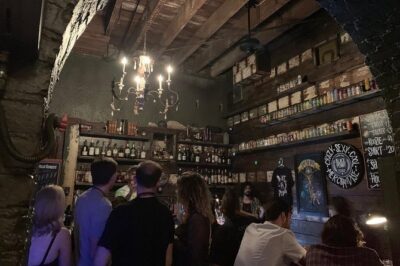
Paddlewheeler Creole Queen Historic Mississippi River Cruise
Read our review →
Creole Queen History Cruise with Optional Lunch
Read our review →
Browse the lists this tour appears in