
Reviewed · NEW ORLEANS PLANTATION TOURS
Laura Creole Plantation Guided Tour
Laura Plantation is not just a pretty old house. Its guided tour connects the furnished main house, original slave cabins, gardens, and sugar fields with the lives of the free and enslaved people who lived and worked here. I especially like the family records and memoirs that help give the tour a human voice, and the way guides such as Cameron, Lee, Pam, Amelia, and Joseph bring different parts of the story into focus.
I also like that the tour deals directly with slavery instead of treating plantation life as a polite story about architecture and family wealth. The main drawback is getting there: Laura is about an hour from New Orleans, and transportation can cost more than the admission if you cannot drive yourself. Hot weather, fast pacing, and limited access upstairs are other points to consider.
Key points to know before you go
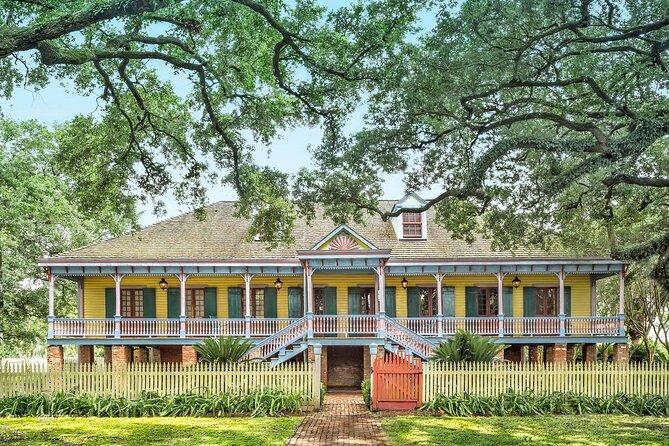
- The tour lasts about 70 minutes, with the main house, gardens, and original 1840s slave cabins included.
- Creole family history drives the story, drawing on Laura Locoul’s memoir and records held in French archives.
- The slavery discussion is part of the main tour, not an optional side note.
- The grounds are beautiful but partly outdoors, so wear walking shoes and dress for the weather.
- The price is $32.06 per person, a fair cost for a fully guided historic site, but transportation from New Orleans is separate.
- Groups are capped at 28 people, though smaller groups can make it easier to ask questions.
Why Laura Plantation tells a different Louisiana story
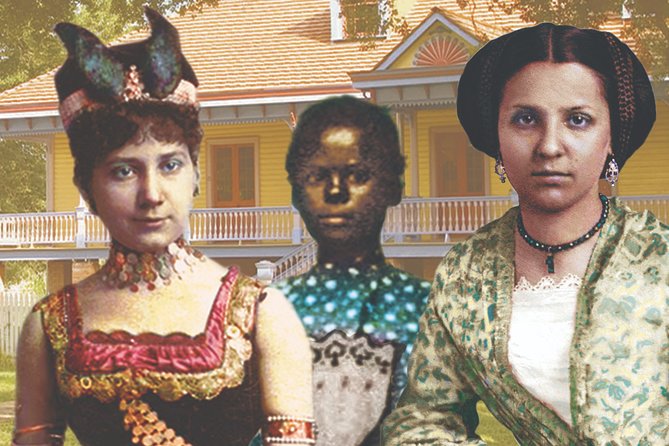
Laura Plantation was founded in 1804 by the French-descended Duparc family. Four generations of the family lived here, and their story unfolded through the changing rules and customs of French colonial Louisiana, American statehood, and the long aftermath of slavery.
That family connection gives the visit a clear structure. You are not simply walking through a collection of old rooms. You are following people across generations, including the owners, relatives, workers, and enslaved people whose labor kept the plantation operating.
The property is listed on the National Register of Historic Places and the Louisiana African American Heritage Trail. Those designations matter, but they do not tell you what the visit feels like. The value comes from seeing the place itself while a guide explains how the buildings and grounds fit together.
Laura also has unusually detailed records. Much of the family story comes from the memoir of fourth-generation resident Laura Locoul, along with documents found in the French National Archives. These sources help the guide move beyond broad statements about plantation life and talk about particular people, family relationships, and decisions.
That does not mean every question about enslaved life is answered. The amount of detail can vary with the guide and the pace of the group. If your main interest is the daily routine, personal lives, and resistance of enslaved people, listen closely and ask direct questions when the guide pauses.
More Laura Plantation tours:
- Small-Group Laura and Whitney Plantation Tour from New Orleans
★ 4.5 · 446 reviews - Oak Alley or Laura Plantation Tour from New Orleans
★ 4.5 · 377 reviews - Oak Alley and Laura Plantation Tour with Transportation from New Orleans
★ 4.5 · 324 reviews
Arriving from New Orleans along the Mississippi
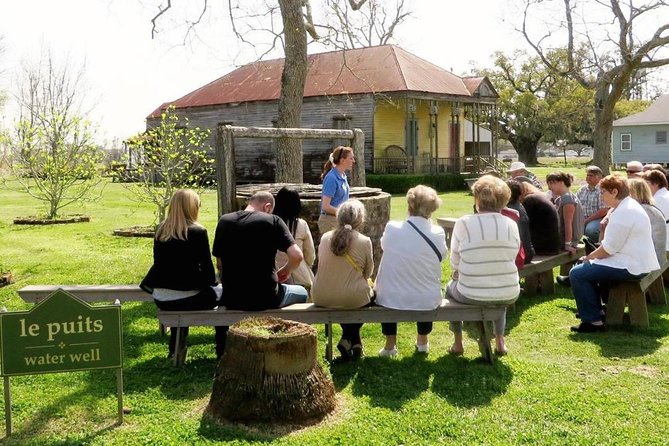
Laura Plantation is at 2247 LA-18 in Vacherie, roughly an hour from New Orleans by car. The drive follows the Great River Road along the Mississippi, making the plantation a practical day trip if you are already planning to visit other historic sites in the area.
You make your own way to the plantation. Hotel pickup and drop-off are not included. If you need transportation, partner operators can provide it, but the cost varies and can be much higher than the admission itself. I would check that price before booking, especially if you are traveling alone or with a small group.
The site has parking for cars and buses. Confirmation arrives at booking, and the activity ends back at the plantation. Booking about three to four weeks ahead is sensible, since the tour is often reserved around 25 days before the visit and preferred times can fill.
Allow extra time beyond the 70-minute guided visit if you want to see the small museum, gift shop, or other sites along the Great River Road. The guided portion has a firm rhythm, so you may not have much time to stop and study every object as closely as you would like.
The main house: architecture with people attached
The Maison Principale is a furnished 24,000-square-foot house. The tour includes the ground floor, where your guide explains the building, the family who lived there, and the work required to maintain a sugar plantation.
The house is attractive, but its real purpose on the tour is to show the contrast between the lives of the people who owned the property and those who were forced to work there. Rooms, furnishings, and architectural details become evidence of social rank and daily routine rather than decoration alone.
Pay attention as you move through each room. One practical tip is to look carefully while you are there because you may not be allowed to return for a second look after the group moves on. This matters in a guided tour, where the pace is set by the schedule and the next group may be waiting.
The strongest guides give the family story a personal shape. Amelia has been praised for her close study of the period, while Cameron has a gift for explaining Creole culture and the lives of both free and enslaved people. Joseph has been described as both entertaining and well informed, which can make a long stream of names and dates easier to follow.
Guide quality is part of the experience, and it can vary. A few visitors have found the pace too fast or the speech hard to follow, particularly where fans or other noise interfere. If you miss a point, ask for clarification rather than letting the story run past you.
The cabins make the history harder to ignore
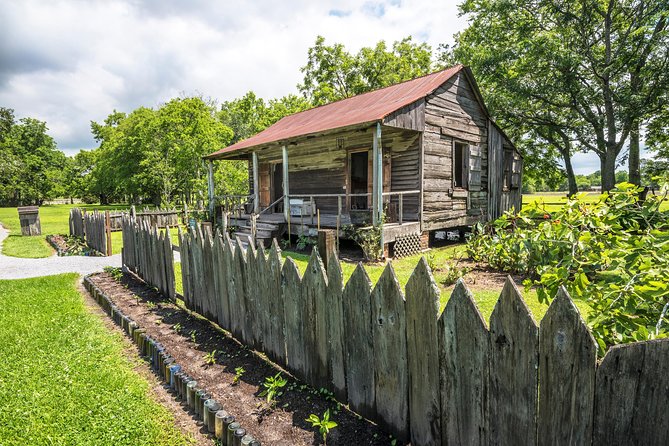
The original 1840s slave cabins are among the most important parts of the visit. They shift the focus away from the main house and toward the people whose labor made the plantation profitable.
The cabins are not presented as neutral old buildings. The tour addresses the reality of slavery in French colonial and American Louisiana through the end of the 19th century. You hear about free and enslaved people connected to the plantation, and you can ask about how the system shaped work, family life, and social position.
Some visitors want more detail about ordinary life in the cabins, including food, family relationships, working hours, and personal choices. The tour is moving in this area, but it may not answer every question at the depth you hope for. Ask specific questions, particularly if your interest is centered on the enslaved community rather than the owners.
I appreciate that the interpretation does not erase slavery behind elegant rooms and gardens. At the same time, the site still gives considerable attention to the Duparc family and the business side of the plantation. That balance is useful if you want to understand how wealth, culture, architecture, and forced labor were connected.
The tour also points toward the longer story of inequality. It does not stop with the plantation period, and some guides connect the unfairness of that system with problems that continue today. The tone is serious without turning the visit into a lecture detached from the place itself.
More River Road plantation tours:
- Swamp Boat Ride and Oak Alley Plantation Tour from New Orleans
★ 5.0 · 3,303 reviews - Oak Alley Plantation Tour with Transportation from New Orleans
★ 4.5 · 1,747 reviews - Whitney Plantation Tour with Transportation from New Orleans
★ 4.5 · 1,351 reviews - Airboat and Plantations Tour with Gourmet Lunch from New Orleans
★ 4.5 · 1,246 reviews
Gardens, sugar fields, and the outdoor portion
After time in the house and cabins, the tour includes the gardens and sugar fields. This outdoor section helps you see the plantation as a working property, not just a historic residence.
You should expect walking on the grounds and some exposure to sun, heat, rain, or other weather. Good walking shoes are a wise choice. The tour operates in all weather conditions unless poor weather forces cancellation, so check the forecast and dress accordingly.
The gardens are appealing, but their value is more than visual. They help explain the setting in which the family lived and the work carried out by enslaved people. Look around as you walk, since there may be trees, plants, and features that are easy to miss while listening to the guide.
The outdoor portion can be one of the more relaxed parts of the visit, but the schedule may not leave time to wander at your own speed. One visitor felt the property could not be explored independently after the tour. If you want plenty of unhurried time in the gardens, ask at arrival what areas remain open after your group finishes.
Creole culture beyond the plantation label
Laura Plantation is especially useful for understanding that Creole does not simply mean French. Louisiana Creole culture developed over more than 200 years and reflects the interactions of French-descended families, African people, enslaved communities, free people of color, and other groups shaped by colonial and American rule.
The tour places the Duparc family within that setting. You learn about the family’s origins, the changing society around them, and the ways language, family ties, law, and status affected life in Louisiana.
The term Creole can be confusing because its meaning changes with context. A good guide can help you sort through those layers without reducing the subject to a single definition. Lee, Pam, and other guides have been praised for explaining both the plantation’s working life and what it meant to be Creole in this part of Louisiana.
This is also where Laura’s documentary record helps. The memoir and archival material give the guide something concrete to work with, rather than relying only on general facts about antebellum plantations.
How much does the $32.06 admission buy you?
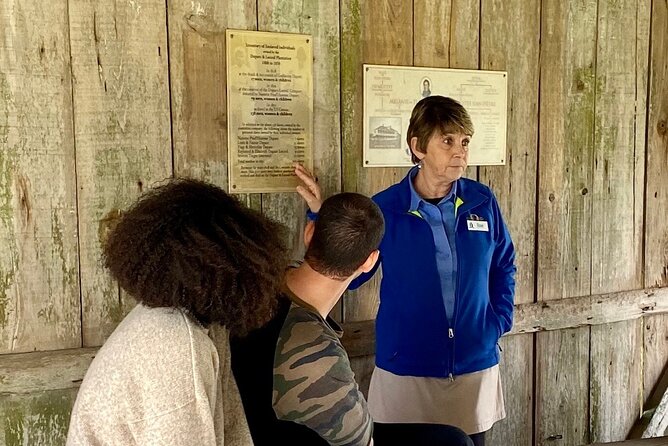
At $32.06 per person, Laura Plantation is not the cheapest short attraction near New Orleans. The ticket covers a fully guided visit of about 70 minutes, including the main house, gardens, and original slave cabins. A local guide is included, while food, drinks, and transportation are extra.
For me, the price is reasonable if you value interpretation. You are paying for access to a preserved site and for a guide who can connect documents, buildings, family members, and the enslaved community into one story. The value is less convincing if you want a long self-guided visit or a full-day experience at a single price.
Transportation is the big budget issue. If you drive, the admission looks much more attractive. If you hire a transfer from New Orleans, calculate the complete cost before deciding. The transportation may cost more than the plantation ticket, especially for a small party.
The site also has a gift shop and a small museum. Snacks and drinks are available for purchase, which is useful because the tour includes outdoor walking and the drive from New Orleans takes time.
Group size, access, and comfort
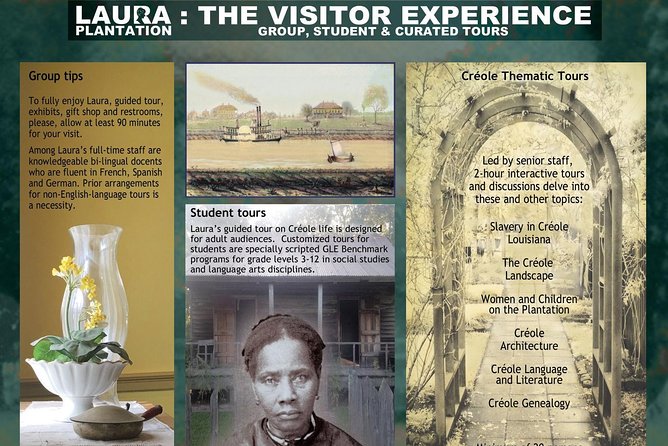
The maximum group size is 28 people. That is large enough to affect where you stand and how easily you can ask questions, but it is not an enormous coach group. Some departures may be much smaller, and a very small group can feel almost private.
Only the ground floor of the main house is ADA accessible. The tour also includes outdoor areas and original cabins, so check with the plantation before booking if you need detailed information about surfaces, distances, or access beyond the stated ground-floor provision.
Service animals are allowed, and most people can take part. There is no special fitness requirement listed, but you should be comfortable walking outdoors for part of the visit. Heat and humidity can make the experience tiring, especially in summer.
The tour is offered daily in English and French. The booking information identifies English as the available language for this experience, so confirm your preferred language when reserving.
A practical plan for making the most of the hour
I would arrive a little early. Use the time to find the restrooms, look over the grounds, and visit the museum or shop if they are open before your departure. Once the tour begins, the schedule may not allow you to backtrack.
Bring water, a hat, and shoes suitable for walking. Food and drinks are available for purchase, but you should not count on the guided tour stopping for a snack.
Listen for names and relationships in the first part of the tour. The story follows four generations, so it can become confusing if you treat it as a list of dates. When a guide explains how a person fits into the family or the enslaved community, that connection usually helps the rest of the visit make sense.
Save your most important questions for natural pauses. Ask about daily life in the cabins, the plantation’s sugar production, the legal status of free people, or the sources used to tell a particular story. Guides such as Pam, Cameron, Lee, Amelia, and Joseph have each been praised for explaining details and answering questions, though delivery can differ from one departure to another.
Afterward, consider continuing along the Great River Road to visit other plantations. Laura works well as part of a larger day, but you should avoid scheduling the next attraction too tightly. The drive, weather, and the pace of the visit can all add time.
Should you book Laura Plantation?
I would book this tour if you want a serious, guided look at Creole Louisiana and are willing to face the plantation’s history honestly. The combination of a furnished main house, original slave cabins, family records, gardens, and sugar fields gives you more than a quick photo stop.
It is a particularly good choice for people interested in architecture, genealogy, Louisiana culture, and the history of slavery. The tour also suits families with older children who can engage with difficult subjects. Guides often make the story accessible, but the subject matter is not light entertainment.
I would think twice if you cannot manage outdoor walking, need extensive access beyond the ground floor, or expect a long, self-paced museum visit. I would also compare transportation costs before booking from New Orleans.
Book at least several weeks ahead if your schedule is fixed. You can cancel for a full refund up to 24 hours before the start time. Changes or cancellations inside that window are not refunded, and poor weather may lead to another date or a full refund.
FAQ
How long does the Laura Plantation tour last?
The guided tour lasts approximately 1 hour and 10 minutes. It includes the main house, gardens, and original 1840s slave cabins.
How far is Laura Plantation from New Orleans?
Laura Plantation is roughly an hour’s drive from New Orleans along the Great River Road.
Is transportation from New Orleans included?
No. You make your own way to 2247 LA-18 in Vacherie, Louisiana. Hotel pickup and drop-off are not included.
What language is the tour offered in?
Tours are offered daily in English and French. The booking information for this experience lists English.
What does the tour cover?
The visit covers the furnished Maison Principale, gardens, sugar fields, and original 1840s slave cabins. It explains four generations of a Louisiana Creole family and the lives of free and enslaved people connected to the plantation.
Is Laura Plantation accessible to wheelchair users?
Only the ground floor of the main house is ADA accessible. Part of the tour takes place outdoors, so contact the plantation if you need more access details.
Can I cancel for a full refund?
Yes. You can cancel at least 24 hours before the start time for a full refund. Cancellations or changes made less than 24 hours before the experience are not refunded. If poor weather causes the plantation to cancel, you can receive a different date or a full refund.
Newest New Orleans tours we have written up
- 45-Minute Garden District Highlights Tour in New Orleans★ 5.0 · 33 reviews
- 45-Minute Marigny Triangle Highlights Tour in New Orleans★ 5.0 · 12 reviews
- New Orleans City and Swamp Helicopter Tour★ 5.0 · 9 reviews
- 20 Passenger New Orleans Airport or Hotel Transfer★ 5.0 · 6 reviews
- Private New Orleans 2-Hour Sail Aboard a Luxury Yacht★ 5.0 · 44 reviews
- The New Orleans Darkness Tour★ 4.4 · 9 reviews
- 11 Passenger Executive Van: New Orleans Airport or Hotel Transfer★ 4.0 · 8 reviews
- Spooky Family Ghost Tour★ 3.4 · 9 reviews
New Orleans Plantation Tours, compared.
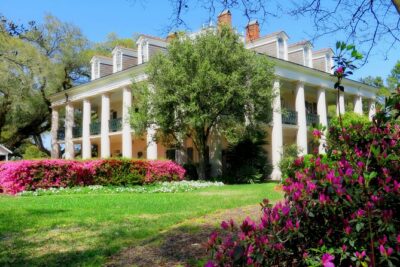
Swamp Boat Ride and Oak Alley Plantation Tour from New Orleans
Read our review →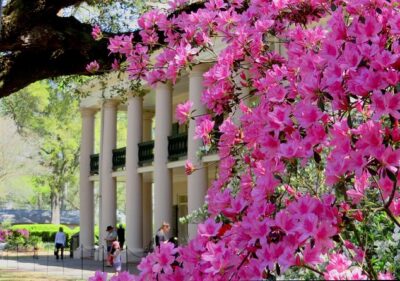
Oak Alley Plantation Tour with Transportation from New Orleans
Read our review →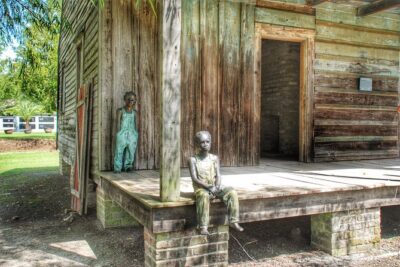
Whitney Plantation Tour with Transportation from New Orleans
Read our review →
Airboat and Plantations Tour with Gourmet Lunch from New Orleans
Read our review →
Bayou Swamp Tour and Oak Alley Plantation Tour
Read our review →
Oak Alley Plantation & Airboat Swamp Combo Tour
Read our review →
Oak Alley Plantation and Large Airboat Swamp Tour from New Orleans
Read our review →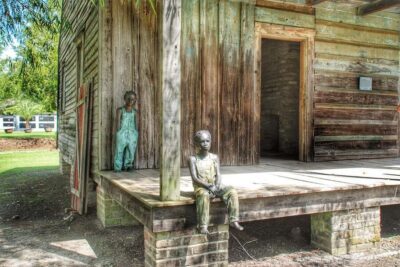
Browse the lists this tour appears in