
Reviewed · HISTORICAL TOURS
New Orleans: 9th Ward Hurricane Katrina History Tour
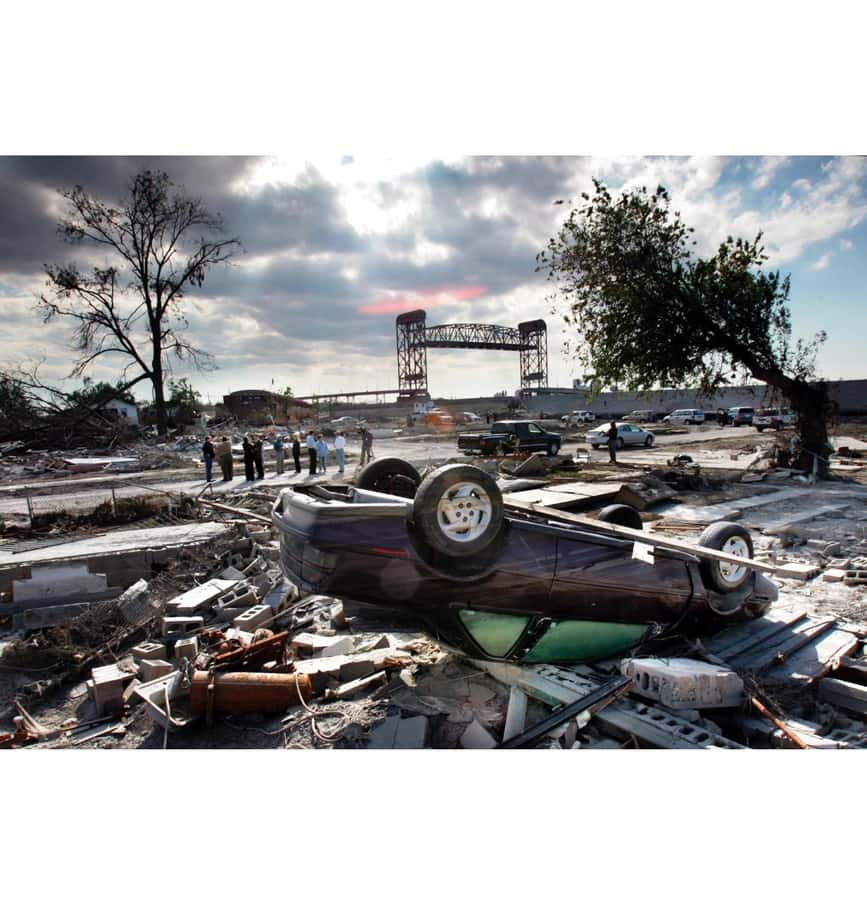
Hurricane Katrina is not a distant chapter in New Orleans. In the Ninth Ward, empty lots, rebuilt houses, levees, and memorials still tell the story. This one-hour van tour with local guide Hollis puts that story in human terms, using his connection to the neighborhoods to explain what changed before, during, and after the storm.
I like two things right away: the group is limited to seven people, so questions can shape the conversation, and the route includes real places tied to the disaster rather than just a general city overview. The drawback is the short running time. You will see a lot in 60 minutes, but this is an introduction, not a slow walking tour or a full afternoon of neighborhood exploration.
Key points to know
- A local point of view: Hollis was born and raised in New Orleans and shares personal knowledge of the communities affected by Katrina.
- The Ninth Ward in context: You see both Upper and Lower Ninth Ward areas and learn how the flooding changed homes, streets, and community life.
- Major flood sites: The route includes locations connected with levee breaches along the Mississippi River and Lake Pontchartrain.
- Rebuilding in plain view: Make It Right homes and Musicians’ Village show different efforts to bring people and housing back.
- Small-group format: With no more than seven participants, you can ask questions and may have time for short stops and photos.
- Flexible meeting arrangements: Call the operator the day before to confirm exactly where to meet.
Why the Ninth Ward belongs on your New Orleans itinerary
New Orleans is easy to enjoy as a city of music, food, parades, and old streets. Yet Katrina reshaped the city in ways you cannot understand from the French Quarter alone. The Ninth Ward tour gives you a look at the neighborhoods where floodwater destroyed homes, scattered families, and left many lots empty long after the water receded.
I value this kind of tour because it connects a major event to actual streets and houses. You are not only hearing dates and storm statistics. You are looking at foundations where homes once stood, places where water entered, and projects built to help people return.
The tone is also more personal than a large bus tour can usually manage. Hollis explains New Orleans as someone with community ties, not simply as a guide reciting a script. His own experience of riding out the storm gives the subject weight, while his local knowledge helps place Katrina within the wider culture of the city.
That personal approach does not make the tour light or easy. Some parts are sobering. You should come ready to listen, ask thoughtful questions, and give the subject the attention it deserves.
A few more New Orleans tours worth comparing
- New Orleans Garden District History Walking Tour
★ 5.0 · 2,879 reviews - French Quarter Historical Sights and Stories Walking Tour
★ 5.0 · 2,724 reviews - New Orleans Small-Group Haunted History Carriage Tour
★ 4.5 · 2,289 reviews
A one-hour route with a lot packed in
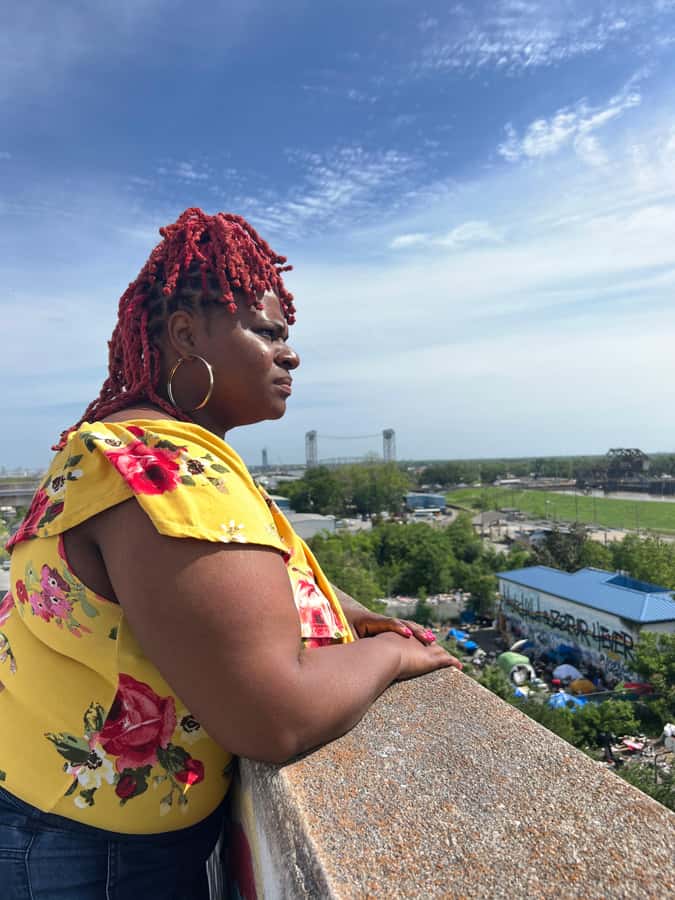
The tour lasts about one hour and uses a van, making it practical if you have limited time. A small vehicle also matters here. It can keep the group together and lets the guide talk directly with you rather than addressing a large crowd through a microphone.
The exact route can change because of weather, construction, or local events. Specific stops may be replaced with other locations. That flexibility is worth accepting, since neighborhood conditions can affect access and the operator is trying to keep the tour useful rather than force a fixed route.
Because the tour is short, you should think of it as a focused introduction. You will not have hours to wander through every district or examine each project at length. The benefit is that you can fit it into a morning or afternoon without giving up most of a day.
The tour begins and ends at the meeting point. You are asked to call the day before to confirm where to meet. Do this. One person noted that the address was connected with a restaurant that had front and back entrances, which made the pickup point unclear. A quick confirmation can save you from walking around the building looking for the van.
Seeing the levee breaches that changed the city
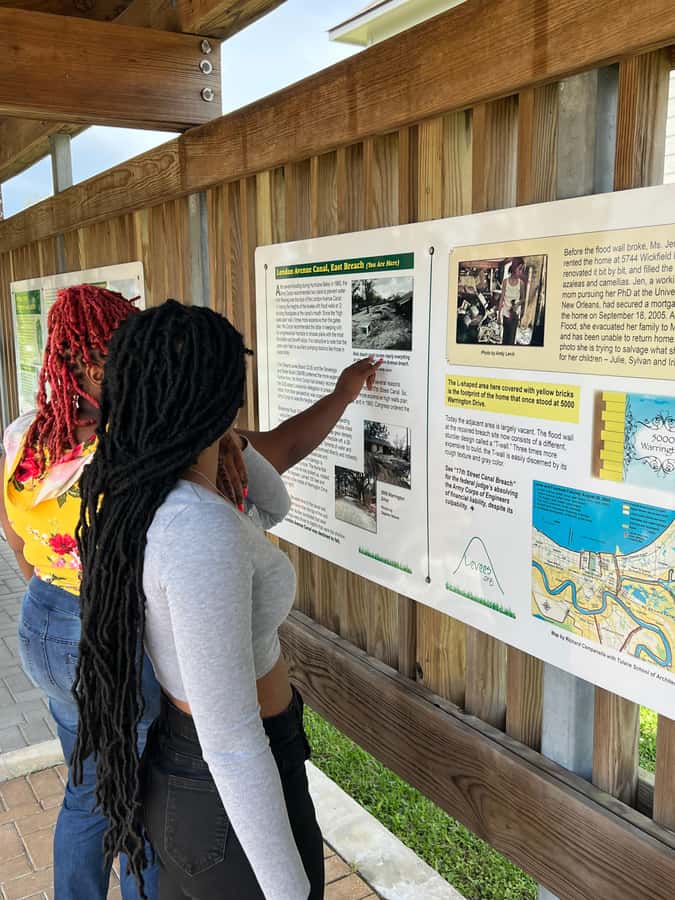
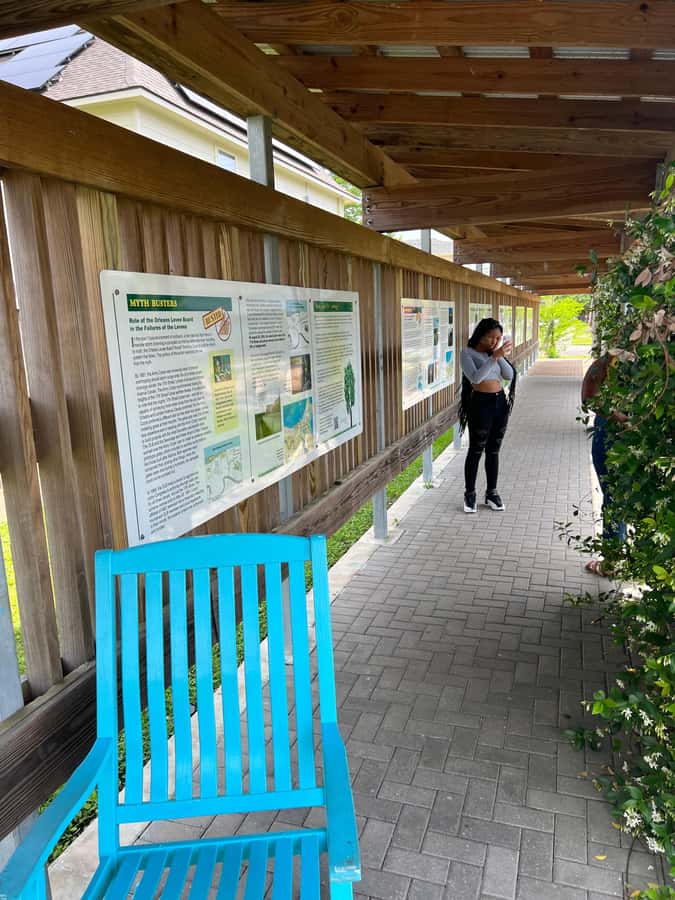
One of the most important parts of the route is seeing locations tied to the catastrophic levee breaches along the Mississippi River and Lake Pontchartrain. These are not simply scenic stops. They help explain why certain neighborhoods flooded and why the damage was so severe.
From the van, Hollis connects the physical setting with the storm’s effect on homes and streets. In some places, you may stop so you can look around, take photographs, or see how high the water reached on buildings. The exact stopping points can vary, but the purpose is clear: to help you picture the event on the ground.
This is where a local guide makes a real difference. A map can show a breach, but a guide can explain how the water affected a neighborhood and its people. Hollis has been praised for explaining both the Upper and Lower Ninth Ward and for answering questions in a way that goes beyond a list of facts.
You may also see empty parcels and foundations left behind after houses were removed or never rebuilt. These details can be more revealing than a large monument. They show the long period after the storm, when cleanup, insurance problems, government decisions, and the ability to return shaped what happened next.
The Ninth Ward and the human cost of Katrina
The Ninth Ward is often discussed as a symbol of destruction, but it was also a close community with its own culture and identity. The tour works best when it gives you both sides: the damage and the people who lived there before and after the storm.
Hollis describes what the area was like before Katrina and how much changed afterward. That comparison is valuable because it keeps the neighborhood from becoming a backdrop for disaster tourism. You get a sense of a lived-in community, not just a collection of abandoned houses and vacant lots.
Several people who took this tour found the personal stories more lasting than the formal facts. That makes sense. Hearing how a local person experienced the storm can help you understand why recovery has taken so long and why rebuilding is about more than replacing houses.
The tour also raises difficult questions about public policy and who received help. You may leave thinking about government response, the uneven pace of recovery, and the way major disasters affect communities with fewer resources. This is not a reason to avoid the tour. It is one reason to take it seriously.
A different side of New Orleans for another evening:
- New Orleans Premier Ghost, Voodoo and Vampire Walking Tour
★ 4.5 · 12,856 reviews - New Orleans Steamboat Natchez Jazz Cruise with Dinner Option
★ 4.0 · 7,533 reviews - Adults-Only New Orleans Ghost, Crime, Voodoo, and Vampire Tour
★ 5.0 · 6,545 reviews - New Orleans Food Walking Tour of the French Quarter with Small-Group Option
★ 5.0 · 6,118 reviews
The Katrina Memorial at Old St. Claude Hospital
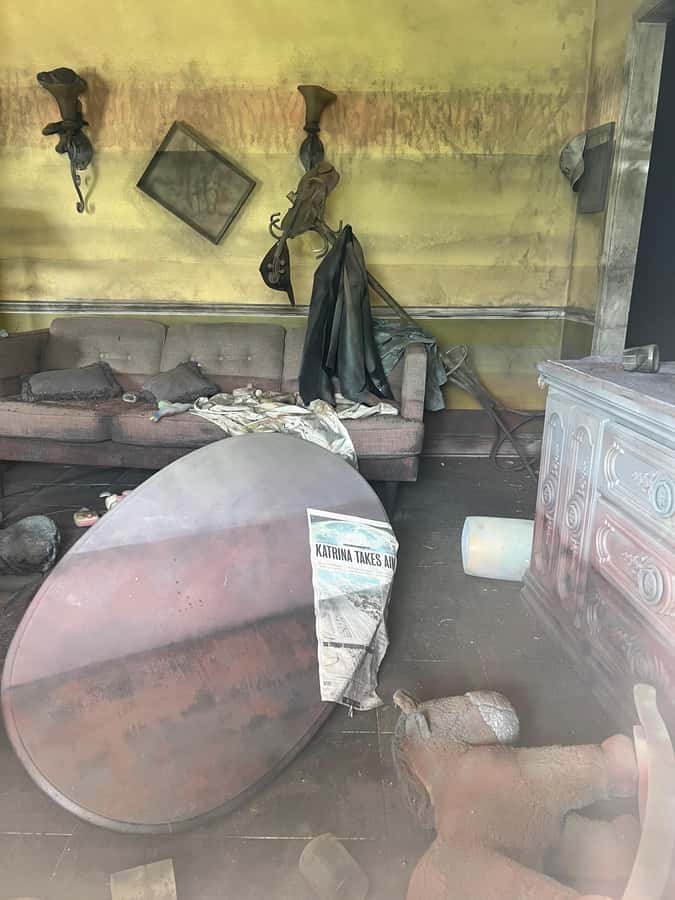
The Hurricane Katrina Memorial is located at the old St. Claude Hospital in the Ninth Ward. It provides a more formal place to pause after seeing the neighborhoods themselves.
The memorial is a useful part of the route because it gives the tour a moment of reflection. After passing damaged sites, empty lots, and rebuilding projects, a memorial helps focus attention on the people affected by the storm.
Do not expect a long visit. The tour only lasts an hour, and the route may change. Still, even a short stop can add meaning to the drive. It reminds you that Katrina was not only about property loss or engineering failures. It was also about lives disrupted and families forced to leave.
Make It Right homes and Musicians’ Village
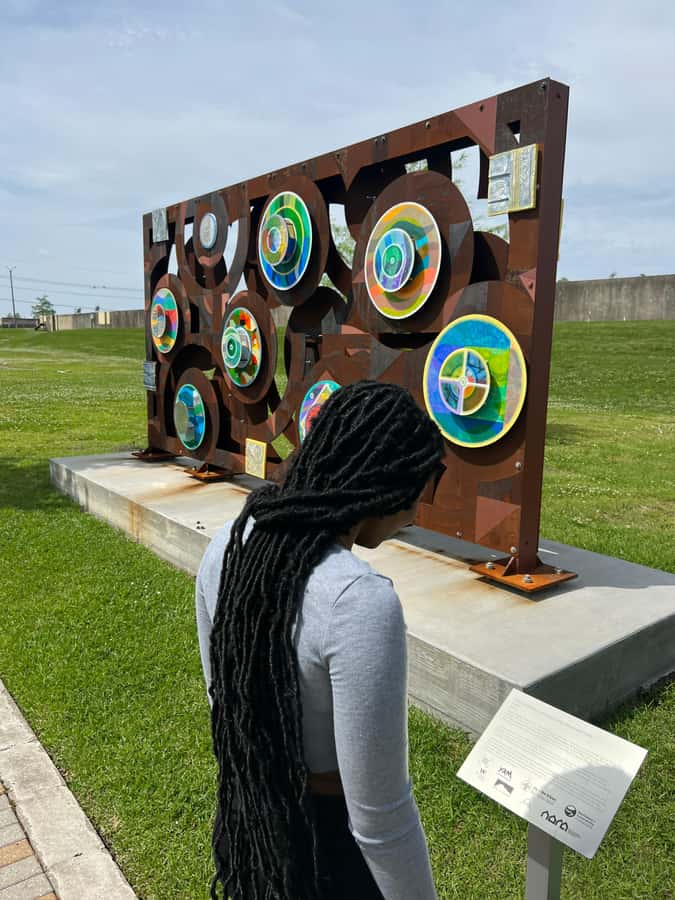
The rebuilding projects add an important second half to the story. Make It Right homes and Musicians’ Village show attempts to create new housing and support the return of residents.
These projects are useful stops because they move the tour beyond destruction. You see how organizations and communities tried to respond, while also learning that rebuilding does not erase the problems left by the storm.
Make It Right homes are associated with post-Katrina rebuilding in the Lower Ninth Ward. Musicians’ Village connects recovery with New Orleans culture, especially the city’s long musical tradition. Together, the projects show that recovery includes housing, culture, identity, and the hope of bringing families back.
The tour does not promise a full architectural or planning study, so you should not expect detailed access to every development. Instead, Hollis uses these places to explain what recovery looks like on the ground and why some efforts succeeded more than others.
A stop connected with Fats Domino
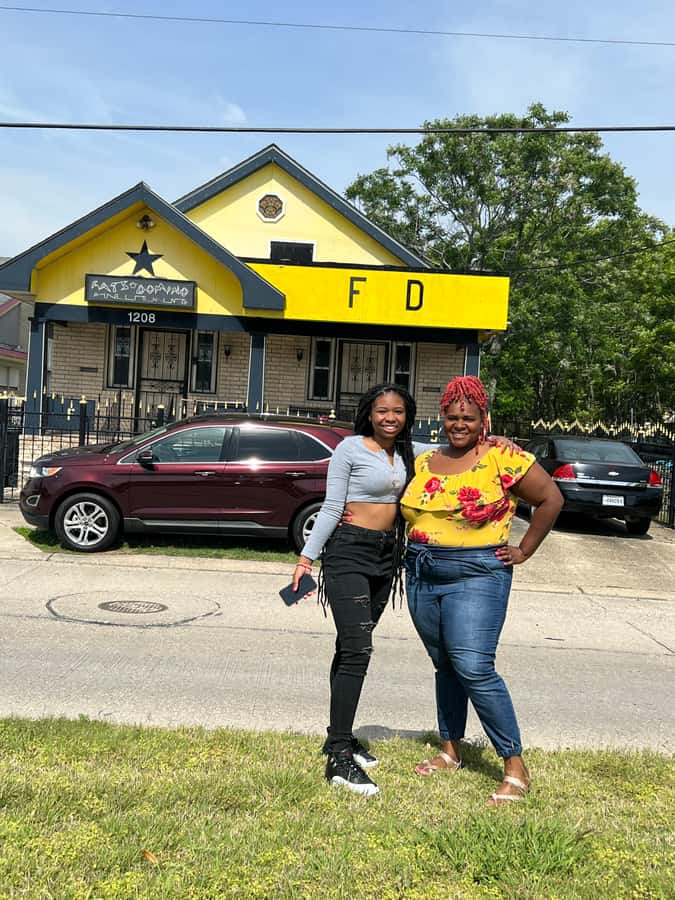
The route includes a stop at Fats Domino’s home. The legendary musician is a fitting figure for this tour because his name links New Orleans music with the Ninth Ward and its cultural memory.
This stop gives the tour a personal and cultural touch. Katrina damaged more than buildings. It threatened the places and traditions that helped define New Orleans. Seeing the home of a major local musician brings that point into focus.
The stop is for viewing from the route, not a museum visit or an opportunity to enter the property. Keep your expectations simple: you are seeing a meaningful local landmark while Hollis explains its connection to the city.
Why the small group changes the experience
The group limit is seven people, one of the strongest features of this outing. A small group gives you more room to ask questions and makes it easier for the guide to adjust the explanation to the people in the van.
The format also allows for occasional stops and short walks when conditions permit. One participant described being able to wander near a levee and touch it, while others appreciated having time for photos and even getting help taking pictures. Those moments are not guaranteed at every stop, especially since the route can change, but the small group makes them more possible.
You should also expect conversation rather than a one-way lecture. Questions about the storm, the neighborhoods, local culture, and the rebuilding process can become part of the tour. If you want a silent ride with only a fixed audio script, this may not be your best choice.
Hollis is often the guide, and his connection to the city is central to the experience. Some information refers to him as Hollis or Hollister, but the tour is operated by Treme Luxury Experience Tours & Transportation. The guide’s local background is one of the main reasons to choose this option over a large general city tour.
What $25 gets you
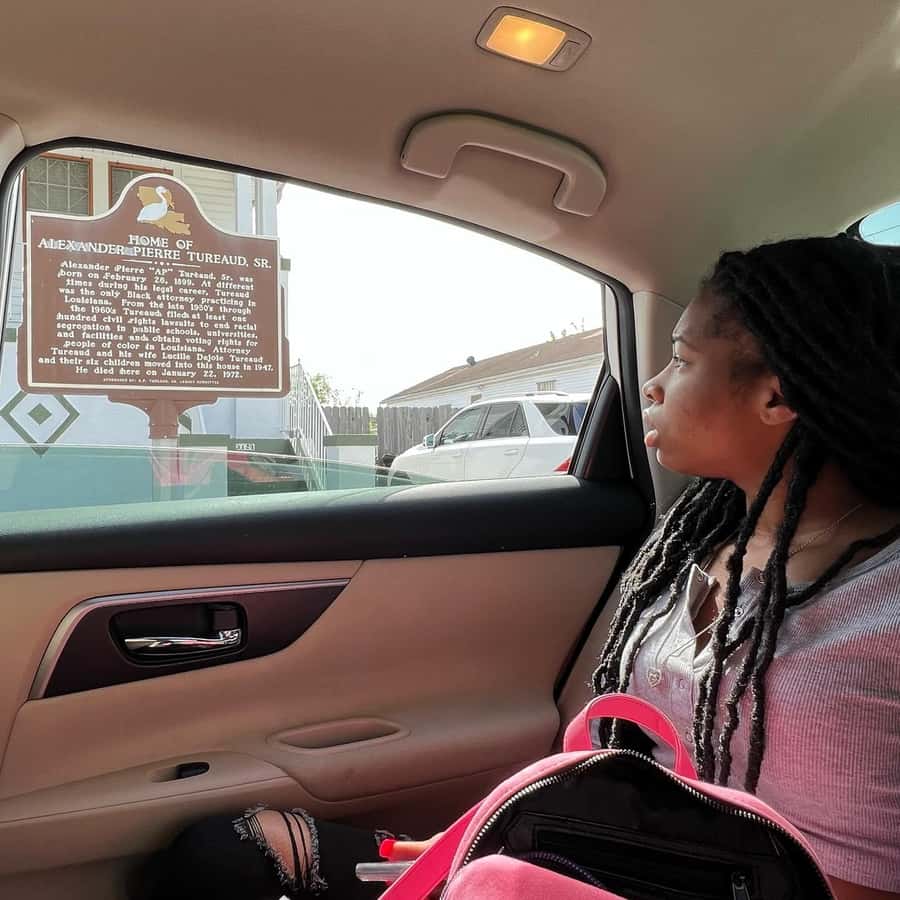
At $25 per person, this is a strong value if you want focused context and a local perspective. You receive about an hour in a small van, with a guide who explains several important sites and the continuing effects of Katrina.
The price is especially reasonable for a short add-on to a New Orleans visit. You can fit it between meals, museums, or music venues, and it does not demand the time commitment of a half-day outing.
Value depends on what you want. If you are looking for polished entertainment, lots of photo stops, or a long sightseeing route, this tour may feel brief. If you want to understand a part of New Orleans that many visitors never see, the cost is modest for the access and conversation it provides.
The booking terms add flexibility. You can reserve and pay later, and cancellation is free up to 24 hours before the tour. Starting times vary, so check availability when you book.
Who should take this tour
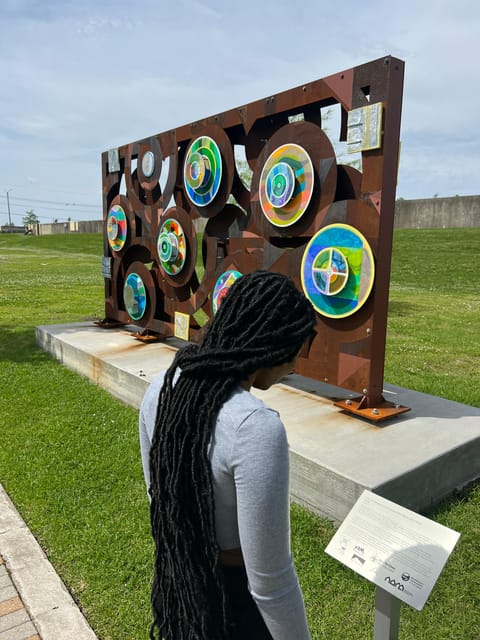
I would recommend this tour to anyone who wants the city’s modern history included in a New Orleans visit. It suits first-time visitors who have already seen the French Quarter, as well as returning visitors who want a fuller picture of the city.
It is a good fit for:
- People interested in Katrina, disaster recovery, and local government response
- Visitors who prefer small groups and direct conversation
- Anyone who wants to support a locally connected guide
- Families with older children who can engage with a serious subject
- Photographers interested in neighborhoods, memorials, levees, and rebuilding
- Visitors with only an hour to spare
The subject may not suit young children or anyone seeking a light sightseeing outing. The route includes loss, displacement, and visible reminders of destruction. I would avoid treating it as a casual photo safari. Listen first, photograph respectfully, and let the guide set the tone.
Practical advice before you go
Call the operator the day before to confirm the meeting location. This is the most useful practical tip, since the pickup address may have more than one entrance.
Wear comfortable clothes and shoes if you are told there will be a short stop outside the van. The tour is mainly vehicle based, but some stops may give you a chance to walk, take photos, or look closely at a levee or memorial.
Bring questions. The small group makes this a better experience when you take part in the discussion. You might ask how the neighborhood changed before and after Katrina, what rebuilding projects were intended to do, or how the city’s cultural life was affected.
Allow for route changes. Weather, construction, and local events can lead to substituted stops. That means you should not book this expecting one exact sequence of locations. The main subject remains the same, but the route is flexible.
Should you book the Ninth Ward Hurricane Katrina tour?
Book it if you want to understand New Orleans beyond its famous food, music, and historic streets. For $25, you get a focused one-hour ride through important Katrina sites, a small group, and a local guide who can connect the physical evidence to community life.
Skip it if you want a long, leisurely tour or if you are not ready for a serious look at loss and recovery. The route is short, the meeting details need confirmation, and some stops can change.
For most visitors who want a more honest picture of New Orleans, I think it is worth fitting into the schedule. Hollis’s personal connection, the Ninth Ward stops, the levee sites, the memorial, and the rebuilding projects give you something a standard city tour cannot: a direct look at how Katrina still shapes the city.
FAQ
How long is the Ninth Ward Hurricane Katrina tour?
The tour lasts one hour. Check availability for current starting times.
How much does the tour cost?
The listed price is $25 per person.
Who leads the tour?
The tour is led in English by a local guide, commonly identified as Hollis, from Treme Luxury Experience Tours & Transportation.
What places does the tour visit?
The route may include the Ninth Ward, levee breach locations along the Mississippi River and Lake Pontchartrain, the Hurricane Katrina Memorial at Old St. Claude Hospital, Make It Right homes, Musicians’ Village, and Fats Domino’s home.
How many people are in the group?
The tour is limited to seven participants.
Can the route or stops change?
Yes. Weather, construction, and local events can cause the route to change or specific stops to be replaced with alternatives.
Newest New Orleans tours we have written up
- 45-Minute Garden District Highlights Tour in New Orleans★ 5.0 · 33 reviews
- New Orleans City and Swamp Helicopter Tour★ 5.0 · 9 reviews
- 45-Minute Marigny Triangle Highlights Tour in New Orleans★ 5.0 · 12 reviews
- 20 Passenger New Orleans Airport or Hotel Transfer★ 5.0 · 6 reviews
- Private New Orleans 2-Hour Sail Aboard a Luxury Yacht★ 5.0 · 44 reviews
- 11 Passenger Executive Van: New Orleans Airport or Hotel Transfer★ 4.0 · 8 reviews
- The New Orleans Darkness Tour★ 4.4 · 9 reviews
- Spooky Family Ghost Tour★ 3.4 · 9 reviews
Historical Tours, compared.
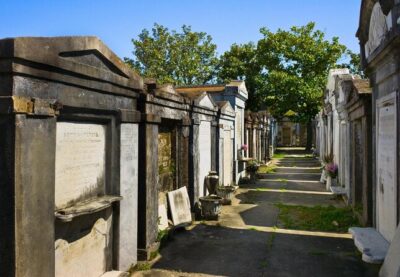
New Orleans Garden District History Walking Tour
Read our review →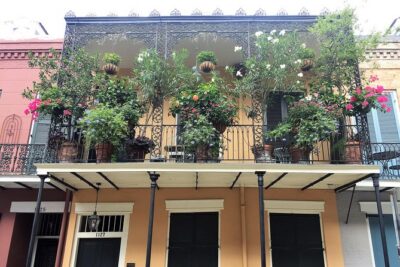
French Quarter Historical Sights and Stories Walking Tour
Read our review →
New Orleans Small-Group Haunted History Carriage Tour
Read our review →
Paddlewheeler Creole Queen Historic Mississippi River Cruise
Read our review →
Creole Queen History Cruise with Optional Lunch
Read our review →
Browse the lists this tour appears in