
Reviewed · NEW ORLEANS JAZZ AND LIVE MUSIC TOURS
New Orleans Culture Second Line Tour in NOLA
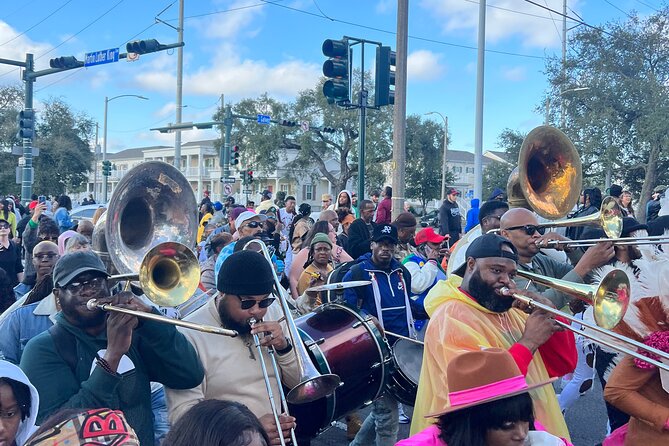
New Orleans Second Line parades turn a neighborhood street into a moving brass concert, and this tour puts you close to the music, dancing, and local customs. King Hollis Burton adds the story behind Mardi Gras Indians, Social Aid & Pleasure Clubs, Congo Square, and the traditions that shaped Tremé.
I like the chance to see a real neighborhood outside the French Quarter, and I like that the tour treats the parade as living culture rather than a staged show. The main caution is practical: you may walk quickly over uneven ground, and once the band starts, it can be hard to hear the guide or keep the group together.
Key things to know before you book
- The parade is the main event: You join a moving Second Line with brass music, dancing, and local participants.
- Tremé gives the tour its setting: The route may change, but the focus remains on New Orleans traditions and community life.
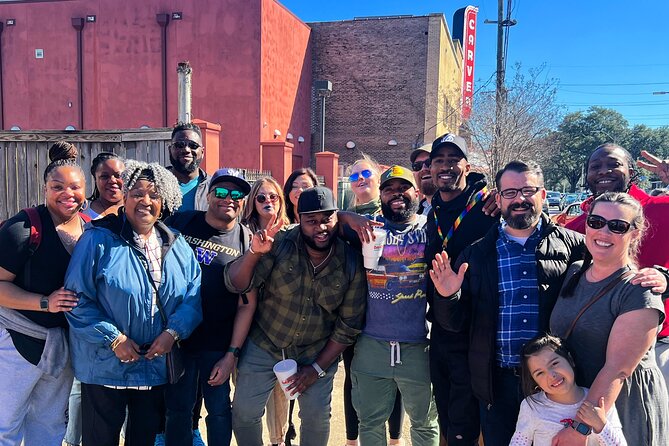
- King Hollis Burton leads the experience: He explains the background of Mardi Gras Indians, Social Aid & Pleasure Clubs, and Congo Square.
- Expect plenty of walking: Comfortable shoes matter, and you may need to move quickly to stay with the parade.
- Bring spending money: Food and drinks may be sold along the route, and cash is useful.
- The $30 pays for context and guidance: The public parade itself may be free, but this service adds a guide and organized cultural explanation.
Why a Second Line is more than a street party
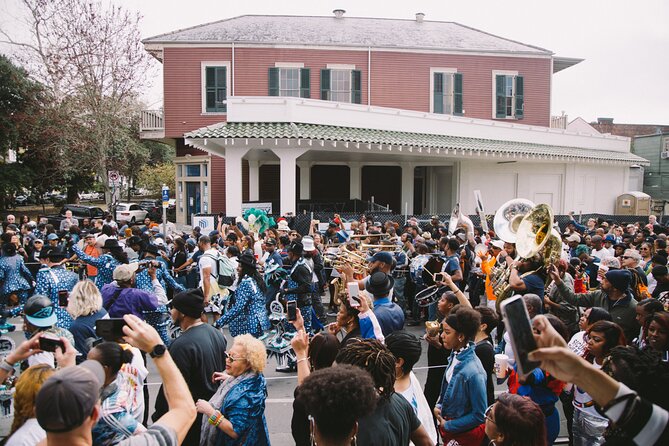
A Second Line is easy to mistake for a simple parade. You see a brass band, people dancing behind it, colorful outfits, and a crowd joining the route. The meaning runs deeper.
These processions grew from New Orleans jazz-funeral traditions, where a band led a formal procession and the people following behind formed the second line. Over time, Second Lines also became part of Sunday celebrations organized by Social Aid & Pleasure Clubs.
That background matters because the music and dancing are not just entertainment for an audience. They connect to neighborhood identity, mutual support, mourning, celebration, and local pride. This tour gives you a way to watch respectfully and understand what you are seeing.
I like that the experience places you near the activity instead of keeping you at a distance. You are not promised a private performance or a carefully controlled show. The appeal is being present while the procession moves through the city on its own terms.
More jazz and live music tours in New Orleans:
- New Orleans Steamboat Natchez Jazz Cruise with Dinner Option
★ 4.0 · 7,533 reviews - New Orleans Steamboat Natchez Jazz Cruise
★ 4.5 · 5,334 reviews - New Orleans: Evening Steamboat Jazz Cruise + Optional Dinner
★ 4.3 · 4,548 reviews
Meeting near Canal Street and heading toward Tremé
The listed meeting point is 1111 Canal Street, with the activity scheduled for Sundays from noon to 4 p.m. The tour itself lasts about two and a half hours, so the full Sunday window allows time for the gathering, walking, and parade activity.
Pay close attention to the final instructions before you leave your hotel. The meeting location can change when parade plans or local logistics require it. The operator has sent updates about such changes, but a last-minute change can create trouble if you do not check your messages.
Arrive early enough to confirm where the group is gathering. One poor experience came from going to the original address after the meeting point had changed, then rushing to the new location. That is avoidable with a quick check on the day of the tour.
The tour ends back at the meeting point. You do not need to arrange a separate return from the parade route, which makes the outing easier to fit into a Sunday schedule.
Tremé, Congo Square, and the story behind the sound
Tremé is the heart of the experience. This is where the guide connects the parade to New Orleans culture, rather than treating the procession as a colorful interruption to a sightseeing walk.
King Hollis Burton explains traditions tied to Mardi Gras Indians, including the meaning behind their elaborate clothing and public appearances. He also discusses Social Aid & Pleasure Clubs, which have played an important part in organizing community events and preserving local customs.
Congo Square adds another layer. The tour may include this historic gathering place, depending on the route and timing. It is associated with the long musical and cultural story of New Orleans, and it helps connect the city’s past with the rhythms you hear on the street today.
The exact route is not fixed. That is both a strength and a limitation. A changing route lets you follow the most active local event, but it means you cannot count on seeing every named location during every outing.
I would treat the Tremé portion as a moving introduction rather than a standard neighborhood walking tour. If your main goal is a detailed architectural tour or a long, quiet discussion of Tremé streets, this may not be the best fit. If you want history tied directly to music, people, and a live event, it makes more sense.
Joining the Sunday Second Line
The parade is the centerpiece. Brass music starts, people dance, and the group moves with the procession. You may find food and drinks sold by people along the route, and some outings include bites and drinks as part of the overall day.
The mood is social and loud. That is part of the point, but it changes how the tour works. Once the band is playing, a guide speaking at normal volume may be difficult to hear. Several people had trouble catching the explanation when they were not standing right beside Hollis.
My practical advice is to listen closely before the parade begins. Use the quieter moments to ask questions and get the historical background. During the music, focus on staying aware of the group and enjoying the street scene.
The procession can move faster than you expect. You may walk quickly to catch up, and crowded stretches can make it hard to spot the guide. Hollis is tall, but his clothing may blend into the crowd. Keep an eye on the people around you and agree on where to regroup if you become separated.
This is not a sit-down show with a clear front and back. You are part of a moving crowd. That makes the experience feel genuine, but it also requires more independence than a tightly managed sightseeing tour.
A different side of New Orleans for another evening:
- New Orleans Premier Ghost, Voodoo and Vampire Walking Tour
★ 4.5 · 12,856 reviews - Adults-Only New Orleans Ghost, Crime, Voodoo, and Vampire Tour
★ 5.0 · 6,545 reviews - New Orleans Food Walking Tour of the French Quarter with Small-Group Option
★ 5.0 · 6,118 reviews - New Orleans Swamp and Bayou Boat Tour with Transportation
★ 5.0 · 5,399 reviews
What the $30 price really buys you
At $30 per person, the tour is reasonably priced if you value the guide and the cultural background. The parade itself can be a public event, so you are not paying for admission to a fenced attraction or a private concert.
You are paying for a planned meeting point, a local guide, explanations about the traditions, and help making sense of what is happening around you. That added context can change the outing from simply watching a band pass by into understanding why the parade matters.
The value depends on what you want. If you only want to see a Second Line, you may prefer to find a public procession on your own. If you want someone to explain Mardi Gras Indians, Social Aid & Pleasure Clubs, and the connection between music and community life, $30 is easier to justify.
Food and alcohol are not included as a full meal or open bar. Bring extra money if you want to buy something along the route. Cash is a smart choice because some informal sellers may not accept cards.
One included bottled water is useful, especially since you will be walking and may be outside for much of the outing. I would still plan for the heat and bring additional water if you need it.
Walking, weather, and staying comfortable
Wear comfortable walking shoes. This is the clearest piece of advice for the day. The route can include uneven ground, and you may need to move quickly when the procession changes position.
The experience is treated as rain or shine unless severe weather causes cancellation. Bring a poncho or umbrella, especially during a season when afternoon rain is possible. A wet street does not necessarily stop the event, but it can make the walking less comfortable.
The tour is open to most people, and service animals are allowed. It is near public transportation, which helps with reaching the starting area. Still, anyone with mobility concerns should think carefully about the walking pace, uneven surfaces, crowd movement, and lack of guaranteed quiet stops.
The group can include up to 50 people. A large group is manageable at the starting point, but it becomes harder to hear and stay together once the parade gets loud. You will have a better time if you are comfortable taking responsibility for your own position in the group.
The guide’s role and the sound problem
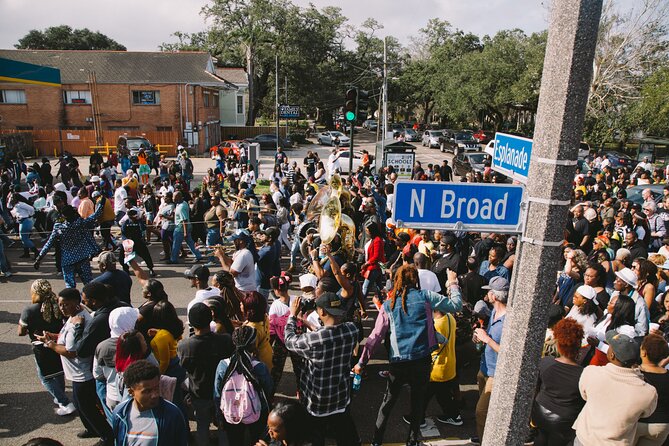
King Hollis Burton is a major part of the experience. His style is personal and outgoing, and the strongest part of the tour is his ability to connect the street celebration to local customs.
He has been praised for making people feel welcome and for teaching while the group walks. The best moments come when he has room to explain the background before the music and crowd take over.
The weak spot is volume and group control. A few people found it hard to hear him even in a small group, and the band made conversation nearly impossible once the parade was underway. A small microphone and speaker would help, but no such equipment is listed as part of the tour.
I would stand near Hollis at the beginning and ask questions before the procession gets moving. If you are mainly booking this for a lecture, you may be disappointed. If you see the explanations as an added layer on top of a lively street event, the format works better.
Who will enjoy this most
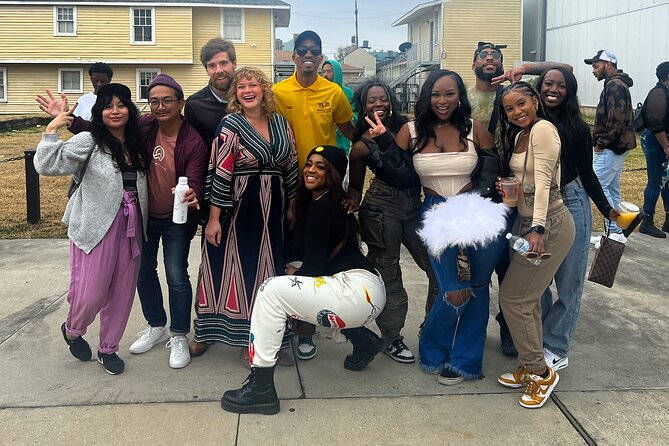
This tour suits you if you want an active, social introduction to New Orleans culture. It is especially good for people who want to get beyond the French Quarter and see music and local tradition in a neighborhood setting.
Families with older children, couples, friends, and solo visitors can all fit into the experience. The event is not built around a formal age limit, and most people can participate, but everyone should be ready for walking, noise, crowds, and an unstructured parade route.
You should choose something else if you need a quiet pace, precise timing, or a polished presentation with every stop guaranteed. The route can change, the sound can be poor, and the group may spread out.
It is also worth knowing that the parade is not a performance created solely for tour customers. That is good news if you want an authentic setting. It means you should watch with respect, follow local direction, and remember that the celebration belongs to the community.
Booking details that matter
The activity is offered in English and comes with a mobile ticket. It is usually booked about three weeks ahead, so Sunday dates can fill before your trip, particularly during popular travel periods.
The listed operating dates run through February 21, 2027, with Sunday hours from noon to 4 p.m. The advertised duration is about two hours and thirty minutes. One past booking dispute involved a shorter actual outing than expected, so keep a little flexibility in your Sunday plans rather than scheduling a tight connection afterward.
The experience is non-refundable and cannot normally be changed after purchase. If the operator cancels because of poor weather or because too few people have booked, you are offered another date or a full refund.
That policy makes it especially important to check the meeting instructions and weather before leaving. A last-minute location change can matter when the parade is already forming.
Should you book the Tremé Second Line tour?
Book it if you want to hear brass music at close range, walk through Tremé, and learn why Second Lines matter to New Orleans. The combination of local history, dancing, food sellers, and a moving parade makes this a memorable choice for an active Sunday.
The strongest reasons to go are King Hollis Burton, the chance to join a real community tradition, and the background on Mardi Gras Indians and Social Aid & Pleasure Clubs. The main tradeoffs are the walking, the noise, possible confusion in a large group, and the fact that the route may change.
I would book this tour early, check the meeting point on the morning of the event, wear sturdy shoes, carry water, and bring cash. Stay near the guide before the music starts, then let the parade carry you along.
FAQ
How long is the New Orleans Culture Second Line Tour?
The tour lasts approximately two hours and thirty minutes.
Where does the tour begin?
The listed starting point is 1111 Canal Street, New Orleans, Louisiana 70112. Check your final instructions because the meeting location may change.
Where does the tour end?
The activity ends back at the meeting point.
What day and time is the tour offered?
It is scheduled for Sundays, with opening hours listed from noon to 4 p.m.
Who leads the tour?
The tour is led by King Hollis Burton, also identified as Hollis in the tour information.
What will I learn about?
The tour covers Second Line traditions, Mardi Gras Indians, Social Aid & Pleasure Clubs, Congo Square, jazz-funeral traditions, and New Orleans music culture.
Is food or alcohol included?
Bottled water is included. Food and drinks may be available for purchase along the route, and you should bring money if you want them.
Can I cancel for a refund?
The experience is normally non-refundable and cannot be changed after booking. If the operator cancels because of poor weather or too few bookings, you are offered another date or a full refund.
Newest New Orleans tours we have written up
- 45-Minute Garden District Highlights Tour in New Orleans★ 5.0 · 33 reviews
- New Orleans City and Swamp Helicopter Tour★ 5.0 · 9 reviews
- 45-Minute Marigny Triangle Highlights Tour in New Orleans★ 5.0 · 12 reviews
- 20 Passenger New Orleans Airport or Hotel Transfer★ 5.0 · 6 reviews
- Private New Orleans 2-Hour Sail Aboard a Luxury Yacht★ 5.0 · 44 reviews
- The New Orleans Darkness Tour★ 4.4 · 9 reviews
- 11 Passenger Executive Van: New Orleans Airport or Hotel Transfer★ 4.0 · 8 reviews
- Spooky Family Ghost Tour★ 3.4 · 9 reviews
New Orleans Jazz and Live Music Tours, compared.
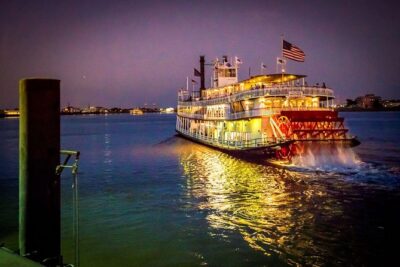
New Orleans Steamboat Natchez Jazz Cruise with Dinner Option
Read our review →
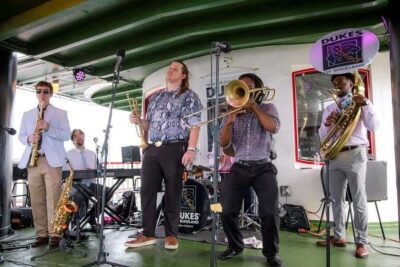
Evening Steamboat Jazz Cruise + Optional Dinner
Read our review →
Daytime Steamboat Jazz Cruise + Optional Lunch
Read our review →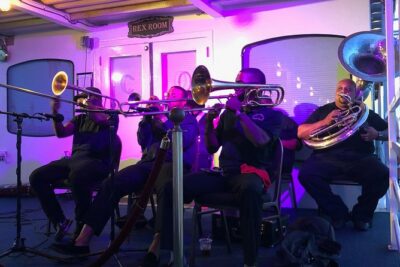
Paddlewheeler Creole Queen Jazz Dinner Cruise in New Orleans
Read our review →
Evening Jazz Boat Cruise with Optional Dinner
Read our review →
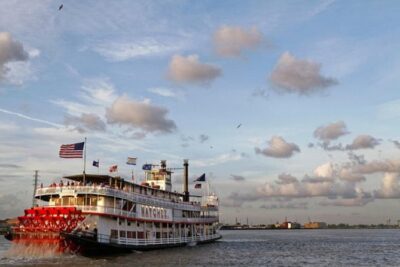
VIP Jazz Dinner Cruise with Private Tour and Open Bar Option
Read our review →Browse the lists this tour appears in