

Reviewed · NEW ORLEANS GARDEN DISTRICT TOURS
New Orleans Garden District Architecture Tour
The most rewarding part of this tour is learning how to read the Garden District’s grand houses. Instead of seeing only pretty facades, you’ll notice Italianate details, changing architectural styles, old family fortunes, and the people who shaped the neighborhood. The stop at Lafayette Cemetery No. 1 adds a useful look at New Orleans burial customs, too.
I like the small group limit of 14 and the way the tour mixes architecture with human stories. I also like the guides’ range of material. Angela has shared personal ties as a tenth-generation New Orleanian, while Doug, Lee, Pauline, Gary, and others have been praised for clear explanations, visual aids, humor, and practical suggestions for eating afterward.
The main consideration is the weather. This is a fully outdoor, two-hour walk, and New Orleans can be hot, especially in late summer. Lafayette Cemetery may also close during services, so that portion can change.
Key points at a glance
- Italianate architecture: Compare the Morris-Israel House and Carroll-Crawford House with other Garden District styles.
- Lafayette Cemetery No. 1: Learn why New Orleans is known for its above-ground burial traditions.
- A small-group walk: The maximum of 14 people makes it easier to hear the guide and ask questions.
- Local guides with different strengths: Angela, Doug, Lee, Pauline, Eva, Gary, Chelsea, Kelsey, and others have led tours with an emphasis on local stories and architecture.
- Commander’s Palace context: Hear about the famous restaurant’s building, owners, and dining experience without paying for a meal.
- A useful first-day introduction: The tour gives you a framework for recognizing Garden District architecture during the rest of your stay.
Why the Garden District works best with a guide

The Garden District can look easy to explore on your own. Tree-lined streets, large houses, ironwork, and porches provide plenty to see. The trouble is that the most important details are easy to miss. A guide can point out how one facade differs from another, explain why a building changed over time, and connect a house to the people who lived there.
That makes this a better choice than a simple neighborhood stroll if you want context. You are not just walking past expensive homes. You are learning how the district developed and how its architecture reflects different periods, tastes, and owners.
The tour lasts about two hours and returns to its starting point at 2727 Prytania Street. Since transportation is not included, you need to arrange your own way to the meeting point. The area is near public transportation, but no hotel pickup is provided.
The maximum group size is 14. That is small enough for a more personal walk without making the price feel like a private tour. At $40 per person, I see the value in the guide’s explanations, especially if this is your first visit to New Orleans and you want a basic architectural vocabulary for the rest of your trip.
More Garden District tours in New Orleans:
- New Orleans Garden District History Walking Tour
★ 5.0 · 2,879 reviews - New Orleans City Tour: French Quarter, Garden District & Cemetery
★ 4.5 · 2,209 reviews - New Orleans Small-Group Garden District Walking Tour
★ 5.0 · 1,384 reviews
Lafayette Cemetery puts New Orleans customs in context

The tour begins with a short discussion at Lafayette Cemetery No. 1. The listed stop is about five minutes, so do not expect a long cemetery visit. Its purpose is to introduce New Orleans burial customs and the city’s famous Cities of the Dead.
This is an important subject because it helps explain one of New Orleans’ most distinctive traditions. The above-ground tombs are not simply unusual photo subjects. They reflect local burial practices and give the city a different relationship with death, family, and public space.
Entrance is free, but access is controlled by the City of New Orleans. The cemetery can close when services are taking place. If that happens, your guide may need to adjust this portion of the walk. I would treat the cemetery as a valuable extra, not the sole reason to book the tour.
Because the stop is brief, you will want to listen closely. This is not the place to wander at length or take a long series of photographs. The real benefit is the explanation, followed by the chance to view the neighborhood with a better sense of place.
Commander’s Palace adds food and family history
The short stop at Commander’s Palace lasts about three minutes. You do not enter for a meal, and admission is not included. Instead, the guide discusses the building’s architecture, the history of its owners, and the culinary experience associated with the restaurant.
That makes this a useful orientation stop if you plan to eat in the Garden District. The guide can give you a sense of why Commander’s Palace matters to the neighborhood, beyond its reputation as a well-known restaurant.
Keep your expectations in line with the timing. Three minutes is enough for a concise explanation and a look at the building, not a full restaurant tour. If you want to dine there, you will need to make separate arrangements and pay separately.
I like the inclusion because it links architecture with daily life. A neighborhood is not only made up of houses. Restaurants, shops, schools, and gathering places tell you how the area continues to function.
Italianate details at the Morris-Israel and Carroll-Crawford houses
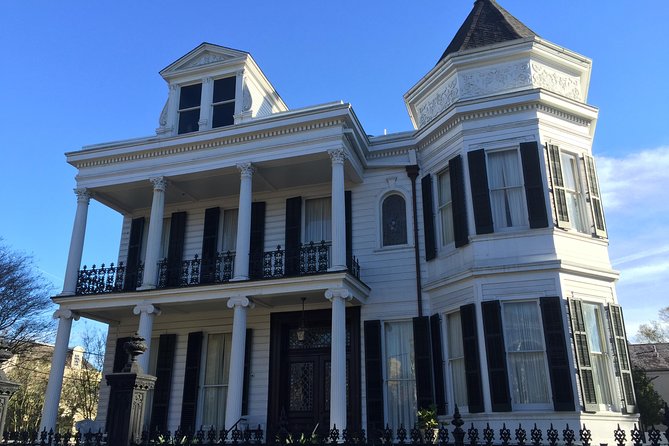
The Morris-Israel House, designed by Samuel Jameson in 1869, is presented as a strong example of New Orleans Italianate architecture. The guide explains the style and compares it with other forms found nearby.
That comparison is what makes the stop useful. You are not simply told that a house is Italianate. You are shown how to recognize the style and how it fits within the wider collection of Garden District buildings. A five-minute stop may sound short, but it can give you a pattern to look for during the rest of the walk.
The Carroll-Crawford House gives you another Jameson-designed example. Jameson was Irish-born, and the tour uses these houses to connect a designer with the visual character of the neighborhood.
I especially like having two examples rather than one. Seeing related buildings close together makes it easier to notice repeated ideas and small differences. The tour’s focus is not a technical lecture, but you should come away better able to spot the architectural features your guide has discussed.
These are exterior viewing stops, so you do not tour the interiors. That matters if you are hoping to see grand rooms, furnishings, or private collections. The experience is about the public faces of the buildings and the stories attached to them.
More architecture and historic house tours in New Orleans:
- Houmas House Estate and Gardens Guided Tour
★ 4.5 · 632 reviews - New Orleans Homes of the Rich and Famous Tour of the Garden District
★ 5.0 · 397 reviews - New Orleans French Quarter Architecture Walking Tour
★ 5.0 · 290 reviews - New Orleans: 2-Hour Homes of the Rich & Famous Walking Tour
★ 4.6 · 115 reviews
Two styles at the Women’s Opera Guild House
The Women’s Guild of the New Orleans Opera House provides a compact lesson in architectural change. The building was created in two different eras and two different styles, and the guide explains how to tell them apart.
This is exactly the kind of detail that is easy to miss without help. At first glance, an older house may appear to have one unified design. Once someone points out the separate sections or periods, you can begin to see how buildings evolve rather than appearing fully formed.
The stop is scheduled for about three minutes, so the explanation will be focused. You will not get a long architectural seminar, but you will gain another way to look at the neighborhood. For me, these short comparisons are among the most practical parts of the tour because they train your eye for later walks.
The McGehee School shows a building’s second life
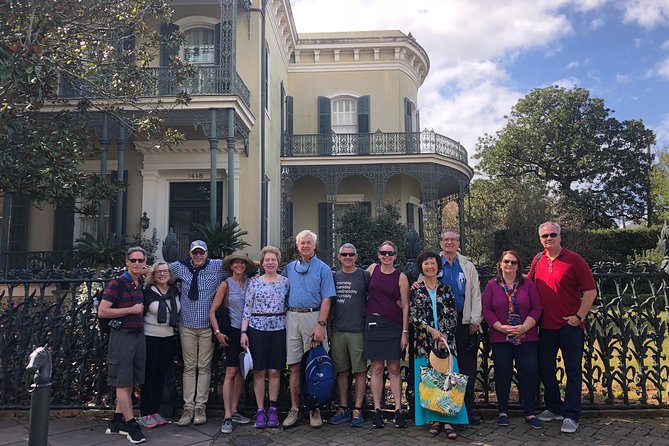
At the Louise S. McGehee School, the guide explains how a late 19th-century building changed from a single-family residence into the school’s library.
That shift gives the tour a wider subject than grand homes and famous owners. Buildings often outlive their first purpose, and this example shows how the Garden District has adapted over time. A handsome residence can become part of an institution while retaining clues to its earlier use.
The scheduled explanation lasts about 10 minutes, making it one of the longer individual stops. You can expect more detail here than at the brief looks around Commander’s Palace or the Women’s Guild building.
This stop may appeal to you if you enjoy stories of reuse and change. It also helps prevent the tour from becoming a parade of mansion facades. You are seeing how the neighborhood functions as a living place, not a frozen collection of historic houses.
The Rink connects architecture with recreation
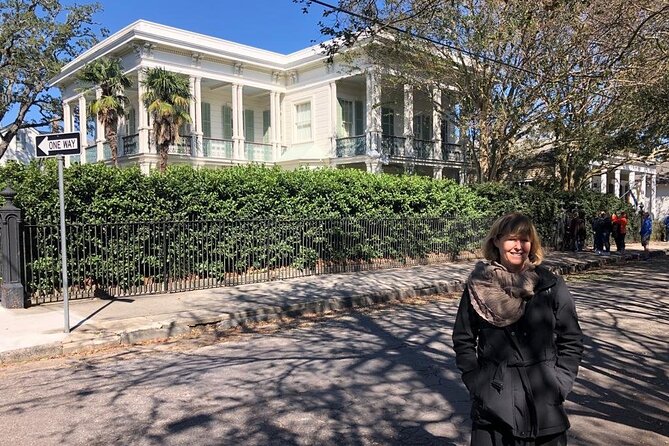
The Rink Shopping Center has a simpler appearance than some of the grand residences, but its story is distinctive. Built in 1884, it once housed the largest skating rink in the country at the time.
The guide uses the building to explain popular recreation at the turn of the century. That detail adds social history to the walk. People in the Garden District were not only building houses and managing family businesses. They also wanted places to gather, exercise, and have fun.
The scheduled stop is about seven minutes. That gives the guide time to explain the building’s former role and why it mattered to local residents.
I appreciate this kind of stop because it breaks up the focus on wealthy architecture. It reminds you that neighborhoods are shaped by ordinary habits as much as by impressive buildings. The Rink also gives the walk a bit of variety before you continue through the residential streets.
Two hours of mansions, trees, and personal stories
The wider Garden District portion is the heart of the tour. Across roughly two hours, you walk among antebellum mansions and learn about the area when these homes were being built. The guide discusses designers, owners, architectural styles, and the neighborhood’s development.
The exact rhythm depends on the group and guide, but the format is leisurely enough for questions. Gary, for example, has used photographs to clarify points, while other guides have been praised for humor, personal stories, and careful research into how buildings changed over the decades.
Guide choice can shape the tone. Angela has been described as a tenth-generation New Orleanian who brings personal ties to her explanations. Doug is known for a personable approach, celebrity connections, and a steady pace. Lee has been praised for making local history entertaining, while Pauline brings research into the commissioners, designers, and former owners of buildings.
Other named guides include Eva, Phant, John, Chelsea, Kelsey, and Caroline. You should not expect the same presentation from each person, but the shared focus is clear: architecture supported by local history and stories.
You may hear about notable residents, including the Anne Rice house, which has been a favorite stop for some groups. The precise homes discussed can vary, so I would not book this expecting a fixed celebrity-house checklist. Think of those stories as added color within a broader architectural walk.
The pace is a good fit for people who want to look carefully rather than rush from one address to another. Still, you are outside for the duration. Wear comfortable walking shoes, bring water, and plan for heat. The tour requires favorable weather, and a poor-weather cancellation comes with the choice of another date or a full refund.
What $40 buys you, and what it does not

At $40 per person, this is not the cheapest way to see the Garden District. You can walk the streets independently for nothing. The question is what you want from the visit.
The fee pays for a licensed, insured local guide and a structured route through the neighborhood. You are paying for explanations that connect design, ownership, burial customs, food, recreation, and local identity. If you like architecture but do not know the difference between Italianate and other styles, that instruction can make the price worthwhile.
The small group also adds value. With a maximum of 14 people, you have a better chance of hearing the guide and asking questions than you would on a much larger walk. It is not a private experience, but it should feel more manageable than a crowded procession.
Nothing inside the buildings is included. Transportation is not included. Commander’s Palace admission or dining is not included, and the cemetery stop is free but subject to closure. Keep those limits in mind when comparing this tour with one that includes meals, transfers, or interior visits.
The booking pattern suggests planning ahead can help. This experience is booked an average of 19 days in advance. That does not guarantee that every date sells out, but it is a good reason to reserve early if your New Orleans schedule is fixed.
Free cancellation is available up to 24 hours before the start time for a full refund. Cancellations or changes within 24 hours are not refunded or accepted. Since the walk depends on good weather, a provider cancellation for weather gives you an alternative date or a full refund.
Who should book this Garden District walk
I would recommend it for a first visit to New Orleans, especially if you want a calm introduction after the noise and activity of the French Quarter. The Garden District offers a different mood, and a guide helps you understand why the streets look the way they do.
It is also a good match for:
- Architecture fans who want clear examples of Italianate design and mixed-era buildings.
- Families with older children or teenagers who can manage a two-hour walk.
- Solo visitors who prefer the ease of a small group.
- Couples who want a relaxed neighborhood outing with restaurant ideas afterward.
- Anyone who likes local personalities, famous residents, and stories about former owners.
You may want something else if you need air-conditioned transportation, interior access, a food tasting, or a private itinerary. You should also think twice if hot weather makes outdoor walking unpleasant for you.
Final verdict: a smart introduction to the Garden District
Book this tour if you want more than attractive streets and mansion photographs. Its strongest feature is the way a local guide turns visual details into a readable story. Lafayette Cemetery, Commander’s Palace, the two Italianate houses, the Women’s Opera Guild building, McGehee School, and the Rink each add a different piece.
The $40 price is fair for a two-hour, small-group walk with a licensed local guide, though it does not cover transportation, meals, or building interiors. Reserve ahead, wear comfortable shoes, and choose a cooler part of the day if your schedule allows.
For a first look at the Garden District, this is a thoughtful and practical choice. It gives you enough architectural background to keep exploring on your own, while leaving room for the neighborhood’s most appealing feature: simply walking beneath its trees and seeing what the next block reveals.
FAQ
How long does the New Orleans Garden District Architecture Tour last?
The tour lasts approximately two hours and ends back at the starting point.
Where does the tour begin?
It begins at 2727 Prytania Street, New Orleans, Louisiana 70130.
Is transportation included?
No. Transportation to and from the attractions and meeting point is not included.
What is the maximum group size?
The tour has a maximum of 14 travelers.
Is Lafayette Cemetery No. 1 always open during the tour?
No. Entry is permitted by the City of New Orleans, but the cemetery may close when services are being performed.
What should I wear or bring?
Comfortable walking shoes are recommended because this is a two-hour outdoor walking tour. The experience also depends on favorable weather.
What is the cancellation policy?
You can cancel up to 24 hours before the start time for a full refund. Cancellations or changes made less than 24 hours before the start time are not accepted and are not refunded. If the tour is canceled because of poor weather, you can choose another date or receive a full refund.
Newest New Orleans tours we have written up
- 45-Minute Garden District Highlights Tour in New Orleans★ 5.0 · 33 reviews
- New Orleans City and Swamp Helicopter Tour★ 5.0 · 9 reviews
- 45-Minute Marigny Triangle Highlights Tour in New Orleans★ 5.0 · 12 reviews
- 20 Passenger New Orleans Airport or Hotel Transfer★ 5.0 · 6 reviews
- Private New Orleans 2-Hour Sail Aboard a Luxury Yacht★ 5.0 · 44 reviews
- The New Orleans Darkness Tour★ 4.4 · 9 reviews
- 11 Passenger Executive Van: New Orleans Airport or Hotel Transfer★ 4.0 · 8 reviews
- Spooky Family Ghost Tour★ 3.4 · 9 reviews
New Orleans Garden District Tours, compared.

New Orleans Garden District History Walking Tour
Read our review →
New Orleans City Tour: French Quarter, Garden District & Cemetery
Read our review →
New Orleans Small-Group Garden District Walking Tour
Read our review →
New Orleans City and Cemetery Tour with Garden District Stroll
Read our review →

New Orleans Highlights of the Garden District Walking Tour
Read our review →
Browse the lists this tour appears in