

Reviewed · NEW ORLEANS GARDEN DISTRICT TOURS
New Orleans: Garden District Food, Drinks & History Tour
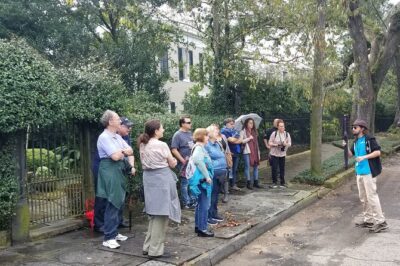
The best thing about this New Orleans tour is the way food and place stay connected. You begin outside Lafayette Cemetery No. 1, hear about local funeral customs, then walk through the Garden District before eating your way along nearby Magazine Street. It feels less like a checklist and more like a neighborhood introduction.
I like the small-group format, limited to 10 people, and I like that guide Michelle Mashon brings personal ties to the area. The three stops provide a full meal rather than a string of tiny samples, with drink choices included. The main consideration is that Lafayette Cemetery is currently closed, so you see it from outside the gates, and one past tour ran with 17 people instead of the stated limit.
Key points
- Starts beside Commander’s Palace: Meet at Washington Avenue and Coliseum Street, with easy access from the St. Charles Streetcar.
- Three food stops make a full meal: Expect Cajun and Creole flavors, drinks, and a final beignet with café au lait or tea.
- Michelle leads with local perspective: Her connection to the Garden District shapes the history, food, shopping, and neighborhood advice.
- The walk covers less than one mile: Most of the tour is gentle city walking, but narrow sidewalks and heat can affect comfort.
- Magazine Street adds local color: You pass small shops, vintage stores, an artist co-op, and a gallery.
- Budget $95 for a three-hour experience: Tax and server tips are included, which makes the price easier to judge.
Starting at Washington Avenue with a taste of New Orleans
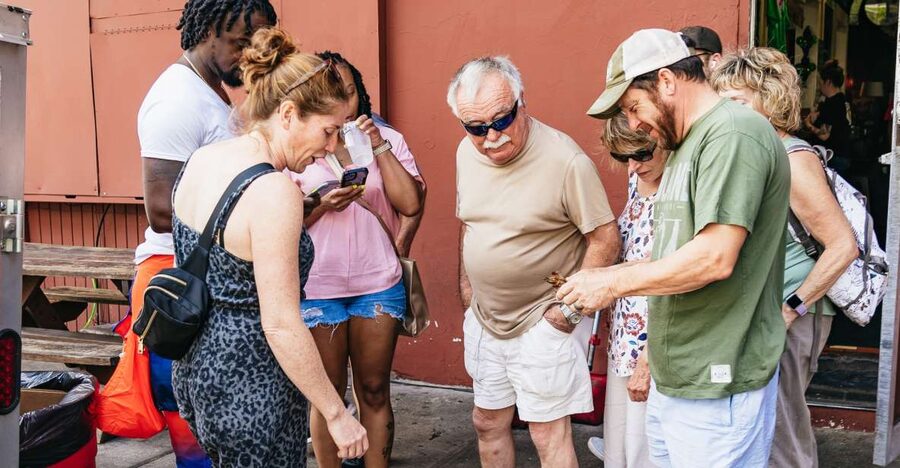
I would begin by planning your route before tour day. The meeting point is at the corner of Washington Avenue and Coliseum Street, across from Commander’s Palace. If you use the St. Charles Streetcar, get off at Washington Avenue and walk two blocks south to Coliseum Street.
That location sets the tone. You are not beginning in the French Quarter, where many first-time visitors spend most of their time. Instead, you start in the Garden District, a neighborhood of grand houses, oak trees, shotgun homes, and quieter residential streets.
The tour lasts three hours and covers less than a mile. That sounds easy, and the distance is modest, but New Orleans weather can make short walks feel longer. In summer, heat and humidity matter. Wear comfortable shoes, carry water, and expect some walking on sidewalks that may be narrow or uneven.
The small-group promise is important here. A group of 10 or fewer gives you a better chance to hear Michelle while she talks, ask questions, and stay close together at food stops. One past departure had 17 people, so I would confirm the expected group size when booking if a quieter outing matters to you.
More Garden District tours in New Orleans:
- New Orleans Garden District History Walking Tour
★ 5.0 · 2,879 reviews - New Orleans City Tour: French Quarter, Garden District & Cemetery
★ 4.5 · 2,209 reviews - New Orleans Small-Group Garden District Walking Tour
★ 5.0 · 1,384 reviews
Lafayette Cemetery and the customs of mourning
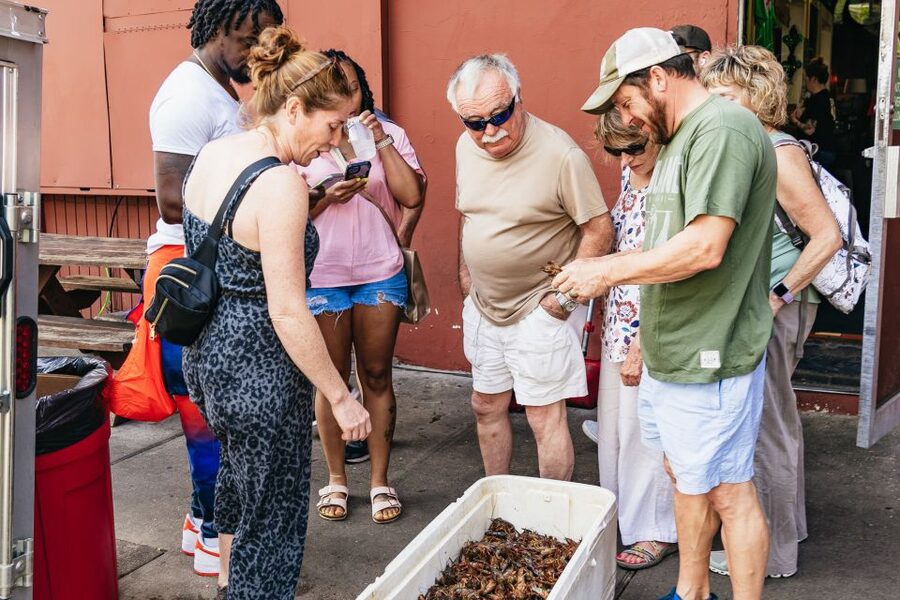
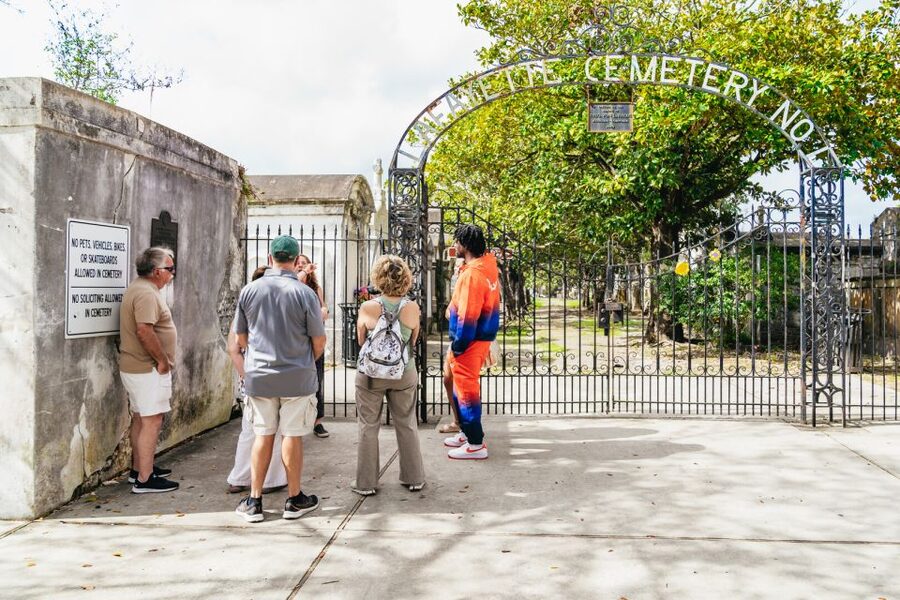
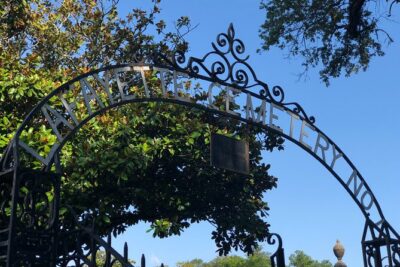
The opening stop is Lafayette Cemetery No. 1, one of the Garden District’s best-known landmarks. At present, the cemetery is under repair and closed to the public. The tour still stops outside the gates, where Michelle explains New Orleans funeral customs and the city’s early development.
That change does not erase the value of the stop, but it does change your expectations. You are not walking among the tombs or examining the cemetery from inside. Instead, you hear the story from the street and use the exterior as a starting point for understanding local customs.
I like this beginning because it gives the food later some cultural context. New Orleans traditions did not develop in isolation. The city was shaped by many communities, including Italians, Germans, Irish, Afro-Caribbean people, and the Cajun population of Louisiana. The tour uses those influences to explain why local food can feel familiar in one bite and completely new in the next.
This is also a good place to ask questions. Michelle’s strongest quality, based on the way the tour is structured and described by past participants, is her ability to connect dates and customs to present-day New Orleans. She is not simply pointing at buildings. She relates the neighborhood to her own life and to the people who live and work there.
Walking through the Garden District
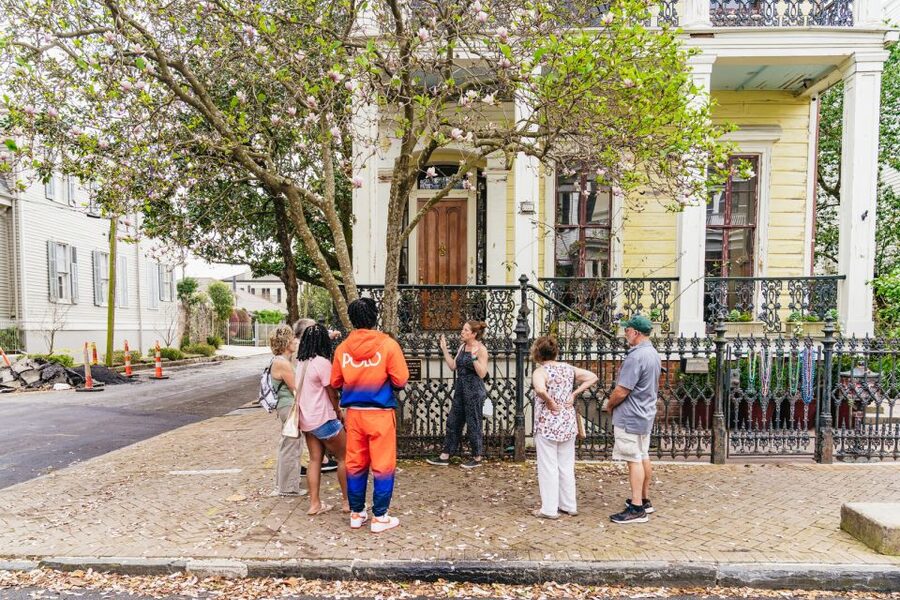
After the cemetery stop, you move into the Garden District itself. This is the visual heart of the outing. Expect historic mansions, colorful shotgun houses, broad oak trees, and streets that show several chapters of New Orleans architecture in a compact area.
I would not book this as a formal architecture lecture. The walk is short and the explanations are meant to support the larger food and culture story. You get enough background to understand what you are seeing, then continue toward the restaurants and Magazine Street.
The pace appears to be relaxed but purposeful. A past participant described the tour as well paced, while another found that a long stretch of walking had too little commentary before the group reached Magazine Street. That is a useful warning if you want constant narration. Stay near Michelle, especially on narrow sidewalks, and ask questions when the group pauses.
The Garden District is most rewarding when you look beyond the largest homes. The colorful shotgun houses and mature oaks help show that this is not only a collection of impressive mansions. It is also a lived-in neighborhood with independent shops and ordinary residential streets.
The walking route also offers a practical benefit. You see where the food is in relation to the residential district instead of being driven from one restaurant to another. By the end, you have a better sense of the area and can return on your own.
Three stops, one substantial meal
The food is not an afterthought here. You visit three local eateries and receive a full meal spread across the stops. That makes the $95 price easier to assess, particularly because a drink is included at each stop and tax and server tips are already covered.
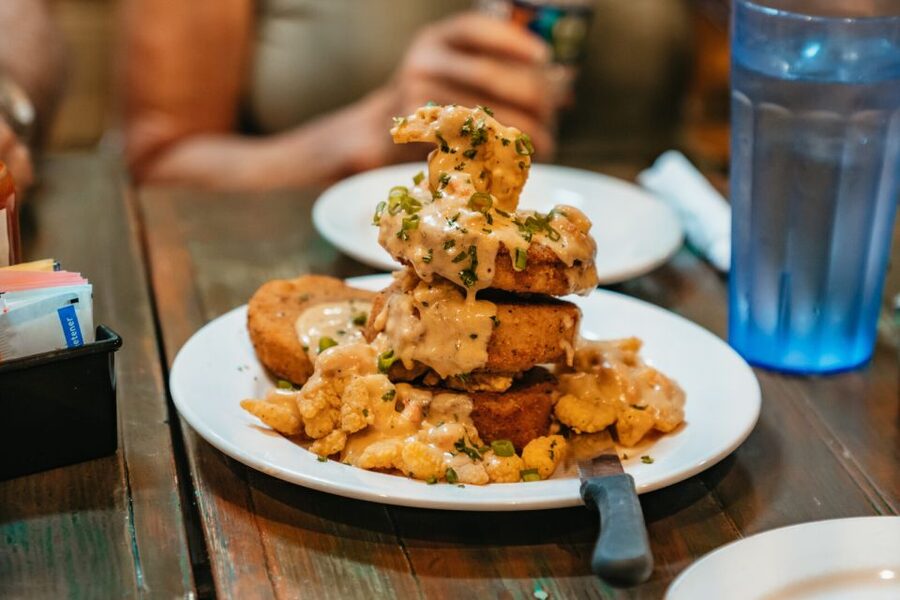
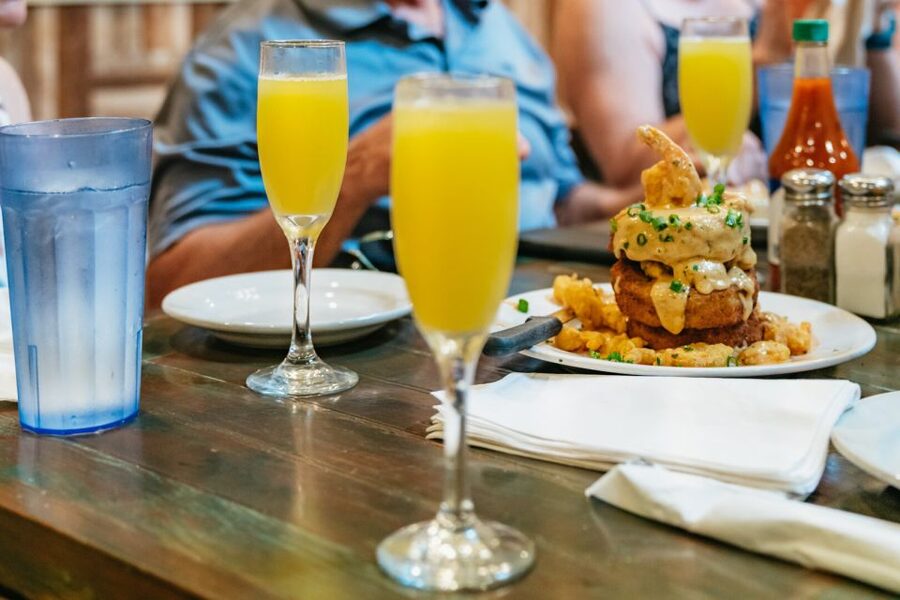
The exact dishes can vary, but the food experiences described include Cajun and Creole specialties, empanadas, sausages, appetizers, beignets, and king cake beignets. At two food stops, you can choose a special alcoholic drink or a non-alcoholic beverage. At the beignet stop, the drink is café au lait or tea.
This setup works well for you if you want to try several local flavors without ordering full meals at three separate restaurants. It also reduces the guesswork. You do not need to study a menu and wonder which dish best represents the city. Michelle introduces the food and explains how different cultural groups shaped it.
The first food stop focuses on Creole fusion and the many outside influences that became part of New Orleans cooking. Italian, German, Irish, and Afro-Caribbean traditions all enter the story. The tour also explains the Cajun contribution, which is often lumped together with Creole food even though the terms describe different cultural backgrounds and cooking traditions.
Do not arrive after a large breakfast. One past participant specifically advised arriving hungry, and that is sensible. This is meant to function as a meal, not a tasting of one bite per person. You can still tell the guide about dietary needs in advance. Vegetarians and many food allergies can be accommodated, but you should not wait until the first restaurant to mention them.
A few more New Orleans tours worth comparing
- New Orleans Food Walking Tour of the French Quarter with Small-Group Option
★ 5.0 · 6,118 reviews - New Orleans Food and History Walking Tour
★ 5.0 · 1,544 reviews - New Orleans French Quarter Food Tour: Cajun, Creole and Culture
★ 5.0 · 1,246 reviews - French Quarter walking Food Tour Famous Flavors of New Orleans
★ 5.0 · 1,115 reviews
What the food stops may feel like
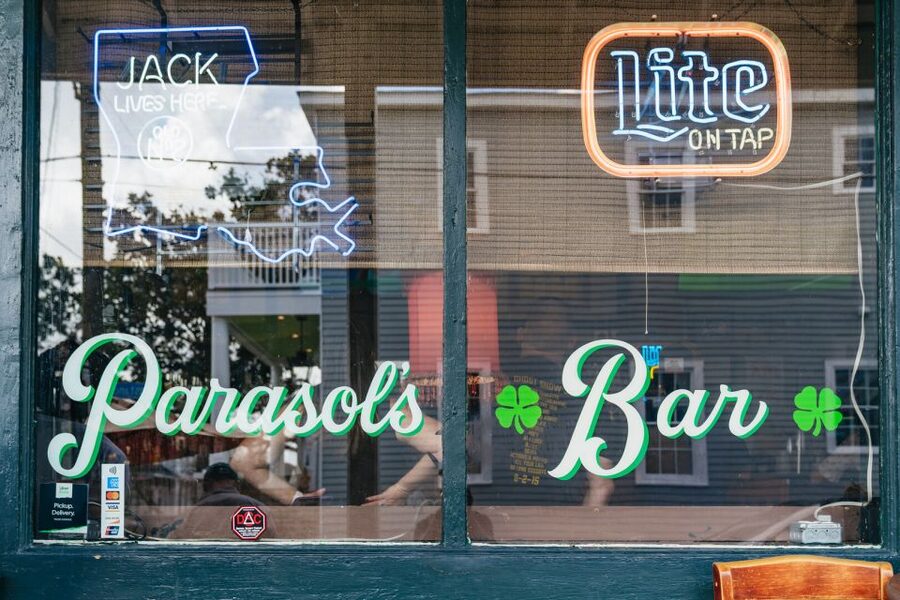
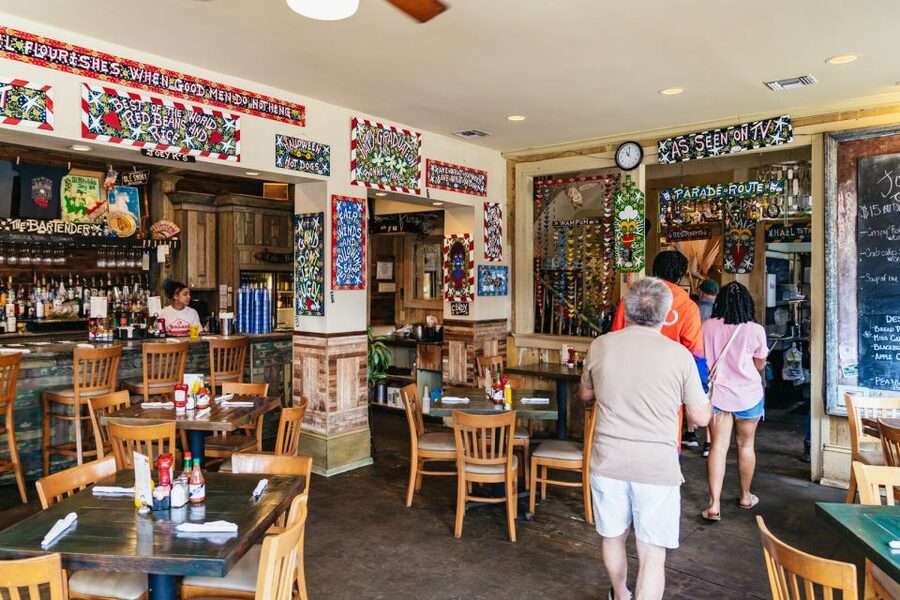
The restaurants are local businesses rather than anonymous stops selected only for convenience. That matters because part of the point is to show you places you might not choose on your own.
At the savory stops, you may encounter small plates, empanadas, sausages, or other regional items. The selection appears to include options, which helps when a group has different tastes. Still, the experience is not designed around a fixed restaurant tasting menu that guarantees the same dish on every date. If one particular food is essential to your New Orleans plans, ask what is currently being served.
The sausage stop deserves a realistic note. Most of the food feedback is strongly positive, but one departure had a long wait and sausages that were overcooked. That sounds like an isolated service problem rather than a reason to dismiss the tour, but it shows the tradeoff of eating at small independent places. You may get a more personal local experience, yet timing and kitchen consistency can vary.
The final café stop brings the sweet finish. Beignets, including a king cake version, and café au lait or tea provide a clear New Orleans ending. I especially like that the dessert stop is not treated as a random sugar break. It connects to familiar local café customs and gives you a simple way to continue the experience later.
If you prefer a classic sampler of red beans and rice, gumbo, étouffée, or muffuletta, note that the supplied food details do not promise those exact dishes. The tour emphasizes a broader mix of Cajun and Creole specialties, and the menu can change.
Magazine Street beyond the restaurants
Between food stops, you pass locally owned shops, vintage stores, an artist co-op, and a gallery. This portion is fairly brief, so I would not book the tour mainly for shopping. Think of it as a useful introduction to Magazine Street rather than a dedicated retail walk.
That said, it can be one of the more practical parts of the day. You see small businesses and artist-made goods in the same area where you are eating. If you spot something you want, you can return later with more time.
One past participant found the shopping less interesting but still considered it a minor part of the experience. That is the right way to think about it. If you enjoy independent shops, it adds texture. If you would rather spend every minute on food and architecture, it will not dominate the tour.
Michelle also provides suggestions for seeing more of New Orleans after the tour. Her advice has included using the streetcar and visiting parks, and some people have used her local recommendations to plan the next day. I value that kind of practical guidance because it continues to help after the scheduled three hours end.
Michelle’s role in the experience
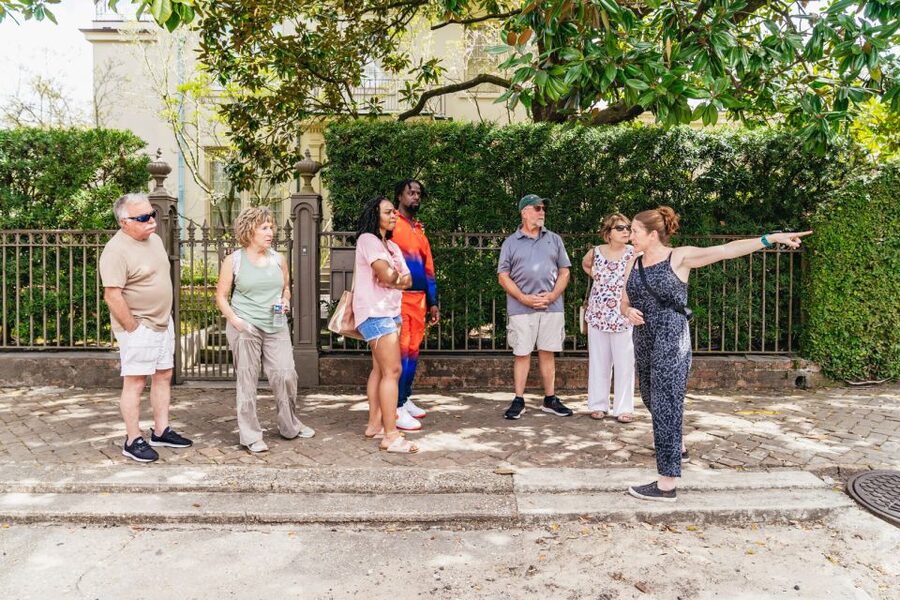
The guide can make or break a food walk, and Michelle Mashon is central to this one. Her style is described as laid back, friendly, energetic, and easy to talk with. She was raised in New Orleans and lives in the area, so the tour includes more than standard facts about buildings and dishes.
I would choose this tour if you like a guide who mixes personal stories with city history. Michelle appears comfortable answering questions and adjusting to the group. She has also helped participants find additional restaurants, shops, parks, streetcar routes, and entertainment.
The tone is casual rather than theatrical. You should expect conversation, neighborhood context, and food explanations instead of a memorized speech delivered without pause. That is especially helpful in a city where family traditions, migration, music, religion, and cooking overlap.
A small group should make it easier to speak with her. If your group is larger than expected, stay close and speak up when she stops. Narrow sidewalks can make it hard for everyone to hear, particularly if the group spreads out.
Is $95 a fair price?
At $95 per person, this is not the cheapest way to see the Garden District. It is also not simply a one-hour walk with a snack. You receive three hours of guiding, a full meal at three stops, drinks, tax, and server tips.
The value depends on how you normally travel. If you would otherwise book a separate neighborhood walk and spend money on several meals, the price is reasonable. You are paying for food, but also for the guide’s neighborhood knowledge, the route between stops, and the convenience of having the choices made for you.
The included drinks improve the calculation. Two stops offer an alcoholic or non-alcoholic choice, and the final stop includes café au lait or tea. Additional food and drinks are not included, so expect to pay extra if you want more than the planned servings.
I would consider this good value for a first visit, especially if you want a gentle introduction to the Garden District and do not want to research where to eat. Repeat visitors who already know the neighborhood may prefer spending $95 on a single restaurant meal or a more specialized tour.
Who should book this Garden District food tour?
I think this suits you if you:
- Want a full meal while learning about New Orleans culture
- Prefer a small group and a conversational guide
- Like seeing local businesses rather than only major sights
- Are curious about the difference between Cajun and Creole influences
- Want practical suggestions for food, parks, shopping, or streetcar rides
- Can walk less than one mile at an easy city pace
It is less suitable if you have a mobility impairment, need constant seating, or want to enter Lafayette Cemetery. The cemetery is currently closed to the public, and the route includes sidewalks and time on your feet.
Families can bring children under three for free, but no food or drink is provided for them. Vegetarian diets and many allergies can be handled with advance notice. I would contact the operator before booking if your restrictions are serious or involve several ingredients.
Practical details before you reserve
Plan to arrive at the Washington Avenue and Coliseum Street meeting point across from Commander’s Palace. There is no hotel pickup or drop-off, so you are responsible for reaching the start and continuing on your own afterward.
Wear comfortable shoes. The total distance is short, but you will walk, stand, eat, and move between several businesses. New Orleans heat can be intense, especially in July, and one past outing was described as hot and humid even though it remained worthwhile.
The tour is conducted in English. You can cancel up to 24 hours before the start for a full refund, and the reserve-now, pay-later option can help if your schedule is still changing. Starting times vary, so check availability for your date.
Should you book it?
Book this tour if you want the Garden District explained by a local guide and paired with enough food to count as lunch or dinner. Michelle’s personal connection, the small independent businesses, and the three-stop meal give the outing a clear sense of place.
Skip it if you mainly want to enter Lafayette Cemetery, shop for several hours, or sample a guaranteed list of classic dishes such as gumbo and muffuletta. For most first-time visitors who enjoy food, neighborhood walking, and useful local advice, the $95 cost is justified. Arrive hungry, wear good shoes, and tell Michelle about dietary needs before the tour begins.
FAQ
Where does the Garden District food tour meet?
Meet at the corner of Washington Avenue and Coliseum Street, across from Commander’s Palace restaurant.
How do I reach the meeting point by streetcar?
Take the St. Charles Streetcar, exit at Washington Avenue, and walk two blocks south to Coliseum Street.
How long does the tour last?
The tour lasts three hours.
How much walking is involved?
The tour covers less than one mile in total, but it includes walking and standing between the cemetery, neighborhood streets, shops, and food stops.
Can I visit Lafayette Cemetery No. 1 during the tour?
No. Lafayette Cemetery is currently under repair and closed to the public. The guide discusses it from outside the cemetery gates.
Are food and drinks included?
Yes. A full meal is spread across three stops, with an alcoholic or non-alcoholic drink at each stop according to the available choices. The beignet stop includes café au lait or tea. Additional food and drinks cost extra.
Can the tour accommodate vegetarians or food allergies?
Vegetarians and many dietary allergies can be accommodated. Tell the operator about your needs in advance.
More Historical Tours in New Orleans
- French Quarter Historical Sights and Stories Walking Tour
★ 5.0 · 2,724 reviews - New Orleans Small-Group Haunted History Carriage Tour
★ 4.5 · 2,289 reviews - New Orleans Haunted History Ghost Tour
★ 4.5 · 2,084 reviews - Paddlewheeler Creole Queen Historic Mississippi River Cruise
★ 4.5 · 1,948 reviews
More Food in New Orleans
- New Orleans Cocktail and Food History Tour
★ 5.0 · 819 reviews - New Orleans: French Quarter Food History Walking Tour
★ 4.9 · 713 reviews - French Quarter walking Food Tour: Signature Tastes of New Orleans
★ 4.5 · 592 reviews - French Quarter Small-Group Cocktail and Foodie Crawl
★ 5.0 · 519 reviews
Newest New Orleans tours we have written up
- 45-Minute Garden District Highlights Tour in New Orleans★ 5.0 · 33 reviews
- New Orleans City and Swamp Helicopter Tour★ 5.0 · 9 reviews
- 45-Minute Marigny Triangle Highlights Tour in New Orleans★ 5.0 · 12 reviews
- 20 Passenger New Orleans Airport or Hotel Transfer★ 5.0 · 6 reviews
- Private New Orleans 2-Hour Sail Aboard a Luxury Yacht★ 5.0 · 44 reviews
- The New Orleans Darkness Tour★ 4.4 · 9 reviews
- 11 Passenger Executive Van: New Orleans Airport or Hotel Transfer★ 4.0 · 8 reviews
- Spooky Family Ghost Tour★ 3.4 · 9 reviews
New Orleans Garden District Tours, compared.

New Orleans Garden District History Walking Tour
Read our review →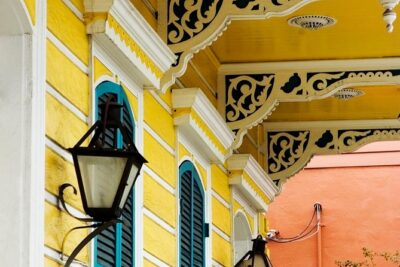
New Orleans City Tour: French Quarter, Garden District & Cemetery
Read our review →
New Orleans Small-Group Garden District Walking Tour
Read our review →
New Orleans City and Cemetery Tour with Garden District Stroll
Read our review →
New Orleans Highlights of the Garden District Walking Tour
Read our review →
Browse the lists this tour appears in