
Reviewed · NEW ORLEANS JAZZ AND LIVE MUSIC TOURS
New Orleans Jazz Walking Tour
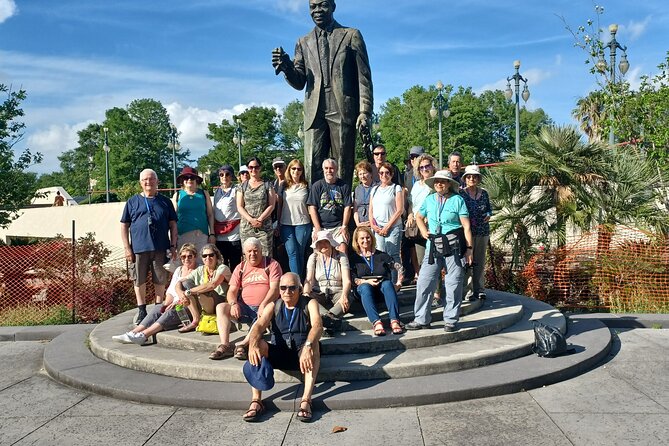
Jazz in New Orleans is not just a style of music. It is a story of people, place, memory, and survival. This walking tour follows that story from Louis Armstrong Park and Congo Square to the clubs of Frenchmen Street, giving you a useful setting for the music you hear later in town.
I like the way the tour uses songs to explain musicians and time periods, and I like that guides such as Harris Parson and Robin connect jazz with New Orleans architecture and local culture. The main drawback is simple: you must stand and walk for much of the two hours, and younger children may not stay engaged with the serious historical material.
Key points to know before booking
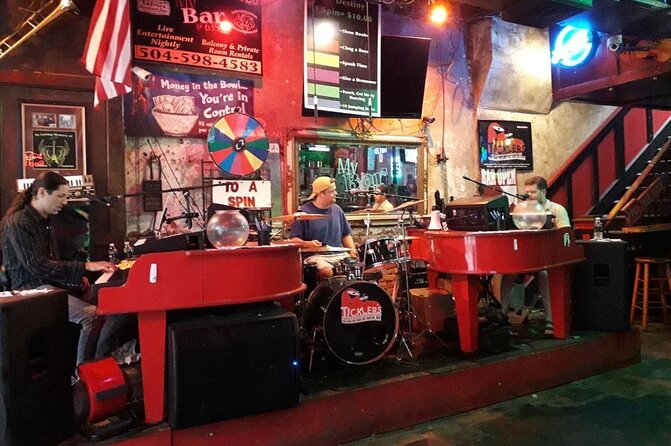
- Congo Square gives the music a physical starting point: You visit the historic gathering place tied to African American music, dance, and community in New Orleans.
- Harris Parson is a major strength when he leads: He is a native New Orleanian, drummer, cultural ambassador, and oral historian who uses music clips and personal energy to tell the story.
- The tour ends where the music is still being played: Frenchmen Street puts you near venues such as Snug Harbor, the Maison, and the Spotted Cat.
- You get more than a music lesson: The route also covers city history, architecture, the Tremé neighborhood, and the lives of Louis Armstrong, Jelly Roll Morton, and Buddy Bolden.
- Two hours keeps the introduction manageable: At $35 per person, the tour offers a focused orientation rather than a full day of museum visits and club hopping.
- Plan for weather and standing: The tour requires good weather, a moderate fitness level, and the ability to remain on your feet for extended periods.
Why this jazz walk makes sense early in your trip
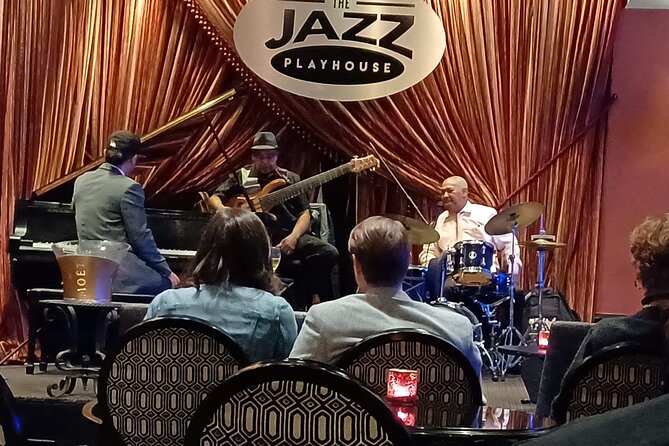
I would put this tour near the beginning of a New Orleans visit. It gives you names, places, and musical connections that make the rest of the city easier to understand.
A jazz club can be exciting even when you know little about the music. But once you understand how Louis Armstrong, Jelly Roll Morton, Charles Buddy Bolden, and other pioneers fit into the city’s story, a trumpet solo or piano break has more meaning. You begin hearing New Orleans as a place with layers, not just as a city with good nightlife.
The tour also helps if you are unsure what kind of jazz experience you want. This is not a club crawl. It is a history walk that finishes in a neighborhood known for live music. You will not spend the full two hours sitting in a venue listening to a band, so book it for context rather than a complete evening of entertainment.
At $35 per person, the price is fair for a two-hour guided walk, especially because the value comes from the guide’s interpretation. The route itself uses public places, so you are paying mainly for the stories, music examples, local perspective, and structure. That is a good deal if you want a clear introduction. It is less useful if you already know New Orleans jazz well and prefer a longer live performance.
More jazz and live music tours in New Orleans:
- New Orleans Steamboat Natchez Jazz Cruise with Dinner Option
★ 4.0 · 7,533 reviews - New Orleans Steamboat Natchez Jazz Cruise
★ 4.5 · 5,334 reviews - New Orleans: Evening Steamboat Jazz Cruise + Optional Dinner
★ 4.3 · 4,548 reviews
Starting among the monuments in Louis Armstrong Park
The tour begins at Louis Armstrong Park, at 701 North Rampart Street. This is a fitting meeting point because the park links several parts of the city’s musical story.
You spend about 40 minutes here, hearing about early jazz figures and seeing monuments connected with the music. The guide discusses Louis Armstrong, Jelly Roll Morton, Charles Buddy Bolden, and other important names. You also learn about early dance halls where the music took hold.
This opening portion is valuable because it puts faces and personal stories behind a genre that is sometimes taught as a list of dates. The best guides use the setting to explain how musicians worked, performed, and shaped the sound of New Orleans. Harris Parson, in particular, has been praised for connecting music with the social and cultural forces around it. He is also a drummer with a band, which gives his explanations a practical musical angle.
You might hear music clips during the walk. That small touch matters. A song can make an unfamiliar name easier to remember, and it helps you hear the difference between periods and styles instead of treating jazz as one large category.
The park is also a useful place to begin because the tour is not confined to club culture. You are looking at public memorials and old gathering places, then considering how the city remembers its musicians. If you enjoy history, architecture, and local storytelling as much as music, this section should hold your attention.
Congo Square and the roots of the story
The route continues to Congo Square, where you spend about 20 minutes. The square is described as sacred ground and as a place tied to the origins of jazz. You also get a view into Tremé, one of the oldest African American neighborhoods in the country.
The wording around jazz’s beginnings deserves a little care. No single square or moment can explain an entire musical tradition. Still, Congo Square gives you an important place to discuss African American rhythm, dance, gathering, and cultural continuity in New Orleans. The stop helps explain why the city’s music cannot be separated from its people and neighborhoods.
This is one of the strongest parts of the walk for anyone who wants more than a musician biography tour. You are not only asking who played the music. You are considering where community life, performance, memory, and tradition met.
The stop is fairly brief, so do not expect a long standalone visit. Its purpose is to connect the park’s musicians with the larger story of New Orleans. I would pay close attention here, since the guide’s explanation does most of the work. The site itself will not provide the same detail as a museum exhibit or a long lecture.
The New Orleans Jazz Museum and the St. Pierre Hotel connection
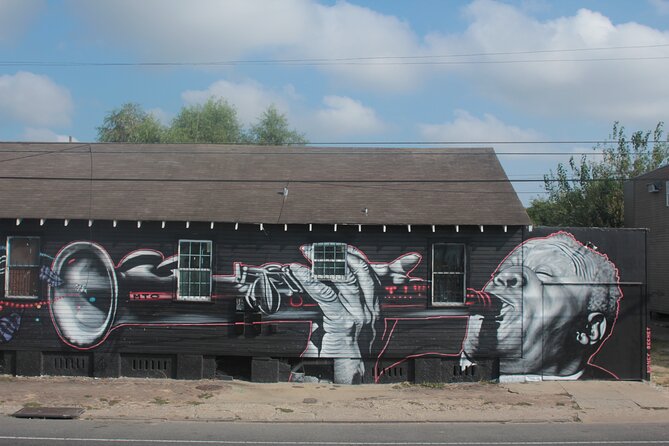
The third major section takes about 40 minutes and includes a visit to the New Orleans Jazz Museum. The tour also connects the museum story with the St. Pierre Hotel, where Louis Armstrong stayed when he performed in New Orleans.
This part gives the walk a more concrete sense of place. Armstrong is not only a famous name from recordings and photographs. You are shown a location linked with his time in the city. That kind of detail can make the past feel close without turning the tour into a celebrity sightseeing stop.
The experience provider lists admission tickets as free for the stops. No separate museum admission fee is listed for you to pay during the tour. Since the supplied details describe a visit to the museum or the first jazz museum at the St. Pierre Hotel, I would treat the guide’s explanation of the exact location as important on the day.
You should also expect the museum portion to be guided rather than a long, independent museum session. The schedule allows about 40 minutes, so the guide will likely focus on the displays and stories that serve the tour’s main theme. If you want to study every exhibit at your own pace, plan a separate return visit if available.
This stop works especially well for first-time visitors. It gives you an indoor or more structured change from the street walk, while still keeping the focus on musicians and New Orleans. It also adds a useful bridge between the early pioneers and the wider public memory of jazz.
A few more New Orleans tours worth comparing
- New Orleans Premier Ghost, Voodoo and Vampire Walking Tour
★ 4.5 · 12,856 reviews - New Orleans Food Walking Tour of the French Quarter with Small-Group Option
★ 5.0 · 6,118 reviews - St. Louis Cemetery No. 1 Official Walking Tour
★ 4.5 · 3,941 reviews - New Orleans French Quarter, Voodoo and Culture Walking Tour
★ 4.5 · 2,961 reviews
Frenchmen Street provides the musical finish
The tour ends on Frenchmen Street after about 20 minutes. This is the most direct connection to present-day nightlife, with venues such as Snug Harbor, the Maison, and the Spotted Cat nearby.
You should be clear about what this means. The tour takes you to the street and lets you experience its live music setting, but a specific club admission, reserved seat, meal, or drink is not included in the price. Snacks, lunch, and dinner are also not included.
That arrangement is useful because you can continue the evening on your own. You might choose a venue that suits your budget and taste, or simply walk the area and listen for a while. Frenchmen Street is described as family-friendly for younger visitors, but the suitability of any particular venue can differ, so use your judgment about where to spend the rest of the night.
Ending here also gives the tour a practical payoff. You have just heard how New Orleans jazz developed, and then you arrive at a street where live music is part of the evening. The shift from history to performance is the point.
Do not expect the final 20 minutes to be a full concert. This is a short introduction to the area. If live music is your main goal, budget extra time after the tour and understand that you will handle any club costs yourself.
The guide can shape the entire experience
The strongest praise for this tour centers on the guides, especially Harris Parson. He is described as a native of New Orleans, a drummer, a cultural ambassador, and an oral historian. His approach includes music clips, stories about musicians, city history, architecture, and answers to questions beyond jazz.
That range is important. A guide who only lists jazz facts can make a walking tour feel like a classroom. A guide who can connect the music to buildings, neighborhoods, family life, and local memory gives you a better sense of how the city works.
Robin has also been praised for extensive music and city knowledge, a warm manner, and using songs to bring different periods to life. Since guide assignment may vary, you should not assume that Harris or Robin will lead every departure. The supplied information names both guides as examples, but it does not promise a particular guide.
I like that the experience includes a lagniappe, a little something extra. In practice, the extra value appears to come through the guide’s stories, music examples, recommendations, and willingness to answer questions. Some guides may offer more detail on architecture or the French Quarter, while others may focus more tightly on musicians and cultural history.
The group can reach a maximum of 28 people. That is not a private walk, but it is still small enough for a guide to speak to the group without the scale of a large bus tour. The tour requires at least two people to operate. A solo booking is not guaranteed unless arranged as a private tour.
Walking, weather, and the practical side
The tour lasts about two hours and requires a moderate fitness level. You should be comfortable walking between stops and standing for long periods. The supplied details do not promise seating, so wear comfortable shoes and plan for an outdoor experience.
New Orleans weather can affect any walking tour. This experience requires good weather, and a cancellation caused by poor conditions brings an offer of another date or a full refund. You can cancel for a full refund up to 24 hours before the start time. Inside that window, refunds and changes are not accepted.
The meeting point is near public transportation at Louis Armstrong Park. The end point is Frenchmen Street, so you do not return to the starting point. That is convenient if you want to continue into the evening, but it matters if you have a car parked near the park or need to meet a group elsewhere.
I would bring water and protect yourself from the sun or rain, though food is not included. Since the tour finishes in an area with music venues, you can arrange dinner or drinks afterward rather than carrying a full meal plan into the walk.
Who will get the most from this tour
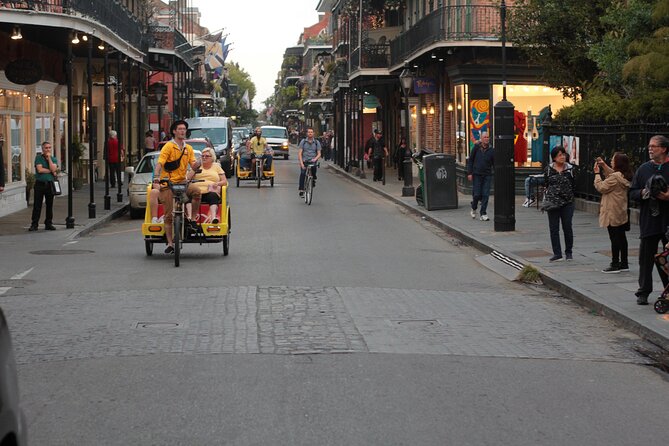
This is a good choice for first-time New Orleans visitors, music fans, and anyone who wants a stronger sense of place before spending nights in clubs. It also suits adults who enjoy stories, historical context, and asking questions.
Families can book it, but very young children may not find the material easy to follow. One family review specifically found the content less appealing for younger children, while another described the guide as patient with children’s questions. That suggests the age and attention span of your group matter more than the label family-friendly.
The tour also suits people who do not know much about jazz. You do not need a musical background to follow the route. The guide explains how the music developed and uses recordings to make the subject easier to grasp.
I would be more cautious if you have limited mobility or dislike standing. There is no stated accessibility arrangement, and the tour specifically asks for moderate fitness and the ability to stand for a long period. Ask the operator before booking if you need a particular accommodation.
Is the $35 price good value?
At $35, you are buying a compact guided introduction rather than admission to a major attraction or an evening concert. The value depends on what you want.
For a first visit, I think the price works. You receive two hours with a local guide, a planned route through Louis Armstrong Park, Congo Square, the jazz museum area, and Frenchmen Street, plus historical explanation and music context. You also finish in a place where you can continue independently.
The price is less compelling if you expect food, drinks, a guaranteed concert, or private guiding. None of those are included. You will need to pay separately for anything you do after reaching Frenchmen Street.
The high listed rating of 4.9 from 80 reviews and the 98 percent recommendation figure point to a consistently well-received experience, especially for guide quality. Still, one serious service problem is worth noting: a cancellation caused by a guide’s illness was not communicated in time, leaving one party at the meeting point. The operator apologized and explained that it failed to alert third-party booking platforms promptly. That appears to be an isolated issue among many positive assessments, but it is a fair reminder to confirm the tour if your schedule is tight.
Should you book this New Orleans jazz walk?
Book it if you want the story behind the music, especially if you are new to New Orleans. The combination of Armstrong Park, Congo Square, the museum connection, and Frenchmen Street gives you a clear two-hour framework. Request Harris Parson if the operator allows guide requests, but understand that guide assignment is not guaranteed.
Skip it if your only goal is a long live performance, a club reservation, or a seated tour. Also think twice if standing and walking are difficult for you, or if your children are too young for a history-heavy outing.
For most first-time visitors who enjoy music and local history, this is a worthwhile orientation at a reasonable price. Take it early, listen closely, and keep the rest of the evening open for Frenchmen Street.
FAQ
Where does the New Orleans Jazz Walking Tour start?
The tour starts at Louis Armstrong Park, 701 N Rampart Street, New Orleans, Louisiana 70116.
Where does the tour end?
The tour ends on Frenchmen Street in New Orleans. It does not return to Louis Armstrong Park.
How long is the tour?
The walking tour lasts approximately two hours.
How much does the tour cost?
The listed price is $35 per person.
Is the tour offered in English?
Yes. The tour is offered in English.
What places does the tour visit?
The route includes Louis Armstrong Park, the New Orleans Jazz Museum or the first jazz museum at the St. Pierre Hotel, Congo Square, and Frenchmen Street.
Is live music included?
The tour finishes on Frenchmen Street, where live jazz venues are located. Separate club admission, food, drinks, and a full concert are not listed as included.
Are meals or snacks included?
No. Snacks, lunch, and dinner are not included.
How many people can join the tour?
The maximum group size is 28 people. The tour operates with a minimum of two participants unless a private tour is arranged.
Can I cancel for a full refund?
Yes. You can cancel at least 24 hours before the start time for a full refund. Cancellations or changes made less than 24 hours before the start time are not accepted, and poor weather may result in a different date or full refund.
Newest New Orleans tours we have written up
- 45-Minute Garden District Highlights Tour in New Orleans★ 5.0 · 33 reviews
- New Orleans City and Swamp Helicopter Tour★ 5.0 · 9 reviews
- 45-Minute Marigny Triangle Highlights Tour in New Orleans★ 5.0 · 12 reviews
- 20 Passenger New Orleans Airport or Hotel Transfer★ 5.0 · 6 reviews
- Private New Orleans 2-Hour Sail Aboard a Luxury Yacht★ 5.0 · 44 reviews
- The New Orleans Darkness Tour★ 4.4 · 9 reviews
- 11 Passenger Executive Van: New Orleans Airport or Hotel Transfer★ 4.0 · 8 reviews
- Spooky Family Ghost Tour★ 3.4 · 9 reviews
New Orleans Jazz and Live Music Tours, compared.
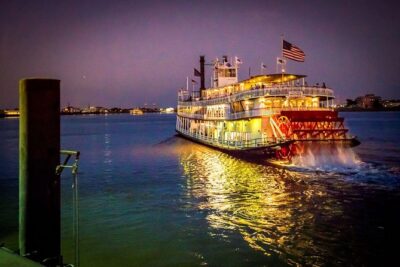
New Orleans Steamboat Natchez Jazz Cruise with Dinner Option
Read our review →
Evening Steamboat Jazz Cruise + Optional Dinner
Read our review →
Daytime Steamboat Jazz Cruise + Optional Lunch
Read our review →
Paddlewheeler Creole Queen Jazz Dinner Cruise in New Orleans
Read our review →
Evening Jazz Boat Cruise with Optional Dinner
Read our review →
VIP Jazz Dinner Cruise with Private Tour and Open Bar Option
Read our review →Browse the lists this tour appears in