
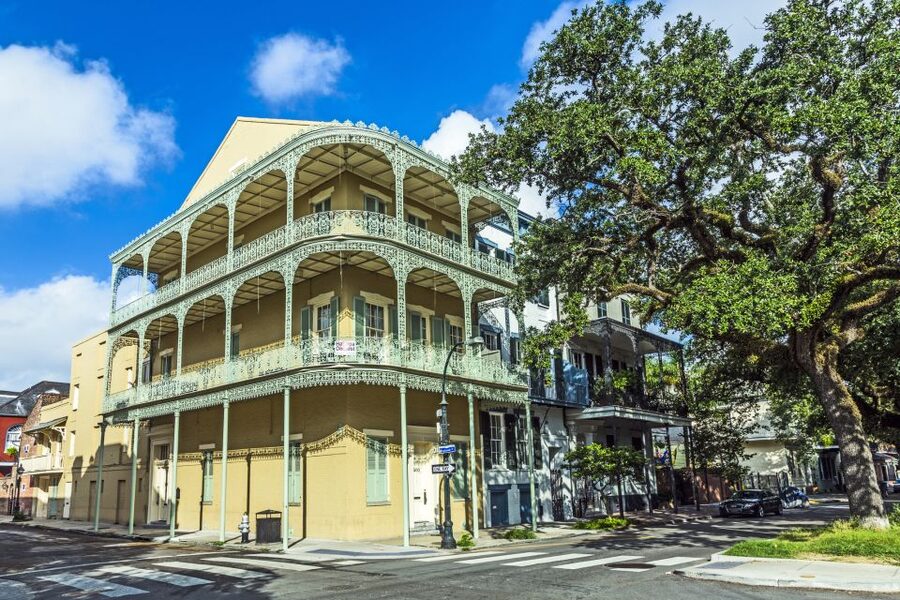
Reviewed · NEW ORLEANS VOODOO TOURS
New Orleans: Voodoo History Guided Walking Tour
New Orleans Voodoo is not a haunted-house prop. This two-hour walk starts near the tomb linked to Marie Laveau and follows the real people, places, and beliefs behind the city’s most misunderstood religion. You’ll visit Congo Square and Laveau’s former home while sorting fact from sensational fiction.
I like the clear distinction between Haitian Voodoo, New Orleans Voodoo, Santeria, and Hoodoo. I also like the focus on Sanite Dede, ancestor worship, traditional medicine, and the racial history that shaped the faith. The main drawback is that this is an outdoor walking tour, so heat, rain, and uneven city pavement can affect your comfort.
Key points to know before booking
- Marie Laveau’s world: Visit the site connected with the famous Voodoo Queen and learn about her home, family, ceremonies, and public image.
- Congo Square: See the sacred gathering place tied to music, worship, and the development of New Orleans Voodoo.
- History over horror: The tour tackles myths about Voodoo dolls and zombies instead of presenting a spooky ghost show.
- Sanite Dede’s story: Learn about the woman who helped make Voodoo a major force in New Orleans before Laveau’s era.
- Two hours on foot: The route is compact enough for a half-day plan, but comfortable shoes and weather-ready clothing matter.
- Strong value at $37: The price covers a live, English-language guide and a focused look at subjects that are often handled poorly.
Why this Voodoo tour takes a different path
New Orleans Voodoo has often been described by outsiders as dark, dangerous, or demonic. That story says more about Christian propaganda and colonial fear than it does about the religion itself. This tour sets out to correct that record.
You’ll hear about a faith shaped by African traditions, Caribbean practice, Catholic influence, local customs, and the realities of life in Louisiana. That blend matters. Haitian Voodoo, New Orleans Voodoo, Santeria, and Hoodoo are not interchangeable terms, and the opening explanation helps keep them in their proper places.
I appreciate this approach because it gives you something more useful than a collection of scary tales. You get a way to understand why certain rituals, names, objects, and stories appear in New Orleans culture.
The tone is historical, but the subject matter includes plenty of drama. Expect stories of secret love affairs, reported miracles, radical healing, spirit summoning, racial crimes, and the early abolition movement. The guide uses these stories to show how religion, medicine, race, politics, and daily life overlapped.
One useful point to keep in mind is that the tour is not designed as a ghost walk. A verified review specifically praised it as an informative historical experience rather than a spooky production. If you want jump scares and exaggerated legends, this is not the right choice. If you want the stories placed in their social and religious setting, it should suit you well.
More voodoo tours in New Orleans:
- New Orleans Premier Ghost, Voodoo and Vampire Walking Tour
★ 4.5 · 12,856 reviews - Adults-Only New Orleans Ghost, Crime, Voodoo, and Vampire Tour
★ 5.0 · 6,545 reviews - New Orleans Adults-Only Ghost, Voodoo and Vampire Tour
★ 5.0 · 3,291 reviews
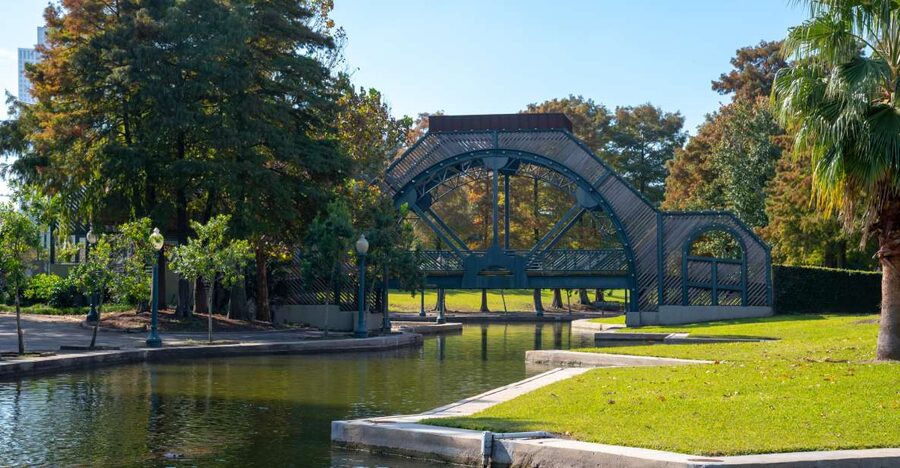
Meeting near Basin Street and Marie Laveau’s tomb
You meet on the St. Louis side of the Basin Street Station Visitors’ Center, not inside the building. That detail is worth noting because arriving at the wrong side of the station could cause a rushed start.
The meeting area puts you close to the tomb that allegedly holds Marie Laveau’s remains. The wording matters: the connection is part of the city’s long-running story, but the history of Laveau’s burial has not always been simple or certain. The tour uses this setting to introduce Laveau and the way her reputation grew after her death.
Starting here gives the walk a strong sense of place. You are not hearing about Marie Laveau in a classroom far from the French Quarter. You are standing near one of the locations tied to her memory, then moving through the streets where her story took shape.
This is also a practical starting point for a first visit to New Orleans. Basin Street sits close to major French Quarter sights, so you can place the walk early in your visit and use what you learn to read the city differently afterward.
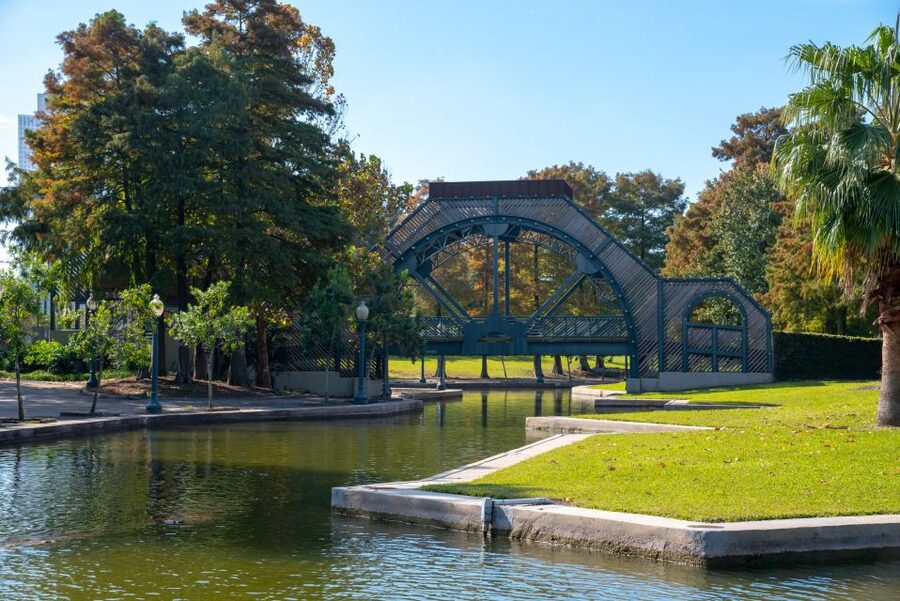
Congo Square and the roots of public worship
The next major stop is Congo Square, one of the most important places on the route. The tour presents it as sacred ground linked to ceremonies and rituals associated with Marie Laveau.
Congo Square also helps explain how African cultural practices survived in New Orleans. The setting connects sound, movement, community, memory, and worship. The description of the tour refers to beating drums and a mix of faiths, but the point is not theatrical atmosphere. It is the persistence of religious and cultural traditions under severe pressure.
I like this part because it gives the subject a physical center. You can talk about ancestor worship and ritual anywhere, but the meaning changes when you are standing in a place connected with those practices.
The stop should also help you avoid a common mistake: treating Voodoo as a single, fixed system. New Orleans Voodoo grew through contact among different peoples and beliefs. The guide explains that process before moving deeper into the personal stories of Laveau and those who came before her.
Because Congo Square is outdoors, weather can shape the experience. Bring clothing suited to the forecast, and wear shoes you can comfortably use for two hours of city walking. The tour is wheelchair accessible, though all walking tours are more pleasant when you are prepared for outdoor conditions.
Marie Laveau’s former home and public legend
From Congo Square, the route continues to the former home of Marie Laveau. This is where the tour shifts from broad cultural background to one woman’s place in New Orleans history.
Laveau is often reduced to a few familiar images: a Voodoo Queen, a snake, mysterious ceremonies, and supposed supernatural powers. The tour gives you a fuller picture. You’ll learn about the home where she raised her children and the spiritual work associated with her life.
The snake story is part of the tour’s colorful material. It is memorable, but the larger value comes from seeing how Laveau became a public figure. Her influence rested not only on mystery. It also involved reputation, relationships, spiritual authority, and the needs of people who sought help.
That is a useful distinction for you as a visitor. New Orleans has turned Laveau into a powerful symbol, but symbols can flatten real people. This stop attempts to recover the woman behind the legend while still acknowledging the dramatic stories that made her famous.
The tour also connects Laveau to secret relationships, healing, and reported miracles. These accounts are presented through the lens of ancestor worship and magic in America’s most haunted city. You should expect an entertaining story, but the purpose is to show how belief worked in a specific community, not simply to prove or disprove every supernatural claim.
A few more New Orleans tours worth comparing
- New Orleans Garden District History Walking Tour
★ 5.0 · 2,879 reviews - French Quarter Historical Sights and Stories Walking Tour
★ 5.0 · 2,724 reviews - New Orleans Small-Group Haunted History Carriage Tour
★ 4.5 · 2,289 reviews - New Orleans Haunted History Ghost Tour
★ 4.5 · 2,084 reviews
Dauphine Street, dolls, zombies, and medicine
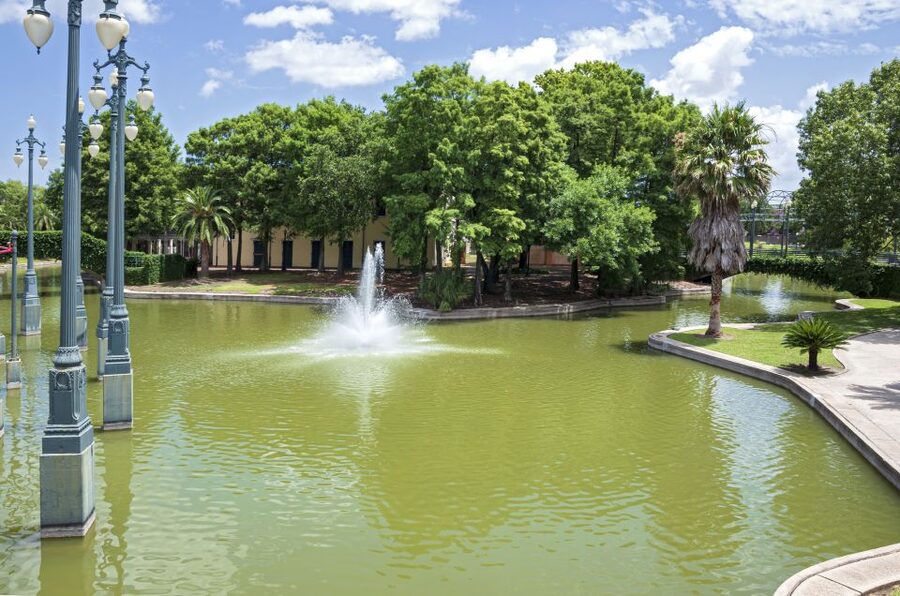
On Dauphine Street, the guide takes on several popular ideas that have shaped modern images of Voodoo. This includes Voodoo dolls, zombie lore, pandemic history, and traditional Afro-Caribbean medicine.
The treatment of Voodoo dolls is likely one of the most useful parts for first-time visitors. Many people arrive with a movie version of the object in mind. The tour explains how that image became distorted and how propaganda helped turn a complex religion into a sinister caricature.
Zombie lore receives a similar treatment. Instead of treating zombies as simple horror figures, the discussion places them within the cultural history of the Caribbean and New Orleans. The exact details you hear will depend on the guide, but the stated aim is clear: separate old stories and modern entertainment from the historical record.
The medicine section adds another important layer. Traditional Afro-Caribbean healing developed in communities that did not always have fair access to Western doctors or trusted institutions. The tour presents these practices as serious forms of knowledge, while also connecting them to the racial and medical history of Louisiana.
I like that the route does not isolate religion from everyday life. People turn to spiritual leaders for help with illness, relationships, family problems, and fear. Understanding that role makes Laveau’s influence easier to grasp.
At the same time, you should expect a walking tour, not a medical lecture or a religious service. The guide introduces the history and beliefs. You are not being asked to practice rituals or accept every supernatural claim.
Sanite Dede, the woman before Marie Laveau
A particularly good feature is the attention given to Sanite Dede. Marie Laveau is the name most people know, but Dede helped create the conditions that allowed Voodoo to gain such a strong following in New Orleans.
The tour presents Dede as the woman who paved the way for Laveau and helped make Voodoo so prominent that authorities banned it from the French Quarter. That detail shows the pressure surrounding the religion. Bans rarely appear because a belief has no influence. They tend to appear when officials fear a gathering place, a leader, or a form of community power.
Dede’s story also protects the tour from becoming a single-person biography. You get a wider view of New Orleans Voodoo, including the women who led ceremonies, cared for communities, and built reputations as healers and spiritual workers.
This is one of the tour’s strongest historical choices. Starting and ending the story with Marie Laveau would be easy, but it would leave out the people and traditions that made her possible.
How the guide shapes the experience
The tour is led in English by a live guide. Doug has led the walk, and his style has been described as both fun and informative, with strong storytelling. That combination matters on a subject filled with unfamiliar names, competing traditions, and old propaganda.
A good guide needs to keep the story moving while making careful distinctions. The best moments should come when a vivid tale leads into a wider point about race, religion, medicine, or politics. This tour is built for that kind of explanation.
The experience has a 4.8 rating from three recorded reviews, with two five-star ratings and one four-star rating. The praise centers on useful historical information, an enjoyable guide, and storytelling. That is a small review base, so I would treat the score as encouraging rather than final proof of consistency.
You may find that the guide’s personality shapes the walk. The subject allows room for humor, shock, and dramatic details, but the stated focus is research and history rather than ghost-tour theatrics. That makes the guide’s ability to keep the tone respectful especially important.
What the $37 price includes
At $37 per person, this is a reasonable price for a two-hour guided walk in central New Orleans. You are paying for a live guide, a planned route, historical interpretation, and access to a subject that can be hard to understand through casual sightseeing.
The value is strongest if you would otherwise spend your time reading confused accounts of Marie Laveau, Voodoo dolls, or zombies. The guide gives you a framework that can make later visits to the French Quarter more meaningful.
The price does not include meals, transportation, or personal purchases. Bring cash if you want it available during the outing, along with a camera if you enjoy recording the places connected with the story.
You can reserve now and pay later, which helps if your New Orleans schedule is still shifting. You can also cancel up to 24 hours before the tour for a full refund. Those policies reduce the risk of booking a walking experience before you know the weather or your final plans.
Who should book this two-hour walk
I would recommend it to first-time New Orleans visitors who want cultural history rather than a simple list of haunted sites. It also suits anyone curious about Marie Laveau, African and Caribbean religious traditions, or the way colonial ideas shaped American views of Voodoo.
History students, photographers, and readers who want a stronger background before exploring the French Quarter should find plenty to take from it. The route also works for people who prefer a focused activity instead of a full-day tour.
Families and younger visitors may enjoy the storytelling, but the material includes racial violence, illness, sexuality, spirit practices, and religious persecution. Consider the age and interests of everyone in your group.
This may not suit you if you dislike walking, want a purely supernatural show, or prefer a quiet visit without a guide. The tour is also less appealing in poor weather, since the experience takes place outside for two hours.
Practical tips for a better walk
Wear comfortable shoes. The tour lasts two hours, and even a compact route can feel long when you are standing on hard pavement.
Dress for the weather and bring a camera. Cash is also listed as useful to have, though personal spending is not included in the tour price.
Arrive at the St. Louis side of the Basin Street Station Visitors’ Center. Do not wait inside the building. Check the available starting times when you book, since the exact schedule can vary.
The tour is wheelchair accessible, and the language is English. If you need a particular accessibility detail beyond that, confirm it before booking because the provided information does not describe every surface or route condition.
Should you book the New Orleans Voodoo History Guided Walking Tour?
Book it if you want an honest, story-led introduction to New Orleans Voodoo that corrects common myths instead of repeating them. The strongest reasons are the Congo Square setting, the focus on Sanite Dede and Marie Laveau, and the explanation of how religion, medicine, race, and politics shaped one another.
Skip it if you are looking only for ghosts, jump scares, or a short indoor presentation. At $37, the tour offers good value for a serious two-hour walk, especially when you bring comfortable shoes and arrive ready for changing weather.
FAQ
How long is the New Orleans Voodoo History Guided Walking Tour?
The tour lasts two hours.
How much does the tour cost?
The price is $37 per person.
Where does the tour meet?
You meet on the St. Louis side of the Basin Street Station Visitors’ Center. The meeting point is outside the building.
Is Marie Laveau’s former home part of the tour?
Yes. The route visits the former home of Marie Laveau, where the guide discusses her family life and spiritual work.
Does the tour visit Congo Square?
Yes. Congo Square is one of the main stops and is presented as sacred ground connected with Voodoo ceremonies and rituals.
Is the tour only about ghosts and spooky stories?
No. The tour focuses on historical information and correcting misconceptions about Voodoo dolls, zombies, and the religion’s supposed demonic character.
What language is the tour offered in?
The live tour is offered in English.
Is the walking tour wheelchair accessible?
Yes, the activity is listed as wheelchair accessible.
Can I cancel the booking or pay later?
You can reserve now and pay later. Cancellation is free up to 24 hours in advance for a full refund.
More Walking Tours in New Orleans
- New Orleans Food Walking Tour of the French Quarter with Small-Group Option
★ 5.0 · 6,118 reviews - St. Louis Cemetery No. 1 Official Walking Tour
★ 4.5 · 3,941 reviews - New Orleans French Quarter, Voodoo and Culture Walking Tour
★ 4.5 · 2,961 reviews - Ghost and Vampire Walking Tour Of The French Quarter
★ 4.5 · 2,406 reviews
Newest New Orleans tours we have written up
- New Orleans: 1.5-Hour Voodoo History Evening Tour★ 4.5 · 34 reviews
- New Orleans: Voodoo, Storyville, and Treme Walking Tour★ 3.3 · 3 reviews
- New Orleans: Voodoo Legends, Vampires & Magic Walking Tour★ 3.0 · 4 reviews
- New Orleans: 1.5-Hour Vampire Tour of the French Quarter★ 4.8 · 30 reviews
- New Orleans: VIP Bar and Club Crawl Tour with Free Shots★ 4.5 · 39 reviews
- New Orleans: Traditions Cooking Class★ 5.0 · 9 reviews
- New Orleans: Tombs and Mansions of the Garden District★ 4.6 · 4 reviews
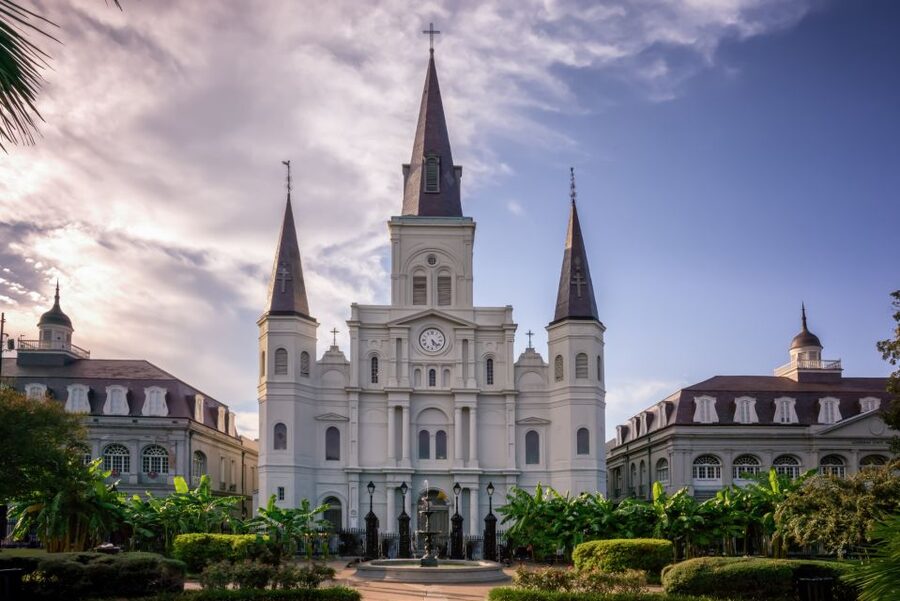
- New Orleans: St. Louis Cathedral Official Guided VIP Tour★ 4.7 · 4 reviews
New Orleans Voodoo Tours, compared.
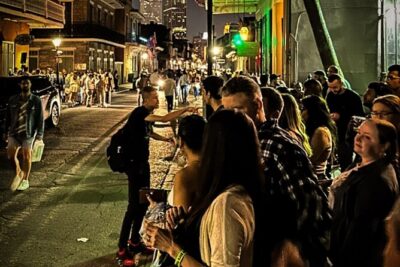
New Orleans Premier Ghost, Voodoo and Vampire Walking Tour
Read our review →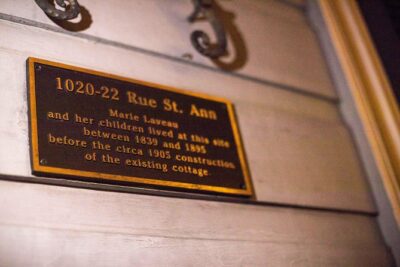
Adults-Only New Orleans Ghost, Crime, Voodoo, and Vampire Tour
Read our review →
New Orleans Adults-Only Ghost, Voodoo and Vampire Tour
Read our review →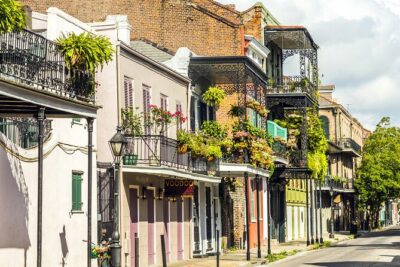
New Orleans French Quarter, Voodoo and Culture Walking Tour
Read our review →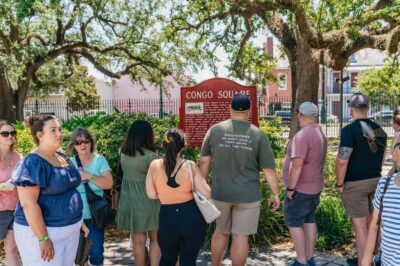
New Orleans Ghost, Vampire, Witch, Voodoo, and Mystery Tour
Read our review →
New Orleans Spirits & Spells: Witchcraft, Voodoo, and Ghost Tour
Read our review →Browse the lists this tour appears in