
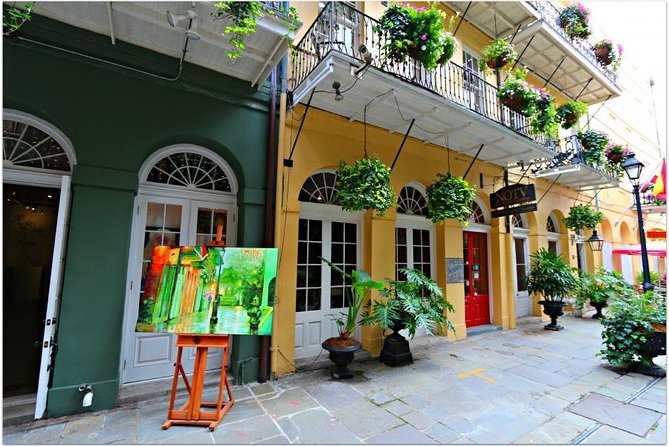
Reviewed · NEW ORLEANS FRENCH QUARTER TOURS
Private French Quarter Walking Tour
The most interesting part of this private French Quarter tour is the way it links small details to big New Orleans stories. A gas lamp factory, a narrow alley, and a pharmacy counter become clues to the city’s French, Spanish, American, and Creole past. Dominick, also spelled Dominic in some tour material, is a native New Orleanian and urban planner who brings both local roots and city-planning knowledge.
I like the small private format, capped at four people, and the slow 1.5-mile route. You can ask questions, request a special interest, and stop to look around instead of being pushed along. The main drawback is the price: $350 per group is a serious cost for two people, though it becomes much better value when four people share it.
Key points to know before you book
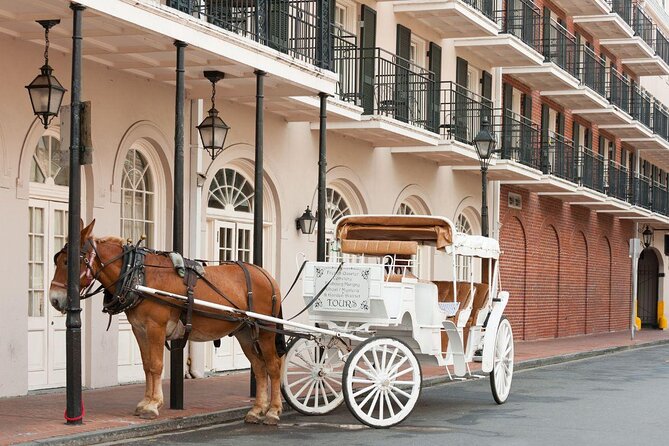
- A true private walk: Your group of up to four has the guide to itself, with room for questions and a flexible pace.
- A 1.5-mile route: The walk begins near Jackson Square, reaches the Mississippi River, then winds through the French Quarter.
- History beyond the famous facades: Expect stories about city fires, gas lighting, pharmacy, preservation, politics, and the Louisiana Purchase.
- Strong local perspective: Dominick is described as a native New Orleanian and urban planner, with a focus on people, culture, demographics, and the city economy.
- Several stops are outside only: Admission to the Cabildo and New Orleans Pharmacy Museum is not included, and the tour does not promise entry to every site.
- Uneven footing matters: French Quarter sidewalks and streets can be rough, so wear sensible shoes and expect a moderate level of walking.
Why this French Quarter walk feels different
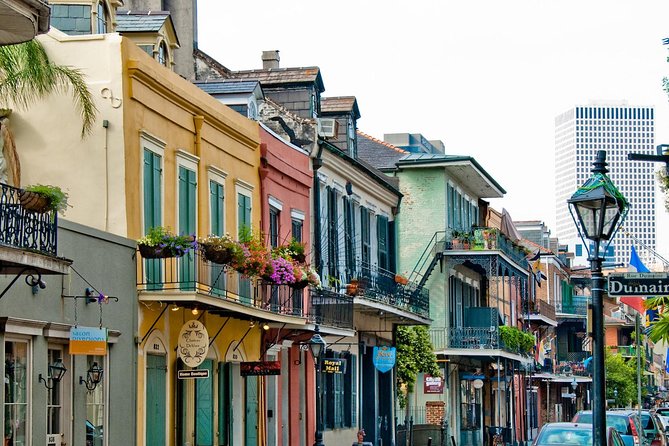
Many visitors see the French Quarter as a handsome collection of balconies, ironwork, courtyards, and bars. This tour gives you a longer view. It asks how the neighborhood took shape, who controlled it, how fires changed its buildings, and why preservation became important.
That approach suits you if you want more than a quick circuit of postcard sights. The guide explains events tied to specific buildings, so the past does not float away as a list of dates. At Exchange Alley, for example, you hear about tensions between French and American interests after the Louisiana Purchase. At the Nunez House, a major fire helps explain why parts of the Quarter shifted from French architectural styles toward Spanish ones.
I also like the freedom built into a private tour. Three departure times are offered, and the walk is designed to move at a leisurely pace. If you want to ask about New Orleans food, neighborhoods, demographics, or preservation, this format gives you the chance. The guide can also point out places to eat and visit, a useful bonus early in your stay.
The experience is offered in English. It lasts about three hours, although the included description also calls it a two to three-hour tour. Plan for a half-day block rather than a tightly timed two-hour appointment.
More French Quarter tours in New Orleans:
- New Orleans Food Walking Tour of the French Quarter with Small-Group Option
★ 5.0 · 6,118 reviews - New Orleans French Quarter, Voodoo and Culture Walking Tour
★ 4.5 · 2,961 reviews - French Quarter Historical Sights and Stories Walking Tour
★ 5.0 · 2,724 reviews
Starting at Jackson Square and the Mississippi River
The meeting point is Tableau by Dickie Brennan & Co. at 616 St. Peter Street, close to Jackson Square. The tour begins with the founding of New Orleans in 1718, giving you a basic timeline before the route gets more detailed.
Jackson Square is a sensible starting place. It puts you in the center of the old city, beside the buildings and public spaces that define the French Quarter. From there, you make a short walk toward the Mississippi River.
The river stop adds useful context. New Orleans grew because of its position on a major waterway, and river traffic shaped its trade, population, and political importance. You are not simply looking at the water. You are learning why the city was founded here and how the river helped it grow.
This opening section should also help you get your bearings. The French Quarter can feel like a maze, especially on a first visit. Starting with the city’s location and purpose makes the later alleys and buildings easier to understand.
St. Louis Cathedral, the Cabildo, and the center of power
The route returns to the Jackson Square area for St. Louis Cathedral, described as the oldest cathedral in the United States. The planned stop lasts about 15 minutes and is free, though the information provided does not promise a formal interior visit.
Next comes the Cabildo, where the guide discusses major events connected with the building, including the ceremony for the Louisiana Purchase. Admission is not included. That distinction matters: you should not assume that the tour price covers entry into every historic site.
The Cabildo stop helps explain the shift from French and Spanish rule to American control. It is also one reason a walking guide can add value. A building can look impressive from the outside, but its political meaning is easier to grasp when someone explains the events tied to it.
The nearby Pontalba buildings, the Presbytery, and other Jackson Square landmarks are also part of the wider tour experience. You get a look at the formal heart of the Quarter before moving into narrower streets and smaller stories.
Royal Street and the city before statehood
Royal Street receives about 30 minutes, making it one of the longer stops. The guide discusses the many royal governors associated with the street before Louisiana became a state, while you window-shop along the way.
This is a good example of how the tour blends sightseeing with history. You can enjoy the architecture and shop windows without treating the street as a museum corridor. At the same time, the political past gives the buildings more meaning.
Royal Street is also a practical stop for people who prefer a relaxed pace. You are not asked to cover a huge area. Instead, the route gives you time to notice balconies, passageways, and courtyards, then ask why a particular building looks the way it does.
The tour includes opportunities to peek into hidden courtyards. That does not mean every courtyard will be open or that every interior is guaranteed, so keep expectations sensible. Still, access to smaller spaces and less obvious corners is one of the reasons a private walk can show you more than following the busiest street.
A few more New Orleans tours worth comparing
- New Orleans Premier Ghost, Voodoo and Vampire Walking Tour
★ 4.5 · 12,856 reviews - St. Louis Cemetery No. 1 Official Walking Tour
★ 4.5 · 3,941 reviews - New Orleans Garden District History Walking Tour
★ 5.0 · 2,879 reviews - Ghost and Vampire Walking Tour Of The French Quarter
★ 4.5 · 2,406 reviews
The Pharmacy Museum and the science of everyday life
The New Orleans Pharmacy Museum adds a different kind of history. The guide discusses the first licensed pharmacy practice in the United States and the first woman to practice pharmacy in the city, said to have worked 100 years before the first licensed pharmacist.
The planned stop is about 10 minutes, and admission is not included. The tour information also lists the Pharmacy Museum twice, with similar subject matter. That may reflect a repeated stop in the scheduling details rather than two separate museum visits, so ask the operator if museum entry is important to your plans.
I like this part because it moves away from grand political events. Pharmacy tells you about medicine, business, gender, regulation, and daily life. It is the kind of subject that can make an old neighborhood feel connected to ordinary people, not just famous buildings.
If you want to enter the museum, allow for the possibility of paying admission separately. The tour includes discussion of the site, but not a guaranteed ticket.
Preservation, Exchange Alley, and the cost of change
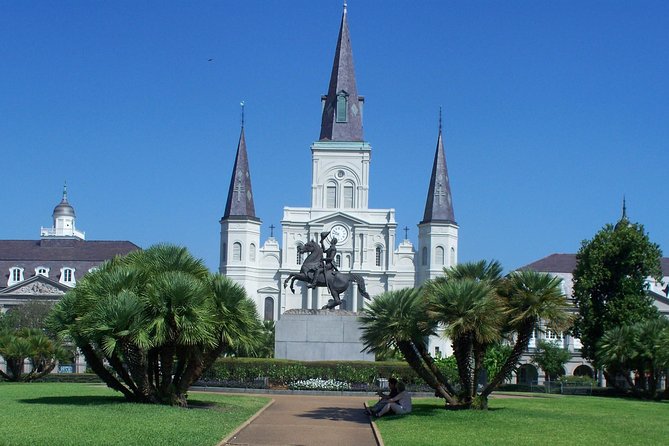
At the Louisiana Supreme Court, the guide explains preservation efforts that helped save the French Quarter from demolition. This is one of the most useful subjects on the route because it connects the Quarter you see today with the buildings that might not have survived.
Historic neighborhoods are not preserved by accident. Decisions about roads, development, old structures, and modern use shape what remains. A guide with urban-planning experience can make that process easier to understand.
The walk then reaches Exchange Alley, where the subject turns to conflicts between French and American interests after the Louisiana Purchase. Narrow lanes such as this can be easy to pass without a second thought. Here, the alley becomes a place to picture competing languages, customs, and political loyalties.
The route also includes Pirate’s Alley and colorful Royal Street. These passages provide some of the tour’s strongest visual moments, but the guide’s explanations are the main reason to pause. The value is not simply seeing a famous lane. It is learning what happened around it and how the Quarter changed over time.
Bevelo, Napoleon House, and the city’s odd details
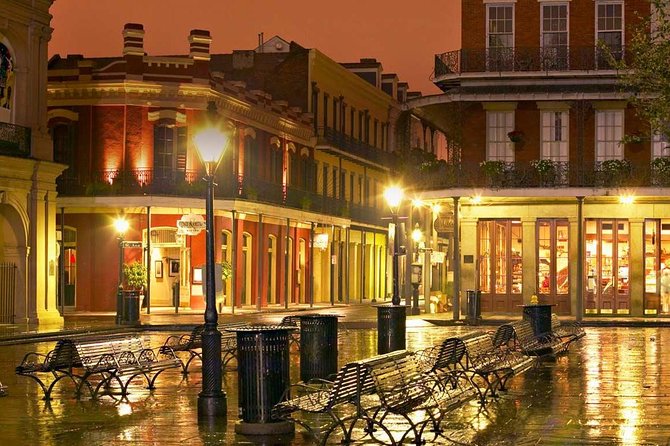
At the Bevelo gas light-making factory, you can watch craftsmen build lights by hand, according to the tour description. The guide discusses the history of gas lighting in New Orleans after 1803.
This is a particularly distinctive stop. Gas lighting is not the first subject most people associate with the French Quarter, yet it helps explain the atmosphere of the streets and the practical changes that came after American control. The hands-on craft element gives the stop something to look at as well as something to hear about.
The tour also visits the Napoleon House, where the guide discusses plans to rescue Napoleon Bonaparte and the food served there today. The stop combines local legend, international politics, and a present-day restaurant connection.
You do not need to purchase food or drinks, and lunch is not included. Still, the guide’s restaurant suggestions can be useful, especially if you take the tour near the beginning of your New Orleans stay. You can use the meal recommendations to plan what comes next instead of wasting time choosing lunch later.
Nunez House and the fires that changed the Quarter
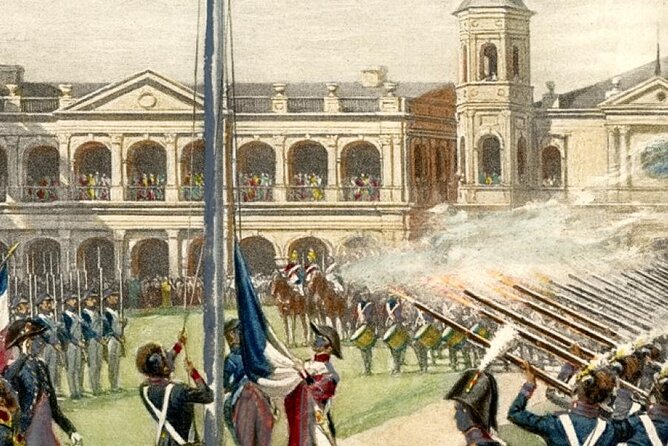
The Vincent Nunez House provides another close look at the city’s architecture. Here, the guide discusses the first major fire in New Orleans and how it changed the Quarter from French architectural influence toward Spanish forms.
This is the kind of stop that rewards careful looking. Fire is not just a dramatic event from the past. It affects building materials, street design, roof styles, balconies, and the rules used to rebuild. The story helps you see why the French Quarter does not represent one single architectural period.
The route also includes the Presbytery and other landmarks near the square. Together, these stops create a useful chain: founding, colonial government, American control, fire, rebuilding, and preservation. You come away with a clearer sense of the neighborhood as a place that kept changing, not a frozen historic set.
Price, group size, and what your money buys
The cost is $350 per group of up to four people. For four people, that works out to $87.50 each. For two people, it is $175 each, and for one person the cost is harder to justify unless private guiding is your top priority.
The price makes more sense for a family or small group that wants a private guide. You are paying for exclusive attention, a flexible pace, and the ability to shape the conversation. A larger group cannot join at the same rate, and the information says the cost is higher for additional visitors.
No transportation is included. That is not a serious problem here because the tour takes place on foot in the French Quarter, but you must reach the meeting point yourself. Food, drinks, lunch, souvenirs, and admission to unplanned attractions are also extra.
The tour has a five-star rating from 11 reviews, with 100 percent recommending it. The strongest praise centers on Dominick’s local knowledge, his clear explanations, his professional manner, and his patience with questions. One person who had visited New Orleans several times found that the tour revealed details they had missed by following the usual crowd. That is a useful clue about the experience: it is aimed at people who want context, not just a photo stop.
Walking conditions and the best time to go
You should have a moderate level of physical fitness. The route covers about 1.5 miles, but the uneven streets and sidewalks can make the walk more tiring than the distance suggests.
Wear supportive shoes and smart-casual clothing. The stated dress code is smart casual, and the walking surface is the more important concern. Service animals are allowed, and the meeting area is near public transportation.
Three departure times are offered, so you can choose the part of the day that works best for your schedule. The tour is often booked about 33 days ahead, which suggests you should reserve early if your dates are fixed.
Confirmation is sent within 48 hours of booking, subject to availability. Free cancellation is available up to 24 hours before the start time. If you cancel or change the booking inside that 24-hour window, the payment is not refunded.
Who should book this private French Quarter tour?
I would choose this tour for a first visit if you want a strong orientation to the Quarter, especially if you plan to explore more on your own afterward. It also suits repeat visitors who have seen Jackson Square and Royal Street but want to understand the streets more clearly.
Families and small groups benefit most from the private setup. You can ask questions without holding up a large crowd, and the guide can adjust the pace. History fans, architecture enthusiasts, and people interested in city planning should find plenty to discuss.
I would think twice if you want a museum-heavy experience with long interior visits. Several stops are exterior discussions, and admission is not included at the Cabildo or Pharmacy Museum. You should also reconsider if uneven pavement or three hours of walking will be uncomfortable.
Should you book it?
Book it if you want the French Quarter explained by a local guide rather than simply pointed out. Dominick’s background as a native New Orleanian and urban planner, combined with the private format, gives the walk a useful mix of local detail and citywide context.
The best value comes with four people sharing the $350 fee. Reserve early, wear good shoes, and ask about the Pharmacy Museum stop if you want to go inside. For an easygoing, question-friendly introduction to New Orleans history, this is a strong choice. For a cheap overview or a mostly indoor tour, it is not.
FAQ
How long is the Private French Quarter Walking Tour?
The tour lasts approximately three hours. The included description also gives a two to three-hour range, so you should allow a flexible half-day period.
How many people can join the private tour?
The price covers a maximum of four people per group. The information says the cost is higher for additional visitors.
Where does the tour start and finish?
You meet at Tableau by Dickie Brennan & Co., 616 St. Peter Street, New Orleans. The tour ends back at the meeting point.
Is the Mississippi River included?
Yes. The tour begins with a short walk to the banks of the Mississippi River, where the guide explains the river’s role in the founding and growth of New Orleans.
Are museum admissions included?
No. Admission to the Cabildo and the New Orleans Pharmacy Museum is not included. Food, drinks, lunch, souvenirs, transportation, and admission to unplanned attractions are also excluded.
Is the tour suitable for people with limited mobility?
The tour requires a moderate level of physical fitness. French Quarter streets and sidewalks are notably uneven, and the route covers about 1.5 miles on foot.
Can I cancel for a full refund?
Yes, if you cancel at least 24 hours before the experience begins. Cancellations or changes made less than 24 hours before the start time are not refunded or accepted.
Newest New Orleans tours we have written up
- New Orleans : Garden District Architecture Walking tour★ 4.8 · 5 reviews
- Ultimate Denver Day Out: Red Rocks, City Views & Ice Cream★ 5.0 · 7 reviews
- From New Orleans: Whitney and Laura Guided Plantation Tour★ 4.9 · 20 reviews
- Whitney Plantation and Soul of New Orleans City Tour Combo★ 5.0 · 13 reviews
- Treme Bar Crawl & Seafood Experience★ 4.2 · 7 reviews
- True Voodoo History of NOLA’s Congo Square with Local Guide★ 4.9 · 16 reviews
- Whitney Plantation Tour with Transportation★ 4.0 · 29 reviews
- Witches Coven Walking Tour in New Orleans★ 5.0 · 49 reviews
New Orleans French Quarter Tours, compared.
New Orleans Food Walking Tour of the French Quarter with Small-Group Option
Read our review →
New Orleans French Quarter, Voodoo and Culture Walking Tour
Read our review →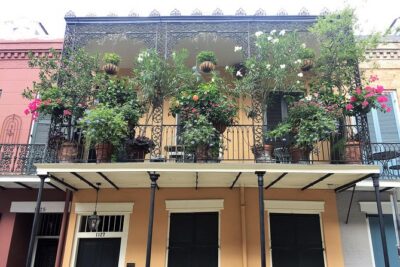
French Quarter Historical Sights and Stories Walking Tour
Read our review →
Ghost and Vampire Walking Tour Of The French Quarter
Read our review →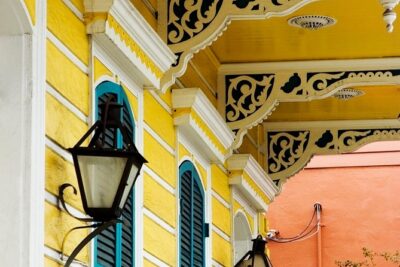
New Orleans City Tour: French Quarter, Garden District & Cemetery
Read our review →
New Orleans French Quarter Food Tour: Cajun, Creole and Culture
Read our review →
New Orleans French Quarter and More Carriage Ride
Read our review →
French Quarter walking Food Tour Famous Flavors of New Orleans
Read our review →Browse the lists this tour appears in