
Reviewed · NEW ORLEANS MUSEUM AND ATTRACTION TICKETS
Old Ursuline Convent Museum Ticket: New Pope Leo XIV Exhibit
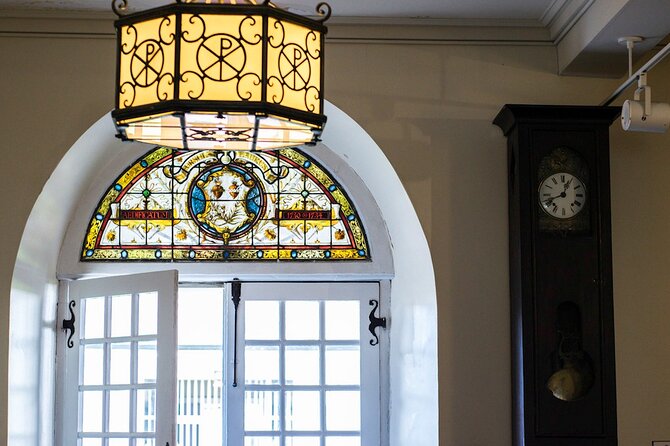
The most striking part of this visit is the building itself. The Old Ursuline Convent was built between 1745 and 1752 and is described as the oldest surviving building in the Mississippi River Valley. Inside, French Colonial architecture gives the museum a real sense of place, rather than the feel of a modern exhibit hall.
I like two things in particular: the Ursuline nuns’ practical story, which reaches far beyond church history, and the quiet courtyard, a welcome pause from the French Quarter’s noise. A guide named Guy has led especially informative visits, with a wealth of detail. The main consideration is the short opening window, Tuesday through Saturday from 10 a.m. to 2 p.m., so you need to plan around it.
Key points to know
- The convent is the main attraction: Built from 1745 to 1752, it is an important surviving example of French Colonial architecture.
- The Ursuline story is hands-on: Exhibits cover education, medical care, religious work, and daily life in early New Orleans.
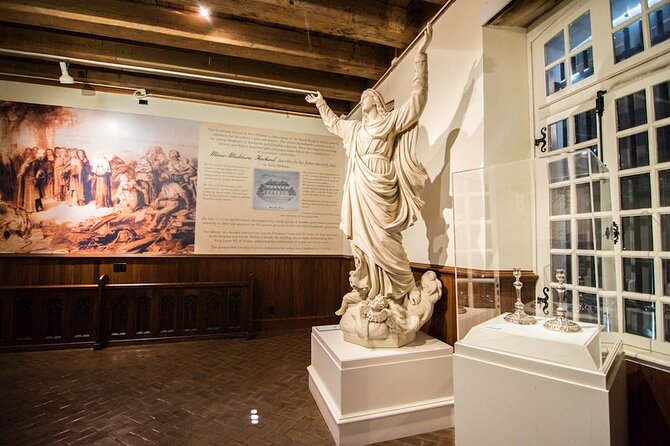
- Colonial objects make the past tangible: Look for religious statues, historic documents, and medical instruments used by the nuns.
- St. Mary’s Church adds a second setting: The 1845 church offers stained glass and a calm place for quiet reflection.
- The courtyard gives you breathing room: Flowers, shaded paths, and historic statues create a peaceful break from the French Quarter.
- The ticket costs $10: For that modest price, you receive museum admission and support both the Old Ursuline Convent and St. Louis Cathedral.
Why the Old Ursuline Convent Matters in New Orleans
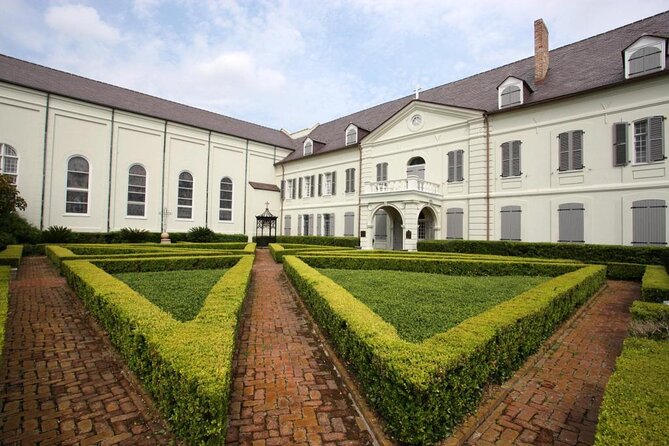
New Orleans can make history feel theatrical. At the Old Ursuline Convent, it feels more practical and personal. The building connects you with the people who lived and worked there, especially the Ursuline nuns who arrived in 1727.
Their work shaped early New Orleans in several ways. They educated young girls, cared for the sick, and helped build the city’s religious and social life. That gives the museum a broader focus than church art alone. You are looking at education, health care, faith, and community service in one place.
I find this kind of history especially useful when you are trying to understand a city. The nuns were not simply religious figures behind convent walls. Their work affected families and institutions across the young settlement.
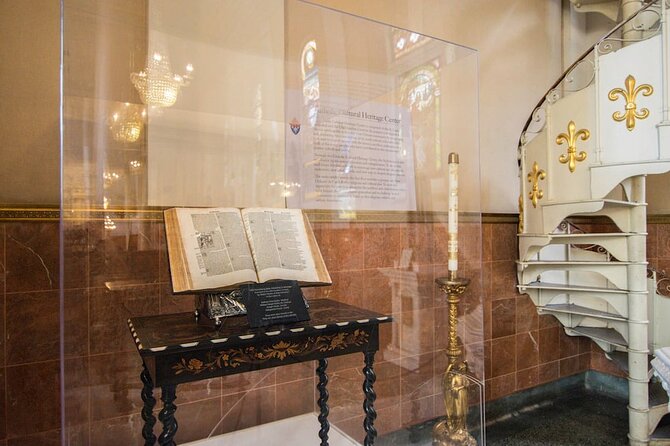
The exhibits include religious statues, historic documents, and medical instruments used by the nuns. These objects help connect big historical subjects to ordinary tasks. A medical instrument, for example, can tell you more about the demands of daily care than a long wall of dates.
The new Pope Leo XIV exhibit is part of the ticketed experience. The available information does not give details about its objects or layout, so you should treat it as an added feature rather than plan your entire visit around a particular display. The convent’s older collections and architecture remain the clearest reason to come.
More museum and attraction tickets in New Orleans:
- The National WWII Museum Admission Ticket New Orleans
★ 5.0 · 2,202 reviews - French Quarter Walking Tour With Comp 1850 House Museum Admission
★ 5.0 · 781 reviews - New Orleans: The National WWII Museum Ticket
★ 4.8 · 704 reviews
Entering a 1745 French Colonial Building
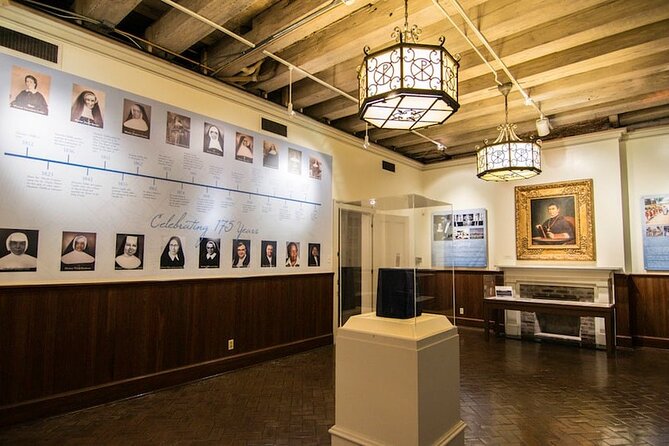
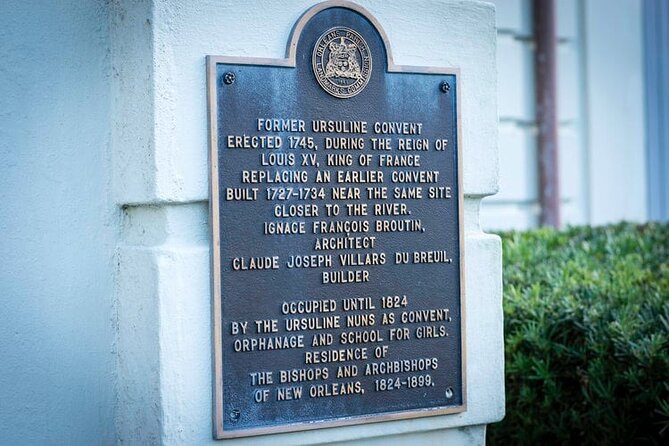
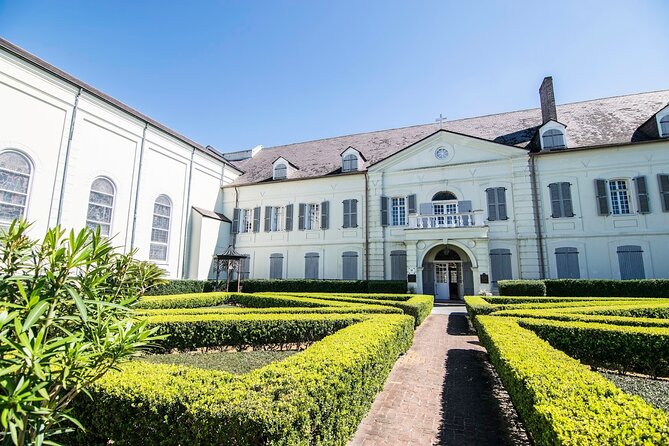
The convent was built between 1745 and 1752. It is identified as the oldest surviving building in the Mississippi River Valley, a fact that gives your visit unusual weight before you even reach the displays.
Architecture here is not just decoration around the museum. The building is part of the evidence. Its French Colonial form helps you picture the setting in which the Ursuline community worked, taught, and cared for the sick.
I like museums that let the place carry part of the story. At this convent, the walls and rooms help explain the age of New Orleans without asking you to imagine everything from labels alone. The setting gives the exhibits a natural frame.
Keep your expectations sensible. This is a historic museum in an old religious building, not a large modern institution with endless galleries and elaborate interactive displays. The visit is compact, focused, and best suited to careful looking.
The planned visit lasts about one to two hours. That is enough time to examine the objects, take in the architecture, visit the church, and spend a little time outdoors. If you read every label slowly or pause for quiet reflection, you may want the full two hours.
Following the Ursuline Nuns’ Work
The nuns arrived in 1727, making their story one of the early chapters of New Orleans. Their role in educating young girls is especially important because it shows how schooling developed in a young colonial city.
The museum also presents their care for the sick. Medical instruments used by the nuns bring this part of the story close to hand. You can think about the skill, discipline, and responsibility required to treat illness in a period long before modern medical systems.
Religious statues and historic documents add another layer. Together, these objects show how faith and civic life overlapped. The convent was not isolated from the community. It was part of the work of forming one.
I would give this section time even if religious history is not your main interest. The displays offer a look at women’s work, education, health care, and local institutions. Those subjects make the museum worthwhile for a wider audience than church-history specialists.
The experience may be especially useful for families with older children, students, and anyone trying to place New Orleans’ early development in context. Younger children may appreciate the objects, but the meaning of the documents and medical equipment could require explanation.
A Quiet Look Inside St. Mary’s Church
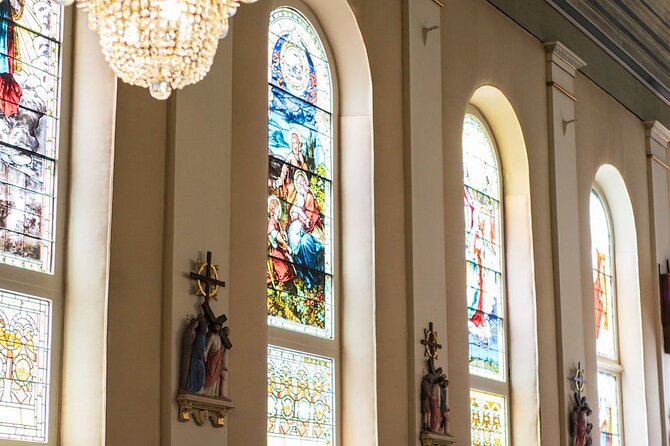
St. Mary’s Church was added in 1845, later than the convent itself. Its stained glass gives the visit a visual change of pace, while the quiet atmosphere offers a place to slow down.
I like this contrast. The convent tells an earlier story through its colonial structure and objects. The church introduces a later setting with different architectural details and a more formal worship space.
You do not need to rush through the church simply because the ticket is centered on the museum. A few quiet minutes here can balance the factual side of the visit. Look up at the stained glass, notice the atmosphere, and let the setting speak without trying to turn every moment into a lesson.
The church also helps show that the site continued to develop over time. You are not seeing one frozen period of New Orleans history. You are seeing a place that changed while remaining connected to its original religious purpose.
Because the experience includes both the convent museum and the church, the $10 price feels reasonable even for a short visit. You are paying for access to a historic site with several distinct parts, not just a single room of objects.
A few more New Orleans tours worth comparing
- The National WWII Museum Campus Pass plus 4-D Film
★ 5.0 · 672 reviews - New Orleans Storyville Museum All Access Ticket
★ 5.0 · 73 reviews - Whitney Plantation and Museum Tour from New Orleans
★ 4.5 · 69 reviews - New Orleans: Whitney Plantation & Museum Tour
★ 4.8 · 59 reviews
Taking a Break in the Courtyard
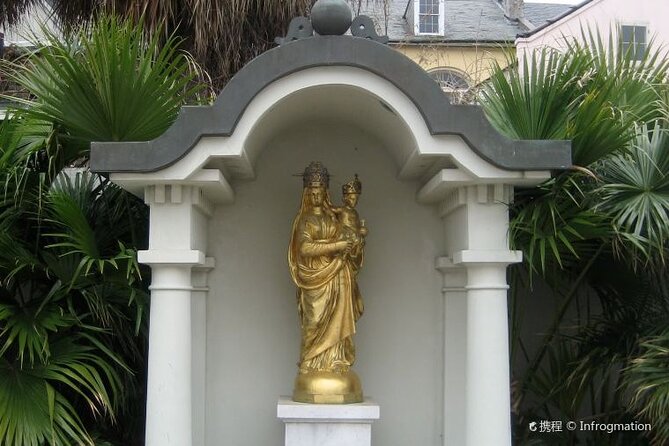
The courtyard is one of the most appealing parts of the visit. It offers fragrant flowers, shaded walkways, and historic statues in a quiet setting.
This matters because the French Quarter can be intense. Streets, shops, and crowds can fill your senses quickly. The convent courtyard gives you a calmer place to pause without leaving the historic center.
I would not treat the garden as a separate garden tour. It is a peaceful part of the museum visit, not a large formal garden with a long route. Its value comes from the atmosphere and the contrast with the surrounding city.
Spend a few minutes here after seeing the indoor exhibits. The change from documents and medical instruments to flowers and shade helps the visit feel less hurried. It also gives you time to think about the people who once lived and worked on this site.
The courtyard may be a strong reason to include this stop in a busy day. You can learn something, see important architecture, and get a quiet pause without committing half a day to a major attraction.
The Pope Leo XIV Exhibit and What to Expect
The ticket is specifically presented as including a new Pope Leo XIV exhibit. That makes the experience appealing to visitors interested in current Catholic history as well as New Orleans’ colonial past.
At the same time, no detailed information is provided about the exhibit’s size, objects, interpretation, or exact placement within the museum. I would book this visit for the full convent experience, then regard the Pope Leo XIV display as an additional reason to go.
That approach keeps your expectations in line with what is confirmed. You will have a historic convent, religious and local artifacts, St. Mary’s Church, a courtyard, and the added exhibit. You should not assume a large special exhibition or a long guided presentation unless the museum provides more details before your visit.
A named guide, Guy, has been praised for providing a wealth of information. Guide availability can vary, so do not assume he will lead every visit. If he is guiding your session, you may find that his commentary adds useful context to the objects and building.
What $10 Gets You
At $10 per person, this is one of the easier cultural stops to fit into a New Orleans itinerary. The price is low enough that you do not need to spend hours inside to feel you received value.
The ticket includes admission to the Old Ursuline Convent Museum. It also supports the Old Ursuline Convent and St. Louis Cathedral, so your fee helps maintain two important religious and historic sites.
Value here comes from the combination of features:
- A building dating from 1745 to 1752
- Artifacts tied to colonial New Orleans
- The story of the Ursuline nuns
- Access to St. Mary’s Church
- A peaceful courtyard
- The Pope Leo XIV exhibit
I would call the price particularly fair if you already plan to explore the French Quarter. The convent adds historical depth without requiring a separate full-day outing. It also gives you something different from the district’s food, music, and street scenes.
The value is less obvious if you want a highly structured tour with a long presentation or a large number of galleries. This is a relatively small, focused experience. You are paying for place, atmosphere, and selected objects rather than volume.
Planning Around the Short Opening Hours
The museum is open Tuesday through Saturday from 10 a.m. to 2 p.m. for the stated operating period of July 7, 2025 through February 16, 2027. Those hours are important. A four-hour daily window leaves little room for an unplanned visit.
I would aim for a morning arrival or make this your first French Quarter stop after lunch is not possible. Since the site closes at 2 p.m., check the local time carefully and allow enough room for the one to two hour visit.
The mobile ticket makes entry planning easier. Confirmation is provided at booking, so keep the ticket available on your phone. Food and drink are not allowed or provided inside the convent, so plan refreshments outside the museum.
The site is near public transportation. Service animals are allowed, and most people can participate. Those details make it a practical stop for many visitors, but the supplied information does not provide specific details about ramps, seating, stairs, or restroom facilities. If those features matter to you, contact the provider before booking.
Free cancellation is available if you cancel at least 24 hours before the experience start time. Changes or cancellations inside that 24-hour window are not accepted for a refund, and the cut-off uses local time.
Who Will Get the Most From This Visit
I would recommend the museum to anyone who likes historic buildings more than polished attractions. The convent is the kind of place where the setting carries as much meaning as the collection.
It suits visitors interested in:
- Early New Orleans
- French Colonial architecture
- Catholic history
- Women’s education and community work
- Historic medical care
- Quiet courtyards and churches
- Small museums that fit into a larger day
Families can use the exhibits as a starting point for talking about school, medicine, and daily life in the past. The medical instruments may catch a child’s attention, while the courtyard gives everyone a break from indoor viewing.
The visit also works for people who want a slower moment in the French Quarter. You will not need a full day, and the ticket is inexpensive enough to add without much risk.
I would be more cautious if your main goal is a long guided tour or a detailed account of Pope Leo XIV. The information available confirms the exhibit’s presence but does not describe its scale. The convent and Ursuline story are the dependable center of the experience.
Should You Book the Old Ursuline Convent Museum Ticket?
Book it if you want a compact, affordable look at New Orleans through an important historic building. The combination of colonial artifacts, the Ursuline nuns’ work, St. Mary’s Church, and the shaded courtyard gives you more variety than the one to two hour duration suggests.
The strongest reasons to go are the convent’s age, the practical story of education and medical care, and the calm setting. The $10 fee is easy to justify, especially since ticket sales support the Old Ursuline Convent and St. Louis Cathedral.
Skip it if your schedule cannot accommodate the narrow 10 a.m. to 2 p.m. hours, or if you expect a large museum with extensive displays. For most history-minded visitors with time in the French Quarter, though, this is a smart small stop. Plan carefully, bring your mobile ticket, and give the courtyard and church enough time to register.
FAQ
Where is the Old Ursuline Convent Museum experience located?
It is located in New Orleans, USA.
How much does admission cost?
The ticket costs $10 per person.
How long does the visit take?
The visit takes approximately one to two hours.
What are the museum’s opening hours?
For the stated operating period from July 7, 2025 through February 16, 2027, it is open Tuesday through Saturday from 10 a.m. to 2 p.m.
Is the Pope Leo XIV exhibit included?
Yes. The experience is presented as an Old Ursuline Convent Museum ticket that includes the new Pope Leo XIV exhibit.
What else can I see with the ticket?
Admission includes the Old Ursuline Convent Museum, St. Mary’s Church, and the peaceful courtyard areas connected with the site.
Is food or drink available inside the museum?
No. Food and drink are not allowed or provided within the museum convent.
Are service animals allowed?
Yes, service animals are allowed.
Can I use public transportation to reach the site?
The museum is near public transportation.
What is the cancellation policy?
You can cancel at least 24 hours before the experience start time for a full refund. Cancellations or changes made less than 24 hours before the start time are not accepted for a refund.
Newest New Orleans tours we have written up
- New Orleans : Garden District Architecture Walking tour★ 4.8 · 5 reviews
- Ultimate Denver Day Out: Red Rocks, City Views & Ice Cream★ 5.0 · 7 reviews
- From New Orleans: Whitney and Laura Guided Plantation Tour★ 4.9 · 20 reviews
- Whitney Plantation and Soul of New Orleans City Tour Combo★ 5.0 · 13 reviews
- Treme Bar Crawl & Seafood Experience★ 4.2 · 7 reviews
- True Voodoo History of NOLA’s Congo Square with Local Guide★ 4.9 · 16 reviews
- Whitney Plantation Tour with Transportation★ 4.0 · 29 reviews
- Witches Coven Walking Tour in New Orleans★ 5.0 · 49 reviews
New Orleans Museum and Attraction Tickets, compared.

The National WWII Museum Admission Ticket New Orleans
Read our review →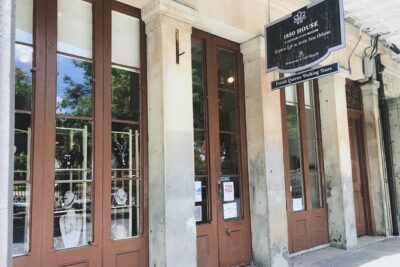
French Quarter Walking Tour With Comp 1850 House Museum Admission
Read our review →

The National WWII Museum Campus Pass plus 4-D Film
Read our review →
New Orleans Mardi Gras World Behind-the-Scenes Tour
Read our review →


Browse the lists this tour appears in