
Reviewed · NEW ORLEANS PLANTATION TOURS
New Orleans Plantation Tour with Transportation
Louisiana’s plantation country is not just about grand white houses and oak-lined drives. This tour also takes you to Creole cottages, slave cabins, gardens, and working-life remains, giving you a fuller picture of the people who lived on these properties. Oak Alley supplies the postcard setting, while Laura Plantation brings family stories and West African folktales to the center.
I like the private hotel pickup and the chance to spend the day with guides such as Benjamin and Pam, whose presentations are praised for being clear, friendly, and entertaining. I also like that the tour does not avoid slavery or the plantation system. The main drawback is the price: at $297.50 per person for about three and a half hours, it is a serious purchase, and the exact balance of stops may feel quick if you want long, unhurried visits.
Key points to know before booking
- Laura Plantation uses family documents: Its 70-minute tour draws on 5,000 pages from the French National Archives and follows seven generations of free and enslaved residents.
- Oak Alley delivers the classic view: A quarter-mile avenue lined with 28 giant live oaks leads toward the 1839 mansion.
- Evergreen preserves an unusually complete complex: The property has 37 National Register buildings, including 22 slave cabins in their original double row.
- The tour treats slavery as central history: Slave cabins, labor systems, family accounts, and the American slave trade are part of the visit.
- Benjamin and Pam may guide the experience: Benjamin is praised for his New Orleans history and cultural explanations, while Pam is noted for lively storytelling at Laura.
- Transport is private: Pickup is available from a location of your choice within New Orleans city limits, with only your group participating.
Why this plantation tour is different
Many plantation visits focus on a handsome main house. That can leave you with a polished picture of wealth but little sense of how the estate functioned. This experience gives you several angles: formal rooms, gardens, worker housing, sugar-making equipment, family records, and the difficult story of enslavement.
That balance matters. The grand homes show how plantation owners wanted to present themselves. The cabins, kitchens, wells, gardens, and railroad remains show the labor that made the system work. You are not asked to look at architecture in isolation.
The day is led by a private guide, with Benjamin named in the available feedback and Pam specifically praised for her presentation at Laura Plantation. Benjamin is described as friendly, helpful, and strong on the history of New Orleans and local customs. That kind of guide can make a big difference on a short outing, especially when the subject involves names, family connections, French and Creole traditions, and the legacy of slavery.
The tour has a 5 out of 5 rating from nine reviews, with particular praise for the guides, cultural explanations, storytelling, and beautiful grounds. That is a small review sample, so I would not treat it as a guarantee. Still, the praise points to the experience’s strongest feature: human interpretation rather than a simple drive past old houses.
More River Road plantation tours:
- Swamp Boat Ride and Oak Alley Plantation Tour from New Orleans
★ 5.0 · 3,303 reviews - Oak Alley Plantation Tour with Transportation from New Orleans
★ 4.5 · 1,747 reviews - Whitney Plantation Tour with Transportation from New Orleans
★ 4.5 · 1,351 reviews
Leaving New Orleans at 9:00 am
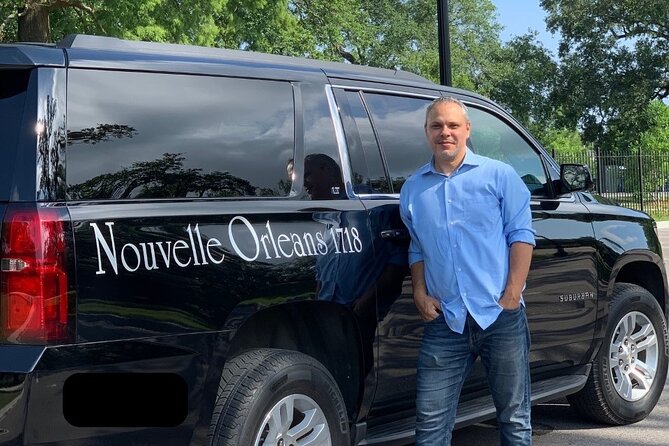
Pickup begins at 9:00 am from a location of your choice within New Orleans city limits. Private transportation is included, and only your group takes part. That makes the start much easier than arranging a rental car, finding rural plantation addresses, and managing separate admission plans.
The private format is especially useful if your group wants to ask questions or keep the day focused. You are not sharing the vehicle with a large crowd, and the guide can speak directly to your interests. The tradeoff is cost. At $297.50 per person, the private setup is a major part of what you are paying for.
The stated duration is about three hours and 30 minutes. That is enough time for a strong introduction to plantation country, but not enough for slow, detailed exploration of every building and garden named in the tour description. Keep your expectations realistic. This is a compact outing with several significant sites, not an all-day archaeology visit.
The experience is offered in English. Confirmation is sent within 48 hours of booking, subject to availability, so do not leave the reservation until the last possible moment if your schedule is tight. The tour is private, and service animals are allowed. Most people can participate, and the pickup area is within New Orleans city limits.
Oak Alley and the famous quarter-mile approach
Oak Alley is described as the Grand Dame of River Road, and its visual appeal is easy to understand. The home was built in 1839 and was first called Bon Séjour, meaning pleasant sojourn. Its name changed because of the quarter-mile avenue of 28 giant live oaks leading toward the house.
This is the stop that supplies the classic Louisiana plantation image. The trees form a long, shaded corridor, framing the mansion at the far end. Steamboat passengers once helped give the property its familiar name after seeing the oak avenue from the river.
You should come here ready for a strong architectural and photographic setting. The oak avenue is the main event in the information provided, and it explains why Oak Alley is among the most photographed plantations in Louisiana. If your main goal is grand architecture and a memorable approach to a historic home, this part of the day should satisfy you.
There is also a limit to the postcard view. The avenue tells only one part of plantation life. It shows the estate’s public face, not the full labor system that supported it. That is why the later stops matter. They add worker housing, gardens, family accounts, and practical evidence of sugar production.
The supplied schedule names Oak Alley as part of the route but does not specify an admission time or a detailed guided-house visit. I would therefore treat it primarily as a scenic and historical stop unless your confirmation gives you more precise details.
Laura Plantation and seven generations of Creole life
Laura Plantation is the most story-driven stop. Its 70-minute tour is based on 5,000 pages of documents from the French National Archives. Those records follow seven generations of free and enslaved people who lived at the plantation.
That source material gives the visit a human scale. Instead of hearing only about owners and dates, you encounter family relationships and individual lives. The focus on Creole plantation life also helps explain that Louisiana’s past cannot be reduced to a single Southern plantation model. French cultural roots, local customs, family connections, and the lives of enslaved people all form part of the story.
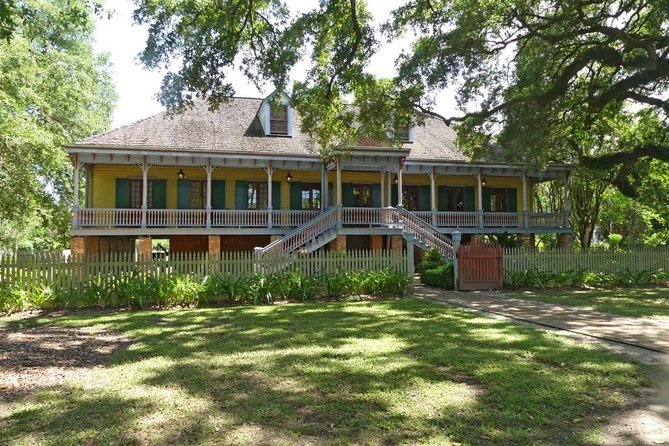
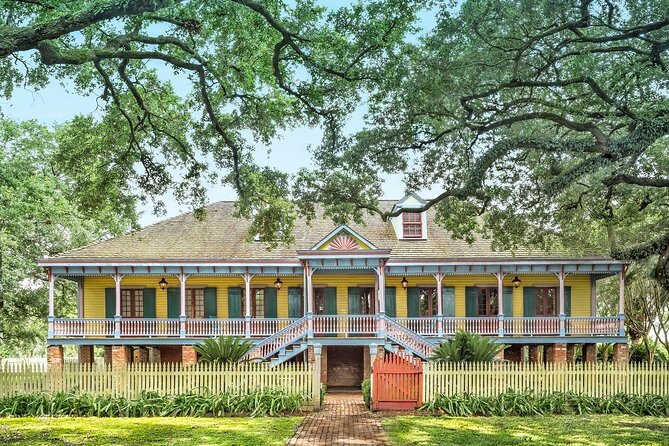
Laura’s grounds include a restored Manor House, formal and kitchen gardens, a Banana-Land grove, Creole cottages, and slave cabins. The variety of buildings helps you see how the estate was organized. The main house represents the family at the top of the system. The kitchens, cottages, and cabins show the different spaces where work and daily life took place.
The plantation is also known for the West African stories once told by formerly enslaved people to folklorist Alcée Fortier. Those stories were recorded at the slave cabins in the 1870s and later became known in English as the Tales of Br’er Rabbit.
That connection is one of Laura’s most unusual features. You are not simply looking at old structures. You are standing at a place tied to the preservation and reshaping of African American oral tradition. It also raises important questions about who recorded these stories, how they were translated, and how the voices of formerly enslaved people entered popular culture.
The guide matters here. Pam is specifically praised for entertaining storytelling, while Benjamin is praised for explaining local history and culture. If Pam is leading the Laura portion, expect a lively presentation rather than a dry list of dates. If Benjamin is with you for the full day, his background in New Orleans history should help connect the plantation to the city.
Laura is listed with admission included, which removes one common hassle. The stated tour length is 70 minutes, while the itinerary also gives Laura a one-hour-30-minute allocation. Plan on roughly an hour to an hour and a half for this stop, depending on the day’s exact schedule.
A different side of New Orleans for another evening:
- New Orleans Premier Ghost, Voodoo and Vampire Walking Tour
★ 4.5 · 12,856 reviews - New Orleans Steamboat Natchez Jazz Cruise with Dinner Option
★ 4.0 · 7,533 reviews - Adults-Only New Orleans Ghost, Crime, Voodoo, and Vampire Tour
★ 5.0 · 6,545 reviews - New Orleans Food Walking Tour of the French Quarter with Small-Group Option
★ 5.0 · 6,118 reviews
Evergreen Plantation and the physical evidence of labor
Evergreen Plantation is presented as the South’s most intact plantation complex. Its 37 buildings on the National Register of Historic Places include 22 slave cabins arranged in their original double row.
That arrangement is important. A single preserved cabin can feel like an isolated exhibit. A double row shows a settlement pattern and gives you a clearer sense of scale. You can better understand that enslaved people did not live as an abstract workforce. They lived in families and communities, under an oppressive system that controlled their movement, labor, and personal lives.
The number of buildings also gives Evergreen a practical strength. Plantation life depended on more than the main residence. Kitchens, quarters, storage areas, work buildings, wells, and transport systems all played a role. A large preserved complex lets you look beyond the mansion and ask how the entire operation functioned.
The tour information also connects Evergreen with enormous live oaks. Sixteen are registered with the Live Oak Society of Louisiana, and some are named after family members. The largest has a girth of 23 feet, and officials estimate the trees at about 300 years old.
Four of the large oaks shade the backyard well at the St. Joseph home. Nearby are a 10-foot-wide iron syrup kettle, several framed slave quarters, a detached kitchen, and remains of a narrow-gauge railroad once used to carry sugar cane from the fields.
These details give the site a strong sense of working agriculture. The syrup kettle is not decoration. It points to sugar production and the industrial side of plantation life. The railroad remains show how cane moved across the property. The well, kitchen, and quarters connect the grand home to the daily tasks that kept the estate operating.
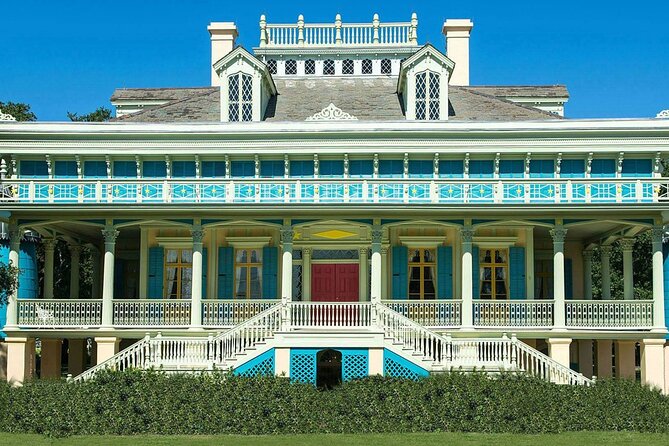
The St. Joseph home has 16 rooms, double-wide French doors for cross-ventilation, and cypress plank floors polished through years of waxing. Those features tell you something about climate and construction. The doors helped air move through the house in hot weather, while cypress was a practical local building material.
Evergreen can be particularly valuable if you want to understand the plantation as a system rather than a single residence. The possible drawback is time. With so many buildings and features, a short visit can leave you wishing for more time to examine the cabins and working areas closely.
How the slavery history is handled
The tour directly addresses the American slave trade and its effects. That is essential, not an optional add-on. The plantations’ beauty can otherwise soften or hide the violence and exploitation that supported their wealth.
At Laura, the stories of free and enslaved families bring individual lives into view. At Evergreen, the cabins and work structures make the scale of forced labor harder to ignore. The gardens, kitchens, syrup equipment, wells, and railroad traces all help explain the work that enslaved people were compelled to perform.
I appreciate that the tour includes physical places connected to enslaved life rather than discussing slavery only inside a formal mansion. The cabins are not background scenery. They are central evidence.
You should also expect the day to carry emotional weight. The material includes family separation, forced labor, the American slave trade, and the unequal power structure of plantation society. The precise tone will depend on the guide, but the subject itself calls for attention and respect.
The strongest version of this tour is one where you listen for both the plantation owners’ records and the stories of enslaved people. Laura’s archival basis and the Br’er Rabbit connection help bring those voices forward. Evergreen’s preserved cabin rows and work features give the history a physical setting.
What $297.50 per person buys you
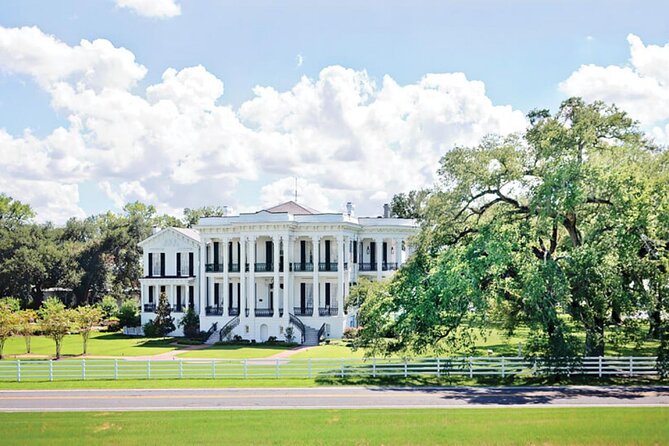
The price is $297.50 per person, which places this experience well above a basic plantation admission or a standard group outing. You are paying for private transportation from your New Orleans hotel or other city location, a private group format, guide service, and access to at least Laura Plantation.
The value depends on your priorities. If you would need to rent a car, find the plantations yourself, arrange entry, and build a route through River Road, the convenience has real worth. A private guide can also make a short visit more useful by explaining the connections among Creole culture, New Orleans, sugar production, and slavery.
If you are mainly looking for a cheap way to see one famous oak avenue, this is not a good value. Oak Alley’s scenery can be appreciated without needing a full private day at this price. The tour earns its cost only if you want the broader historical treatment, private transport, and direct guidance.
The small number of available ratings makes it hard to judge consistency across many departures. Still, every listed rating is five stars, and the praise focuses on the areas that matter most here: clear history, cultural lessons, local origins, friendly guidance, storytelling, and attractive grounds.
Who will get the most from this tour
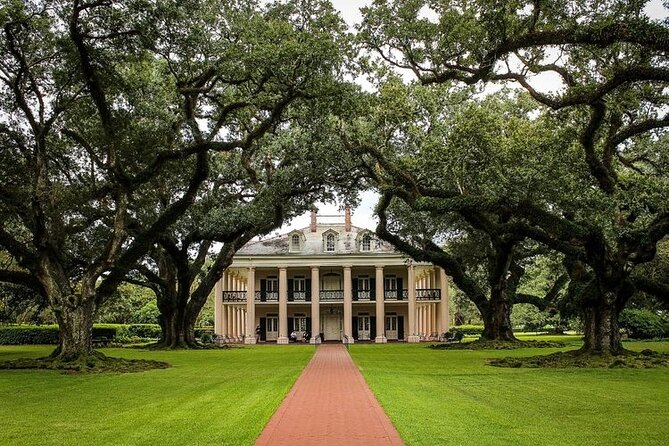
I would recommend this experience to you if you want more than a pretty plantation photograph. It suits people interested in Louisiana Creole culture, architecture, African American history, sugar production, family stories, and the way historic sites preserve difficult subjects.
It is also a good match for small groups who value privacy and door-to-door transport. Benjamin’s friendly approach and cultural explanations may appeal to anyone who wants to connect plantation history with New Orleans. Pam’s storytelling style should suit you if you learn best through personal accounts and narrative.
Families and mixed-interest groups may also find the range of stops useful. The oak avenue offers visual appeal, the homes provide architecture, the gardens add variety, and the cabins and labor remains give the day serious historical purpose.
I would hesitate if you dislike tightly scheduled visits or want several hours at each plantation. The experience lasts about three and a half hours and covers multiple properties and themes. You will see a lot, but you may not have time for every building or extended independent walk.
The non-refundable policy also deserves attention. Once booked, the experience cannot be changed or refunded for any reason. Check your New Orleans schedule carefully before paying.
Should you book it?
Book this tour if you want a private, guided introduction to Louisiana plantation country that combines beauty with uncomfortable facts. Oak Alley gives you the famous live-oak approach, but Laura and Evergreen add the stories, cabins, gardens, work structures, and sugar-production details that make the day worthwhile.
At $297.50 per person, I would not call it a casual purchase. The value comes from private transportation, a small-group setting, and guides such as Benjamin and Pam who can make the history easier to follow. If your budget allows and you want context rather than a quick photo stop, this is a strong choice.
Skip it if you only want a mansion tour, need flexible cancellation, or prefer to explore at a slow pace. For everyone else, the best reason to book is simple: you will see the grand homes, but you will also be asked to look at the people and labor that made them possible.
FAQ
Where does the tour begin?
Pickup is available from a location of your choice within New Orleans city limits.
What time does pickup begin?
The stated start time is 9:00 am.
How long does the tour last?
The experience lasts approximately three hours and 30 minutes.
Is transportation included?
Yes. Private transportation from New Orleans hotels or another chosen location within city limits is included.
Is this a private tour?
Yes. Only your group participates in the activity.
What language is the tour offered in?
The tour is offered in English.
Is admission to Laura Plantation included?
Yes. Admission to Laura Plantation is included.
What is the price?
The listed price is $297.50 per person.
Can I cancel or change the booking?
No. The experience is non-refundable and cannot be changed for any reason after booking.
Newest New Orleans tours we have written up
- New Orleans : Garden District Architecture Walking tour★ 4.8 · 5 reviews
- Ultimate Denver Day Out: Red Rocks, City Views & Ice Cream★ 5.0 · 7 reviews
- From New Orleans: Whitney and Laura Guided Plantation Tour★ 4.9 · 20 reviews
- Treme Bar Crawl & Seafood Experience★ 4.2 · 7 reviews
- True Voodoo History of NOLA’s Congo Square with Local Guide★ 4.9 · 16 reviews
- Whitney Plantation and Soul of New Orleans City Tour Combo★ 5.0 · 13 reviews
- Whitney Plantation Tour with Transportation★ 4.0 · 29 reviews
- Witches Coven Walking Tour in New Orleans★ 5.0 · 49 reviews
New Orleans Plantation Tours, compared.
Swamp Boat Ride and Oak Alley Plantation Tour from New Orleans
Read our review →
Oak Alley Plantation Tour with Transportation from New Orleans
Read our review →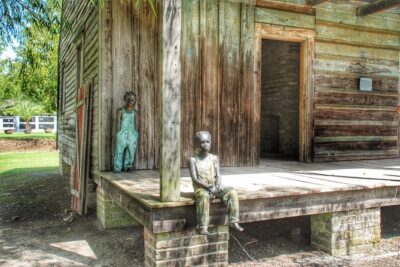
Whitney Plantation Tour with Transportation from New Orleans
Read our review →

Airboat and Plantations Tour with Gourmet Lunch from New Orleans
Read our review →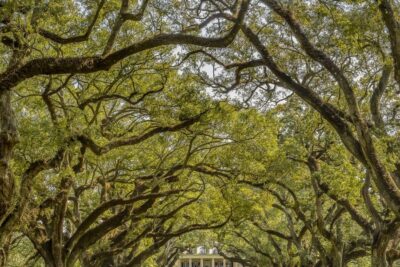
Bayou Swamp Tour and Oak Alley Plantation Tour
Read our review →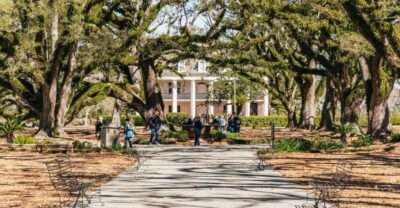
Oak Alley Plantation & Airboat Swamp Combo Tour
Read our review →
Oak Alley Plantation and Large Airboat Swamp Tour from New Orleans
Read our review →Browse the lists this tour appears in