
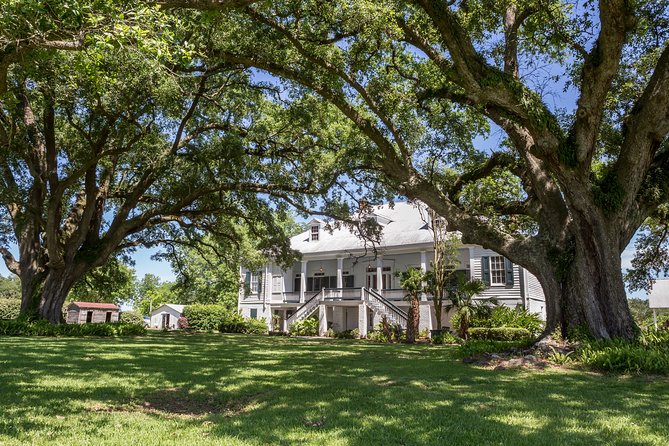
Reviewed · NEW ORLEANS PLANTATION TOURS
St. Joseph Plantation Tour
St. Joseph Plantation gives you a close look at the sugarcane industry without the crowds found at some of the better-known plantation sites. The working sugarcane farm and family connection make this feel more personal than a quick pass through a preserved showplace.
I like two things right away: you can take pictures inside the house, and the price is a reasonable $24. The guide also makes time for questions, which matters when the past raises more questions than a display label can answer. The main drawback is that the visit is fairly focused, so you should not expect a full-day outing or a large collection of attractions.
Key Points
- Working sugarcane farm: See a plantation site that remains tied to sugarcane agriculture.
- Indoor photography allowed: You can document the ancestral home, unlike at many historic houses.
- Family-owned setting: St. Joseph was purchased by the family after the Civil War and is still presented as an intimate home and farm.
- One to two hours: The visit fits neatly into a River Road day with other plantation stops.
- English-language tour: The experience is offered in English, with admission included.
- Good value at $24: You get a focused look at plantation life without paying for a much longer attraction.
A Working Sugarcane Farm Instead of a Silent House
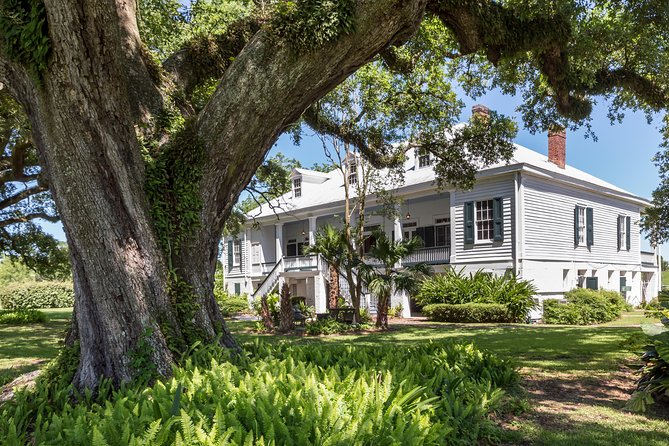
St. Joseph and Felicity Plantation offers something important: the setting is still connected to sugarcane farming. You are not only looking at rooms and old objects. You are visiting an active sugarcane farm, which gives the agricultural story a practical point of reference.
That matters because plantation history can become too tidy when it is presented only through furniture, architecture, and family portraits. Here, sugar production remains part of the place itself. You can connect the grounds and farm to the industry that shaped this part of Louisiana.
The plantation is also an ancestral home. The family purchased it after the Civil War, and that later ownership gives the site a different frame from plantations preserved solely as symbols of the antebellum period. Your visit can therefore include both the plantation era and the family’s continued relationship with the property.
I find that combination useful. You get the older story of plantation labor and sugar production, along with the later story of a family maintaining its home and farm. The two threads help you see the site as a living property rather than a frozen historical set.
More River Road plantation tours:
- Swamp Boat Ride and Oak Alley Plantation Tour from New Orleans
★ 5.0 · 3,303 reviews - Oak Alley Plantation Tour with Transportation from New Orleans
★ 4.5 · 1,747 reviews - Whitney Plantation Tour with Transportation from New Orleans
★ 4.5 · 1,351 reviews
What Your One to Two Hours Includes
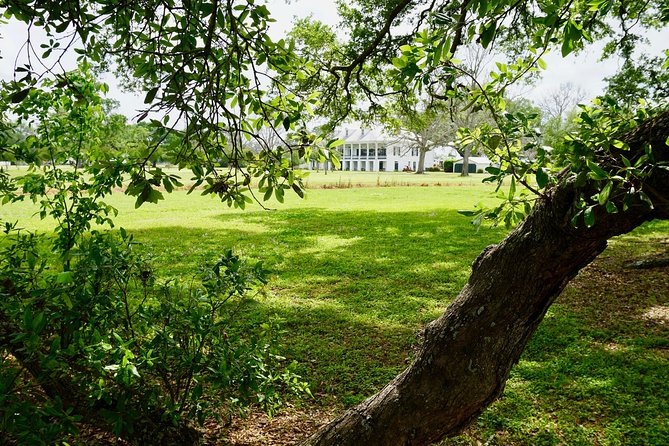
The visit centers on St. Joseph and Felicity Plantation, including the house, grounds, exhibits, and farming connection. Admission is included in the $24 ticket, so you do not need to sort through separate charges once you arrive.
Plan on about one to two hours. That is enough time for a focused visit, but it also tells you what this experience is not. It is not designed to fill an entire day with multiple buildings, long walks, or a broad program of activities.
I like this length for a River Road itinerary. You can give the plantation proper attention, then continue to another stop instead of spending the whole day in one place. If you have only a short window, the compact format also makes the tour easier to fit into your plans.
The exact balance between the house, exhibits, and grounds may depend on the pace of the visit. You should expect the tour to explain plantation life and sugar production while giving you time to take in the property itself. The setting rewards attention, so avoid treating it as a rushed photo stop.
Inside the Ancestral Home
The house is one of the strongest reasons to choose St. Joseph. You are invited into a family home with a direct connection to the property, rather than simply viewing the exterior from a path.
The most useful rule here is simple: indoor photography is allowed. Many historic houses restrict cameras once you cross the threshold. At St. Joseph, you can take pictures inside, which helps if you want to remember room details or share the visit with someone who could not join you.
Photography also encourages you to look closely. You may notice the arrangement of a room, a household object, or an exhibit detail that you would otherwise pass by. Just remember that taking pictures should support the visit, not replace it. Listen first, then use your camera to record what helps you understand the place.
The home is presented as an intimate family setting. That can be more appealing than a grand house tour if you prefer a personal scale. On the other hand, anyone expecting a huge mansion or an extensive museum collection should keep expectations in check. The strength here is connection and atmosphere, not sheer size.
Sugar, Labor, and the Plantation Story
The sugar industry is the main historical subject. The tour helps you understand that this was an agricultural operation built around sugarcane, not merely a country residence with attractive grounds.
Sugar production shaped work, wealth, and daily life throughout the region. At St. Joseph, the farm gives that subject a physical presence. You can consider how the crop affected the property and why a working agricultural setting adds value to a plantation tour.
The exhibits provide another layer. They are meant to give you a glimpse into life on a sugar plantation, so pay attention to how they connect household life with the work carried out around it. A plantation story is incomplete if you only see the owners’ rooms. The agricultural and labor side needs space, too.
The supplied information does not spell out every exhibit or describe the full interpretation of slavery and postwar life. For that reason, I would treat the tour as one useful part of your education rather than a complete account of Louisiana plantation history. Ask questions during the visit. The guide is available to answer them, and one strong feature of the experience is the chance to seek clarification instead of relying only on labels.
A different side of New Orleans for another evening:
- New Orleans Premier Ghost, Voodoo and Vampire Walking Tour
★ 4.5 · 12,856 reviews - New Orleans Steamboat Natchez Jazz Cruise with Dinner Option
★ 4.0 · 7,533 reviews - Adults-Only New Orleans Ghost, Crime, Voodoo, and Vampire Tour
★ 5.0 · 6,545 reviews - New Orleans Food Walking Tour of the French Quarter with Small-Group Option
★ 5.0 · 6,118 reviews
A Guide Who Leaves Room for Questions
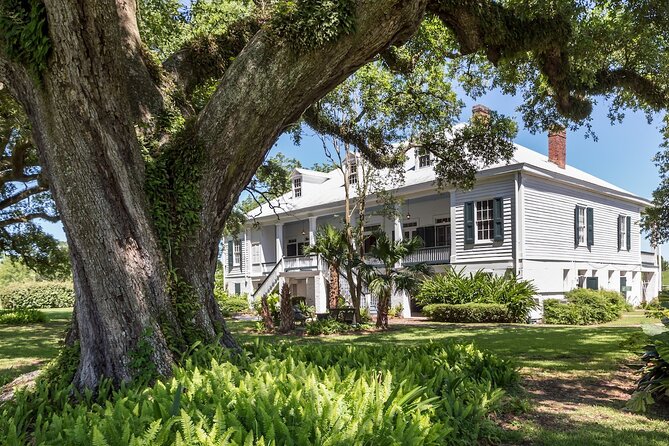
A good plantation tour depends heavily on the person leading it. At St. Joseph, the guide explains the site and answers questions, which can make a short visit feel much more substantial.
You should come prepared with questions of your own. Ask about the sugar industry, the family’s post-Civil War purchase, the exhibits, or the way the farm operates today. Since the visit is intimate and focused, questions can help you shape the experience around what interests you most.
The tour is offered in English. If you are comfortable following an English-language presentation, you can expect the main explanations and answers in that language. The available information does not identify individual guides, so I would not plan around a particular person.
The strongest approach is to listen for the links between the house, the farm, and the exhibits. Instead of treating each room as a separate sight, consider how the parts fit together. That is where the value of this visit lies.
Why the $24 Price Works
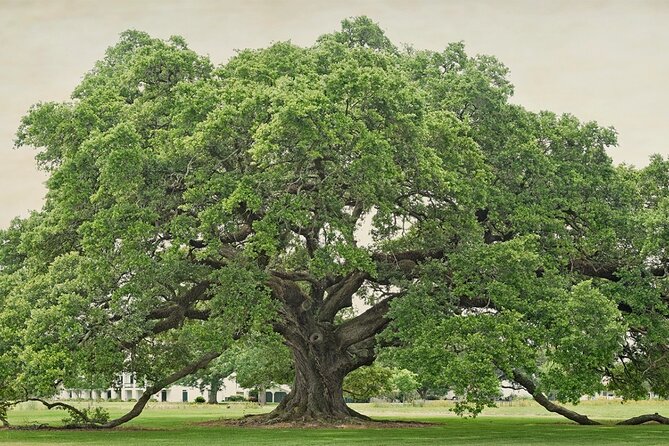
At $24 per person, St. Joseph is priced for a focused historical visit rather than a major all-day attraction. I consider that fair value if you want a real look at plantation life and sugarcane farming without committing a full day.
The price works especially well when you pair this stop with other plantations along River Road. You receive a distinct subject and setting, then move on before the experience becomes repetitive. That combination can give you a broader view of the region than relying on one plantation alone.
You should also think about what is included. Admission covers the plantation visit, house, grounds, and exhibits. The tour lasts about one to two hours, and the mobile ticket makes it easy to keep the booking available on your phone.
The value is less certain if you want a large estate with many formal attractions. St. Joseph’s appeal is its quieter scale, working farm, family connection, and access to the interior. If those details matter to you, the price is sensible. If you want a long guided program, you may find the visit brief.
Pairing St. Joseph With Other River Road Stops
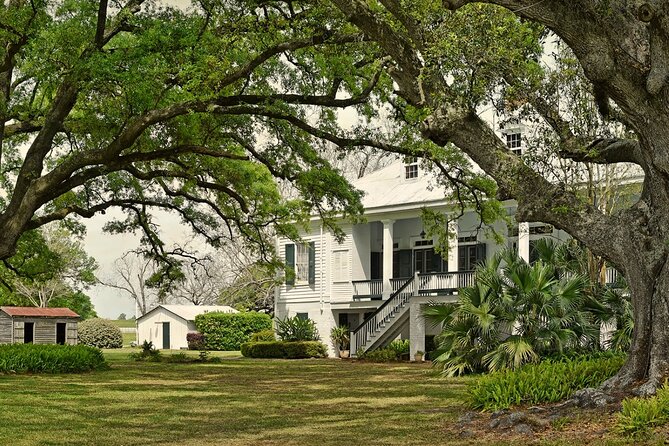
St. Joseph works best as part of a larger plantation day. Its shorter duration leaves room for another property, and its focus on sugarcane farming adds variety to an itinerary made up of historic houses.
I would place this stop where it gives you breathing room. After a large or heavily visited attraction, St. Joseph can provide a quieter change of pace. You can focus on the family home and farm without trying to keep up with a packed schedule.
The off-the-beaten-path quality is another practical benefit. You may prefer this site if crowds make it harder for you to hear a guide or examine a room. A smaller setting can also make it easier to ask questions and take interior photographs without feeling rushed.
Do not choose it simply because you want to collect as many plantation buildings as possible. Choose it because the working farm and intimate family setting add something different. That distinction is what makes the stop useful in a full River Road plan.
Who Will Get the Most From This Visit
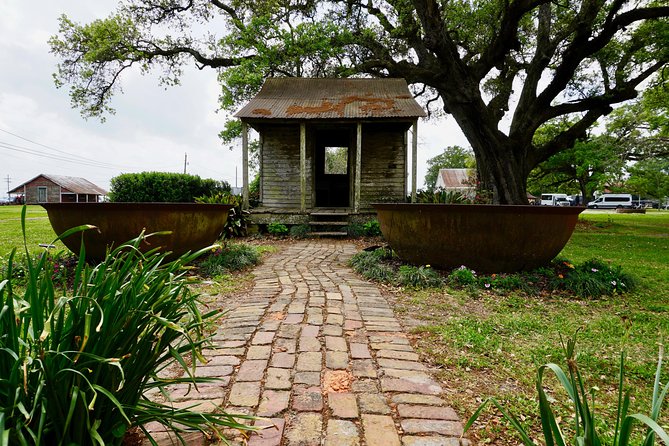
I would recommend St. Joseph to you if you care about agriculture, family history, and a direct connection between a historic property and present-day farming. It also suits anyone who likes smaller attractions where the guide has time to answer questions.
The tour is practical for many people because most can participate, and service animals are allowed. The available information does not provide detailed physical access notes, so you should confirm any specific mobility needs before booking if that matters to you.
Families may appreciate the shorter length and the chance to take pictures indoors. History-minded visitors will likely value the connection between the sugar industry, the house, and the exhibits. Photographers get a useful advantage from the indoor camera policy.
You may want a different plantation experience if you need a long program, a large museum, or a wide range of activities in one place. St. Joseph is about a focused look at one property. That narrow aim is a strength for some people and a limitation for others.
Booking, Timing, and Cancellation
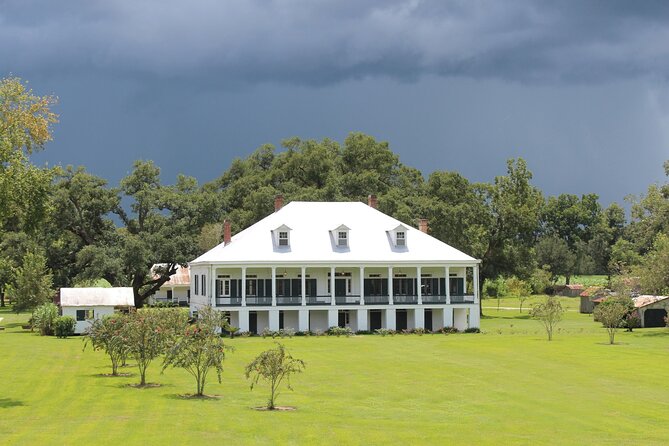
The experience is often reserved well ahead of time, with an average booking lead of 39 days. That does not mean you must book that far in advance, but it is a useful warning if your travel dates are fixed. I would reserve early for a planned River Road day rather than leaving this stop until the last minute.
You receive confirmation at booking, and the ticket is mobile. Keep it accessible on your phone when you arrive. The tour is offered in English, and admission is included in the listed price.
The cancellation policy is straightforward. You can cancel for a full refund up to 24 hours before the start time. Cancellations made within 24 hours are not refunded, and changes inside that window are not accepted. The cut-off follows local time, so check the start time carefully before making a last-minute change.
Free cancellation is useful when your Louisiana plans are still shifting. Once you are inside the 24-hour window, though, the booking becomes firm.
My Take on St. Joseph Plantation
I would book St. Joseph Plantation if you want a quieter, reasonably priced stop that connects a historic home with a working sugarcane farm. The permission to take indoor photographs is a real advantage, and the one to two hour format fits neatly beside other River Road attractions.
I would skip it only if you are looking for a full-day plantation program or a large museum complex. For everyone else, this is a thoughtful addition to a New Orleans area history itinerary, especially if you want more than another polished house tour. Book ahead when your schedule is fixed, bring questions, and give the farm and exhibits enough time to tell their part of the story.
FAQ
Where is the St. Joseph Plantation Tour located?
The tour is located in New Orleans, USA.
How much does the St. Joseph Plantation Tour cost?
The listed price is $24 per person.
How long does the plantation visit take?
The experience lasts approximately one to two hours.
Is the tour offered in English?
Yes. The experience is offered in English.
Can I take pictures inside the plantation home?
Yes. Indoor photography is allowed during this visit.
Is admission included in the ticket?
Yes. Admission to St. Joseph and Felicity Plantation is included.
What is the cancellation policy?
You can cancel at least 24 hours before the start time for a full refund. Cancellations or changes made less than 24 hours before the start time are not accepted, and the amount paid is not refunded.
Newest New Orleans tours we have written up
- New Orleans : Garden District Architecture Walking tour★ 4.8 · 5 reviews
- Ultimate Denver Day Out: Red Rocks, City Views & Ice Cream★ 5.0 · 7 reviews
- From New Orleans: Whitney and Laura Guided Plantation Tour★ 4.9 · 20 reviews
- True Voodoo History of NOLA’s Congo Square with Local Guide★ 4.9 · 16 reviews
- Whitney Plantation and Soul of New Orleans City Tour Combo★ 5.0 · 13 reviews
- Treme Bar Crawl & Seafood Experience★ 4.2 · 7 reviews
- Whitney Plantation Tour with Transportation★ 4.0 · 29 reviews
- Witches Coven Walking Tour in New Orleans★ 5.0 · 49 reviews
New Orleans Plantation Tours, compared.
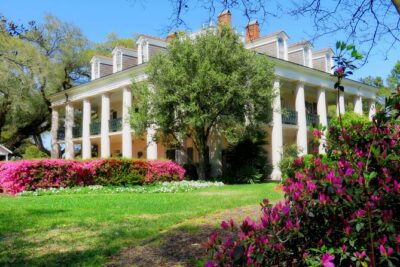
Swamp Boat Ride and Oak Alley Plantation Tour from New Orleans
Read our review →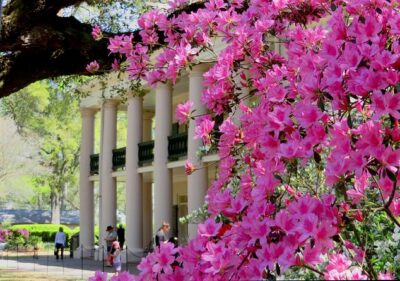
Oak Alley Plantation Tour with Transportation from New Orleans
Read our review →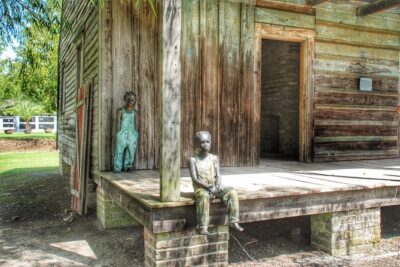
Whitney Plantation Tour with Transportation from New Orleans
Read our review →
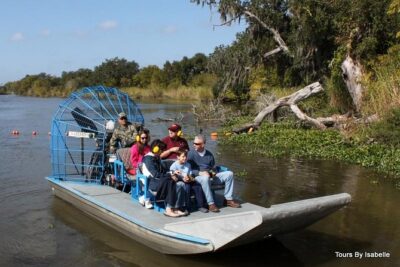
Airboat and Plantations Tour with Gourmet Lunch from New Orleans
Read our review →
Bayou Swamp Tour and Oak Alley Plantation Tour
Read our review →
Oak Alley Plantation & Airboat Swamp Combo Tour
Read our review →
Oak Alley Plantation and Large Airboat Swamp Tour from New Orleans
Read our review →Browse the lists this tour appears in