
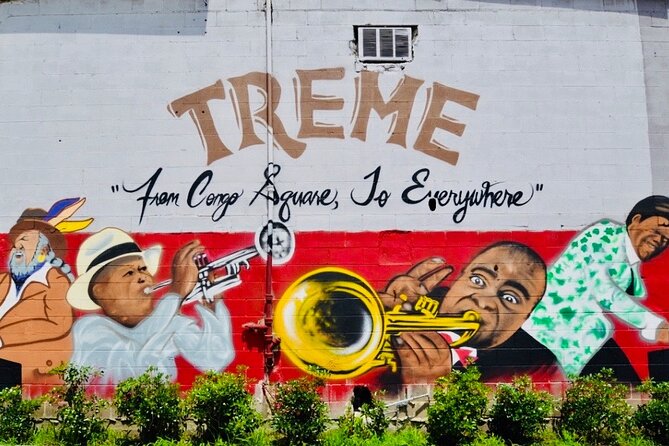
Reviewed · NEW ORLEANS VOODOO TOURS
New Orleans Voodoo, Storyville, Treme, Walking Tour
New Orleans history gets more honest once you leave the French Quarter. This 2-hour-15-minute walk moves through Storyville and Tremé, linking early jazz, Congo Square, African American resistance, voodoo traditions, and Black Catholic life. The most powerful stop is the Tomb of the Unknown Slave, beside St. Augustine Church.
I like the way the tour connects places instead of treating them as isolated sights. I also like the guides’ storytelling. David Higgins is lively and funny, while New Orleans Nate brings personal family connections and plenty of local detail. One point to consider: the title promises voodoo, but the actual emphasis can shift toward music and general New Orleans history, especially if a substitute guide leads the walk.
Key points to know
- Storyville’s last three buildings offer a rare physical link to the old red light district and the early development of jazz.
- Congo Square ties music and dance to the history of enslaved Africans and cultural resistance.
- St. Augustine Church is the oldest predominantly Black Catholic parish in the United States.
- The Tomb of the Unknown Slave gives the walk its most serious and reflective moment.
- David Higgins and New Orleans Nate are especially good choices if you want animated storytelling and local connections.
- A small group of up to 20 people makes it easier to hear the guide, though outdoor walking conditions still matter.
Why this walk belongs outside the French Quarter
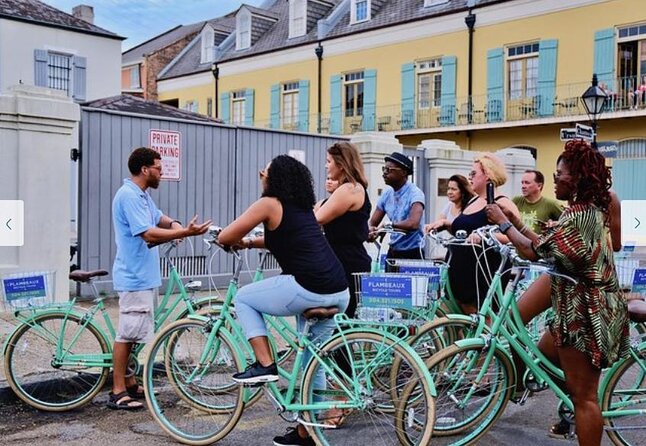
New Orleans is easy to reduce to balconies, cocktails, and jazz clubs. This tour gives you the backstory behind the music. You walk through areas where enslaved people gathered, where Black Catholic communities formed, and where musicians helped create a sound that later traveled far beyond Louisiana.
The route also helps you understand that voodoo is not a spooky side show. In New Orleans, it sits within a larger story of African traditions, Catholic practice, healing, music, and survival. The experience does not treat every subject with equal depth, but it points you toward the connections that make the city more than a party town.
The tour begins at Backatown Coffee Parlour at 301 Basin Street. That is a useful meeting point because you start near the edge of Storyville and then continue into Tremé. You finish at St. Augustine Catholic Church, at 1210 Governor Nicholls Street, beside the Tomb of the Unknown Slave.
I would book this early in your New Orleans stay. A good guide can help you understand the city’s music, neighborhoods, and historical markers before you explore on your own.
More walks through the Treme:
- New Orleans Treme’ Walking Tour
★ 5.0 · 240 reviews - New Orleans: Tremé African American & Creole History Tour
★ 4.9 · 208 reviews - 60-minute Tremé Walking Tour & Photo Experience
★ 5.0 · 72 reviews
Storyville, where jazz grew beside the red light district
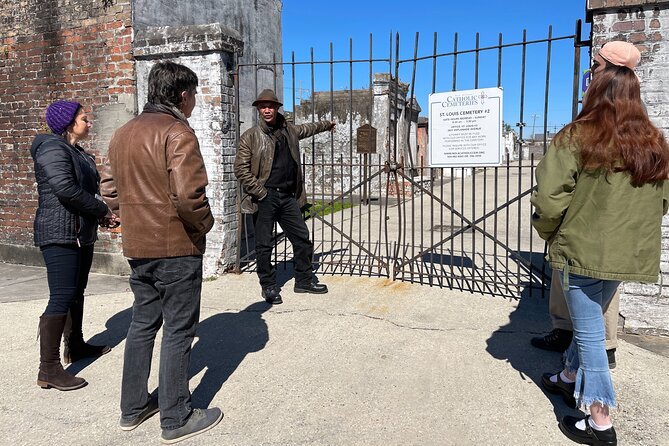
The first stop takes about 10 minutes and focuses on the three surviving Storyville buildings. The district was once New Orleans’ official red light district, and it became an important setting for the early development of jazz.
Do not expect a preserved neighborhood. Most of Storyville is gone. That is part of the point. The remaining buildings give you a physical anchor while the guide fills in the missing streets, clubs, musicians, and social world around them.
This is also where the tour’s music focus may become clear. The route is not only about voodoo. It places jazz in the setting that helped it grow, then follows the cultural forces that shaped New Orleans music.
The stop is short, so you will not get a full architectural tour or a long visit inside a museum. You will get context, orientation, and a useful start to the walk.
Our Lady of Guadalupe and the city’s oldest surviving church
The group spends about 20 minutes at Our Lady of Guadalupe Church. The guide takes you through the church and explains its background, making this one of the more direct history stops on the route.
Churches matter here because New Orleans culture developed through overlapping communities and traditions. Catholic institutions shaped neighborhood life, burial customs, education, and public gatherings. That story becomes more complicated, and more interesting, when placed beside the history of African religious practice.
I would pay close attention to the guide’s explanation rather than treating this as a quick photo stop. The church gives the walking tour a change of pace after Storyville. You move from commercial entertainment into a place tied to faith and community.
The itinerary lists admission as free, so your tour price covers the guide rather than separate entry tickets at these stops.
Congo Square, music, and the right to gather
Congo Square receives about 15 minutes, but its importance reaches far beyond the clock. It was a gathering place for enslaved Africans, and it helped preserve music, dance, rhythm, and social customs under brutal conditions.
This is one of the best places to listen carefully. The guide can help you understand how cultural expression survived through forced displacement and oppression. The story is painful, but it is also about creativity and endurance. That balance matters.
Congo Square is central to the music story told on this tour. If you want a tidy explanation of where jazz came from, you will not get one simple answer here. Instead, you see how African traditions, local communities, instruments, movement, and later musicians all form part of the picture.
The stop is outdoors, so the quality of your experience depends partly on the weather and on how well you handle standing in the New Orleans heat. The tour requires a moderate level of physical fitness, and comfortable shoes are a sensible choice.
More scandalous history tours in New Orleans:
- New Orleans Lewd Spirits Haunted Tour with Bar Stops
★ 5.0 · 823 reviews - The Bad Broads Tour of New Orleans
★ 5.0 · 298 reviews - Saints and Sinners Walking Tour in New Orleans
★ 4.5 · 136 reviews - New Orleans Brothels, Bordellos, and Ladies of the Night Tour
★ 5.0 · 96 reviews
Louis Armstrong Park and the city’s musical identity
The walk continues into Louis Armstrong Park, named for New Orleans’ most famous musician. The scheduled visit lasts about 15 minutes.
The park provides a natural bridge between the earlier discussion of Congo Square and the later story of jazz. Louis Armstrong represents the city’s worldwide musical reach, but the tour keeps bringing you back to local roots and neighborhood life.
Guides David Higgins and New Orleans Nate have drawn particular praise for making music history easy to follow. Higgins is known for animated delivery, jokes, and the ability to adjust the discussion to the group’s interests. Nate is especially strong if you enjoy family stories and personal ties to Tremé.
Guide quality matters more than usual on a walk like this. Many of the locations are open public spaces rather than major attractions with long exhibits. The guide’s voice, timing, and ability to tell a clear story are what turn a park and a few buildings into a meaningful experience.
One practical concern is that a substitute guide may focus more on musicians and general city history than on voodoo. That does not necessarily make the walk poor, but it can make it different from what you expected.
St. Augustine Church and Black Catholic New Orleans
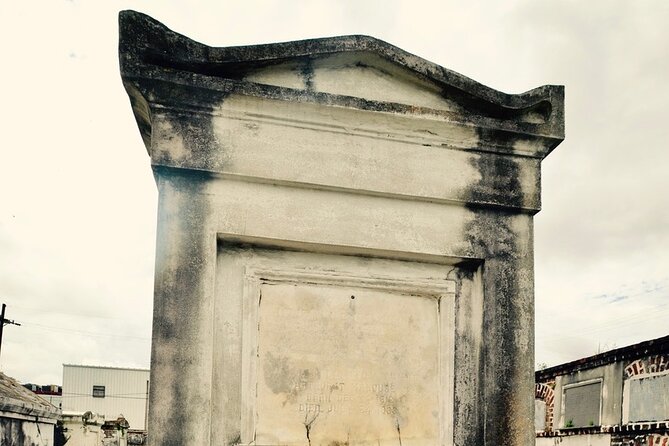
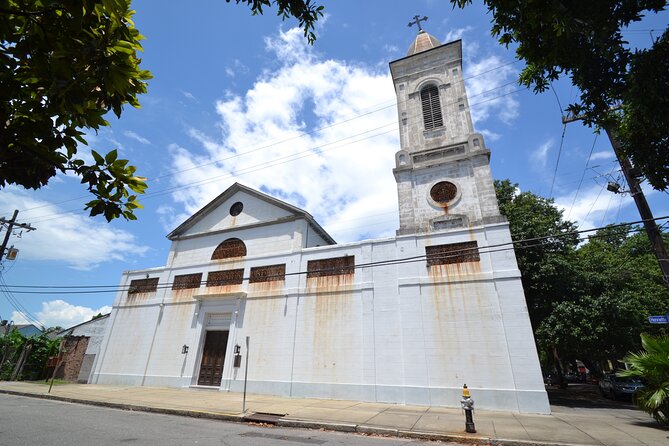
St. Augustine Church is scheduled for about 20 minutes. It is the oldest predominantly Black Catholic parish in the country, giving the tour another important angle on New Orleans identity.
This stop helps explain why you should not separate the city’s African, Catholic, French, Spanish, Caribbean, and American influences into neat boxes. They overlap. The church represents a community that built its own place in a city shaped by slavery, racial restrictions, migration, and religious tradition.
The guide’s job here is not simply to list a date or architectural detail. The value comes from placing the church within Tremé and explaining why this parish matters to Black New Orleans.
You finish near the church, so it is easy to continue exploring the area afterward if you want more time. The official end point is St. Augustine Catholic Church, and the Tomb of the Unknown Slave is on the side of the building.
The Tomb of the Unknown Slave
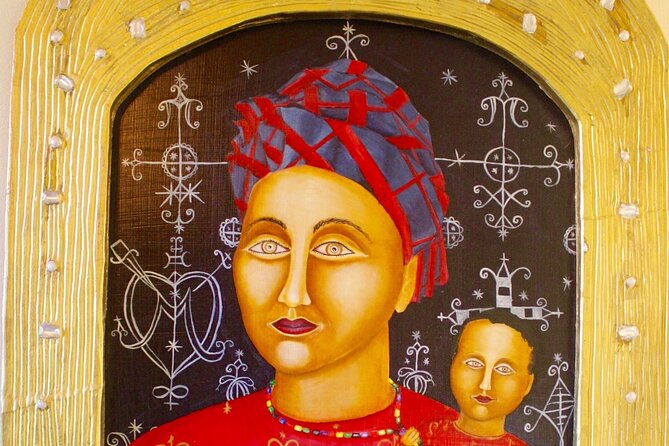
The final scheduled stop lasts about 20 minutes and takes place across from the former Backstreet Cultural Museum, which is now closed. The tour visits the Tomb of the Unknown Slave, described as the only memorial of its kind in America.
This is likely to be the most solemn part of the walk. It shifts attention away from famous musicians and toward the people whose names and individual stories were erased by slavery. The memorial is modest, but that is exactly why the guide’s explanation matters.
Do not confuse the stop with a visit to the Backstreet Cultural Museum. The museum is closed. The tour uses the area and the nearby tomb as a place to discuss Tremé, memory, and the lives of enslaved people.
I appreciate that the walk ends here rather than with a restaurant recommendation or a souvenir stop. You finish with something to think about. The experience is strongest when it lets difficult history remain difficult, instead of smoothing it into a cheerful tourist story.
What the guides add to the experience
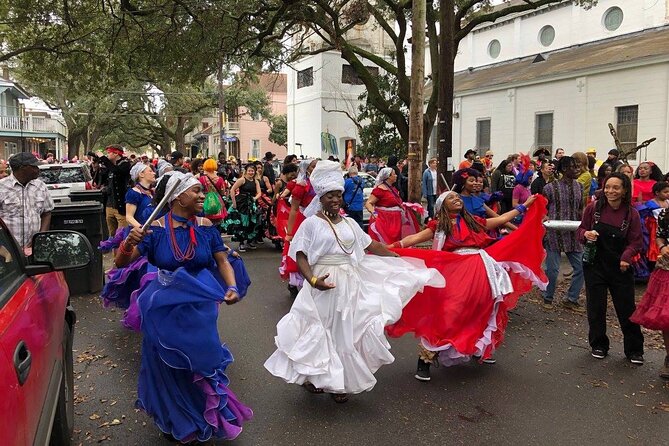
The guide is the main attraction. You are not paying for a long list of admission tickets. You are paying for interpretation, local perspective, and the chance to ask questions as you walk.
David Higgins is a particularly good fit if you like a guide who performs a story rather than simply reciting facts. He uses humor, gestures, music references, and small observations to keep the group involved. His style can make a serious subject easier to approach without turning it into a joke.
New Orleans Nate brings another kind of strength. He shares family and personal experiences, speaks with enthusiasm about Tremé, and gives the walk a strong sense of place. If you can request a guide, asking for Nate may be worthwhile, although guide assignments cannot be guaranteed from the information available.
The guide names and style can change. That matters because the experience varies with the person leading it. Some guides focus heavily on musicians and jazz, while others spend more time on the neighborhood, religion, slavery, and voodoo.
The group size is capped at 20 people. That is small enough for a personal feel in most situations, though you should still stay close and speak up if street noise makes the guide hard to hear.
Is $29 a fair price?
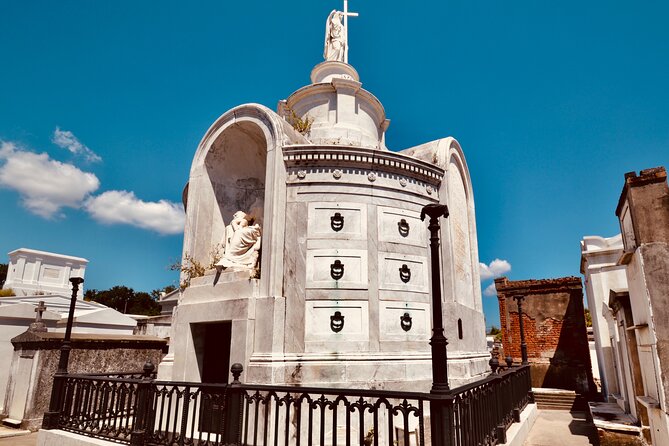
At $29 per person, this is a reasonable price for more than two hours with a licensed local guide. There are no major admission charges included because the route centers on public places, churches, and outdoor landmarks. The value comes from the explanation and the route design.
I would not book this expecting a parade, food tasting, museum entry, or a theatrical voodoo show. Dinner is not included, and the supplied information does not promise food samples or drinks. You are buying a guided history walk.
That is good value if you want background before spending your evenings in jazz clubs or wandering Tremé on your own. It is less convincing if you prefer private tours, indoor attractions, or a tightly scripted single-subject experience.
The tour is booked about 20 days ahead on average, so I would reserve before your trip if your schedule is fixed. Free cancellation is available up to 24 hours before the start time. If bad weather cancels the experience, you can choose another date or receive a full refund.
Who should take this walk?
I recommend it for first-time New Orleans visitors who want context fast, especially if you are interested in jazz, African American history, religion, or the city’s neighborhoods beyond the French Quarter.
It also works well for repeat visitors. The route gives you a different view of New Orleans and may lead you toward places you would not have found by following the usual tourist circuit.
Families can take it, but parents should consider the walking time, heat, and serious subject matter. The guide may discuss slavery, racial injustice, prostitution, and cultural survival. Those subjects are handled as part of the city’s history, not as light entertainment.
Solo visitors should find the small group format comfortable. Couples and friends who enjoy stories and local conversation will likely get more from this than people who want a fast checklist of attractions.
I would be more cautious if voodoo is your sole reason for booking. The tour title places it front and center, but the actual experience can lean toward music, Tremé, churches, and African American history. Ask about the day’s guide and emphasis if that subject is essential to you.
Practical details before you book
Wear shoes suited to more than two hours on foot. The tour has several outdoor stops, and New Orleans weather can make a moderate walk feel harder than the distance suggests.
The meeting point is Backatown Coffee Parlour, 301 Basin Street, New Orleans. The tour ends at St. Augustine Catholic Church, 1210 Governor Nicholls Street. Since the start and finish differ, plan your transportation with the route in mind.
The experience is offered in English. Confirmation arrives when you book. Service animals are allowed, and the start point is near public transportation.
The tour requires moderate physical fitness. No separate accessibility details are provided, so contact the operator before booking if you need specific assistance.
Should you book the New Orleans Voodoo, Storyville, Tremé Walking Tour?
Book it if you want a guided introduction to the city’s music, Black history, churches, and neighborhood life for $29. The best parts are the connections between Storyville, Congo Square, Louis Armstrong Park, St. Augustine Church, and the Tomb of the Unknown Slave.
Go in expecting a thoughtful history walk, not a pure voodoo tour. If you get David Higgins or New Orleans Nate, you may get especially animated storytelling and personal local detail, but the guide assignment can vary.
For most people, I would take this early in a New Orleans visit. It gives you the context to hear the music differently, read the city’s landmarks with more care, and see why Tremé matters.
FAQ
How long does the walking tour last?
The tour lasts approximately 2 hours and 15 minutes.
How much does the tour cost?
The listed price is $29 per person.
Where does the tour begin?
The meeting point is Backatown Coffee Parlour at 301 Basin Street, New Orleans, Louisiana 70112.
Where does the tour end?
The tour ends at Saint Augustine Catholic Church at 1210 Governor Nicholls Street, beside the Tomb of the Unknown Slave.
What language is the tour offered in?
The tour is offered in English.
What places are included on the route?
The route includes Storyville, Our Lady of Guadalupe Church, Congo Square, Louis Armstrong Park, St. Augustine Church, and the Tomb of the Unknown Slave.
Is the Backstreet Cultural Museum open during the tour?
No. The former Backstreet Cultural Museum is closed. The tour visits the Tomb of the Unknown Slave across from the former museum.
How many people can join the tour?
The experience allows a maximum of 20 people.
What is the cancellation policy?
You can cancel at least 24 hours before the start time for a full refund. Cancellations or changes made less than 24 hours before the start time are not refunded or accepted. If poor weather cancels the tour, you will be offered another date or a full refund.
More Walking Tours in New Orleans
- New Orleans Food Walking Tour of the French Quarter with Small-Group Option
★ 5.0 · 6,118 reviews - St. Louis Cemetery No. 1 Official Walking Tour
★ 4.5 · 3,941 reviews - New Orleans Garden District History Walking Tour
★ 5.0 · 2,879 reviews - French Quarter Historical Sights and Stories Walking Tour
★ 5.0 · 2,724 reviews
More voodoo tours in New Orleans
- New Orleans Premier Ghost, Voodoo and Vampire Walking Tour
★ 4.5 · 12,856 reviews - Adults-Only New Orleans Ghost, Crime, Voodoo, and Vampire Tour
★ 5.0 · 6,545 reviews - New Orleans Adults-Only Ghost, Voodoo and Vampire Tour
★ 5.0 · 3,291 reviews - New Orleans French Quarter, Voodoo and Culture Walking Tour
★ 4.5 · 2,961 reviews
Newest New Orleans tours we have written up
- 45-Minute Garden District Highlights Tour in New Orleans★ 5.0 · 33 reviews
- New Orleans City and Swamp Helicopter Tour★ 5.0 · 9 reviews
- 45-Minute Marigny Triangle Highlights Tour in New Orleans★ 5.0 · 12 reviews
- 20 Passenger New Orleans Airport or Hotel Transfer★ 5.0 · 6 reviews
- Private New Orleans 2-Hour Sail Aboard a Luxury Yacht★ 5.0 · 44 reviews
- The New Orleans Darkness Tour★ 4.4 · 9 reviews
- 11 Passenger Executive Van: New Orleans Airport or Hotel Transfer★ 4.0 · 8 reviews
- Spooky Family Ghost Tour★ 3.4 · 9 reviews
New Orleans Voodoo Tours, compared.
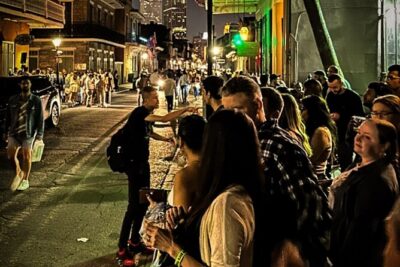
New Orleans Premier Ghost, Voodoo and Vampire Walking Tour
Read our review →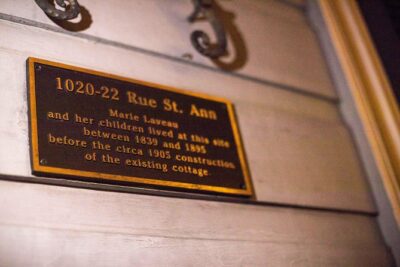
Adults-Only New Orleans Ghost, Crime, Voodoo, and Vampire Tour
Read our review →
New Orleans Adults-Only Ghost, Voodoo and Vampire Tour
Read our review →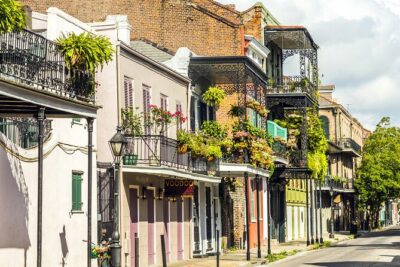
New Orleans French Quarter, Voodoo and Culture Walking Tour
Read our review →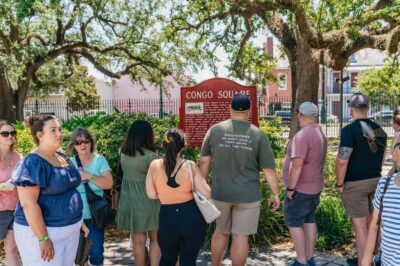

New Orleans Ghost, Vampire, Witch, Voodoo, and Mystery Tour
Read our review →
New Orleans Spirits & Spells: Witchcraft, Voodoo, and Ghost Tour
Read our review →Browse the lists this tour appears in