
Reviewed · NEW ORLEANS PLANTATION TOURS
New Orleans: Felicity Plantation Guided Tour
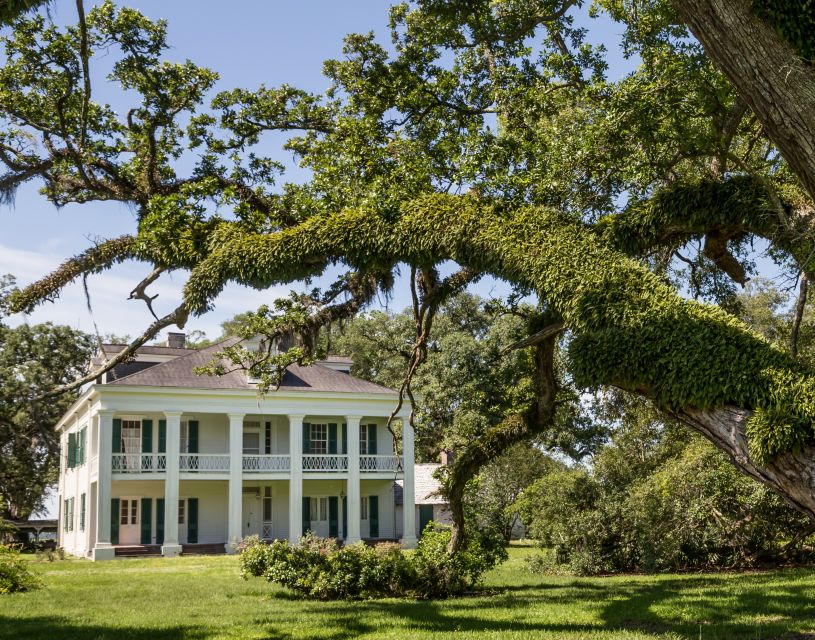
Felicity Plantation gives you something many plantation tours do not: a historic house that is still tied to a working sugarcane farm. I like the mix of Creole and Greek Revival architecture and the direct attention to enslaved people, free laborers, and the families who kept the estate operating. I also like the film connection, since the home appeared in The Skeleton Key and 12 Years a Slave.
The main drawback is the location. You need to make your own way to Vacherie, and the tour is not suitable for wheelchair users or people with mobility impairments. Felicity is also smaller and less famous than Oak Alley, which is a plus for a quieter visit but may matter if you want the grandest plantation grounds.
Key points to know before you go
- A working sugarcane farm: Sugarcane is still grown and harvested on the combined Felicity and St. Joseph property.
- A 19th-century house with two styles: The home combines Greek Revival lines with strong Creole influence.
- A serious look at labor: The tour discusses enslaved people and the generations of workers who remained after emancipation.
- A recognizable film setting: Felicity appeared in The Skeleton Key, 12 Years a Slave, the remake of Roots, Underground, and Filthy Rich.
- A small-group feel: A private booking can become very personal. Michael Paul and his husband were the only people on their tour and received individual attention.
- A simple price for a focused visit: At $24 per person, the 90-minute experience offers a useful add-on to a River Road day, provided you already have transportation.
Why Felicity feels different from the big plantation stops
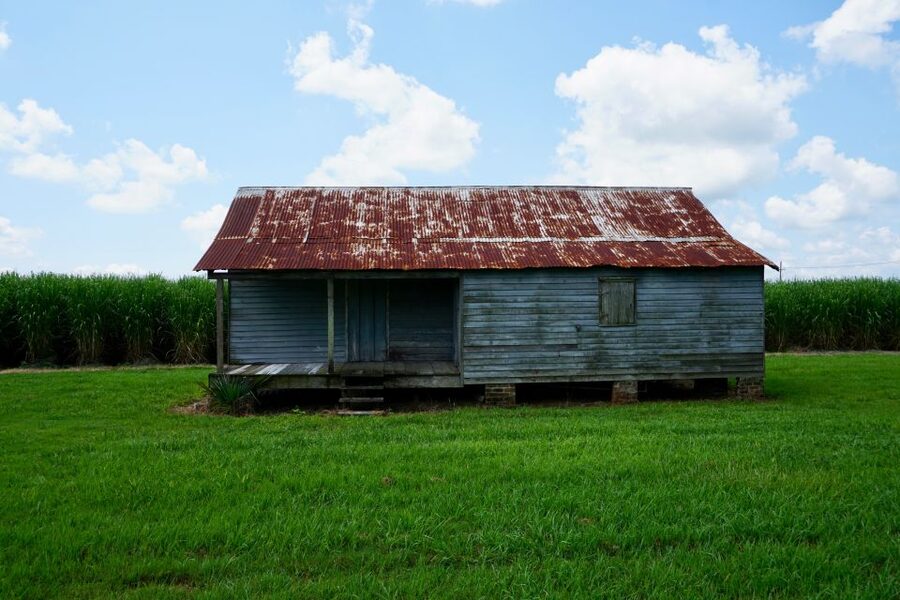
Felicity is not only a preserved house behind a beautiful facade. It is part of a sugarcane operation that remains active today. That fact changes the way you read the property. The cane fields are not just scenery from an earlier age. Agriculture still shapes the site.
The plantation was built between 1844 and 1847, during a period when Louisiana plantation owners favored large, formal Greek Revival homes. Felicity also carries clear Creole influence, giving the house a regional character rather than making it feel like a copy of a Northern mansion.
I like that combination because it gives you two subjects to follow at once. You can look at columns, proportions, rooms, and furnishings, then connect them to the labor and crops that supported the household. The house makes more sense when you remember that sugarcane required constant work, from planting and tending the crop to harvesting and processing it.
The site is also linked to St. Joseph Plantation next door. In 1877, the Waguespack family bought Felicity and St. Joseph at a sheriff’s sale. By 1901, the two estates had been combined into one 2,500-acre sugarcane operation. The same ownership continues today.
That long connection gives the tour a useful present-day angle. You are not only looking at a property frozen in the mid-19th century. You are seeing a historic place that still has an agricultural role, even though the people and labor system have changed.
More River Road plantation tours:
- Swamp Boat Ride and Oak Alley Plantation Tour from New Orleans
★ 5.0 · 3,303 reviews - Oak Alley Plantation Tour with Transportation from New Orleans
★ 4.5 · 1,747 reviews - Whitney Plantation Tour with Transportation from New Orleans
★ 4.5 · 1,351 reviews
Checking in next door at St. Joseph Plantation
Your actual check-in point is the gift shop at St. Joseph Plantation, 3535 LA-18, Vacherie, Louisiana 70090. Felicity is next door, so allow at least 15 minutes before the scheduled start time to get oriented and check in.
This is an easy detail to miss if you type Felicity Plantation into your map and go straight there. Use the St. Joseph address for the meeting point. Transportation is not included, so you need to arrange your own ride to Vacherie.
The activity lasts 90 minutes. The guided portion is listed as about one hour, with time available to walk around and view the grounds. That makes the experience long enough to gain context without taking over your entire day.
I would pair this visit with another River Road stop rather than drive out for Felicity alone, especially if you are staying in New Orleans. The price is reasonable for a guided historic site, but the value depends on how easily you can reach Vacherie. If you already plan to explore the plantations along the Mississippi River, $24 is an easy addition.
The house: Creole character with Greek Revival form
Inside Felicity, your guide leads you through a home built between 1844 and 1847. The architecture is one of the strongest reasons to choose this plantation. Greek Revival design gives the building its formal structure, while Creole influence connects it to Louisiana’s climate, culture, and building traditions.
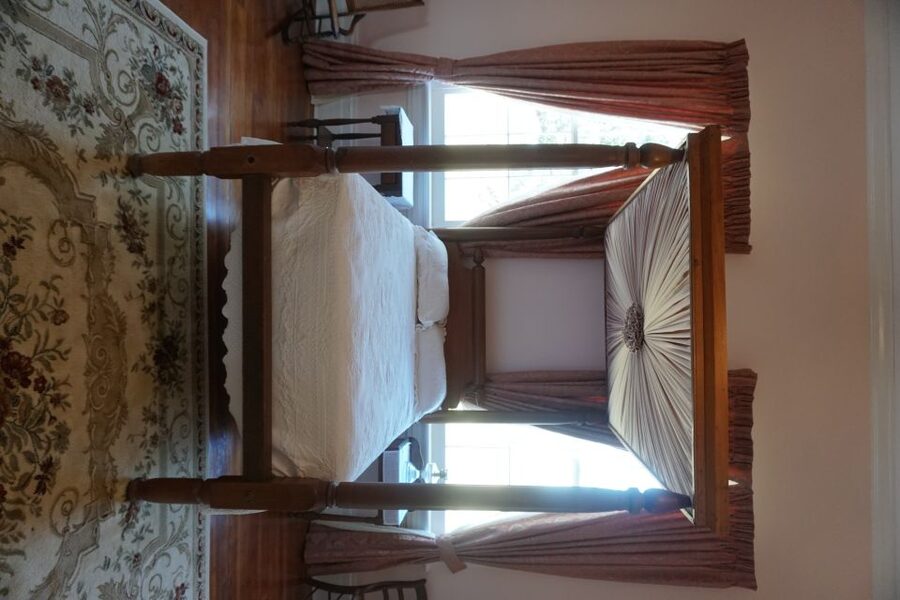
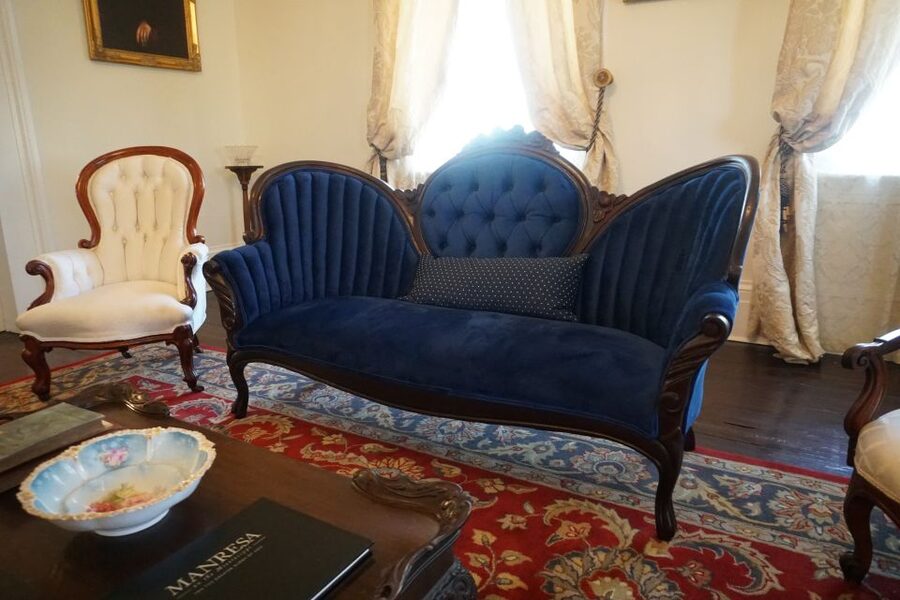
The house is smaller than St. Joseph next door, but it has more interior decoration. That makes Felicity a good choice if you care about rooms, furnishings, and the feel of domestic life rather than only the exterior view.
Period furniture and later restoration work are presented as true to the home’s time period. I like that detail because restored houses can easily become stage sets. Here, the furniture helps you picture the family life that took place inside, while the guide gives you the social context that the rooms alone cannot provide.
Do not rush through the architecture. Look at how the formal Greek Revival elements meet the more local Creole character. The house reflects the way Louisiana borrowed from outside styles while adapting them to regional customs and conditions.
The back porch is another memorable part of the setting. Holly described wanting to sit there and rock for hours, and it is easy to understand why the porch draws attention. The view and the quiet give you a pause between the more difficult subjects covered inside.
A plantation story that includes labor and power
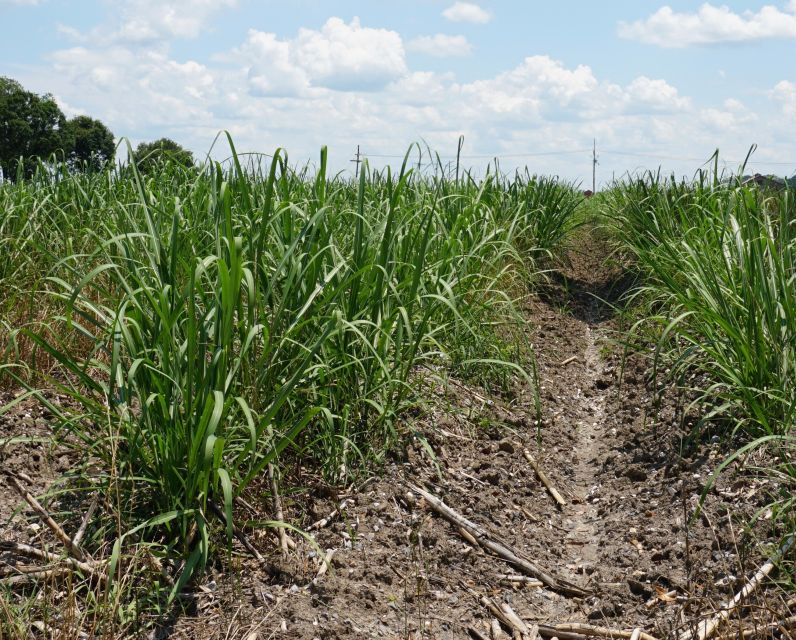
The most important part of this tour is not the furniture or the movie connection. It is the effort to explain who lived and worked at Felicity, and how unequal the plantation system was.
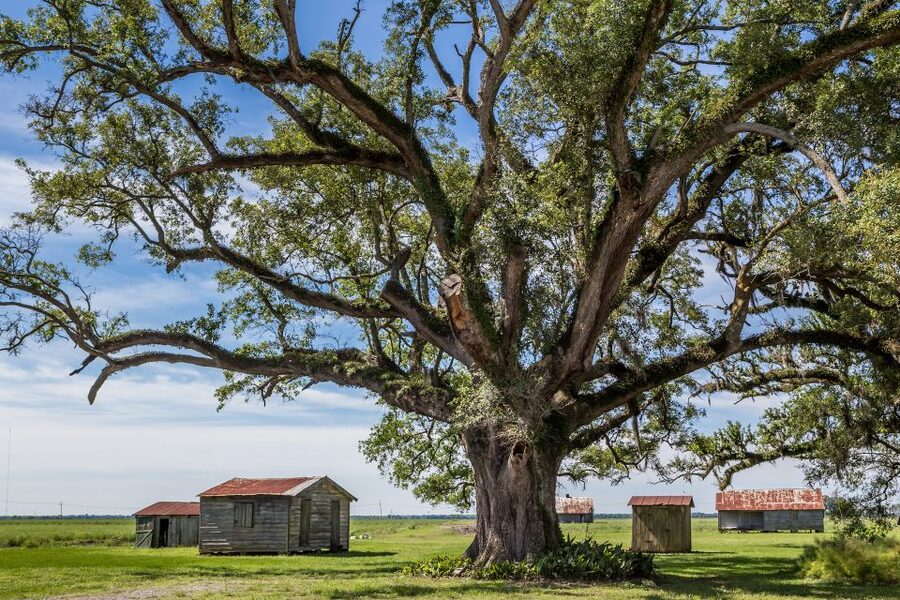
The interpretation includes the lives of enslaved people as well as free laborers and later workers. That broader view matters. A plantation was not sustained by the owners alone. Its crops, buildings, household routines, and profits depended on many people whose freedom, pay, and choices varied sharply over time.
You will hear about the hardships created by enslavement, but also about the generations of laborers who continued working on the property after emancipation. That helps you understand the shift from slavery to later labor systems without treating 1865 as the end of the story.
I appreciate this focus because it gives you a more complete picture of River Road life. The wealthy family’s home is only one part of the site. The sugarcane fields and the people who worked them are just as central.
The setting can be beautiful, and the house can feel peaceful. That beauty should not erase the painful history connected to the property. A good plantation visit lets you hold both facts at once: the architecture may be elegant, while the labor system behind it was cruel and unequal.
Sylvie, one of the guides, is specifically known for telling the stories in a personal, human way rather than simply reciting a prepared script. Guide quality can vary by date, of course, but the tour is designed around live English interpretation, not an audio recording.
A few more New Orleans tours worth comparing
- Guided Boat Tour of New Orleans Bayou
★ 4.5 · 1,452 reviews - Laura Creole Plantation Guided Tour
★ 5.0 · 1,279 reviews - Houmas House Estate and Gardens Guided Tour
★ 4.5 · 632 reviews - New Orleans: Guided Swamp Cruise by Tour Boat
★ 4.7 · 570 reviews
Sugarcane agriculture still shapes the property
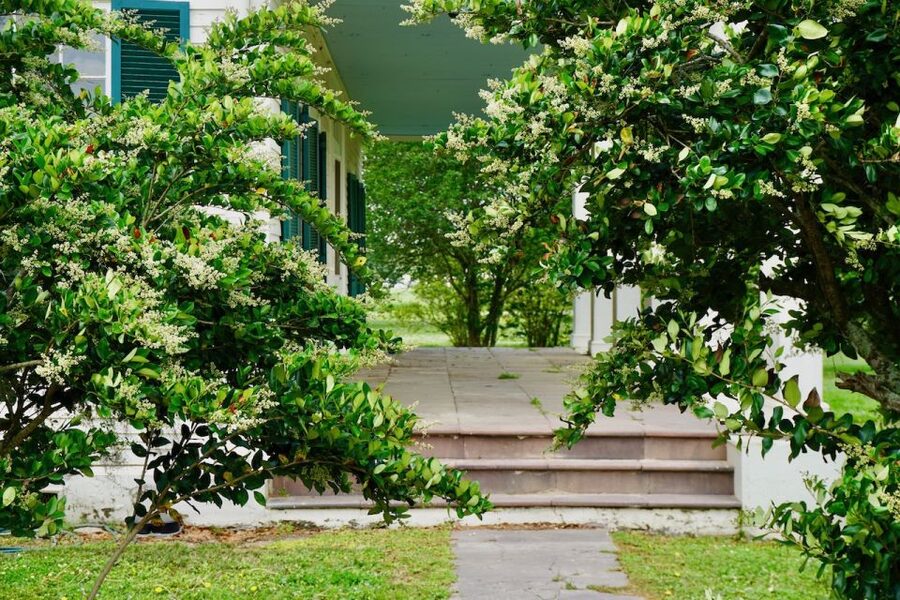
Felicity’s active farm is more than a line in the brochure. It gives you a way to connect the past with the present. Sugarcane remains part of the operation, and the combined property covers about 2,500 acres.
That scale helps explain why agriculture mattered so much here. A plantation was an economic system as well as a residence. The house represented the owners’ wealth, but the fields and processing work produced it.
A private tour can be especially useful if you want to ask about farming. Michael Paul and his husband had an unusually small group and received individual attention on the family and sugarcane industry. You cannot count on being alone, but a small booking may allow more questions than a large group at a famous stop.
The farm also keeps Felicity from feeling like a museum removed from real life. You might see the grounds differently when you know that sugarcane is still grown and harvested there. The property’s agricultural identity has not disappeared.
The film locations are fun, but not the main reason to go
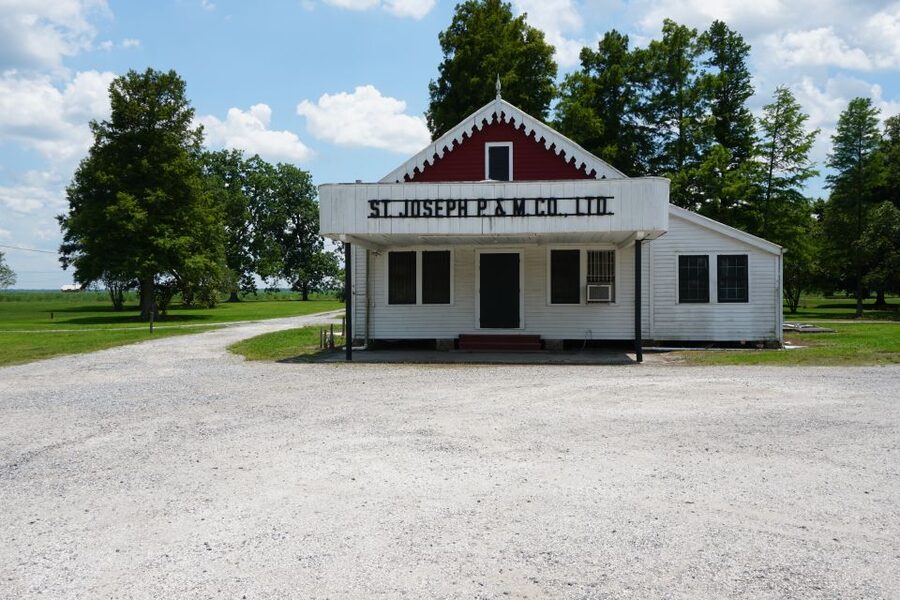
Felicity has appeared in several productions, including The Skeleton Key, 12 Years a Slave, the remake of Roots, Underground, and Filthy Rich. If you recognize the house from the screen, the visit gives you a chance to match the real rooms and grounds with familiar images.
The film connection is a nice extra, especially for movie fans. The setting has the sort of strong visual character that directors look for: a historic home, a deep porch, and a working plantation backdrop.
Still, I would not choose Felicity only for a film-location checklist. The movies cannot explain the site’s full story. The live tour can connect the architecture, agriculture, family ownership, and labor history in a way a filmed scene cannot.
The film history also helps younger members of your group pay attention. A child or teenager who is not eager to study plantation economics may be more interested after hearing that recognizable movies and television programs used the property.
What the 90 minutes actually gives you
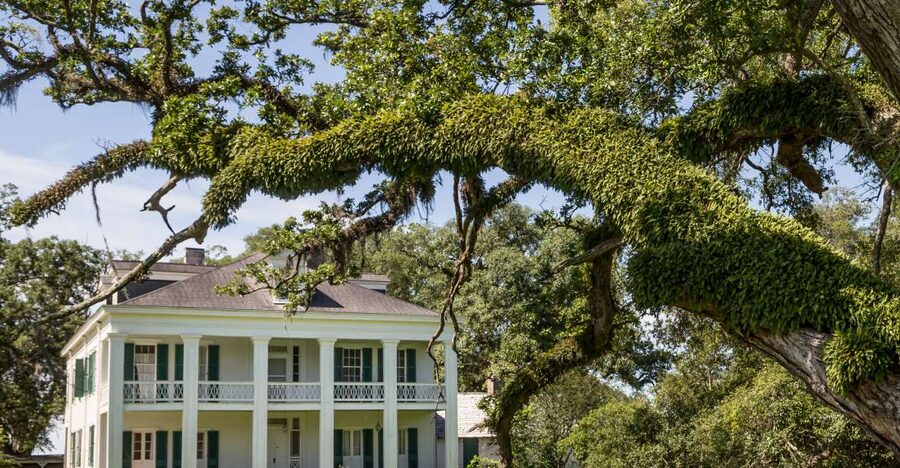
The guided visit focuses on Felicity Plantation, with an option to walk around and view the grounds. Expect roughly an hour of guided material, with the full activity taking about 90 minutes.
That format works well for a first plantation visit. You have enough time to look at the home and hear the major stories, but the tour does not demand a full morning. You can still continue along River Road afterward.
The pace is likely to feel more personal than a huge group tour. Liam described his guide as kind and warm, while Michael Paul found the one-on-one format especially helpful. Holly also praised her guide’s care for the property and its history.
You should wear comfortable shoes. Bare feet are not allowed, and the site is not suitable for wheelchair users or people with mobility impairments. The information provided does not promise a fully accessible route, so anyone with limited walking ability should contact the operator before booking.
Food and drinks are not included. Plan to eat before or after the tour rather than expecting refreshments on site. Alcohol and drugs are not allowed.
How Felicity compares with St. Joseph and Oak Alley
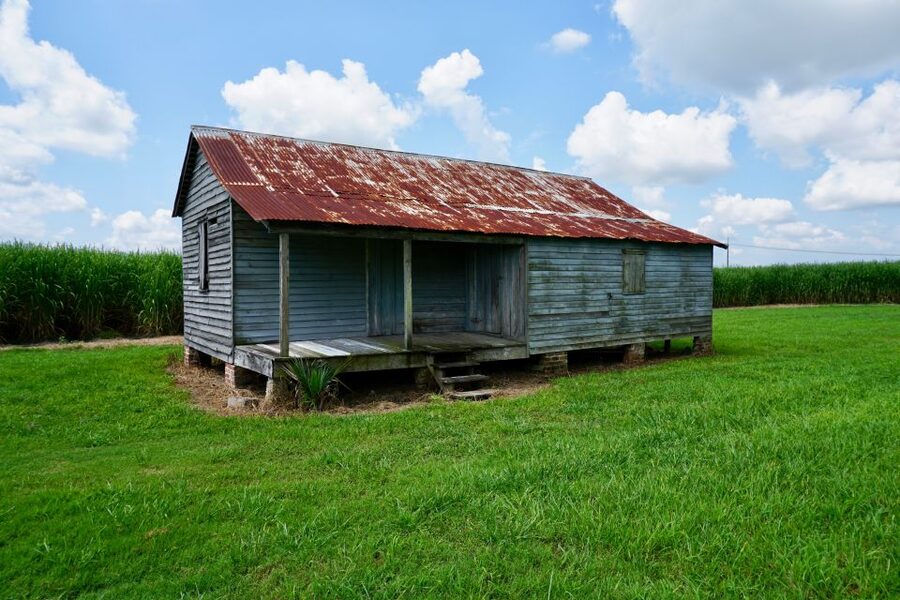
Felicity and St. Joseph are sister plantations next door to each other, and the same family ownership links their stories. That makes it tempting to visit both, but the homes offer different experiences.
Felicity is smaller than St. Joseph, yet it has more interior decoration. If you want a closer look at a furnished home, Felicity may appeal more. St. Joseph can be a useful companion visit because it helps you understand how the two properties later operated as one sugarcane enterprise.
Oak Alley is the more famous comparison. Felicity does not offer the same level of name recognition, and it may not provide the grandest visual approach. In return, it can feel more personal, especially when the group is small.
I would choose Felicity if you value a live guide, working agriculture, film history, and a thoughtful account of labor. I would choose a larger, more famous plantation if your top priority is an iconic first photograph or a sprawling formal setting.
The best choice depends on what you want from plantation history. Felicity rewards curiosity more than checklist sightseeing.
Who will get the most from this tour
This experience suits you if you want history tied to a real place and a real industry. It works especially well for:
- People interested in Louisiana architecture and Creole culture
- Visitors who want to understand sugarcane farming
- Film fans who recognize locations from The Skeleton Key or 12 Years a Slave
- Readers of American history who want slavery and post-emancipation labor addressed together
- Couples or small groups who prefer a calm, personal tour
- Anyone building a day of stops along the River Road
It may not suit you if you cannot walk comfortably, use a wheelchair, or have no way to reach Vacherie. It is also not the right pick if you want food, drinks, or transportation included.
The English-only format is straightforward for English speakers. If you need another language, this tour may not meet your needs.
Is $24 a fair price?
At $24 per person, Felicity offers solid value for a 90-minute guided visit. You are paying for access to a preserved historic home, live interpretation, grounds, and a working sugarcane setting rather than only a self-guided walk.
The price looks especially good if your group is small and you can ask questions. Michael Paul’s experience shows how much more detail a near-private tour can provide. You should not assume every departure will be that quiet, but the possibility adds value.
The cost is less attractive if you have to arrange an expensive private ride from New Orleans just for this stop. Transportation is not included, so judge the total day rather than the ticket alone.
Free cancellation up to 24 hours before the start and the option to reserve now and pay later make planning easier. Those policies are useful if your River Road schedule may change.
Should you book Felicity Plantation?
I would book Felicity if you want a plantation tour that connects an attractive historic home with working agriculture and a serious discussion of labor. The combination is unusual, and the smaller setting can make the history feel more direct.
Book it as part of a wider River Road outing, and arrive at the St. Joseph gift shop at least 15 minutes early. Wear comfortable shoes, arrange transportation in advance, and expect a thoughtful house tour rather than a large entertainment-style attraction.
Skip it if you need wheelchair access or if your only goal is the most famous plantation photograph. For everyone else, Felicity offers a useful, fairly priced look at Louisiana’s architecture, sugar economy, and complicated human history.
FAQ
Where is Felicity Plantation located?
Felicity Plantation is in Vacherie, Louisiana. Check-in takes place at the gift shop next door at St. Joseph Plantation, 3535 LA-18, Vacherie, LA 70090.
How long does the tour last?
The activity lasts 90 minutes. The guided portion is about one hour, with an option to walk around and view the grounds.
What does the $24 ticket include?
The ticket includes the guided tour of Felicity Plantation and the option to walk around the grounds.
Is transportation included?
No. You need to arrange your own transportation to the meeting point in Vacherie.
What language is the tour in?
The tour is conducted in English with a live guide.
What should I bring?
Wear comfortable shoes. Bare feet are not allowed.
Can wheelchair users join the tour?
No. The experience is not suitable for wheelchair users or people with mobility impairments.
Can I cancel my booking?
Yes. You can cancel up to 24 hours in advance for a full refund. You can also reserve now and pay later.
Newest New Orleans tours we have written up
- 45-Minute Garden District Highlights Tour in New Orleans★ 5.0 · 33 reviews
- New Orleans City and Swamp Helicopter Tour★ 5.0 · 9 reviews
- 45-Minute Marigny Triangle Highlights Tour in New Orleans★ 5.0 · 12 reviews
- 20 Passenger New Orleans Airport or Hotel Transfer★ 5.0 · 6 reviews
- Private New Orleans 2-Hour Sail Aboard a Luxury Yacht★ 5.0 · 44 reviews
- The New Orleans Darkness Tour★ 4.4 · 9 reviews
- 11 Passenger Executive Van: New Orleans Airport or Hotel Transfer★ 4.0 · 8 reviews
- Spooky Family Ghost Tour★ 3.4 · 9 reviews
New Orleans Plantation Tours, compared.
Swamp Boat Ride and Oak Alley Plantation Tour from New Orleans
Read our review →
Oak Alley Plantation Tour with Transportation from New Orleans
Read our review →
Whitney Plantation Tour with Transportation from New Orleans
Read our review →
Airboat and Plantations Tour with Gourmet Lunch from New Orleans
Read our review →
Bayou Swamp Tour and Oak Alley Plantation Tour
Read our review →
Oak Alley Plantation & Airboat Swamp Combo Tour
Read our review →
Oak Alley Plantation and Large Airboat Swamp Tour from New Orleans
Read our review →Browse the lists this tour appears in