
Reviewed · NEW ORLEANS SWAMP TOURS
New Orleans: Single Plantation and Pontoon Swamp Day Trip
Louisiana’s plantation country and back-swamp waterways tell two very different stories, and this eight-hour combination tour puts both on one day. You’ll visit Laura, Oak Alley, or Whitney Plantation, then board a pontoon boat to learn about wetlands, bayou history, and American alligators.
I like the small 14-passenger bus, which keeps the ride more personal than a large coach, and I like the tidy pairing of a 90-minute plantation visit with a swamp cruise. The drawback is that you get only one plantation, so you’ll need to choose between Laura, Oak Alley, and Whitney, and the day leaves little room for an unhurried visit.
Key points to know
- Choose one of three plantations: Laura, Oak Alley, or Whitney offers a different look at Louisiana plantation life.
- Expect a 90-minute plantation visit: You’ll see major buildings and exhibits, but this is not a full-day museum stop.
- Travel in a 14-passenger bus: Pickup is from the front of your listed New Orleans hotel, usually between 8:00 and 8:30 AM.
- Finish with a pontoon swamp tour: The Cajun Captains guide you through the back swamp while explaining wetlands and alligators.
- Plan for a serious history lesson: The plantations cover forced labor, punishment, health care, emancipation, and the lives of enslaved people.
- Bring water and sensible clothing: Food and drinks are not allowed on the bus except water, and comfortable shoes are useful.
One day, two sides of southern Louisiana
This excursion works because it connects two places that are often treated as separate day trips. At a plantation, you examine buildings, gardens, family records, and the lives of enslaved people. On the swamp tour, you see the wetlands that helped shape settlement, farming, transport, and local culture.
The schedule is built for efficiency. A driver and live English-speaking guide collect you in front of your listed hotel in New Orleans, usually between 8:00 and 8:30 AM. You ride in a 14-passenger bus toward Plantation Country, with one selected plantation visit taking about 90 minutes.
The plantation portion comes first, followed by the swamp tour. Exact starting times depend on availability, so check the date carefully before booking. Since hotel pickup and admission tickets are included, the $140 price covers the two major parts of the day without asking you to arrange separate transport.
That convenience is the main value. You avoid renting a car, figuring out rural roads, and buying two separate admissions. The tradeoff is a fixed schedule. You are buying a well-organized overview, not the freedom to linger at every exhibit.
More swamp tours out of New Orleans:
- New Orleans Swamp and Bayou Boat Tour with Transportation
★ 5.0 · 5,399 reviews - Swamp Boat Ride and Oak Alley Plantation Tour from New Orleans
★ 5.0 · 3,303 reviews - New Orleans Self-Transport Swamp and Bayou Boat Tour
★ 5.0 · 2,824 reviews
Laura Plantation, gardens and difficult family stories

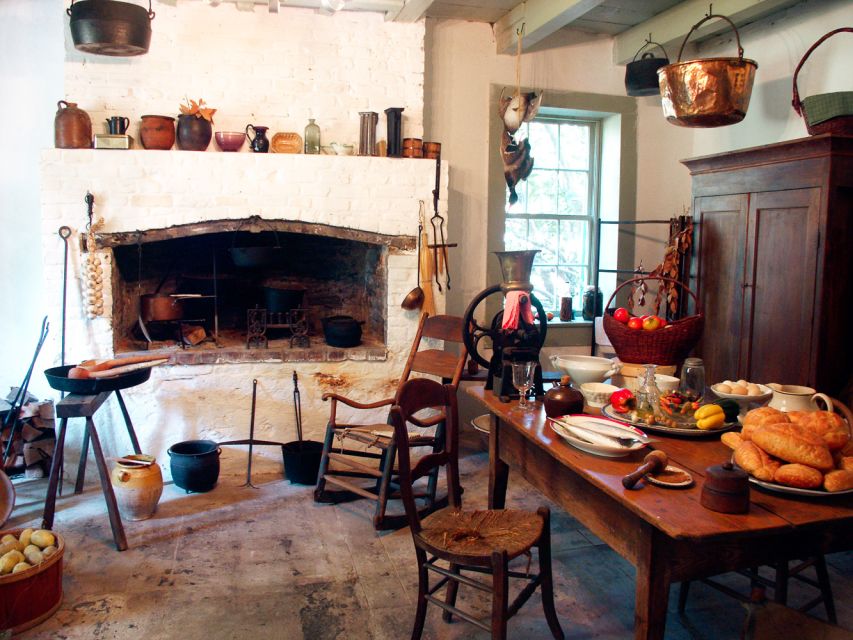
Laura Plantation gives you a compact look at a French Creole sugar plantation. The visit includes the Big House, French Garden, Kitchen Garden, Banana Grove, and original 1840s slave cabins.
The gardens and grounds help you understand that plantation life was more than a grand residence. The property included work areas, food-growing spaces, housing, and the structures that supported sugar production. The original cabins are especially important because they shift attention away from the plantation owners and toward the people forced to live and work there.
A newer museum exhibit focuses on daily life on the sugar plantation. That detail matters. You are not simply walking through preserved rooms and admiring architecture. You are asked to consider how food was produced, how labor was organized, and how different people experienced the same property.
Laura also has a historic gift shop selling local arts, crafts, and souvenirs. It is a small but useful stop if you want something connected to the region rather than a generic travel item.
The limitation is time. In 90 minutes, you can see the main buildings and grounds, but you should not expect to study every display at length. If Laura is your choice, pay attention to the cabins, gardens, and museum exhibit first. Those parts provide more social context than simply looking at the Big House.
Oak Alley, grand architecture with a harder story underneath
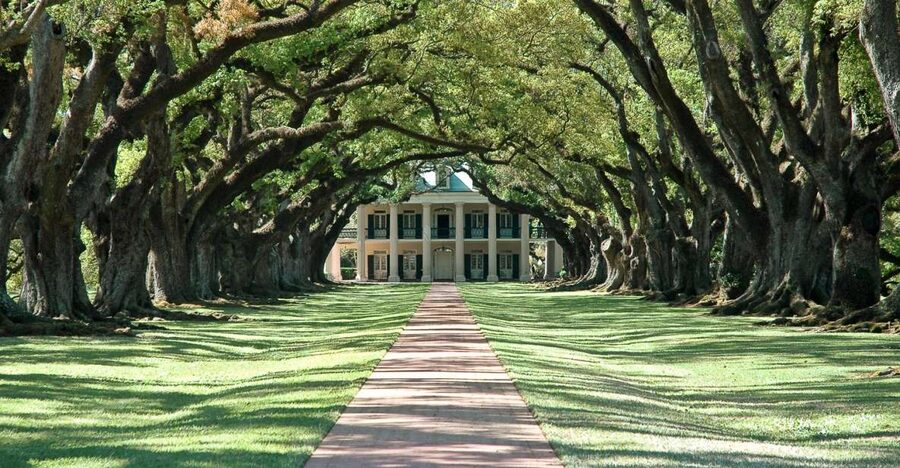
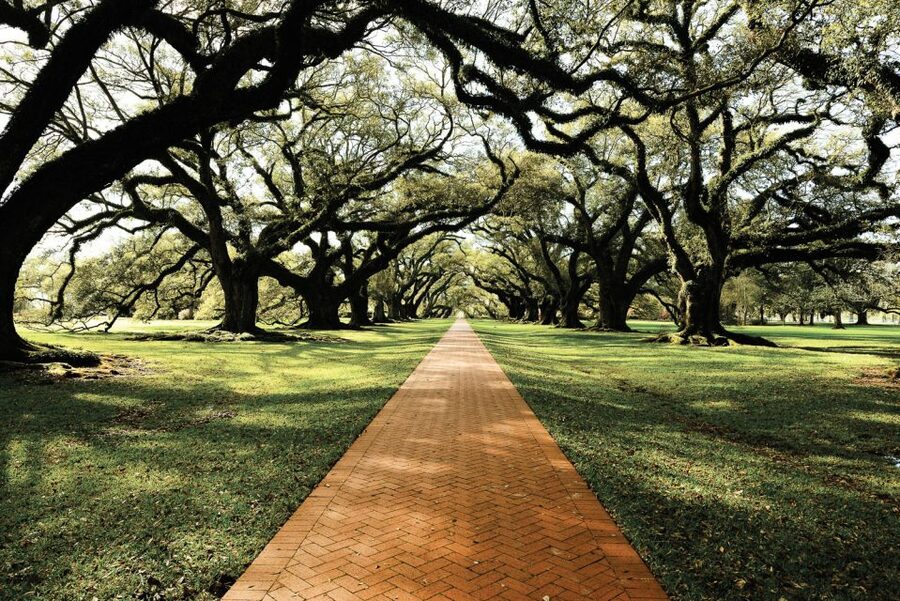
Oak Alley is the most immediately recognizable choice for plantation architecture. The visit includes the gracious interiors of the Big House and the Oak Alley exhibit, which covers the lives of enslaved people on the sugar plantation from about 1835 through the end of the Civil War.
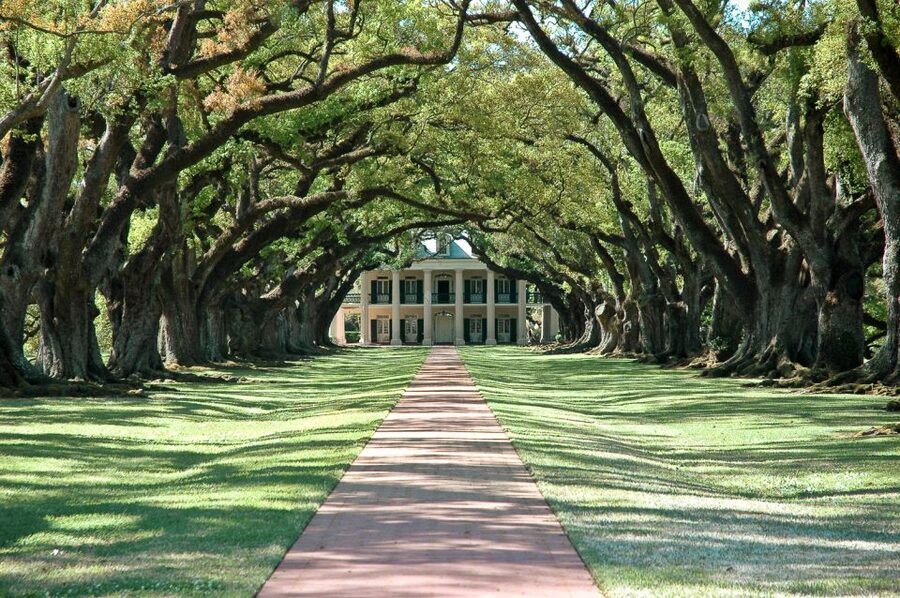
The name comes from the impressive oak-lined approach, but the attraction’s value goes beyond a memorable view. The property lets you see how wealth from sugar shaped the home, grounds, and working system. At the same time, the exhibit addresses the human cost behind that wealth.
Topics include health care, punishment, and life after Emancipation. These subjects keep the visit from becoming a simple celebration of the plantation house. Sugar affected every part of the property, from labor demands to the treatment of enslaved workers.
You’ll also visit one of the few remaining 1890s-era forges of its kind in Louisiana. That is a useful reminder that plantation properties changed after the Civil War. The story does not stop when slavery ended, and the forge adds a later chapter to the site.
Oak Alley is a good choice if you want a strong architectural setting along with an exhibit about slavery and emancipation. Just keep your expectations clear. The famous oak approach can dominate photographs and first impressions, but the most important part of the visit is the material explaining the people who were enslaved there and what happened after freedom.
Whitney Plantation, first-person accounts and memorials
Whitney Plantation takes the most direct approach to the history of slavery. Its buildings and exhibits focus on the enslaved people who lived, worked, and died on the site.
The property includes a true French Creole Barn, believed to be the only surviving example of its kind, as well as what is believed to be Louisiana’s oldest detached kitchen. You’ll also see a well-preserved Creole cottage.
Those structures matter because they show the working side of plantation life. A detached kitchen, barn, and cottage help you picture the daily system behind the main residence. The visit is not centered only on the appearance of the owner’s home.
Whitney also uses memorial artwork and thousands of first-person slave narratives. That approach gives the site a more personal focus. Instead of treating slavery as a distant event, the exhibits connect it to names, families, work, punishment, survival, and death.
The Whitney visit is self-guided with an audio tour. It is offered in multiple languages according to the activity information, while Laura and Oak Alley tours are offered only in English. If you prefer to set your own pace and spend more time with written and recorded material, Whitney may suit you best.
Whitney is closed on Tuesdays. That is the key planning issue for this choice. Check the date before you book, especially if your New Orleans visit is short and you cannot easily shift the excursion.
More River Road plantation tours:
- Oak Alley Plantation Tour with Transportation from New Orleans
★ 4.5 · 1,747 reviews - Whitney Plantation Tour with Transportation from New Orleans
★ 4.5 · 1,351 reviews - Laura Creole Plantation Guided Tour
★ 5.0 · 1,279 reviews - Airboat and Plantations Tour with Gourmet Lunch from New Orleans
★ 4.5 · 1,246 reviews
Why the plantation choice changes the whole day
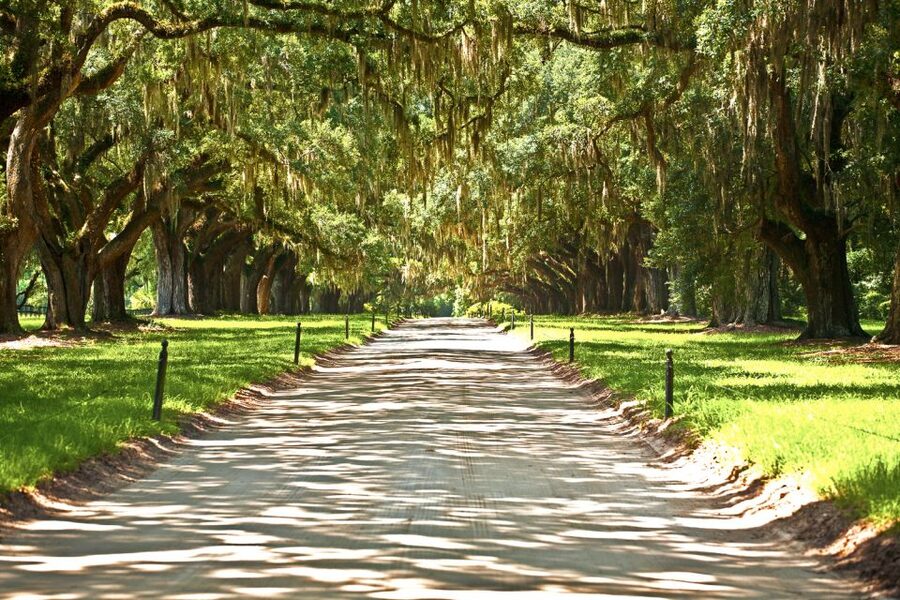
You cannot visit all three plantations on this tour. The choice affects the tone of your morning.
Choose Laura for a mix of gardens, cabins, a Creole plantation setting, and a museum about daily life. It offers a broad introduction in a relatively short visit.
Choose Oak Alley if the Big House, oak-lined grounds, and the history of sugar production appeal to you. Its exhibit also covers health care, punishment, and life after Emancipation, so the visit is not just about architecture.
Choose Whitney if you want the strongest focus on enslaved people and first-person accounts. Its memorials, audio tour, and working buildings make the human story the center of the visit.
There is no universally best choice. The right one depends on what you want from the plantation portion. If you are most interested in grand architecture, Oak Alley may be the natural pick. If you want social history and personal accounts, Whitney is likely the better match. If you want gardens, cabins, and a French Creole setting in one stop, Laura offers a balanced option.
The 14-passenger bus and morning timing
Hotel pickup is included from the front of your listed hotel in New Orleans. Pickup generally occurs between 8:00 and 8:30 AM, so be ready early and watch for the exact time supplied after booking.
A 14-passenger bus is a useful middle ground. It is smaller than a standard sightseeing coach, but still large enough to make the transfer comfortable for a small group. The size also matters on a long day because the ride feels more like a guided outing than a mass departure.
The guide provides a live English-language narrative during the trip. Laura and Oak Alley are offered in English only. Whitney uses a self-guided audio format, with multilingual options stated in the activity details.
Do not plan to eat breakfast on the bus. Eating and drinking are not permitted except for water. Have food before pickup, and bring a bottle for the ride and swamp portion. Comfortable shoes and weather-appropriate clothing are listed as essentials, and Louisiana conditions can make both the plantation grounds and boat ride feel very different from the temperature in downtown New Orleans.
The pontoon ride through the back swamp
After the plantation, you head out on a Louisiana swamp tour. The Cajun Captains guide the pontoon through the back swamp while explaining the wetlands, the bayou, and the history of swamp exploration.
This is not simply a boat ride for photographs. The educational focus helps you understand why wetlands matter and how people have used and moved through these waterways. You’ll learn about the swamp’s inhabitants, including American alligators, and about the natural setting that has shaped life in southern Louisiana.
The phrase back swamp suggests a quieter, less developed water route. Still, conditions and animal sightings are part of nature, not a promise. The reliable part of the experience is the captain’s narration about wetlands, swamp life, and local history.
A pontoon boat also gives the outing a different feel from a plantation visit. At the plantation, you move through fixed buildings and exhibits. On the water, the scenery changes as the captain navigates. You’ll want clothing suited to the weather and shoes that work for both parts of the day.
The swamp segment is a good counterpoint to the plantation. It gives your eyes a break from interiors and grounds, while the narration adds context to a part of Louisiana that can be hard to understand from the road.
Is $140 a fair price?
At $140 per person, this is not the cheapest way to see a plantation and swamp. It becomes more reasonable when you count what is included: hotel pickup and drop-off, transport in a 14-passenger bus, admission to one plantation, a guided plantation visit, and the pontoon swamp tour.
You are also paying for time saved. A rental car would require you to organize the plantation admission, drive out from New Orleans, find the sites, and arrange a separate swamp excursion. This package ties the two experiences together in one day.
Food and drinks are not included, and you will need to handle meals on your own. Since food is not permitted on the bus except water, plan ahead rather than assuming you can buy something during the ride.
The price is strongest for a first visit when you want a broad introduction without managing rural transport. It is less appealing if you have several days, enjoy slow visits, and would rather spend half a day at one plantation. The short, efficient format is the central bargain and the central compromise.
Who should book this day trip?
I would recommend this tour to you if you have one free day in New Orleans and want both plantation history and a swamp outing. It also suits people who prefer hotel pickup, included admissions, and a guided schedule instead of renting a car.
It is a practical option for couples, families, and small groups who want variety. The day includes architecture, gardens, difficult history, wetlands, and wildlife education, so it does not depend on just one type of attraction.
You may want a different plan if you dislike early starts, fixed schedules, or short visits. You may also prefer a separate plantation tour if you want to compare all three properties or spend more time with one collection.
The history can be emotionally difficult, especially at Whitney. That is part of the value, but it also means you should approach the plantation portion with attention and respect. This is not only a scenic outing.
Practical advice before you reserve
Check which plantation is being offered for your date and confirm the pickup time. If you want Whitney, avoid Tuesday because it is closed that day.
Wear comfortable shoes for walking around buildings, gardens, cabins, and grounds. Choose weather-appropriate clothing that will also work on the pontoon boat.
Bring water, but do not bring a meal expecting to eat on the bus. Eating and drinking are not allowed there except water.
The activity offers free cancellation up to 24 hours before departure for a full refund, and you can reserve now and pay later. That gives you some flexibility while your New Orleans schedule is still taking shape.
Should you book it?
Book this tour if you want an efficient introduction to two defining parts of southern Louisiana: plantation country and the wetlands. The best feature is the pairing, especially for a first visit when you want variety and do not want to drive.
Pick the plantation based on your interests, not only on photographs. Laura offers gardens, cabins, and daily-life exhibits. Oak Alley combines grand architecture with difficult subjects such as punishment and emancipation. Whitney puts enslaved people’s voices and memorials at the center.
Skip it if you want a slow, detailed study of one plantation or dislike spending a full day on a fixed schedule. For most first-time visitors with only one open day, though, the $140 cost is a fair exchange for transport, admissions, two distinct experiences, and a useful introduction to Louisiana beyond New Orleans.
FAQ
How long is the tour?
The experience lasts about eight hours.
What time does pickup take place?
Hotel pickup generally takes place between 8:00 and 8:30 AM. Check availability for the exact starting time.
Where does pickup occur?
Pickup is from in front of your listed hotel in New Orleans.
Which plantations can I visit?
The tour includes one of three plantations: Laura Plantation, Oak Alley Plantation, or Whitney Plantation.
Can I visit all three plantations during the tour?
No. The itinerary includes a visit to one plantation.
How long is the plantation visit?
The plantation portion lasts about 90 minutes.
Is Whitney Plantation open every day?
Whitney Plantation is closed on Tuesdays.
Is the tour offered in languages other than English?
The live tour language is English. Laura and Oak Alley are offered only in English. Whitney uses a self-guided audio tour with multilingual options listed in the activity details.
What is included in the price?
Hotel pickup and drop-off, admission tickets, the plantation visit, and the swamp tour are included.
Are food and drinks included?
No. Food and drinks are not included, and eating and drinking are not permitted on the bus except for water.
More 1-Day Tours in New Orleans
- New Orleans: Oak Alley Plantation and Swamp Cruise Day Trip
★ 4.6 · 183 reviews
Newest New Orleans tours we have written up
- 45-Minute Garden District Highlights Tour in New Orleans★ 5.0 · 33 reviews
- 45-Minute Marigny Triangle Highlights Tour in New Orleans★ 5.0 · 12 reviews
- New Orleans City and Swamp Helicopter Tour★ 5.0 · 9 reviews
- 20 Passenger New Orleans Airport or Hotel Transfer★ 5.0 · 6 reviews
- Private New Orleans 2-Hour Sail Aboard a Luxury Yacht★ 5.0 · 44 reviews
- The New Orleans Darkness Tour★ 4.4 · 9 reviews
- 11 Passenger Executive Van: New Orleans Airport or Hotel Transfer★ 4.0 · 8 reviews
- Spooky Family Ghost Tour★ 3.4 · 9 reviews
New Orleans Swamp Tours, compared.

New Orleans Swamp and Bayou Boat Tour with Transportation
Read our review →
Swamp Boat Ride and Oak Alley Plantation Tour from New Orleans
Read our review →
New Orleans Self-Transport Swamp and Bayou Boat Tour
Read our review →
Large Airboat Swamp Tour with Transportation from New Orleans
Read our review →
Small-Group Airboat Swamp Tour with Downtown New Orleans Pickup
Read our review →
New Orleans Manchac Bayou Swamp Cruise W/ Optional Pick-Up
Read our review →
Browse the lists this tour appears in