
Reviewed · TREME WALKING TOURS
New Orleans Treme’ Walking Tour
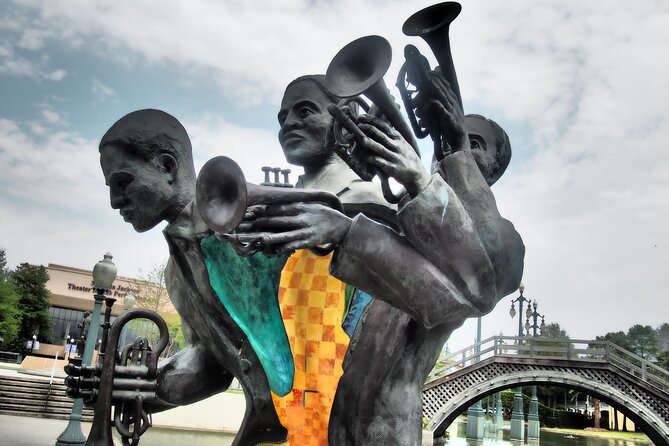
New Orleans Treme’ Walking Tour is really a music and Black history walk, with Treme as its setting. You move through Armstrong Park, Congo Square, Storyville, and several important sites while your guide explains how enslaved and free people of color shaped the city’s culture and the sound that became jazz.
I like the small maximum of 14 people, which makes questions easier and keeps the walk personal. I also like the use of music clips. Guides such as Kwaku, Claire, Erin, and Nika have used songs to give the stories a clear sense of place, not just a list of dates.
The main thing to consider is the balance of the route. One recent experience spent nearly an hour in Armstrong Park, with only a short stretch of the surrounding neighborhood. If you expect a long walk through residential Treme, you may find the park and monument portion heavier than expected.
Key points before you book
- Music is part of the storytelling: Guides may play short selections linked to jazz, blues, musicians, and specific places.
- The route begins at Voodoo Lounge: Meet at 718 N Rampart Street at 10:30 a.m., then return to the same point.
- Armstrong Park receives serious attention: Congo Square and nearby monuments provide much of the tour’s historical focus.
- The group is capped at 14 people: That is a useful size for questions and conversation without feeling like a large procession.
- You will cover difficult history: The tour addresses slavery, the Black experience, civil rights, cultural appropriation, and the loss of important musical spaces.
- Wear comfortable shoes: The walk lasts about 1 hour and 45 minutes and runs rain or shine.
Why Treme deserves a closer look
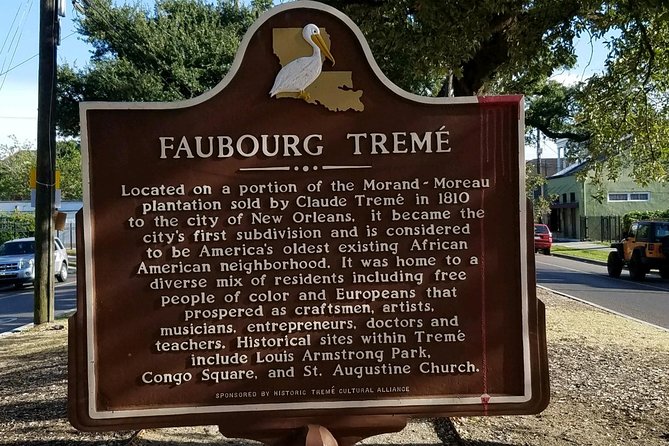
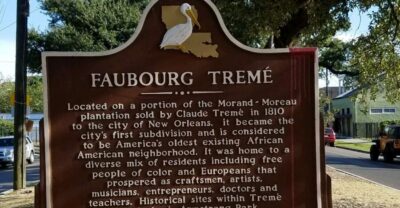
Treme is not simply another colorful New Orleans neighborhood to photograph. It is one of the city’s key places for understanding Black community life, music, religion, resistance, and cultural continuity.
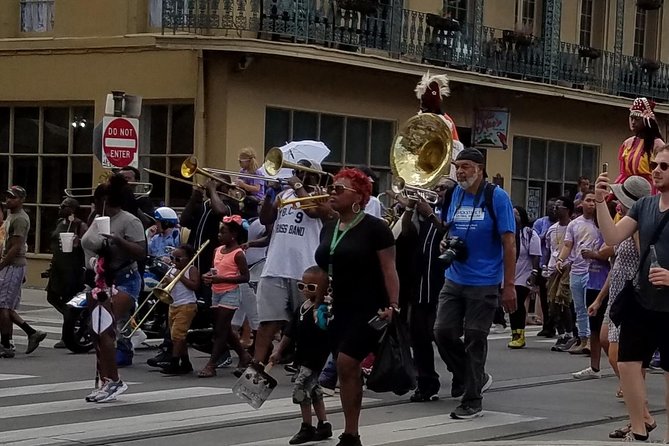
The tour helps connect those subjects. You hear about the people who gathered, worshipped, worked, played music, and built traditions in and around Treme. You also hear how those traditions fed into jazz, and how the contributions of Black musicians were sometimes minimized or taken by others.
That balance matters. You will not get only a cheerful music lesson or only a solemn history lecture. The strongest guides, including Erin, Kwaku, Claire, and Nika, bring both sides together. Their storytelling can be funny and warm, but it does not avoid painful subjects.
I especially like the way the music gives the history a human scale. A short piece of jazz or blues can show why a place mattered more effectively than another paragraph of explanation. You should expect a guide-led experience rather than a quiet architectural walk.
More walks through the Treme:
- New Orleans: Tremé African American & Creole History Tour
★ 4.9 · 208 reviews - 60-minute Tremé Walking Tour & Photo Experience
★ 5.0 · 72 reviews - New Orleans Voodoo, Storyville, Treme, Walking Tour
★ 4.5 · 58 reviews
Starting at Voodoo Lounge and Armstrong Park
The meeting point is Voodoo Lounge at 718 N Rampart Street. The tour begins at 10:30 a.m. and ends back at the same place, which makes planning the rest of your day fairly easy.
The opening portion gives you general Treme history before moving into Armstrong Park. This is a practical way to begin because the park contains several sites tied to the neighborhood’s story. It also means the first part of the walk may feel more like a park and monument tour than a street-by-street exploration of Treme.
That distinction is worth keeping in mind. One recent account found that nearly the first hour stayed in Armstrong Park, with only a block or two in the neighborhood itself. If your main goal is to see how present-day Treme looks from street level, ask yourself how much park-based history you want.
For me, the park focus makes sense because the tour’s central themes are gatherings, memory, music, and public space. Still, the name Treme’ Walking Tour can create an expectation of more neighborhood walking than the route always provides.
Storyville and the early jazz connection
The Storyville portion lasts about 15 minutes. Your guide explains the former red-light district, which operated from 1897 to 1917 and included brothels, bars, dance halls, and places where musicians performed and socialized.
Storyville is often romanticized as the birthplace of jazz. The tour gives you a chance to hear that claim in context rather than accept it as a simple fact. The area did help create conditions where musicians worked and mixed, but jazz grew from a much wider network of Black musical traditions and New Orleans communities.
This is a compact stop, so do not expect a long exploration of surviving buildings. The value is in the explanation of how nightlife, working musicians, and the city’s social divisions influenced the music. It also provides a useful bridge between Treme’s community story and New Orleans’ broader musical past.
The Storyville section may appeal most to you if you like learning how music develops from real places and working lives. If you are hoping to see a preserved red-light district, you should adjust your expectations.
Congo Square and the roots of public music

Congo Square receives about 15 minutes, though it may feel longer depending on your guide’s storytelling and the questions in your group. This is one of the most important stops on the route.
During the 19th century, enslaved and free people of color gathered here for meetings, open markets, dancing, and drumming. Those gatherings played a major part in the development of jazz and in the survival of African musical traditions in New Orleans.
The importance of Congo Square is not just musical. It points to the ways Black people created community and maintained cultural practices under oppressive conditions. A good guide will help you see the site as a place of agency and connection, not simply as a footnote in a jazz timeline.
You may also encounter a local drum festival during this part of the walk, although the tour data does not promise one on every departure. That possibility fits the location well, but you should book the tour for the history and interpretation, not for a scheduled performance.
A few more New Orleans tours worth comparing
- New Orleans Premier Ghost, Voodoo and Vampire Walking Tour
★ 4.5 · 12,856 reviews - New Orleans Food Walking Tour of the French Quarter with Small-Group Option
★ 5.0 · 6,118 reviews - St. Louis Cemetery No. 1 Official Walking Tour
★ 4.5 · 3,941 reviews - New Orleans French Quarter, Voodoo and Culture Walking Tour
★ 4.5 · 2,961 reviews
St. Augustine’s Church and the Tomb of the Unknown Slave
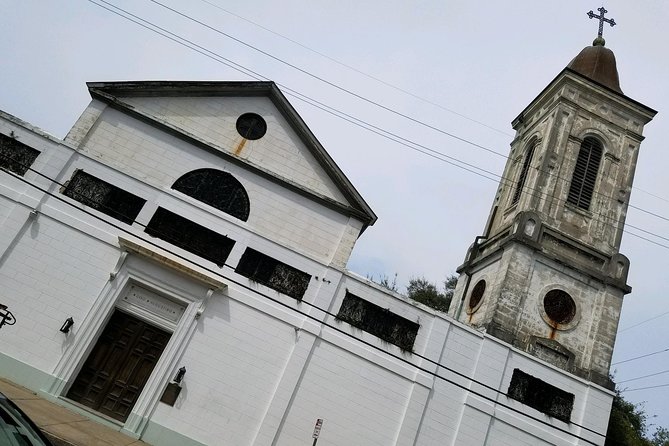
The main Treme section lasts about 50 minutes and includes several historic sites, including St. Augustine’s Church and the Tomb of the Unknown Slave. This is where the tour’s social and religious history comes into sharper focus.
The Tomb of the Unknown Slave is especially memorable because it directs attention to the people whose names and individual stories were lost. It gives the tour a quiet, serious pause after the music-focused sections.
St. Augustine’s Church adds another layer to the neighborhood story. Rather than treating Treme as a collection of famous musicians and colorful buildings, the guide places it within the life of a community. The result is a fuller picture of how faith, family, race, and local institutions shaped New Orleans.
This part can be emotionally demanding. You may hear about injustice, exclusion, the Black experience, and parts of the city’s past that are not often covered in a standard sightseeing tour. I consider that a strength, but it may not suit someone looking only for light entertainment.
The best guides adjust their pace and invite questions. Nika has been praised for taking time with explanations and playing music at useful points in the walk. Erin has also been singled out for presenting difficult history directly, without softening it into something easier but less honest.
The Lost Sock and the J&M Recording Studio story
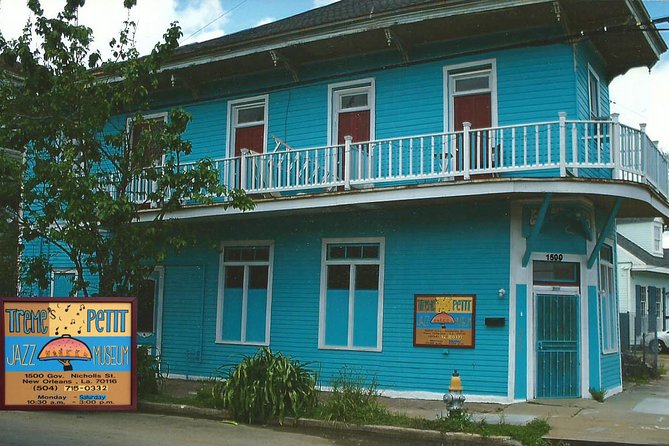
The final listed stop is The Lost Sock @ Rampart, a laundry and museum that occupies a site connected with Cosimo’s J&M Recording Studio. The location is associated with early recordings by Fats Domino, Little Richard, Professor Longhair, and other important musicians.
This stop is a good reminder that New Orleans music history is not confined to concert halls or famous tourist streets. Recording studios, neighborhood businesses, and working musicians helped carry the sound beyond the city.
The laundry and museum setting also gives the tour an unusual final note. It is not just another statue or marker. You get a connection between an everyday business, a former recording space, and the musicians whose work became part of American music.
Admission is included where stated, but the tour is primarily about the guide’s explanation. Do not expect a large museum visit or an extended indoor program. The stop is brief, about 15 minutes, and works best as a focused story within the larger walk.
The guides make the biggest difference
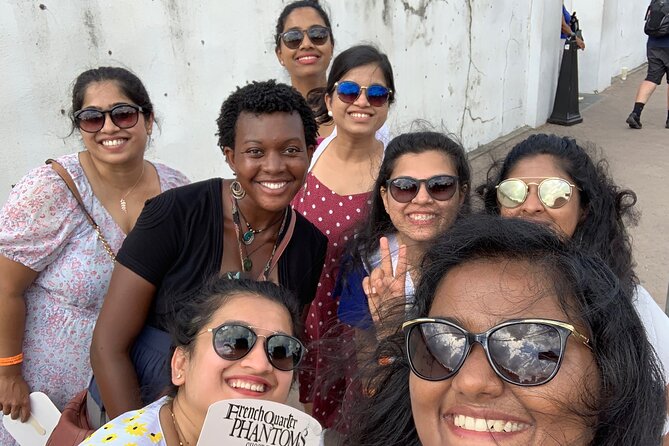
The route matters, but the guide will shape your experience more than any single stop. The strongest feedback centers on guides who tell stories clearly, answer questions, and use music at the right moments.
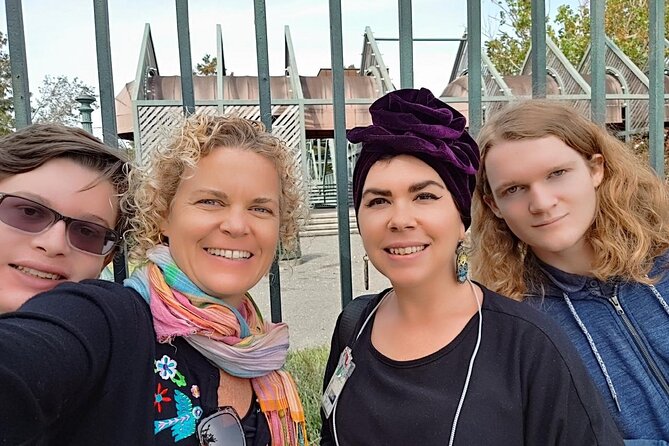
Kwaku has been praised for bringing Treme’s past and present together through music and broad knowledge of the area. Claire is known for connecting local history with music history and using audio to support the talk. Erin is described as passionate, funny, direct, and especially good at discussing the Black experience.
Nika has received similar praise for detailed storytelling and musical examples. Pepe has been appreciated for his enthusiasm about Treme and New Orleans music, even by someone who already lived in New Orleans. Other guides named in the tour feedback include Bobby, Eva, Nikka, and Angelina.
Because the guide roster changes, you cannot book a specific storytelling style with certainty unless the operator confirms it. What you can expect is a guide-led interpretation rather than a self-guided route. The small group helps, and guides have sometimes adjusted their commentary to questions or stayed beyond the planned time.
Group size, pace, and comfort
The maximum group size is 14 people. That is small enough for a conversational feel and large enough to provide energy when people ask questions. It also gives you a better chance of hearing the guide than on a large city tour.
The stated duration is about 1 hour and 45 minutes. The walk has been described as manageable for older adults, but you still need comfortable shoes. New Orleans heat can make even an easy route feel harder, and one guide reportedly kept an eye on the temperature and made the experience more comfortable.
Bring water and dress for the weather. The tour runs rain or shine, so a light rain layer is sensible on unsettled days. You may bring a camera, but videotaping is not allowed.
The tour is near public transportation, and service animals are allowed. Most people can participate, though the experience remains a walking tour with outdoor exposure and no hotel pickup or drop-off.
Is $20.50 a fair price?
At $20.50 per person, this is a modestly priced way to spend nearly two hours with a professional guide. The value comes less from admission fees and more from interpretation. You are paying for context that would be difficult to assemble by walking through Armstrong Park and Treme alone.
The price is especially fair if you care about New Orleans music, Black history, civil rights, or the links between public space and cultural life. The small group also adds value because you can ask questions and hear the guide’s answers without competing with a crowd.
The value is less clear if you want a long street walk through Treme or a tour centered on building interiors. Most of the stops are free, and the route may devote a large share of its time to Armstrong Park. In that case, the guide’s storytelling must be your main reason for booking.
Food, drinks, and alcoholic drinks are not included. You may find a chance to buy something cold during the walk, but do not count on refreshments as part of the tour.
Who should book this Treme walk?
I would choose this tour if you want a thoughtful introduction to New Orleans culture and prefer stories over a checklist of sights. It suits first-time visitors who want more context, music fans curious about jazz and recording history, and anyone who wants to understand Treme beyond its reputation.
It is also a good choice for families with older children, couples, and small groups who like asking questions. The walk is not presented as a ghost tour or a party outing, though the guides can be funny and lively.
I would be more cautious if your priority is seeing a large section of the modern neighborhood on foot. The route includes Treme, but the park and its memorial sites can take up much of the experience. Check your expectations before you book.
Free cancellation is available if you cancel at least 24 hours before the 10:30 a.m. start time. Changes or cancellations made inside that window are not refunded.
Should you book it?
Book the New Orleans Treme’ Walking Tour if you want the city’s music explained through its people, places, and hard history. The best moments come when a guide such as Kwaku, Erin, Claire, or Nika pairs a song with a location and shows you why that place matters.
Skip it if you want a purely architectural walk or a broad neighborhood tour with little time in Armstrong Park. For most people interested in New Orleans culture, $20.50 is a reasonable price for a focused, personal lesson in the roots of Treme and jazz.
FAQ
Where does the New Orleans Treme’ Walking Tour begin?
The tour begins at Voodoo Lounge, 718 N Rampart Street, New Orleans, Louisiana 70116.
What time does the tour start?
The scheduled start time is 10:30 a.m.
How long does the tour last?
The tour lasts approximately 1 hour and 45 minutes.
Where does the tour finish?
The activity ends back at the meeting point at Voodoo Lounge.
How large is the tour group?
The maximum group size is 14 people.
What language is the tour offered in?
The tour is offered in English.
What should I wear or bring?
Wear comfortable shoes. You may bring a camera, but videotaping is not allowed. The tour runs rain or shine.
Can I cancel for a refund?
Yes. You can receive a full refund if you cancel at least 24 hours before the experience start time. Cancellations or changes made less than 24 hours before the start are not refunded.
Newest New Orleans tours we have written up
- 45-Minute Garden District Highlights Tour in New Orleans★ 5.0 · 33 reviews
- New Orleans City and Swamp Helicopter Tour★ 5.0 · 9 reviews
- 45-Minute Marigny Triangle Highlights Tour in New Orleans★ 5.0 · 12 reviews
- 20 Passenger New Orleans Airport or Hotel Transfer★ 5.0 · 6 reviews
- Private New Orleans 2-Hour Sail Aboard a Luxury Yacht★ 5.0 · 44 reviews
- The New Orleans Darkness Tour★ 4.4 · 9 reviews
- 11 Passenger Executive Van: New Orleans Airport or Hotel Transfer★ 4.0 · 8 reviews
- Spooky Family Ghost Tour★ 3.4 · 9 reviews
Treme Walking Tours, compared.
New Orleans Voodoo, Storyville, Treme, Walking Tour
Read our review →
Walking the Tremé: A Self-guided Audio Tour of New Orleans
Read our review →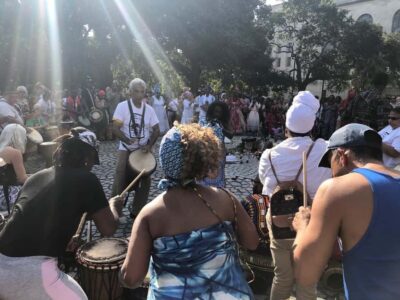
Browse the lists this tour appears in