
Reviewed · NEW ORLEANS PLANTATION TOURS
Destrehan Plantation Tour
Destrehan Plantation gives you more than a look inside an old Louisiana house. The tour connects the plantation’s political, social, and economic life with the people who lived and worked there, including those held in slavery. The 1811 Slave Revolt exhibit adds serious historical weight to what could otherwise be a pretty but shallow house visit.
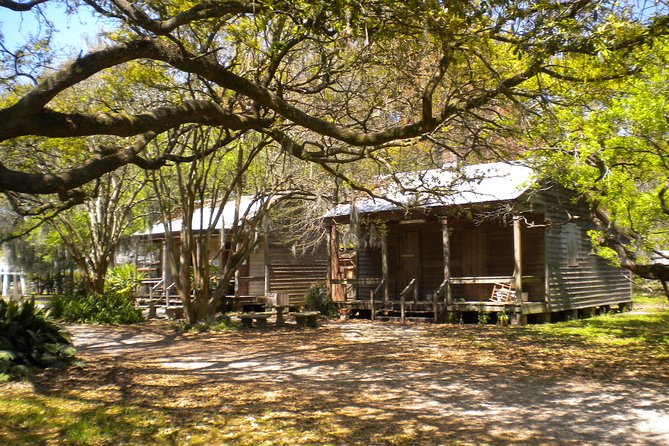
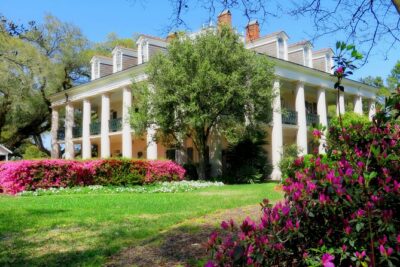
I like two things right away: the guides use period clothing and strong storytelling, and you can continue exploring the grounds and dependency buildings after the main presentation. The slave cabin, outdoor kitchen, overseer’s cabin, and Legacy Room help you see plantation life beyond the polished main house.
The main consideration is timing. The tour is described as about 45 minutes in one place, while the full visit is listed as roughly two hours once the buildings and grounds are included. Plan for the longer stay, especially if you want to read the documents and walk beneath the oak trees.
Key Points Before You Go
- The 1811 Slave Revolt receives dedicated attention: The overseer’s cabin includes an exhibit about the largest uprising of enslaved people in U.S. history.
- Costumed guides shape the experience: Guides including Jim, Beverly, Jordan, Kelly, and others bring personal stories and period detail into the tour.
- The visit extends beyond the main house: You can see a slave cabin, outdoor kitchen, washroom, trapper’s cabin, and overseer’s cabin.
- The grounds reward extra time: Oak trees and a peaceful setting make the post-tour walk worthwhile.
- It stays close to New Orleans: The plantation is in Destrehan, Louisiana, and can be reached by rideshare or taxi.
- Small groups help with questions: The maximum group size is 19 people, a useful limit for a history-focused visit.
Why Destrehan Tells a Larger Plantation Story
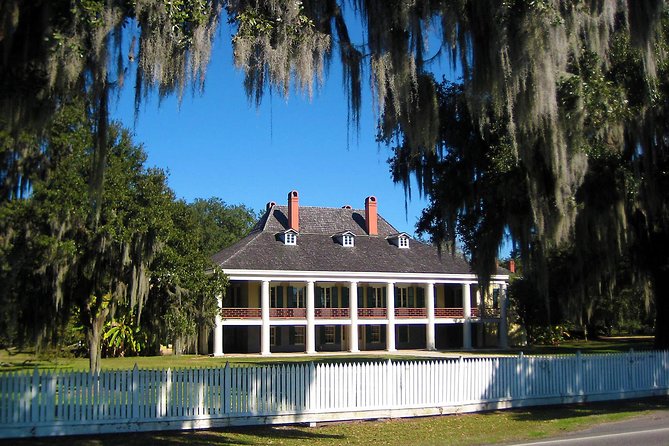
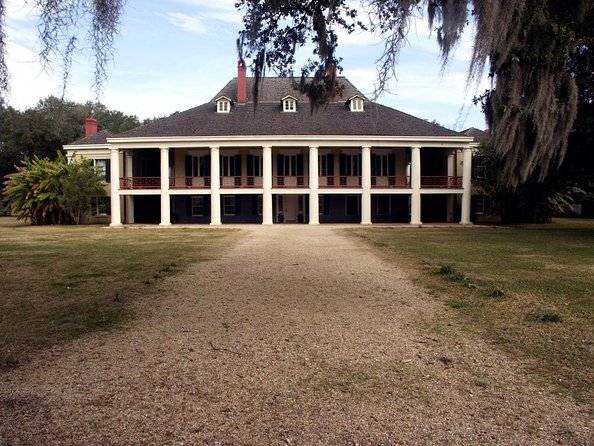
Many plantation tours can become little more than architecture tours. You walk through grand rooms, hear about the family who owned the property, and leave with a vague sense of wealth and age. Destrehan aims for a wider picture.
The tour looks at how the plantation functioned politically, socially, and economically. That means the house matters, but so do the people who maintained it, worked the land, managed daily operations, and lived under forced labor. You get a clearer sense of how a plantation depended on a whole community, not only the family in the main residence.
I find that approach useful because the restored rooms can easily dominate your attention. The house is attractive and important, but it is only one part of the story. The smaller buildings and original records help correct the usual imbalance between elegant architecture and the harsh reality that made plantation wealth possible.
The site also connects local history to a major national event. The 1811 Slave Revolt exhibit explains an uprising that took place in the region and is described as the largest revolt of enslaved people in U.S. history. That subject deserves careful attention, and Destrehan gives it a specific place within the visit rather than treating slavery as a brief side note.
More Destrehan Plantation tours:
- Airboat Swamp and Destrehan Plantation Tour from New Orleans
★ 5.0 · 258 reviews - Destrehan Plantation Haunted Night Tour
★ 4.5 · 100 reviews - Destrehan Plantation and Large Airboat Tour from New Orleans
★ 4.5 · 60 reviews
Inside the Main House With a Costumed Interpreter
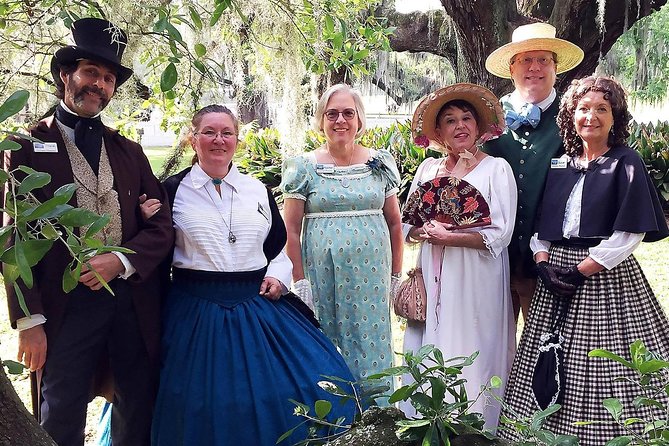
The guided portion begins with a costumed historical interpreter. The clothing is not just decoration. It gives the presentation a clear sense of time and helps frame the lives of the people connected to Destrehan.
The strongest guides appear to be the ones who combine performance with solid facts. Jim is repeatedly singled out for keeping the group engaged, explaining details clearly, and answering questions. Beverly is described as enthusiastic and thought-provoking in period costume. Jordan, Kelly, Kaitlin, Clint, Sarah, Alan, and Ann are also associated with tours that explain the family, the buildings, preservation, and the wider history of the site.
Because different interpreters lead the tour, the exact tone can vary. One guide may focus more on family stories, another on construction and restoration, and another on the experiences of enslaved people. That variation can be a strength. The central topics remain consistent, while the storytelling may feel personal rather than canned.
You should expect stories about both free and enslaved people. That balance matters. The plantation’s owners and family members are part of the record, but so are the people whose labor supported the property and whose lives were controlled by the institution of slavery.
The main house is also useful for understanding status and daily life. Details about construction, maintenance, and restoration show how much work was needed to preserve a large residence in Louisiana. At the same time, the house can feel removed from the difficult conditions experienced by enslaved workers. That is why the second half of the visit is essential.
The 1811 Slave Revolt Exhibit
The most important historical stop is the overseer’s cabin, where the 1811 Slave Revolt exhibit is located. Give this section your full attention. It is not simply another small building on the property.
The exhibit places Destrehan within the story of an organized uprising by enslaved people. The subject can be painful, but it is necessary. A plantation visit that skips resistance gives you only part of the truth. Here, you get a chance to consider the people who challenged the system and the conditions that led to revolt.
The information is presented as part of the site’s wider history, along with material about the families and area. You may find this section more emotionally demanding than the main-house tour, especially after seeing the comfort and scale of the owners’ residence.
I would schedule enough time to read and think rather than rushing from one building to the next. The full visit is listed at about two hours, and this is one reason the shorter 45-minute description can be misleading. The main guided presentation may be brief, but the historical material deserves more time.
Slave Cabin, Kitchen, Washroom, and Trapper’s Cabin
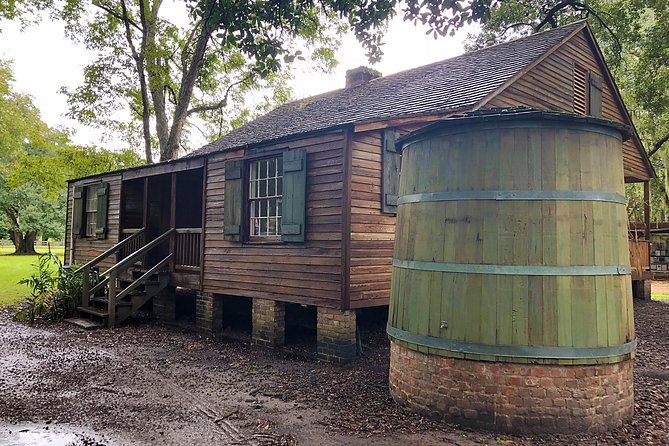
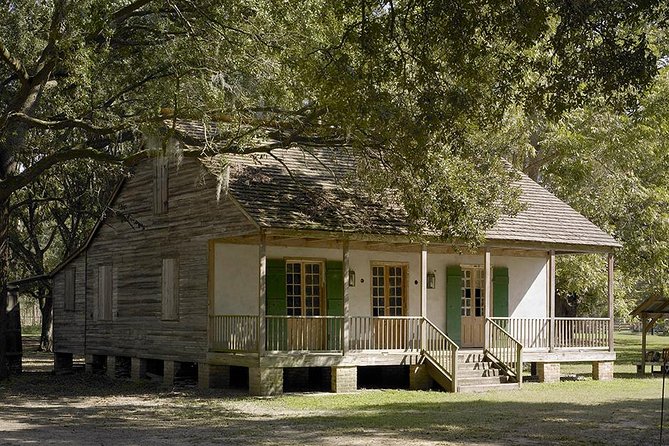
After the main tour, you can explore several dependency buildings on your own. These smaller structures are where the plantation’s daily work becomes easier to picture.
The slave cabin includes an enslaved registry. That is a valuable detail because names and records can make a broad historical subject more personal. Instead of thinking only in terms of numbers or general conditions, you can look at the kind of documentation used to track enslaved people.
The outdoor kitchen shows how food preparation operated away from the main residence. It also helps you understand the separation between the family’s living space and the work that supported it. A visit here can make the grand rooms feel less self-contained.
The washroom and trapper’s cabin add more pieces to the site’s working life. They may not take long to see, but together they widen your view of the plantation. This is not a single grand building surrounded by empty lawns. It was a place with many jobs, structures, routines, and unequal relationships.
These buildings are also where you can move at your own pace. If one topic catches your attention, you are not limited to the speed of a guided group. You can pause, look closely, and then continue around the grounds.
More River Road plantation tours:
- Swamp Boat Ride and Oak Alley Plantation Tour from New Orleans
★ 5.0 · 3,303 reviews - Oak Alley Plantation Tour with Transportation from New Orleans
★ 4.5 · 1,747 reviews - Whitney Plantation Tour with Transportation from New Orleans
★ 4.5 · 1,351 reviews - Laura Creole Plantation Guided Tour
★ 5.0 · 1,279 reviews
Original Documents in the Legacy Room
The Legacy Room displays original documents and artifacts connected to family members. For me, this is one of the best stops for visitors who like primary sources.
A restored room tells you what a place looked like. A document can show how people recorded ownership, family connections, work, or property. Together, the two types of evidence create a fuller picture.
The material also adds a useful contrast to the period interpretation. Costumed guides bring the past to life through spoken stories, while the documents provide a more direct connection to the people and institutions that shaped Destrehan.
You should not expect a huge museum collection based on the information provided. The value is in seeing original material within the plantation setting, where the documents relate directly to the buildings and people being discussed.
Walking the Grounds Under the Oak Trees
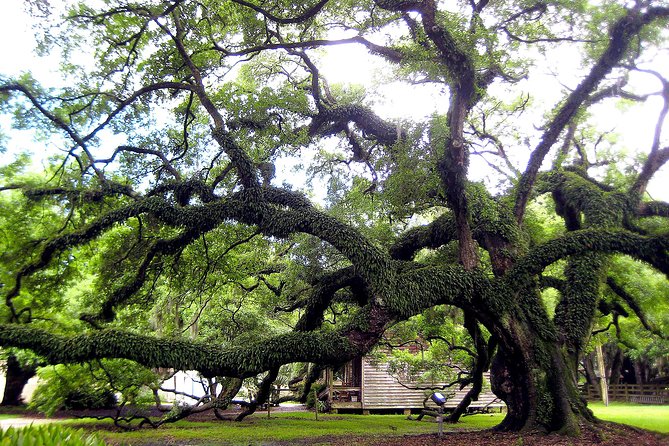
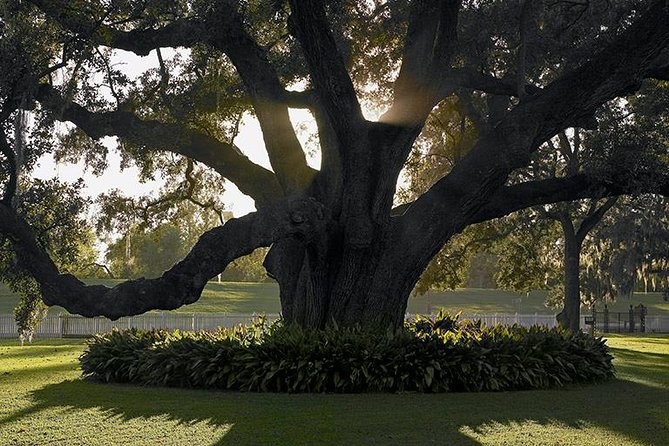
Set aside time outside. The grounds are repeatedly praised for their beauty and peaceful feel, with large oak trees creating much of the atmosphere.
The outdoor setting gives you a break after the heavier historical material. That does not make the visit less serious. It gives you room to process what you have seen and to notice how the property is arranged.
You can explore the grounds and dependency buildings after the guided portion, so you are not forced to leave as soon as the interpreter finishes. This flexibility makes the experience feel less rushed than a tour that keeps everyone moving from room to room.
Bring practical expectations. Louisiana weather can affect how comfortable you feel outside, although no specific weather facilities or seasonal advice are provided. Comfortable shoes are sensible because the visit includes walking between buildings and around the property.
The grounds are also a good reason to avoid treating Destrehan as a quick photo stop. The house may be the first thing you notice, but the broader setting helps you understand how the site functioned.
Price, Group Size, and Time Value
At $29.70 per person, Destrehan is reasonably priced for a guided historic site with access to the main house, multiple dependency buildings, an exhibit, original documents, and grounds.
The value depends on how you use the visit. If you only attend the main presentation and leave, the price may feel less compelling. If you stay close to two hours, explore the buildings, read the 1811 Slave Revolt material, and walk the grounds, you get a more substantial experience.
The maximum group size is 19 people. That is small enough to make questions practical, though your exact group may be smaller. The difference matters at a site where the guide’s explanations carry much of the experience.
The tour is offered in English. Most people can participate, and service animals are allowed. The meeting point is 13034 River Road in Destrehan, and the activity returns to that same location.
You can reach the plantation by rideshare or taxi, which makes it a workable choice if you do not have a car. You should allow enough travel time from New Orleans and confirm your return plan, since the experience ends back at the plantation rather than at a central city drop-off.
Who Will Get the Most From This Visit
I would choose Destrehan if you want plantation history presented through more than the owner’s point of view. The combination of costumed interpretation, the 1811 Slave Revolt exhibit, the enslaved registry, and the working buildings gives you several ways into the subject.
It suits families with older children who can handle serious history, couples, solo visitors, and small groups. The visit is short enough to fit into a busy New Orleans schedule, but substantial enough to feel like a real outing.
It also works well for visitors who want to stay close to New Orleans. You do not need to commit an entire day to a distant site. At the same time, do not expect a quick 45-minute attraction if you want to see everything. The two-hour estimate is more useful for planning.
This may not be the best choice if you want a highly interactive activity, extensive museum galleries, or a large selection of food and entertainment on site. The focus is the plantation, its history, its buildings, and the grounds.
There is an Indigo Café mentioned in connection with the property, but the supplied details do not explain its hours or menu. Treat it as a possible convenience, not a guaranteed part of the tour.
Helpful Planning Advice
Book ahead if your New Orleans schedule is fixed. The experience is often reserved about 16 days in advance, which suggests that popular dates can fill before you arrive.
Allow at least two hours from arrival to departure. The guided portion may be shorter, but you will get more from the ticket if you look through the outbuildings and Legacy Room instead of leaving after the main presentation.
Think carefully about the subject before you go. This is not only a pretty old house. The tour addresses slavery, the lives of enslaved people, and the 1811 revolt. That seriousness is one of its strengths, but it also means the experience may be emotionally difficult.
The guides are a major part of the visit. If you are assigned Jim, Beverly, Jordan, Kelly, or another interpreter, listen for the details they choose to emphasize and ask questions when you can. The strongest moments appear to come from clear explanations, personal stories, and a willingness to connect the plantation to the wider history of New Orleans and Louisiana.
Free cancellation is available if you cancel at least 24 hours before the start time. Cancellations inside that window are not refunded, and changes are not accepted during the final 24 hours.
Should You Book Destrehan Plantation?
I would book this tour if you want a serious, compact introduction to plantation life near New Orleans. The price is fair, the grounds are pleasant, and the visit goes beyond the main house with an enslaved registry, working buildings, original documents, and a dedicated 1811 Slave Revolt exhibit.
Book it especially if you value strong storytelling. Guides such as Jim, Beverly, Jordan, and Kelly are remembered for clear explanations, engaging delivery, and thoughtful treatment of difficult subjects.
Skip it only if you want a light sightseeing stop with little discussion of slavery. Destrehan asks you to look at beauty and injustice in the same place. That is exactly what makes the visit worth your time.
FAQ
Where is Destrehan Plantation located?
Destrehan Plantation is at 13034 River Road, Destrehan, Louisiana 70047, USA.
How long does the tour take?
The experience is listed as approximately 45 minutes in one description, while the full visit is listed as about two hours. Plan for about two hours if you want to see the buildings and grounds.
What language is the tour offered in?
The tour is offered in English.
How much does the tour cost?
The listed price is $29.70 per person.
What is included with admission?
Admission includes the guided plantation tour, the main house, the dependency buildings, the 1811 Slave Revolt exhibit, the Legacy Room, and access to the grounds.
What buildings can I see?
The grounds include a slave cabin with an enslaved registry, an overseer’s cabin, an outdoor kitchen, a washroom, and a trapper’s cabin.
Does the tour discuss slavery?
Yes. The tour discusses the lives of people who lived at the plantation free and enslaved, and it includes a dedicated exhibit about the 1811 Slave Revolt.
Can I explore the grounds after the guided tour?
Yes. You can explore the grounds and dependency buildings after the main guided portion.
Can I reach Destrehan Plantation without driving?
Yes. The plantation is accessible by rideshare or taxi.
What is the cancellation policy?
You can cancel at least 24 hours before the start time for a full refund. Cancellations or changes made less than 24 hours before the experience are not accepted, and the amount paid is not refunded.
Newest New Orleans tours we have written up
- 45-Minute Garden District Highlights Tour in New Orleans★ 5.0 · 33 reviews
- New Orleans City and Swamp Helicopter Tour★ 5.0 · 9 reviews
- 45-Minute Marigny Triangle Highlights Tour in New Orleans★ 5.0 · 12 reviews
- 20 Passenger New Orleans Airport or Hotel Transfer★ 5.0 · 6 reviews
- Private New Orleans 2-Hour Sail Aboard a Luxury Yacht★ 5.0 · 44 reviews
- The New Orleans Darkness Tour★ 4.4 · 9 reviews
- 11 Passenger Executive Van: New Orleans Airport or Hotel Transfer★ 4.0 · 8 reviews
- Spooky Family Ghost Tour★ 3.4 · 9 reviews
New Orleans Plantation Tours, compared.
Swamp Boat Ride and Oak Alley Plantation Tour from New Orleans
Read our review →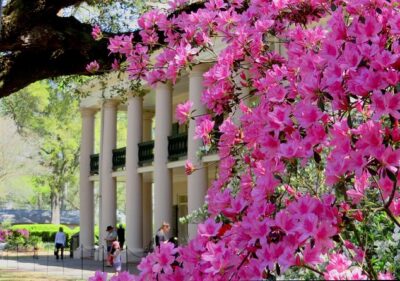
Oak Alley Plantation Tour with Transportation from New Orleans
Read our review →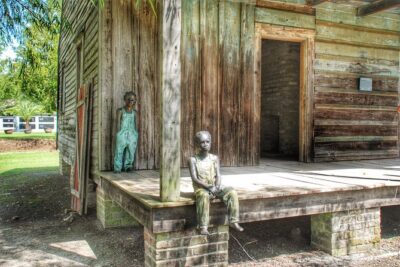
Whitney Plantation Tour with Transportation from New Orleans
Read our review →

Airboat and Plantations Tour with Gourmet Lunch from New Orleans
Read our review →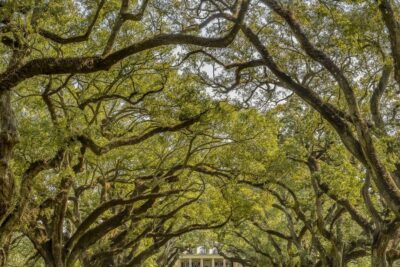
Bayou Swamp Tour and Oak Alley Plantation Tour
Read our review →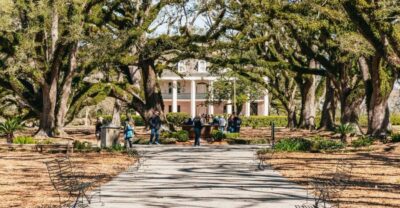
Oak Alley Plantation & Airboat Swamp Combo Tour
Read our review →
Oak Alley Plantation and Large Airboat Swamp Tour from New Orleans
Read our review →Browse the lists this tour appears in