
Reviewed · TREME WALKING TOURS
Historical Treme Walking Tour
Tremé is one of New Orleans’ most important neighborhoods for understanding Black culture, music, faith, and community life. This two-hour walk connects Congo Square, where enslaved and free people of color gathered, with Mardi Gras Indian traditions and the neighborhood’s old Creole homes. Guides such as Robin Parson bring a strong personal interest in Tremé’s past.
I like the tour’s focus on African American history rather than a quick parade of buildings. I also like the choice to add the Backstreet Cultural Museum, where you can spend more time with Black Mardi Gras traditions. The main caution is cost: the $35 tour does not include the museum’s separate $25 admission, and you’ll need to stand and walk for much of the two hours.
Key things to know before you book
- Congo Square gives the walk its heart: You’ll visit the sacred grounds where markets, drumming, dancing, and singing once brought people together.
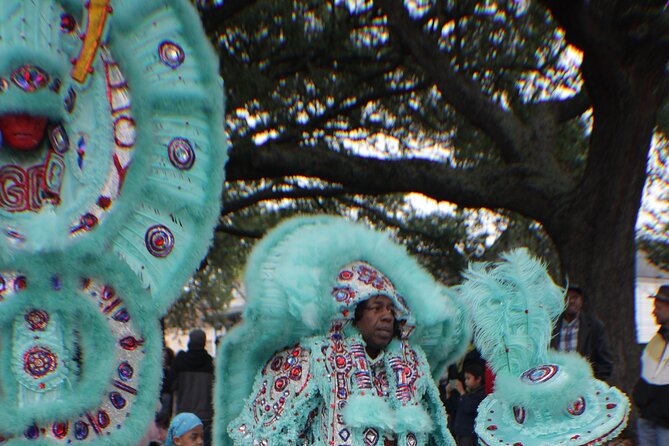
- Black Mardi Gras traditions get special attention: The optional Backstreet Cultural Museum visit adds about an hour and costs $25 extra.
- Robin Parson may lead your walk: She is praised for clear, engaging storytelling and a strong command of Tremé history.
- Creole architecture is part of the story: You’ll see cottages, townhouses, and the oldest surviving Creole mansion in New Orleans.
- The group can reach 28 people: The tour needs at least two people to operate, unless you arrange a private tour.
- Plan for simple logistics: It begins and ends at Louis Armstrong Park, uses a mobile ticket, and requires good weather.
Why Tremé deserves a focused walking tour
Tremé is not just a neighborhood with old houses. It is a place where African American life shaped New Orleans traditions in ways you can still trace today. This tour gives you a practical way to connect several pieces: communal gatherings at Congo Square, the cultural work of Mardi Gras Indians, and the surviving Creole buildings along the streets.
That connection matters. You are not simply looking at architecture, then hearing a separate story about festivals. The walk presents Tremé as a living community shaped by people who preserved customs, adapted to pressure, and created traditions that became central to New Orleans.
The tour is led by a licensed guide described as a New Orleans-born cultural ambassador. That local connection is useful here because Tremé’s story depends on more than dates and names. You want someone who can explain why a place matters, not just point toward it.
The strongest guide feedback centers on Robin Parson. She is described as personable, fun, and able to pack a great deal of New Orleans history into two hours without making the experience feel remote or academic. Harris is also praised for helping a returning New Orleans visitor learn much more than expected.
Guide assignments can vary, so you should not assume Robin will lead every departure. Still, the repeated praise for her storytelling gives you a good sense of the tone this experience aims for: direct, informed, and centered on the truth of Tremé’s past.
More walks through the Treme:
- New Orleans Treme’ Walking Tour
★ 5.0 · 240 reviews - New Orleans: Tremé African American & Creole History Tour
★ 4.9 · 208 reviews - 60-minute Tremé Walking Tour & Photo Experience
★ 5.0 · 72 reviews
Starting at Louis Armstrong Park
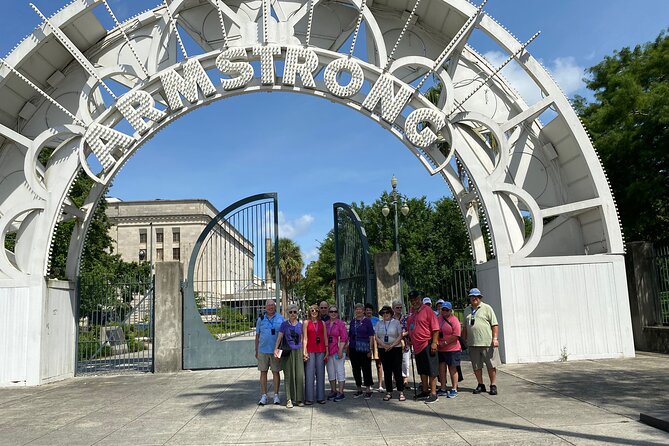
The walk begins at Louis Armstrong Park, at 701 North Rampart Street. This is a sensible meeting point because it places you right beside Tremé and Congo Square rather than requiring a long transfer before the tour starts.
You receive confirmation when you book, and the experience uses a mobile ticket. The tour is offered in English and returns to the same meeting point at the end, which makes it easier to plan around other New Orleans activities.
Give yourself enough time to arrive without rushing. The tour lasts about two hours, but part of the value comes from listening carefully and looking around as you move through the neighborhood. You will be standing for long periods, so comfortable shoes and water are practical choices, even though snacks and meals are not included.
The group may include as many as 28 people. That is not a tiny private stroll, and the amount of personal interaction may depend on the size of the departure. The maximum still keeps the group manageable for city walking, but you should book a private option if you want a slower, more personal format.
The Backstreet Cultural Museum and Black Mardi Gras Indians
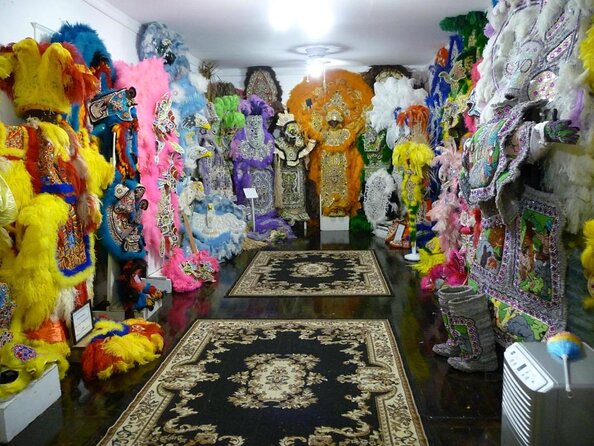
The Backstreet Cultural Museum is an optional part of the experience. The visit lasts about an hour, and admission is not included in the tour price. The listed museum cost is $25 per booking, with possible variation for senior citizens.
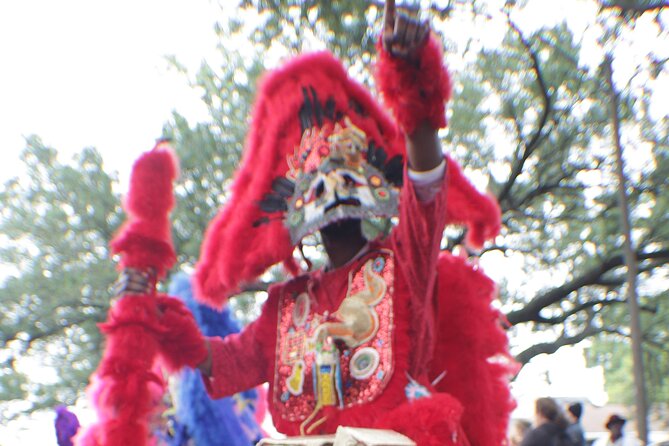
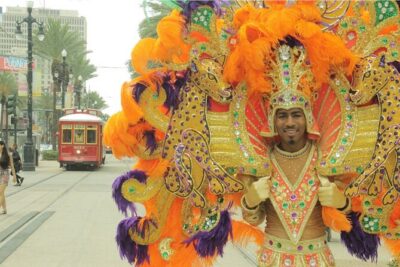
If you add it, this is the portion that gives the Black Mardi Gras Indian tradition a dedicated setting. You’ll learn about the heritage and stories connected to the groups who create elaborate suits, maintain ceremonial customs, and bring those traditions into New Orleans’ public life.
The museum visit is especially useful if you are new to the subject. A quick explanation on a sidewalk can introduce the tradition, but an hour focused on its objects and stories gives you more room to understand the care behind it.
You should confirm the current museum admission details when arranging your visit, since the supplied price may change. Also note the wording of the schedule: the museum is an option, not a required part of the $35 walking tour. If you skip it, the main walk still includes the cultural history and neighborhood stops.
This extra cost changes the total value calculation. The basic tour is $35 per person. With museum admission, the outing comes to about $60 per person before food or drinks. That is still reasonable for roughly three hours of guided cultural content, but it is not a $35 all-inclusive experience.
Congo Square, where community gathered
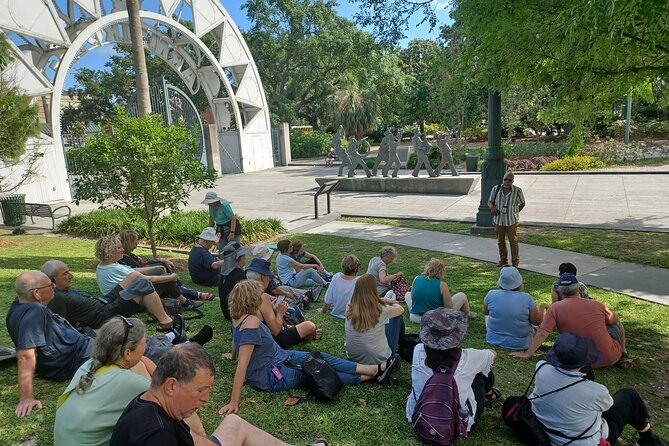
The stop at Congo Square lasts about 15 minutes and has no admission fee. It may be the shortest scheduled stop, but it carries the greatest symbolic weight.
This is where indigenous people, enslaved people, and free people of color gathered on Sundays. The market included selling goods, drumming, dancing, and singing. That range of activity helps you picture Congo Square as a place of exchange and expression, not merely an empty historic site.
The guide also discusses the spirits said to have protected these sacred grounds. You can expect the explanation to include both the social history of the gatherings and the spiritual meaning attached to the place.
Fifteen minutes is enough for an introduction, but not an extended visit. If Congo Square is your main reason for booking, pay close attention and ask questions while you are there. The tour’s strength is the guide’s interpretation, since the physical stop itself may not offer a long list of visible displays.
I like this part of the route because it gives the rest of the walk a clear center. The architecture and museum material make more sense when you understand the importance of shared Black spaces in New Orleans.
A few more New Orleans tours worth comparing
- New Orleans Garden District History Walking Tour
★ 5.0 · 2,879 reviews - French Quarter Historical Sights and Stories Walking Tour
★ 5.0 · 2,724 reviews - New Orleans Small-Group Haunted History Carriage Tour
★ 4.5 · 2,289 reviews - New Orleans Haunted History Ghost Tour
★ 4.5 · 2,084 reviews
Creole cottages, townhouses, and an old mansion
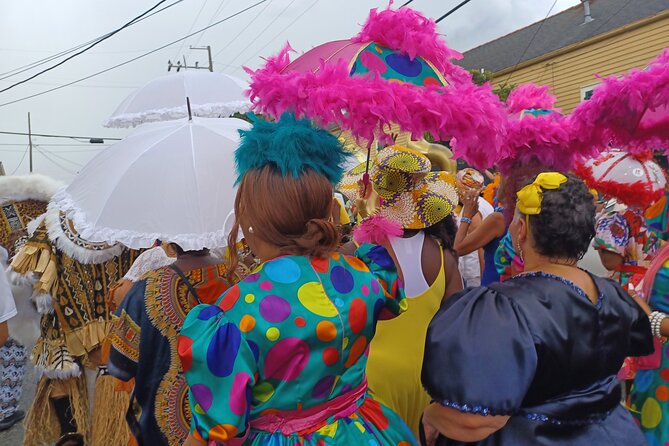
The final scheduled portion is a 45-minute walk through Creole and Sicilian neighborhoods in Tremé. You’ll see Creole cottages and Creole townhouses, along with the oldest surviving Creole mansion in New Orleans.
This section is a good reminder that the neighborhood’s story is visible at street level. A cottage can tell you about domestic life and local building traditions, while a larger mansion points toward differences in wealth, status, and ownership. The tour does not treat the buildings as isolated photo stops. It places them within the broader story of Tremé.
Architecture lovers should keep their expectations realistic. This is a neighborhood walk, not a formal house tour, and the supplied details do not indicate that you enter the homes. The value comes from seeing the exteriors while your guide explains what makes the forms Creole and why they matter in this setting.
The 45-minute timing also gives the walk a useful balance. You spend enough time looking at the streets and buildings, but the tour does not turn into a long architectural lecture. The guide’s storytelling remains the main event.
What the strongest guide experiences have in common
The praise for Robin Parson is unusually specific. She is described as having studied Tremé’s history closely, with an emphasis on telling it truthfully and making it accessible. That matters because the subject includes slavery, race, cultural survival, and the long work of preserving traditions.
You should expect a guide who talks at length. One two-hour departure was described as full of so much New Orleans history that the information continued to sit with the listener days later. That can be a benefit if you want substance, but it may feel dense if you prefer a light sightseeing stroll.
Harris is also singled out for being informative and helping someone who had already visited New Orleans discover more. That is encouraging for repeat visitors. You do not need to be a first-time visitor to get value from the walk.
The descriptions also point to a friendly, personable style rather than a dry lecture. The guide is intended to make the subject approachable while keeping the focus on real history and local traditions.
Price, timing, and physical effort
At $35 per person, the main tour offers two hours of guided walking and interpretation. I consider that a fair price if African American history and Tremé are priorities for you, especially since the guide is the part of the experience you cannot easily reproduce with a self-guided stroll.
The optional museum changes the math. Add $25 per person for admission, and you are paying about $60 for the combined outing. That can still be good value if you want a fuller look at Mardi Gras Indian culture, but you should know about the extra charge before booking.
The tour requires a moderate level of physical fitness. You must be able to walk and stand for long periods. There is no mention of a seated alternative or a shorter route, so ask the provider about your needs before booking if standing is difficult.
Good weather is required. If poor weather cancels the experience, you are offered another date or a full refund. The tour operates with a minimum of two people, and a one-person departure is not offered unless you arrange a private tour.
The experience is booked an average of 18 days ahead, which suggests you should not leave it until the last minute if your schedule is fixed. That is especially true if you want a particular guide or need to fit the walk around a short New Orleans stay.
Who will get the most from this walk
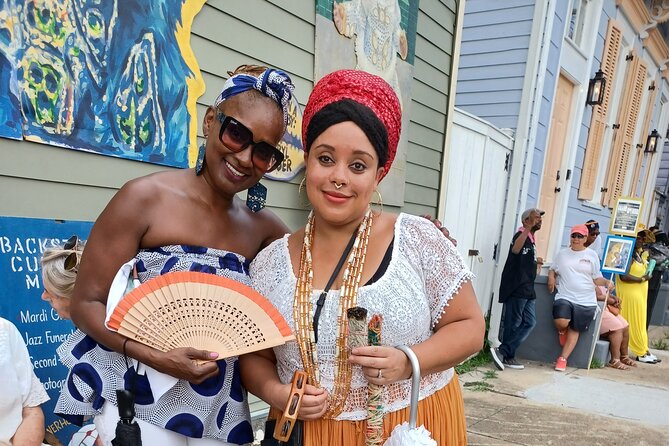
I would choose this tour if you want to understand New Orleans through Black history and local cultural traditions, not just music venues and famous streets. It suits first-time visitors who want context and repeat visitors who feel they have already seen the usual sights.
It is also a good fit for people interested in African American heritage, Mardi Gras Indian customs, Creole architecture, and the history of community spaces. Families with older children may find the storytelling meaningful, provided everyone can handle the walking and standing.
You may want a different activity if you mainly want food stops, live music, or a relaxed ride. This is a serious history walk with a lot of spoken information. It does not include snacks, lunch, or dinner, and the schedule does not promise live performances.
The optional museum visit makes the tour more flexible. You can keep the basic walk at two hours and $35, or add another hour and the museum fee for a fuller cultural program.
Should you book the Historical Tremé Walking Tour?
Book it if you want a focused introduction to Tremé and care about the people and traditions behind New Orleans’ public culture. Congo Square, Black Mardi Gras Indians, and Creole architecture give the walk a clear purpose, while guides such as Robin Parson add the detailed storytelling that makes those subjects easier to grasp.
The tour is best for you if you are comfortable walking, standing, and listening closely. Add the Backstreet Cultural Museum if the Mardi Gras Indian tradition interests you enough to justify the extra $25.
Skip it if you want a short, casual photo walk or if the physical demands will be uncomfortable. For everyone else, this is a fairly priced way to give Tremé the attention it deserves, with enough historical substance to stay with you after the two hours end.
FAQ
How long does the Historical Tremé Walking Tour last?
The guided walk lasts approximately two hours. The optional Backstreet Cultural Museum visit adds about one hour.
How much does the tour cost?
The tour costs $35 per person. Admission to the Backstreet Cultural Museum is separate and listed at $25, with possible variation for senior citizens.
Is museum admission included?
No. The Backstreet Cultural Museum is an optional stop, and its admission fee is not included in the tour price.
Where does the tour begin?
The tour begins at Louis Armstrong Park, 701 N Rampart Street, New Orleans, Louisiana 70116.
Where does the tour end?
The activity ends back at the meeting point in Louis Armstrong Park.
What language is the tour offered in?
The tour is offered in English.
How many people can join the tour?
The tour can have a maximum of 28 people. It operates with a minimum of two guests, unless you arrange a private tour.
Do I need to be physically fit for the tour?
You should have a moderate level of physical fitness and be able to stand for long periods.
Can I cancel for a full refund?
Yes. You can cancel at least 24 hours before the experience start time for a full refund. Cancellations or changes made less than 24 hours before the start time are not accepted for a refund. If poor weather cancels the tour, you are offered a different date or a full refund.
More Walking Tours in New Orleans
- New Orleans Premier Ghost, Voodoo and Vampire Walking Tour
★ 4.5 · 12,856 reviews - New Orleans Food Walking Tour of the French Quarter with Small-Group Option
★ 5.0 · 6,118 reviews - St. Louis Cemetery No. 1 Official Walking Tour
★ 4.5 · 3,941 reviews - New Orleans French Quarter, Voodoo and Culture Walking Tour
★ 4.5 · 2,961 reviews
Newest New Orleans tours we have written up
- Private Hotel & Airport Transfers in New Orleans Area One Way★ 5.0 · 7 reviews
- New Orleans : Best of Ghost & Voodoo Experience Walking Tour★ 3.0 · 8 reviews
- New Orleans African American Heritage Walking Tour★ 5.0 · 20 reviews
- Private Transfer: Louis Armstrong Airport MSY to New Orleans in Luxury SUV★ 5.0 · 5 reviews
- N’awlins Luxury: Whitney Plantation Tour with Transportation★ 4.5 · 20 reviews
- N’awlins Luxury: Whitney Plantation & Pontoon Swamp Tour w/Transportation★ 5.0 · 15 reviews
- Full-Day Laura Plantation & Airboat Swamp Tour with Pick up★ 4.5 · 3 reviews
- Full-Day Oak Alley Plantation & Airboat Swamp w/Transfer★ 4.5 · 5 reviews
Treme Walking Tours, compared.

New Orleans Voodoo, Storyville, Treme, Walking Tour
Read our review →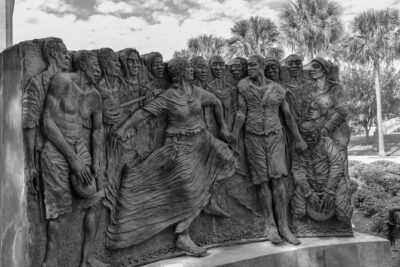
Walking the Tremé: A Self-guided Audio Tour of New Orleans
Read our review →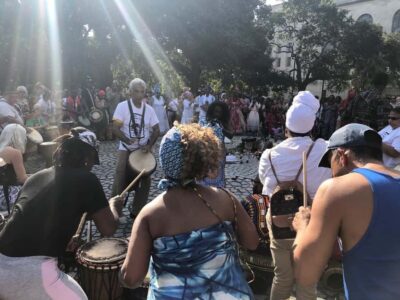
Browse the lists this tour appears in