
Reviewed · NEW ORLEANS MUSEUM AND ATTRACTION TICKETS
Museum of the Southern Jewish Experience in New Orleans
The Museum of the Southern Jewish Experience tells a story that is easy to miss: Jewish life in the American South was shaped by both Jewish tradition and the customs of each Southern community. I like the mix of artifacts, personal stories, and video, and I like that you can see the permanent galleries and temporary exhibitions without being tied to a group schedule. The museum turns a broad subject into something personal.
I also appreciate the self-guided format. You can spend more time with an object, film, or story that catches you, then move on when you are ready. The main drawback is that the visit is listed for about 90 minutes and the current hours are limited, with Monday hours shown from 10 a.m. to 5 p.m., so you should check the date and time carefully before planning your day.
Key things to know before you go

- Southern Jewish life is the main subject: The museum explains how Jewish communities influenced the South and how Southern culture influenced them in return.
- Your $15 ticket covers both types of exhibitions: Admission includes the permanent galleries and temporary exhibitions.
- Plan for about 90 minutes: That is enough time for a focused visit, though your pace will depend on how closely you watch the films and read the displays.
- The visit is independent: You choose your admission time and explore without a fixed tour group.
- Films and interactive features add variety: Expect artifacts, video presentations, a moving film, and a playful Bubbe feature.
- Staff can add useful context: Mark is specifically noted as someone who helped visitors understand parts of the subject they had not considered before.
Why Southern Jewish history belongs in New Orleans

New Orleans is an ideal setting for a museum about identity and cultural exchange. The city is famous for its layered traditions, but this museum asks you to look beyond the most familiar New Orleans story. It focuses on Jewish people who made homes across the American South and on the ways they became part of Southern life.
I find the central idea especially useful for visitors who may expect a straightforward account of Jewish history. You get something broader here. The museum examines how Jewish communities carried religious and cultural traditions with them while also responding to the places where they settled.
That balance gives the visit its value. You are not looking at Jewish life as something separate from the South. Instead, you see how Jewish people contributed to the development of Southern communities and how local customs, work, food, language, and social life shaped Jewish identity in return.
The subject also gives the museum a wider purpose. Its focus on identity, diversity, and acceptance is not tacked on at the end. Those ideas are tied to the stories and objects throughout the visit. I came away from the supplied details thinking this is a museum designed to make you reconsider simple labels, not just collect dates and names.
More museum and attraction tickets in New Orleans:
- The National WWII Museum Admission Ticket New Orleans
★ 5.0 · 2,202 reviews - French Quarter Walking Tour With Comp 1850 House Museum Admission
★ 5.0 · 781 reviews - New Orleans: The National WWII Museum Ticket
★ 4.8 · 704 reviews
Entering the permanent galleries
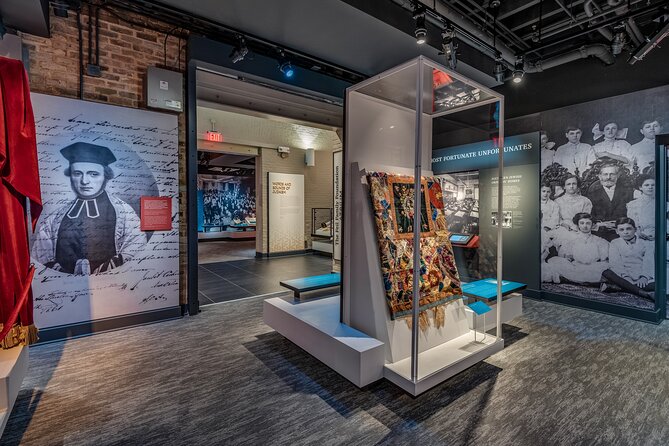
Your admission gives you access to the museum’s permanent galleries, which form the main framework for the visit. These displays explore the many ways Jews in the American South influenced and were influenced by the cultural heritage of their new homes.
Expect the galleries to use a mix of objects, written stories, and visual media rather than relying on text alone. The artifacts help make the subject concrete. A small object can tell you more about daily life than a long paragraph, especially when it is paired with a personal account or historical explanation.
The stories give the objects a human scale. You are not simply looking at items from a past era. You are considering the choices people made, the communities they joined, and the ways they kept a connection to Jewish identity while becoming part of Southern society.
I would allow yourself time to read. A quick pass will give you the basic theme, but the museum’s strength appears to be in the connections between individual stories. If one display catches your attention, the independent format means you can stay with it rather than worrying about holding up a group.
The galleries also make the museum suitable for people arriving with different levels of background knowledge. If you already know a fair amount about American Jewish history, the Southern focus gives you a different angle. If the subject is new to you, the exhibits provide a clear starting point.
Films, videos, and the emotional side of the visit
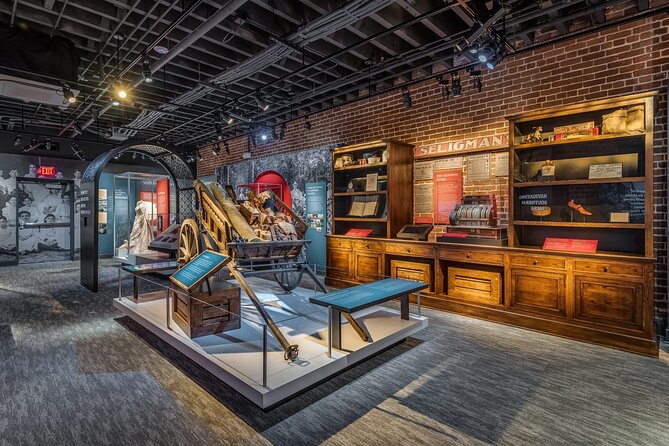
The video material adds an important human voice. A film described as moving gives the visit an emotional center, while other videos help explain the subject in a more direct and accessible way.
I like this kind of balance in a small museum. Objects and labels provide evidence, but film can show tone, memory, and personal feeling. It can help you understand not only what happened, but also what those experiences meant to the people involved.
Set aside enough time to watch rather than treating the screens as background decoration. With a visit of about 90 minutes, you may need to make choices if you read every label and watch every presentation. That is not a flaw, but it does mean the museum rewards a reasonably unhurried pace.
The film may also make the visit feel more serious than you expect from a short museum stop. The subject includes questions of belonging, cultural change, and acceptance. I would not plan this as a quick photo opportunity between other attractions. It is better suited to a thoughtful pause in your New Orleans schedule.
The Bubbe feature and a lighter moment
The museum also includes a feature described as playing with Bubbe. This gives the visit a lighter, more interactive moment and breaks up the reading and film watching.
That sort of feature can be useful for families or for anyone who prefers a museum with several ways to take in information. You can read, watch, examine objects, and engage with something more playful. The experience does not depend on one kind of learner.
The available information does not specify exactly how the Bubbe feature works, so I would treat it as an interactive element rather than plan your visit around a particular activity. Its value is in adding variety to the galleries and giving the subject a more approachable feel.
For children, the interactive feature may help maintain interest during the more serious sections. For adults, it offers a welcome change of pace. I would still describe the museum first as an educational visit, not as a children’s attraction.
A few more New Orleans tours worth comparing
- The National WWII Museum Campus Pass plus 4-D Film
★ 5.0 · 672 reviews - New Orleans Storyville Museum All Access Ticket
★ 5.0 · 73 reviews - Whitney Plantation and Museum Tour from New Orleans
★ 4.5 · 69 reviews - New Orleans: Whitney Plantation & Museum Tour
★ 4.8 · 59 reviews
Temporary exhibitions add a second layer
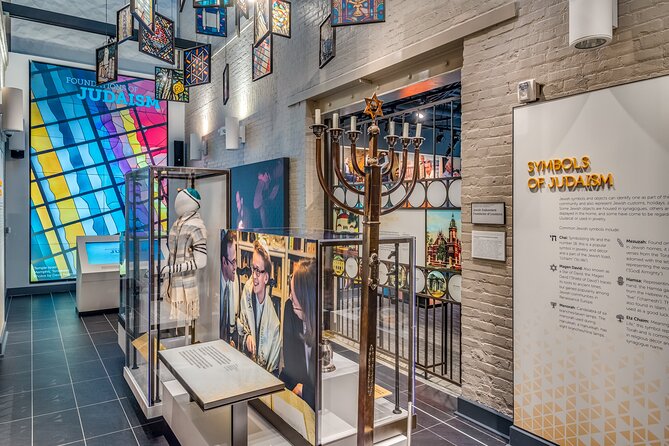
Your ticket also includes the temporary exhibitions. That matters because the museum visit is not limited to one permanent presentation. A temporary show can give you a more focused topic or a different way to approach Southern Jewish life.
The exact temporary exhibition on your chosen date is not provided, so you should check what is on display before you arrive if a particular theme matters to you. The changing material also gives repeat visitors a reason to return.
I see the temporary galleries as a useful bonus rather than the main reason to book. The permanent galleries provide the core understanding, while the temporary material can add detail, contrast, or a new personal angle.
Because admission covers both, you do not need to make a second ticket decision at the door. You can move through the museum at your own pace and decide how much attention each section deserves.
What the 90-minute visit feels like
The stated duration is about one hour and 30 minutes. That is a sensible amount of time for a compact museum visit, especially if you want to read selected displays and watch some of the film and video material.
I would plan the visit in three loose stages. First, get a feel for the museum’s central idea in the permanent galleries. Next, slow down for the objects, stories, and films that interest you most. Finish with the temporary exhibition and the interactive feature, or reverse that order if the current temporary show is your main interest.
This is not a guided walking tour with a set route. You choose the order and pace. That makes it easy to fit into a day of sightseeing, but it also places the responsibility on you to manage your time.
If you have only 45 minutes, you can still see the museum, but you may need to skip some video material or read selectively. If you have two hours, you can take a more careful look and let the stories breathe. The 90-minute estimate is best understood as a comfortable middle point.
Why the self-guided format works
The independent format is one of the strongest practical features. You select the day and admission time, show your mobile ticket, and explore without a fixed guide-led schedule.
That gives you flexibility after a busy morning in New Orleans. You can arrive ready for a focused museum visit rather than committing to a longer group activity. It also helps if people in your party have different interests or reading speeds.
The tradeoff is that you may not receive a full guided explanation from start to finish. The displays need to carry much of the teaching. Staff can still be helpful, and Mark is specifically mentioned as someone who offered useful insight and helped visitors see aspects of the subject they had not understood before.
I would ask staff a question if something in the exhibits prompts one. The museum’s subject has many layers, and a short conversation may help connect separate displays. You should not assume a named guide is guaranteed at your chosen time, but the staff presence can add real value when available.
The $15 price and what you receive
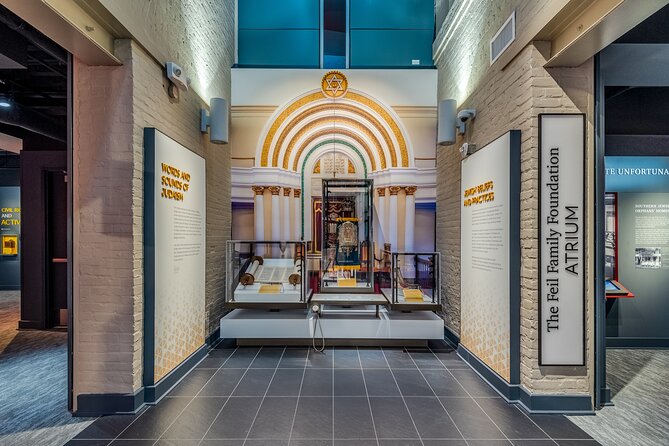
At $15 per person, this is a reasonably priced cultural stop, especially because admission includes the permanent galleries and temporary exhibitions. You are paying for more than a single display room, and the films, artifacts, stories, and interactive feature give the visit several points of interest.
The value depends on your preferred museum pace. If you like reading labels, watching short films, and thinking about social history, 90 minutes can feel well spent. If you prefer large collections or dramatic architecture, the museum may feel more modest.
I would compare the price with the quality of your available time rather than with the ticket cost alone. A well-placed 90-minute visit can give your New Orleans itinerary a needed change of pace. It also offers a subject that is distinct from the city’s better-known attractions.
The gift shop is another small plus. It gives you a chance to continue thinking about the subject after your visit, though the available details do not specify what it carries.
Who should put this museum on the schedule
I would recommend this visit to anyone interested in American Jewish history, Southern culture, migration, community life, or the way identities change over time. It also suits visitors who want a serious museum stop that does not require half a day.
Families can find different entry points through the objects, films, stories, and Bubbe feature. Adults who enjoy social history will likely get the most from reading closely and taking time with the film.
The museum may be less suitable if you want a highly guided experience or a large collection of famous objects. It is also not the right pick if you have no time for reflection and only want a fast attraction between meals.
You should also check the operating schedule carefully. The supplied hours list Monday from 10 a.m. to 5 p.m. for the stated date range, so do not assume the museum is open every day. The location is near public transportation, and service animals are allowed. Most people can participate, but specific accessibility details are not provided.
Booking, timing, and cancellation details
A mobile ticket keeps the practical side simple. Confirmation is provided when you book, and you select the day and time that fit your schedule.
The experience is often booked around 20 days ahead, so I would reserve early if your New Orleans dates are fixed. That matters even more when the listed opening hours are limited.
Free cancellation is available if you cancel at least 24 hours before the start time. Changes or cancellations made less than 24 hours ahead are not accepted for a refund. The cut-off uses local time.
The activity also carries a weather condition. If it is canceled because of poor weather, you can receive a different date or a full refund. Since the visit takes place in a museum, this condition is worth checking against your booking details rather than assuming every cancellation rule will work the same way.
Should you book the Museum of the Southern Jewish Experience?
Yes, if you want a thoughtful, affordable museum visit that connects Jewish identity with the particular culture of the American South. I especially like the mix of artifacts, personal stories, videos, film, and the Bubbe feature. The permanent and temporary exhibitions give you enough variety for a useful 90-minute stop.
Book it if you enjoy exploring independently and can arrange your schedule around the listed opening hours. Be cautious if you need a daily attraction, a guaranteed guide, or a much larger museum collection.
For many visitors, the best reason to go is the subject itself. This museum offers a clear reminder that history is made by people adapting to place, community, and change. At $15, it is a strong choice for an hour and a half of focused New Orleans sightseeing.
FAQ
How much does admission cost?
Admission costs $15 per person.
How long does the museum visit take?
The visit lasts approximately one hour and 30 minutes.
What does the ticket include?
The ticket includes access to the permanent galleries and temporary exhibitions.
Is the visit guided?
No. The museum is explored independently, so you can visit at your own pace.
Can I use a mobile ticket?
Yes. The experience provides a mobile ticket.
What are the listed opening hours?
The listed hours are Monday from 10:00 a.m. to 5:00 p.m. for the stated date range of February 22, 2024, through February 16, 2027.
Is the museum near public transportation?
Yes. The museum is near public transportation.
Are service animals allowed?
Yes. Service animals are allowed.
Can I cancel for a full refund?
Yes, if you cancel at least 24 hours before the experience start time. Cancellations made less than 24 hours in advance are not refunded. If poor weather causes the experience to be canceled, you are offered another date or a full refund.
Newest New Orleans tours we have written up
- New Orleans : Garden District Architecture Walking tour★ 4.8 · 5 reviews
- Ultimate Denver Day Out: Red Rocks, City Views & Ice Cream★ 5.0 · 7 reviews
- From New Orleans: Whitney and Laura Guided Plantation Tour★ 4.9 · 20 reviews
- Whitney Plantation and Soul of New Orleans City Tour Combo★ 5.0 · 13 reviews
- Treme Bar Crawl & Seafood Experience★ 4.2 · 7 reviews
- True Voodoo History of NOLA’s Congo Square with Local Guide★ 4.9 · 16 reviews
- Whitney Plantation Tour with Transportation★ 4.0 · 29 reviews
- Witches Coven Walking Tour in New Orleans★ 5.0 · 49 reviews
New Orleans Museum and Attraction Tickets, compared.

The National WWII Museum Admission Ticket New Orleans
Read our review →
French Quarter Walking Tour With Comp 1850 House Museum Admission
Read our review →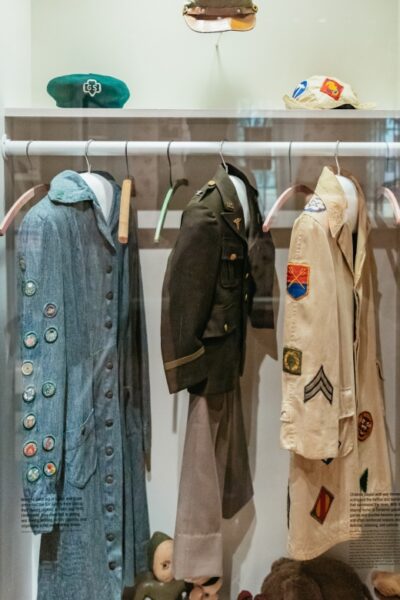

The National WWII Museum Campus Pass plus 4-D Film
Read our review →
New Orleans Mardi Gras World Behind-the-Scenes Tour
Read our review →


Browse the lists this tour appears in