Reviewed · GUIDED
New Orleans: Pestilence and Plagues Guided Tour
New Orleans has a darker story beneath its music, food, and fine old buildings. This two-hour walk traces the epidemics that once killed thousands, with yellow fever and cholera at the center. You hear how mosquitoes, poor sanitation, crowded housing, and limited medical care made the Crescent City dangerously vulnerable.
I like the focus on real public health problems, not just ghost stories. I also like the way the tour connects disease to daily life, religion, voodoo, medical customs, and the city’s ability to recover. Guides Dane and Delvin have both been singled out for making difficult material clear, engaging, and sometimes funny.
The main drawback is the subject itself. Stories of sickness and death are not light entertainment, and some travelers may prefer a more cheerful introduction to New Orleans. The walk covers about one mile, but it takes place rain or shine, so comfortable shoes and weather-ready clothing matter.
Key points to know before booking
- Yellow fever and cholera take center stage: Learn how major outbreaks spread and why New Orleans was so exposed.
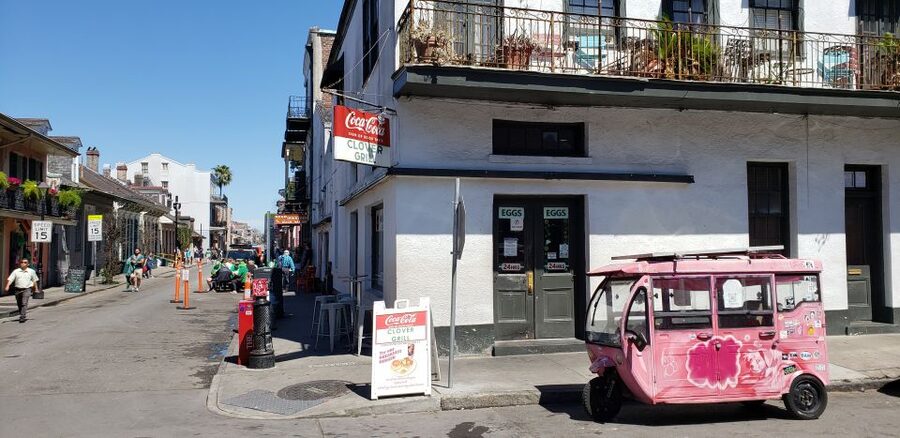
- The French Quarter becomes a classroom: The route uses the historic district and its streets to explain how disease affected the city.
- Medicine was often unconventional: Hear about early treatments, folk practices, religion, and voodoo responses to illness.
- The walk is about one mile: Two hours gives the guide time to explain the stories without making this a strenuous outing.
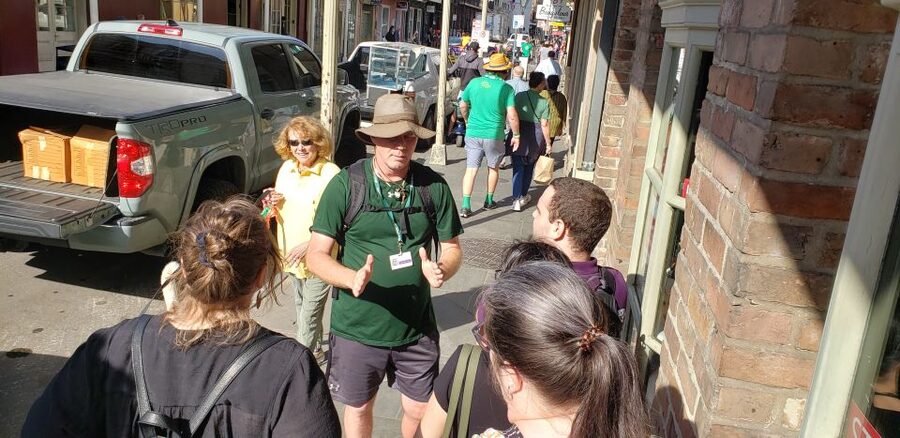
- Guide quality is a major strength: Dane and Delvin have received especially warm praise for clear, engaging presentations.
- You finish in the French Quarter: The guide can point you toward nearby places to visit after the tour.
New Orleans history told through disease
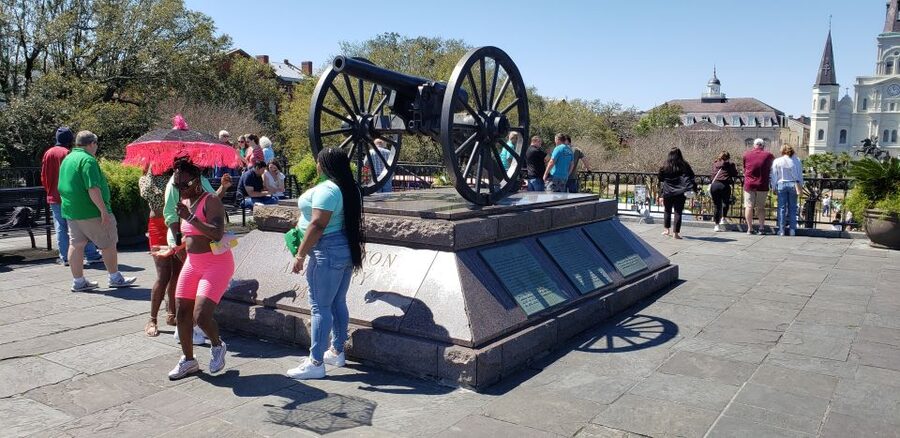
This tour gives you a useful change of angle. Most first-time visits to New Orleans focus on jazz, Creole cooking, architecture, cemeteries, and nightlife. Here, the same city is viewed through outbreaks that shaped where people lived, how they traveled, what they feared, and how they tried to stay alive.
That approach matters because epidemics were not isolated events. They exposed problems in water, drainage, housing, sanitation, and medical care. The tour explains how contagious residents and infectious mosquitoes helped spread illness, while crowded and squalid conditions made containment hard.
You are not simply handed a list of dates and death counts. The guide places disease in the setting of the French Quarter, where streets and buildings help make the past easier to picture. The result should suit you if you want history with a clear connection to the places around you.
The subject can be grim, but the focus is not only on tragedy. Resilience is part of the story, with attention given to how New Orleans coped with outbreaks and recovered afterward. That balance keeps the tour from becoming a parade of misery.
A few more New Orleans tours worth comparing
- Guided Boat Tour of New Orleans Bayou
★ 4.5 · 1,452 reviews - Laura Creole Plantation Guided Tour
★ 5.0 · 1,279 reviews - Houmas House Estate and Gardens Guided Tour
★ 4.5 · 632 reviews
Starting on Toulouse Street
The meeting point is in front of Unique NOLA’s store on Toulouse Street. That is a practical starting place in the French Quarter, but give yourself enough time to find it without rushing. You will want to begin the walk settled and ready to listen, especially since the guide starts building the story from the surrounding streets.
The tour is conducted in English by a live guide. The presentation style appears to be one of its strongest features. Dane and Delvin are the guide names most worth noting when you book, though a particular guide cannot be guaranteed from the information available.
Dane has been praised for adding useful pointers about other places to see in New Orleans while leading the main tour. That can be handy early in a visit, since you can use the walk to collect ideas for the rest of your stay. Delvin has been praised for presenting historical context in a fun and engaging way, a useful skill when the subject turns to death and disease.
Walking the French Quarter’s epidemic story
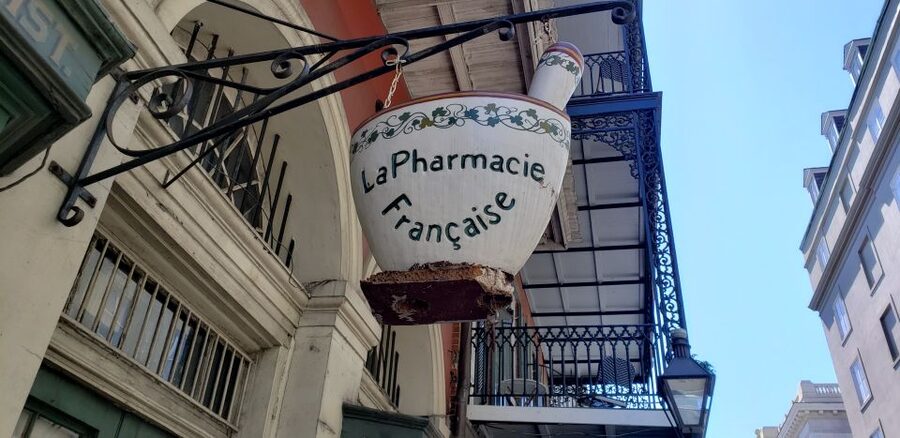
The route covers about one mile, but the two-hour duration tells you what kind of tour this is. You are not racing from one landmark to the next. The guide has time to stop, explain, answer questions, and connect one part of the story to another.
As you move through the French Quarter, expect the setting to provide context rather than a series of formally identified museum stops. The information supplied for the tour does not list each street or building on the route, so I would not book this expecting a fixed checklist of named sites. Instead, think of it as a guided history walk through places where disease, commerce, housing, and public life overlapped.
That format has an advantage. You can notice how the district is laid out while hearing why cramped conditions and poor sanitation helped outbreaks run wild. The streets become evidence in the larger story, even when the guide is discussing events from long ago.
The tour may run longer than the scheduled two hours. That is worth keeping in mind if you have a restaurant booking, a show, or another timed activity afterward. It is also a sign that the guide may allow time for questions and extra explanation instead of cutting the discussion short.
Yellow fever, cholera, and the role of mosquitoes
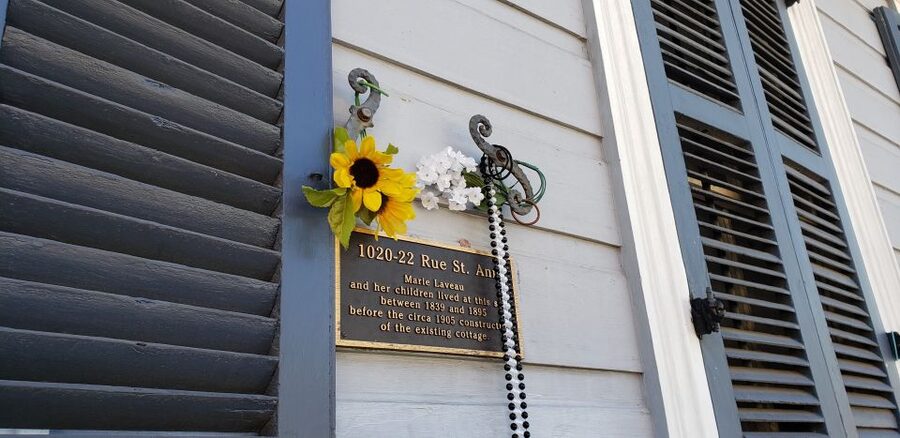
Yellow fever is one of the main subjects, along with cholera and other diseases that struck New Orleans. You learn how illness spread and why the city was especially vulnerable. Mosquitoes are part of the explanation, as are the conditions that allowed contagious disease to move quickly through the population.
The value here is the connection between natural causes and human conditions. Disease was not only a matter of bad luck. Crowded streets, poor sanitation, and limited understanding of infection helped turn an outbreak into a citywide crisis.
Cholera adds another part of the story. The tour looks at the ways contaminated conditions could affect a community and how people tried to respond before modern public health systems were in place. You may find the contrast with present-day knowledge especially striking, although the experience does not promise a technical medical lecture.
The wording of the tour also points to stories about infectious mosquitoes and contagious residents. That suggests a presentation built around memorable human stories, not just abstract science. If you enjoy history that explains causes and consequences, this should be more useful than a tour that simply names famous disasters.
A different side of New Orleans for another evening:
- New Orleans Premier Ghost, Voodoo and Vampire Walking Tour
★ 4.5 · 12,856 reviews - New Orleans Steamboat Natchez Jazz Cruise with Dinner Option
★ 4.0 · 7,533 reviews - Adults-Only New Orleans Ghost, Crime, Voodoo, and Vampire Tour
★ 5.0 · 6,545 reviews - New Orleans Food Walking Tour of the French Quarter with Small-Group Option
★ 5.0 · 6,118 reviews
Early medicine, faith, and voodoo
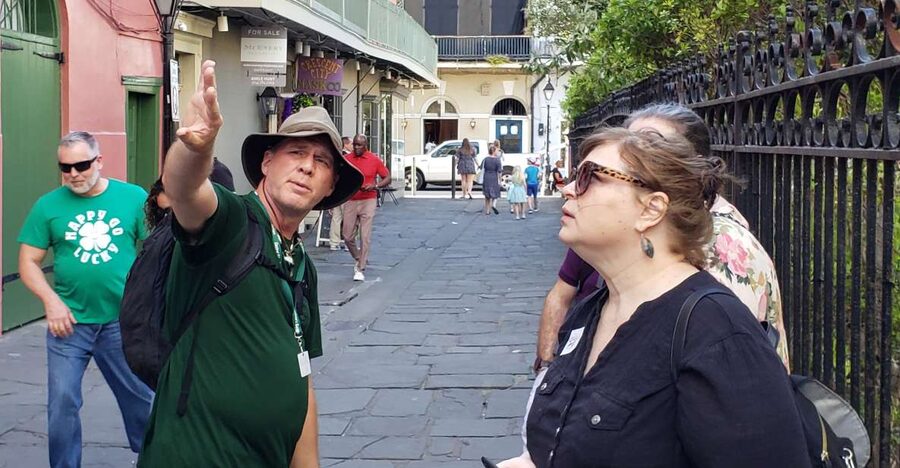
One of the more unusual elements is the look at medical practices that now seem strange or ineffective. The guide discusses attempts to contain illness when doctors had few reliable tools and limited knowledge of how epidemics worked.
Religion and voodoo also enter the story. Their role was not presented as a side curiosity, but as part of how people tried to understand and manage situations that felt impossible to control. That gives you a broader view of New Orleans culture and shows how medical belief, spiritual belief, and community action could overlap.
You should not expect a full course in medical history or a detailed study of voodoo. The experience is a walking tour, and its job is to connect these subjects to outbreaks in the city. Still, this material helps explain how people made decisions under pressure.
I especially like this part of the concept because it avoids judging the past only by modern standards. People facing yellow fever or cholera needed answers, protection, and hope. The tour shows the range of ways they looked for those things.
The human side of New Orleans epidemics
A good plague tour needs more than frightening facts. It needs people. The experience promises stories about residents, medical workers, communities, and the city’s response to repeated danger.
That human focus can make the information easier to remember. You are more likely to understand an outbreak when you hear how it affected homes, streets, families, and daily choices. The guide’s use of fun facts and lively presentation, praised in connection with Dane and Delvin, should keep the material from feeling like a lecture.
At the same time, you should expect serious content. Thousands died in the epidemics discussed, and the tour deals directly with sickness, death, and poor living conditions. Families with younger children may want to consider the tone before booking, since no age guidance is provided.
The humor appears to be used as a light touch within a serious subject, not as a replacement for historical detail. That balance is important. Too much grim detail would wear you down, while too much joking would make the subject feel careless.
Why the two-hour format works
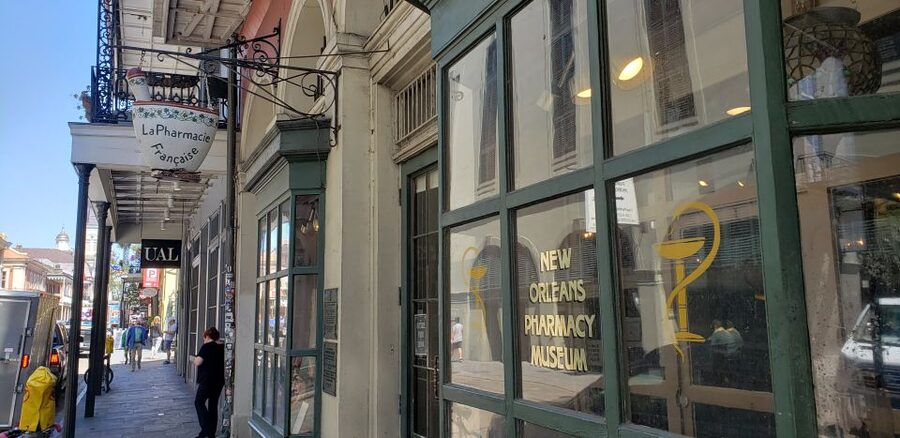
Two hours is long enough to build a proper story but short enough to fit into a day of sightseeing. The one-mile distance also keeps the physical side manageable for most people who are comfortable walking.
This is not a transportation tour. You remain on foot, and the tour does not include rides between locations. Wear comfortable shoes, especially if you are adding more French Quarter walking before or after the experience.
The walk takes place rain or shine. New Orleans weather can change the feel of an outdoor tour quickly, so bring suitable clothing and be prepared to continue in wet conditions. The supplied information only specifically calls for comfortable shoes, but the rain-or-shine policy is a clear reason to check the forecast and dress sensibly.
Wheelchair access is listed, which makes this a useful option for many visitors seeking a history tour without a long route. Since the total distance is about one mile and the experience takes place on city streets, you may still want to discuss personal mobility needs with the provider before booking.
Video recording is not allowed. You can listen, take in the surroundings, and perhaps make written notes, but plan to keep your phone or camera from recording the presentation.
What you get for $37
At $37 per person, the tour sits in a reasonable range for a two-hour guided experience in the French Quarter. The price includes the walking tour and a professional guide, with no separate transportation or attraction admission listed.
The value depends on how much you want interpretation. You can walk through the French Quarter for free, but you will not automatically understand how epidemics shaped the city, how mosquitoes and sanitation fit into the story, or why medical and religious practices developed as they did.
I think the price makes the most sense for a first visit or for anyone who has already seen the usual French Quarter sights and wants a different subject. The guide’s context can also help you notice details you might otherwise pass without a thought.
Five available ratings are all five out of five, with praise centered on the guides, the amount of information, the fun presentation, and the sense that the money was well spent. That is a small sample, so I would not treat it as a guarantee. Still, the praise is consistent on the point that matters most for a walking tour: strong guiding.
Who should book this walk
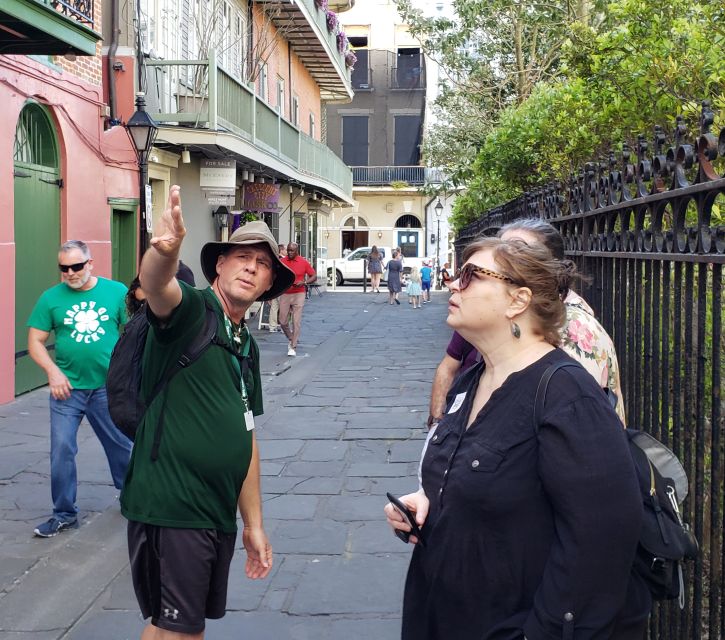
I would choose this tour if you like history, public health, unusual local stories, or tours that explain how a city became what it is. It is also a good match if you have already seen the French Quarter’s architecture and want a new way to read the same streets.
History fans should get the most from it. So should visitors who enjoy serious subjects presented with a little humor. If you want a gentle sightseeing stroll with mostly pretty views and cheerful anecdotes, this may not be your best choice.
The tour can also work well near the beginning of a New Orleans visit. Dane has been praised for pointing out other places worth seeing, and the ending in the heart of the French Quarter gives you a practical chance to continue exploring or ask for directions and recommendations.
Book it if you can handle grim subject matter, want a one-mile walk, and value a guide who explains rather than simply recites. Skip it if rain, walking, or stories about epidemics would put a damper on your day.
Final verdict on the Pestilence and Plagues Tour
I recommend this tour for curious visitors who want New Orleans history beyond music, food, and haunted tales. The strongest reasons to go are the focused subject, the connection between disease and city life, and the reported strength of guides such as Dane and Delvin.
At $37, you are paying for interpretation, not admission to a major attraction. That is a fair trade if you want the French Quarter to make more sense. Bring comfortable shoes, allow more than two hours in case the discussion runs long, and leave your video camera off.
FAQ
Where does the Pestilence and Plagues Tour meet?
Meet your guide in front of the Unique NOLA store on Toulouse Street.
How long does the tour last?
The tour is scheduled for two hours, but it may run over the allotted time.
How far do you walk?
The total walking distance is about one mile.
What language is the tour offered in?
The live guided tour is offered in English.
Is the tour wheelchair accessible?
Yes, the activity is listed as wheelchair accessible.
What should I bring?
Bring comfortable shoes. The tour takes place outdoors and runs rain or shine.
Can I record the tour?
No. Video recording is not allowed.
What does the $37 price include?
The price includes the French Quarter walking tour and a professional guide.
Can I cancel for a full refund?
Yes. You can cancel up to 24 hours in advance for a full refund.
Newest New Orleans tours we have written up
- 45-Minute Garden District Highlights Tour in New Orleans★ 5.0 · 33 reviews
- New Orleans City and Swamp Helicopter Tour★ 5.0 · 9 reviews
- 45-Minute Marigny Triangle Highlights Tour in New Orleans★ 5.0 · 12 reviews
- Private New Orleans 2-Hour Sail Aboard a Luxury Yacht★ 5.0 · 44 reviews
- 20 Passenger New Orleans Airport or Hotel Transfer★ 5.0 · 6 reviews
- The New Orleans Darkness Tour★ 4.4 · 9 reviews
- 11 Passenger Executive Van: New Orleans Airport or Hotel Transfer★ 4.0 · 8 reviews
- Spooky Family Ghost Tour★ 3.4 · 9 reviews
Guided, compared.





Small-Group Manchac Swamp Kayak Tour with Local Guide
Read our review →
Nola Voodoo Walking Tour with High Priestess Guide in New Orleans
Read our review →