
Reviewed · NEW ORLEANS VOODOO TOURS
New Orleans: Voodoo, Storyville, and Treme Walking Tour
New Orleans keeps some of its best stories in plain sight. This two-hour walk connects Storyville, once the city’s decriminalized red-light district, with Voodoo, Congo Square, and Treme, showing how music, faith, race, and city politics shaped one another. You’ll also see the site of Marie Laveau’s home and learn where fact gives way to legend.
I like the route for two reasons: it links famous names such as Jelly Roll Morton and Marie Laveau to actual places, and it reaches beyond Bourbon Street into Congo Square and Treme. The $30 price is fair for a focused history walk, though the tour covers a lot in two hours and one verified booking record reports a guide no-show, so confirm the meeting details before setting out.
Key points to know before you book
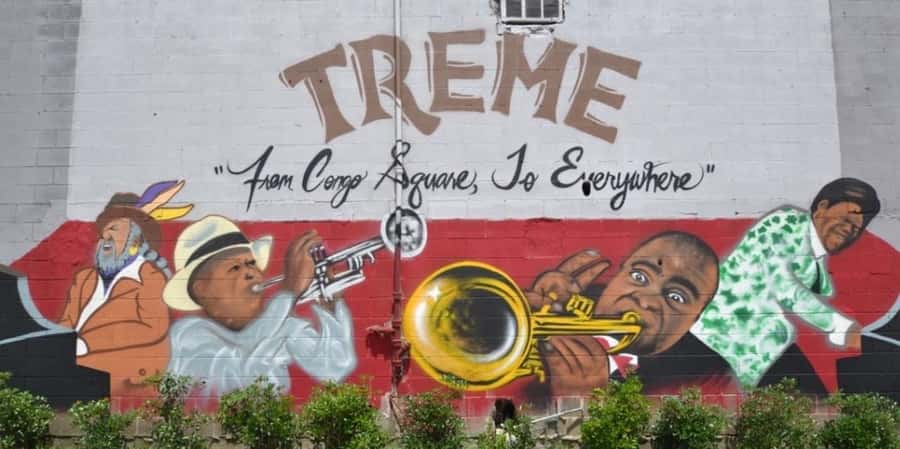
- Storyville began the walk: Start at Backatown Coffee and trace the former red-light district’s connection to early jazz.
- Voodoo is explained with context: The guide covers West African religious traditions, Catholic connections, and the difference between history and popular myth.
- Congo Square anchors the tour: Louis Armstrong Park and nearby sites help explain African cultural survival in New Orleans.
- Marie Laveau gets a careful treatment: You visit the site of her home while sorting documented facts from her larger-than-life reputation.
- Treme adds difficult history: St. Augustine’s Church, the Tomb of the Unknown Slave, and the War of the Pews reveal conflicts over race and worship.
- The walk is active: Wear good shoes, dress for the weather, and ask about the optional Backstreet Cultural Museum visit.
Storyville, jazz, and the walk’s starting point
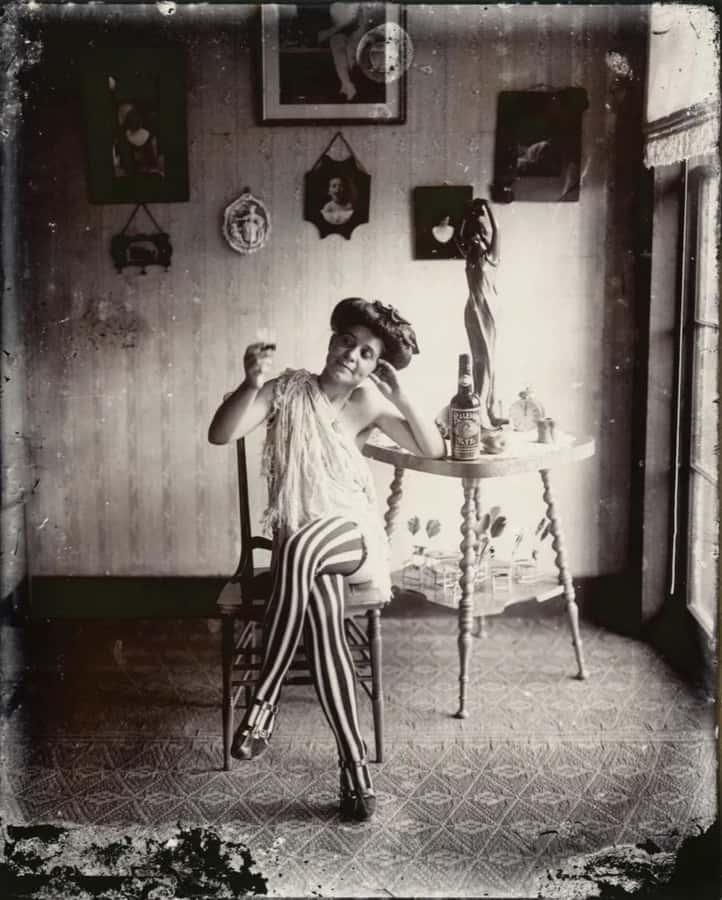
The tour begins at Backatown Coffee, near the area once known as Storyville. From 1897 to 1917, Storyville operated as a decriminalized prostitution district. That policy created a tightly defined area where vice businesses operated under city rules, though the district’s social and human costs were serious.
The place also helped shape early jazz. Musicians such as Jelly Roll Morton, King Oliver, and Sidney Bechet performed in and around Storyville. The tour’s value lies in connecting those names to the streets beneath your feet rather than treating jazz as a free-floating New Orleans cliché.
You will enter the former Iberville Housing Project, now called the Bienville Basin Apartments. This stop adds a modern layer to the story. The guide discusses the old housing project, the surviving Storyville buildings, and the newer architectural approach known as New Urbanism.
That combination may appeal to you if you like cities as living places rather than museum pieces. You are not only looking backward at brothels and musicians. You are also seeing how planners and developers have reshaped the same blocks.
Storyville’s surviving buildings are limited, so do not expect a perfectly preserved district. The stop works best when you listen closely to the guide’s explanation of what changed, what remains, and how the area is being rebuilt.
More walks through the Treme:
- New Orleans Treme’ Walking Tour
★ 5.0 · 240 reviews - New Orleans: Tremé African American & Creole History Tour
★ 4.9 · 208 reviews - 60-minute Tremé Walking Tour & Photo Experience
★ 5.0 · 72 reviews
Voodoo beyond movie clichés
The Voodoo section is one of the tour’s main reasons to book. New Orleans Voodoo is often reduced to dolls, curses, and spooky shop displays. This walk gives you a more grounded starting point by discussing ancient West African religious traditions and their connections with Roman Catholicism in slave-holding colonies.
Those connections matter. Enslaved people and their descendants preserved spiritual ideas under difficult conditions, sometimes adapting public religious practice around Catholic customs and figures. The result was not a simple blend with one neat formula. It was a complicated process shaped by forced migration, local belief, and survival.
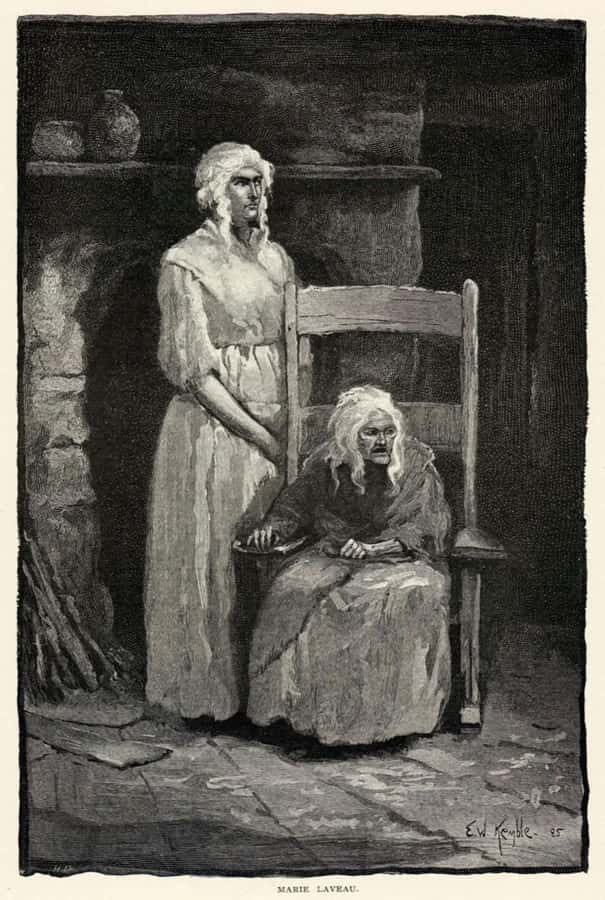
The guide also takes care with the line between fact and legend. That is especially useful in New Orleans, where a dramatic story can become accepted as history after enough retellings. You will hear about Marie Laveau, the city’s most famous Voodoo practitioner, while considering what can be documented and what belongs to later folklore.
Expect the topic to be handled as cultural history, not as a staged supernatural performance. That makes the stop more valuable for anyone who wants to understand how Voodoo developed and why it remains such a strong part of New Orleans identity.
The tour visits the site of Marie Laveau’s home, not a preserved interior or a formal museum devoted to her life. Keep that distinction in mind. The significance comes from the location and the story attached to it, while the guide supplies the context.
Basin Street and the city’s shifting boundaries
The walk continues toward Basin Street Station. Basin Street has long been tied to transportation, entertainment, and the changing edge between different New Orleans districts. On this tour, it helps connect the Storyville chapter to the route through Louis Armstrong Park and Treme.
Because the entire experience lasts only two hours, the pace is purposeful. You will cover several locations rather than linger at one site for a long time. That is useful if you want a quick orientation, but it may feel compressed if you prefer long pauses for photographs or private reflection.
The tour is conducted in English with a live guide. No guide name is supplied for this experience, so you should not book expecting a particular personality or historian. The quality of the outing will depend heavily on the guide’s ability to keep the many themes tied together.
The strongest thread is the relationship between place and culture. Storyville points toward jazz. Voodoo points toward African and Catholic traditions. Treme and Congo Square show how those cultural currents continued through changing laws and institutions.
Congo Square and Louis Armstrong Park
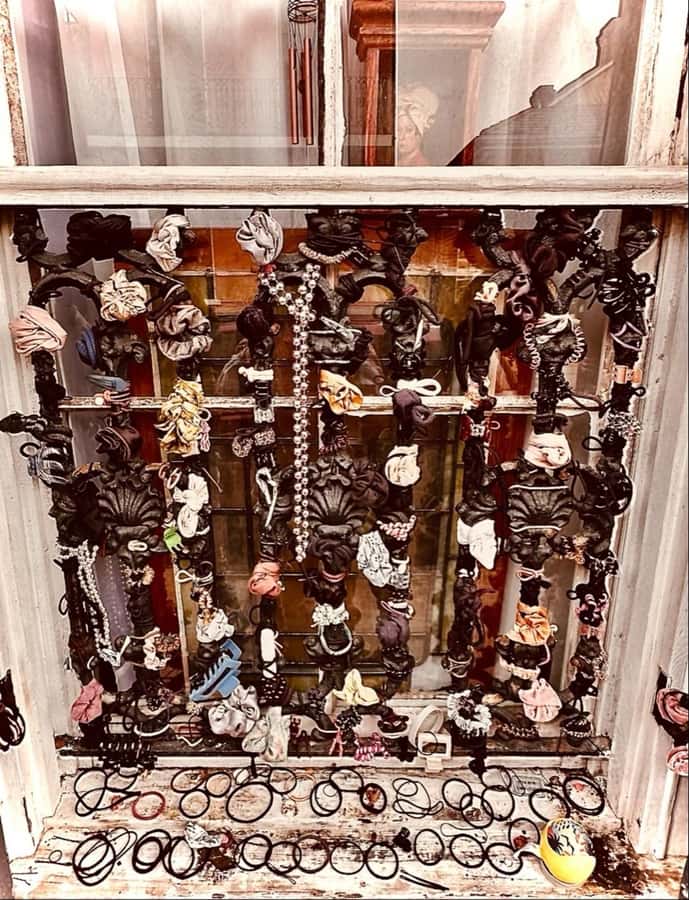
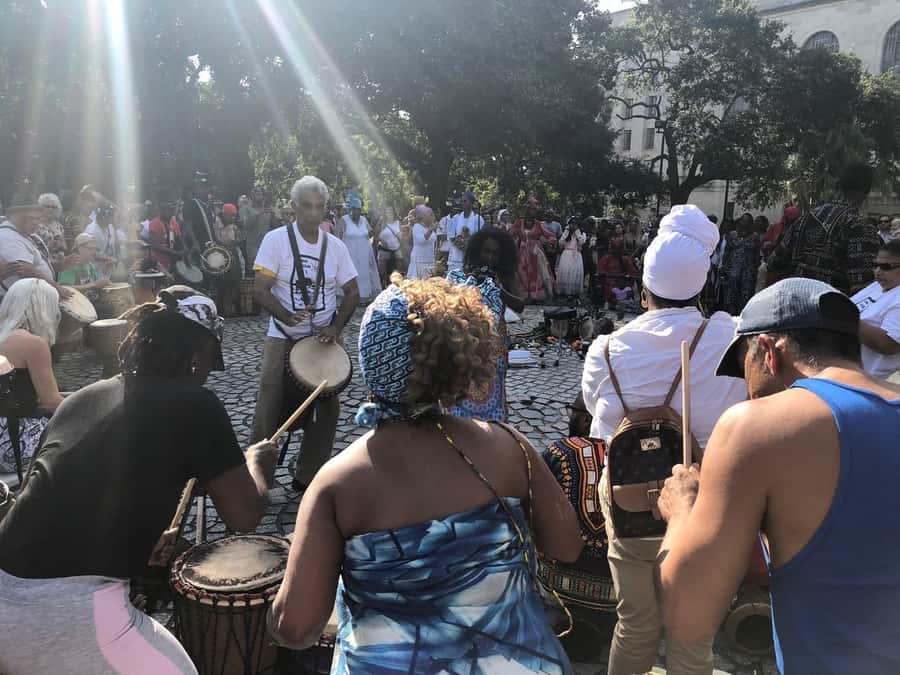
Louis Armstrong Park contains some of the most important stops on the route. Congo Square, now within the park, is linked with African cultural expression in New Orleans. The tour uses the area to discuss music, gathering, and the continuation of traditions under colonial and American rule.
You will also see Perseverance Hall and the Rabassa-de Pouilly House. These sites add architectural and civic detail to the park visit. They are not just decorative backdrops. Together with Congo Square, they help show how different eras of New Orleans development overlap in a small area.
Louis Armstrong Park is also included in the HBO series Treme, and the tour points out locations connected with the show. That will mean more to you if you know the series, but you do not need to be a fan to appreciate the neighborhood setting.
This section is likely to be one of the walk’s strongest moments because it brings several themes together: African American culture, music, religion, architecture, and the modern portrayal of Treme. Bring questions. A site like Congo Square can easily be flattened into a single sentence, and the guide’s explanation is what gives the visit weight.
More scandalous history tours in New Orleans:
- New Orleans Lewd Spirits Haunted Tour with Bar Stops
★ 5.0 · 823 reviews - The Bad Broads Tour of New Orleans
★ 5.0 · 298 reviews - Saints and Sinners Walking Tour in New Orleans
★ 4.5 · 136 reviews - New Orleans Brothels, Bordellos, and Ladies of the Night Tour
★ 5.0 · 96 reviews
St. Augustine’s Church and the War of the Pews
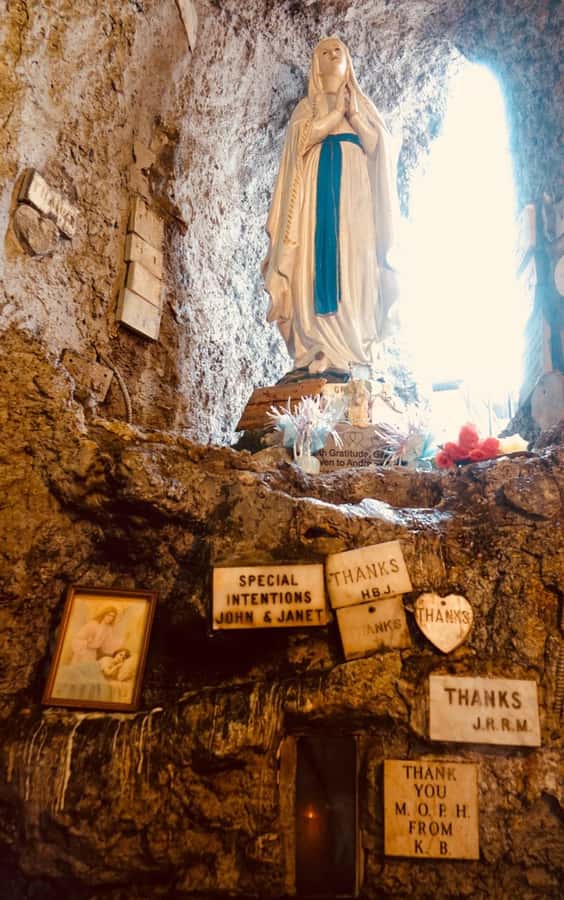
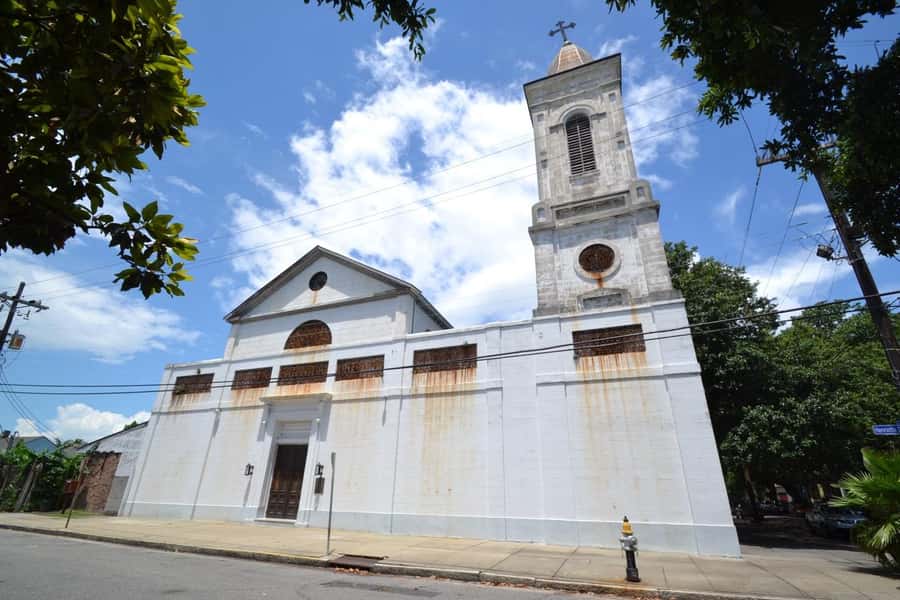
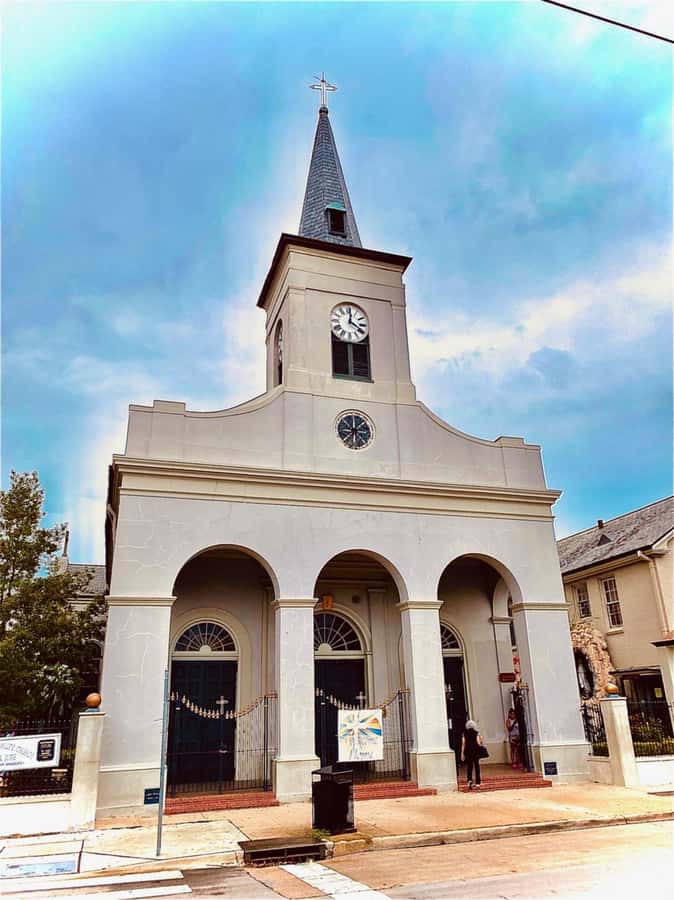
The route includes St. Augustine’s Catholic Church and the Tomb of the Unknown Slave. Here the tour turns toward the relationship between Catholic institutions and New Orleans’ Black community.
The phrase War of the Pews refers to a conflict over seating and worship inside the church. The story shows that church life was also shaped by racial hierarchy, money, and access. It is a useful reminder that religious buildings can reveal social power just as clearly as government halls or grand homes.
Some sites on the route may require respectful behavior and suitable clothing. That is especially important around churches and memorial spaces. You are not being asked to treat every stop like a formal service, but a quiet, considerate manner is appropriate.
This part of the walk may feel less lighthearted than the jazz and Voodoo sections. That is a strength, provided you want a tour that addresses difficult parts of New Orleans rather than offering only colorful legends.
The 1891 prison vendetta
The guide also explains the 1891 Parish Prison vendetta, when Sicilian immigrants accused of murdering Police Chief Hennessy were assassinated. This event is a stark part of the city’s record of law, mob violence, ethnicity, and public fear.
The stop adds another layer to the tour’s central idea: New Orleans culture was not shaped by one group or one tradition. African, Caribbean, French, Spanish, Catholic, Sicilian, and American influences all appear in the city’s story, often alongside conflict.
You will not get a long academic treatment of the event in a two-hour walk. Instead, expect a concise explanation placed within the larger route. If this subject interests you, note the name and ask the guide for more context while the group is there.
The optional Backstreet Cultural Museum
A visit to the Backstreet Cultural Museum is optional and is not included in the $30 price. Admission costs extra, and the tour information does not give an exact admission fee or confirm how much time you will have inside.
The museum is dedicated to Mardi Gras Indian and Second Line culture. That makes it a natural companion to the walking tour, especially after hearing about Congo Square, Treme, and African American traditions in New Orleans.
Think of it as an add-on, not a guaranteed part of the two-hour experience. If you want to visit, ask the guide about timing and admission before making other plans. The museum may be especially worthwhile for you if your main interest is living cultural practice rather than architecture or famous personalities.
How much walking and how much value
At $30 per person, this is a reasonably priced introduction to several central New Orleans themes. You receive a live English-speaking guide, a planned route, access to the former Iberville Housing Project area, and stops at Congo Square, Louis Armstrong Park, the Marie Laveau home site, and Treme.
The value comes from the connections. A single neighborhood walk can explain more than a general city tour if the guide makes the links clear. Here, you get Storyville and jazz, Voodoo and Catholicism, Congo Square and African cultural survival, plus Treme’s churches and political conflicts.
The tradeoff is coverage. Two hours is not enough for long visits at every location, detailed museum time, or a full treatment of each historical event. You are paying for a compact guided route, not a full-day study of New Orleans culture.
You also need to budget for your own food, drinks, and transportation to and from the meeting point. The walking itself is substantial, so comfortable shoes are not optional advice. Check the weather and dress accordingly, since much of the experience takes place outdoors.
The booking terms are flexible: you can cancel up to 24 hours before the tour for a full refund, and you can reserve now and pay later. Still, confirm the starting time and guide arrangements before the day of the walk. One verified booking record reports that the guide did not arrive and the outing was not canceled in advance. That appears to be an isolated operational problem, but it is a sensible reason to check your confirmation and contact the provider if anything looks unclear.
Who will enjoy this New Orleans walk?
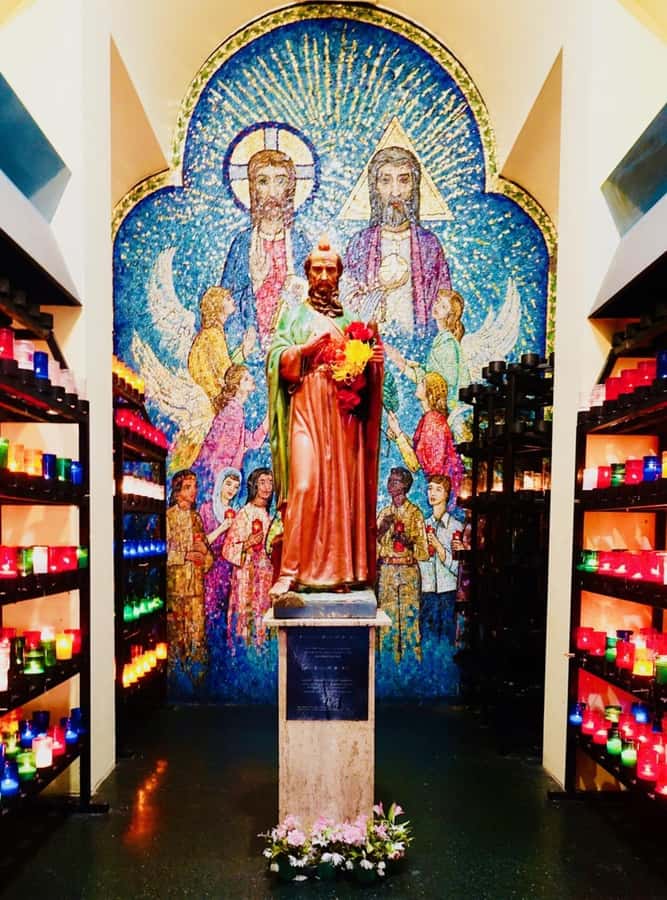
I would choose this tour if you want cultural context and do not mind walking at a steady pace. It suits first-time visitors who want more than Bourbon Street, as well as returning visitors who have already seen the French Quarter’s best-known sights.
It is a good fit for anyone interested in jazz, African American history, religious traditions, city planning, or the Treme television series. The route also works for curious visitors who want to understand why Marie Laveau and Voodoo occupy such a large place in New Orleans storytelling.
You may want another option if you need a slow-paced walk, dislike serious historical subjects, or want extensive time inside museums and churches. This is also not the right choice if you expect a theatrical Voodoo ritual or a preserved Storyville attraction. The experience is about explanation, places, and context.
Should you book it?
Book this walk if you want a compact introduction to Storyville, Voodoo, Congo Square, and Treme, with enough historical detail to make the neighborhoods meaningful. At $30, it offers good value for a two-hour guided orientation, especially if you plan to explore the area on your own afterward.
Before paying, confirm the meeting point, starting time, and guide. Wear sturdy walking shoes, allow room for weather changes, and treat the church and memorial stops with care. If the route’s main subjects appeal to you, this is a useful way to see New Orleans through its people, beliefs, music, and conflicts rather than through tourist slogans alone.
FAQ
Where does the tour begin?
The tour begins at Backatown Coffee in the area of former Storyville.
How long does the walking tour last?
The tour lasts two hours.
How much does the tour cost?
The price is $30 per person.
What language is the tour conducted in?
The live tour guide speaks English.
Does the tour visit Storyville?
Yes. You learn about Storyville, its former red-light district, its surviving buildings, and its connection to early jazz.
Does the tour visit Marie Laveau’s actual home?
The tour visits the site of Marie Laveau’s home. It does not state that a preserved home interior is open to the public.
Is the Backstreet Cultural Museum included?
No. Admission to the Backstreet Cultural Museum is optional and costs extra.
Does the tour include food or drinks?
No. Food and drinks are not included.
How much walking is involved?
The tour involves a significant amount of walking, so comfortable shoes are recommended.
Can I cancel the booking?
Yes. You can cancel up to 24 hours in advance for a full refund. You can also reserve now and pay later.
More Walking Tours in New Orleans
- New Orleans Food Walking Tour of the French Quarter with Small-Group Option
★ 5.0 · 6,118 reviews - St. Louis Cemetery No. 1 Official Walking Tour
★ 4.5 · 3,941 reviews - New Orleans Garden District History Walking Tour
★ 5.0 · 2,879 reviews - French Quarter Historical Sights and Stories Walking Tour
★ 5.0 · 2,724 reviews
More voodoo tours in New Orleans
- New Orleans Premier Ghost, Voodoo and Vampire Walking Tour
★ 4.5 · 12,856 reviews - Adults-Only New Orleans Ghost, Crime, Voodoo, and Vampire Tour
★ 5.0 · 6,545 reviews - New Orleans Adults-Only Ghost, Voodoo and Vampire Tour
★ 5.0 · 3,291 reviews - New Orleans French Quarter, Voodoo and Culture Walking Tour
★ 4.5 · 2,961 reviews
Newest New Orleans tours we have written up
- 45-Minute Garden District Highlights Tour in New Orleans★ 5.0 · 33 reviews
- New Orleans City and Swamp Helicopter Tour★ 5.0 · 9 reviews
- 45-Minute Marigny Triangle Highlights Tour in New Orleans★ 5.0 · 12 reviews
- 20 Passenger New Orleans Airport or Hotel Transfer★ 5.0 · 6 reviews
- Private New Orleans 2-Hour Sail Aboard a Luxury Yacht★ 5.0 · 44 reviews
- The New Orleans Darkness Tour★ 4.4 · 9 reviews
- 11 Passenger Executive Van: New Orleans Airport or Hotel Transfer★ 4.0 · 8 reviews
- Spooky Family Ghost Tour★ 3.4 · 9 reviews
New Orleans Voodoo Tours, compared.
New Orleans Premier Ghost, Voodoo and Vampire Walking Tour
Read our review →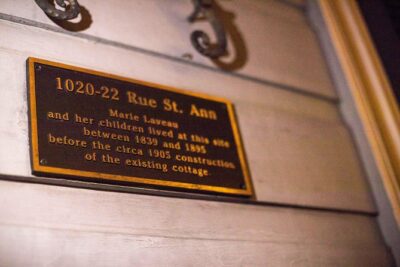
Adults-Only New Orleans Ghost, Crime, Voodoo, and Vampire Tour
Read our review →
New Orleans Adults-Only Ghost, Voodoo and Vampire Tour
Read our review →
New Orleans French Quarter, Voodoo and Culture Walking Tour
Read our review →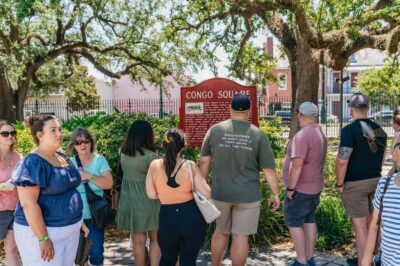

New Orleans Ghost, Vampire, Witch, Voodoo, and Mystery Tour
Read our review →
New Orleans Spirits & Spells: Witchcraft, Voodoo, and Ghost Tour
Read our review →Browse the lists this tour appears in