
Reviewed · NEW ORLEANS PLANTATION TOURS
New Orleans: Whitney Plantation Audio Tour with Transfers
Whitney Plantation is not a plantation tour built around grand rooms and polished antiques. Its focus is the people who were enslaved there, the work forced upon them, and the lives shaped by slavery. Freedmen’s Church and the memorial to those who suffered give the visit a serious purpose that reaches far beyond architecture.
I like the way the audio tour lets you move at your own pace, and I like that transportation from New Orleans is included. You can spend time with the slave cabins and memorial instead of rushing from stop to stop. The main drawback is the long day, about 6 hours and 30 minutes, with roughly 70 miles between the French Quarter and the plantation.
Key Points
- The only Louisiana museum focused on enslaved people: The visit centers their lives, labor, suffering, and endurance rather than treating the plantation owner as the main attraction.
- A self-paced audio tour: You receive a headset and explore the grounds independently, which gives you time to pause at difficult and important exhibits.
- Freedmen’s Church offers a powerful focus: This stop connects the plantation story with hope, faith, and the search for freedom.
- The 1790 owner’s house shows the sharp divide: The house and the slave cabins make the unequal lives of the plantation community plain.
- A memorial provides time for remembrance: The final stop asks you to consider the people who suffered and died under slavery.
- Simple logistics from New Orleans: Hotel pickup, admission, the audio guide, and return transportation are included for $81 per person.
Why Whitney Plantation asks more of you
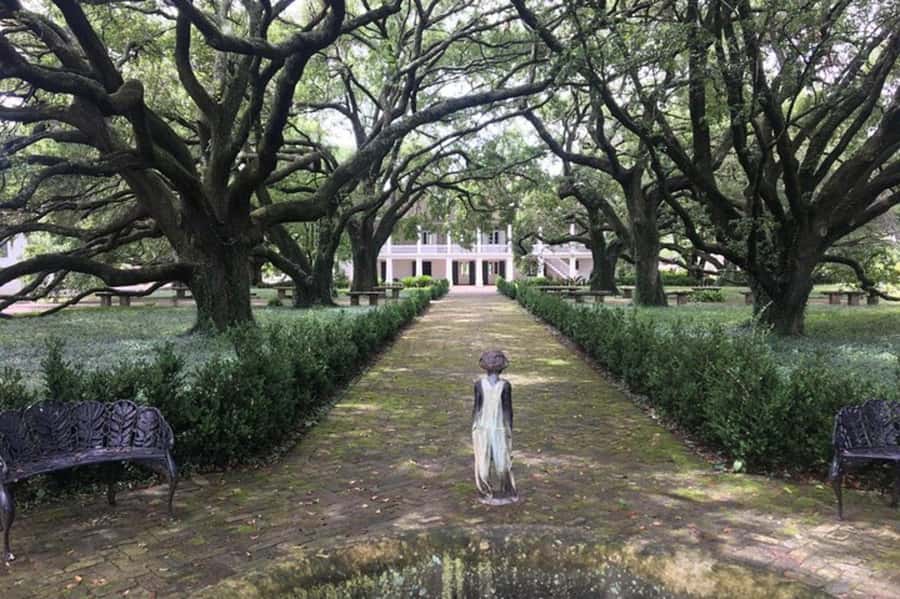
Many Louisiana plantation visits place the owner’s house at the center. Whitney Plantation takes a different path. The central question is not how wealthy the owner became, but what life demanded from the enslaved people who made that wealth possible.
That focus changes how you read every building. A kitchen is not just a preserved outbuilding. A cabin is not just an old structure. Each site points toward work, control, family life, punishment, faith, and the narrow choices available to people denied freedom.
I appreciate that the experience does not try to make slavery comfortable to look at. The subject is painful, and the tour is meant to make you think. If you want a light sightseeing outing with pretty gardens and grand interiors, this may feel heavy. If you want a more direct account of plantation life, the focus is appropriate and useful.
The audio format also suits this kind of visit. You are not tied to a guide’s pace or a fixed group conversation. You can stop, listen again, and give yourself a quiet moment before moving on. That independence matters at a site where some information may need time to sink in.
More Whitney Plantation tours:
- Whitney Plantation Tour with Transportation from New Orleans
★ 4.5 · 1,351 reviews - New Orleans: Whitney Plantation Tour with Transportation
★ 4.7 · 619 reviews - Small-Group Laura and Whitney Plantation Tour from New Orleans
★ 4.5 · 446 reviews
The drive from New Orleans to the plantation
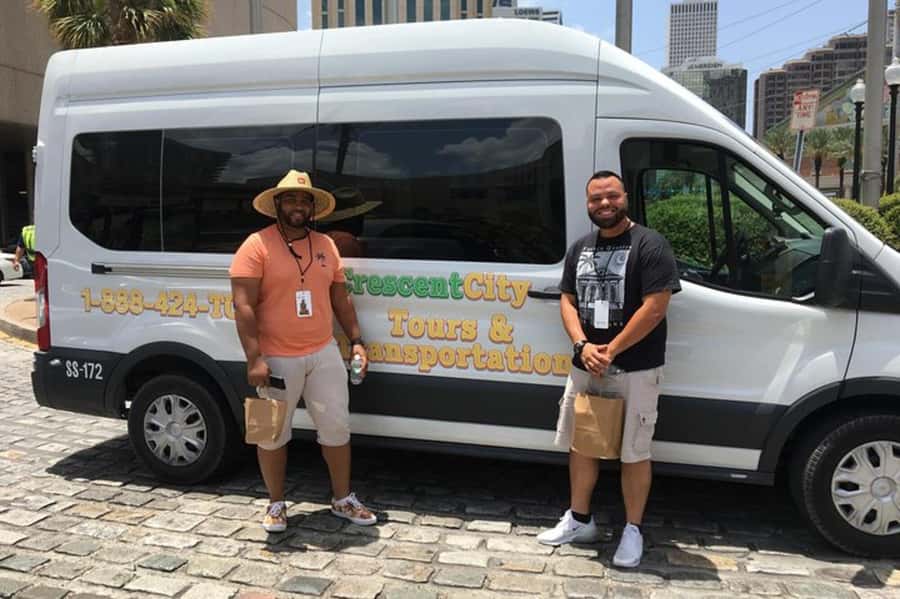
Pickup is available from most New Orleans hotels, and the ride takes you about 70 miles from the French Quarter to Whitney Plantation. The full experience lasts 390 minutes, so plan for most of a day rather than a quick morning outing.
If your hotel is not listed for pickup, choose the nearest available hotel. The pickup points are within 3 to 4 blocks of one another, so you may need to walk a short distance to meet the vehicle. This is worth checking before booking, especially if you have luggage, mobility concerns, or a tight schedule later in the day.
The drive gives you a useful transition from New Orleans to the plantation country of Louisiana. You have time to shift your attention before arriving. Still, the transportation is practical rather than part of the attraction itself. Do not book this as a scenic driving tour with lots of roadside stops. The purpose is to get you to Whitney Plantation and back.
Hotel pickup and drop-off add real value to the $81 price. You do not need to arrange a separate rental car or figure out your own route. Admission and the audio guide are also included. Meals and drinks are not, so bring water or plan to buy a quick snack during the 30-minute period after the tour.
Starting with the slave cabins
The slave cabins are among the most important stops because they bring the subject down to a human scale. Instead of dealing only with dates, laws, and plantation economics, you encounter the places where enslaved people lived.
The audio commentary helps explain daily life and working conditions. You learn about the hardships faced by the people who lived and worked on the plantation, including the demands of plantation labor and the limited control they had over their own lives.
I would give this area your full attention. It can be tempting to move quickly through small buildings, especially during a long day, but the cabins carry much of the visit’s emotional weight. They help you understand the gap between the plantation owner’s world and the lives of the enslaved people who sustained it.
The self-guided format works well here. You can listen without trying to keep up with a group. You can also pause before continuing, which I find especially helpful when a stop raises difficult questions about family, work, freedom, and survival.
Finding hope at Freedmen’s Church
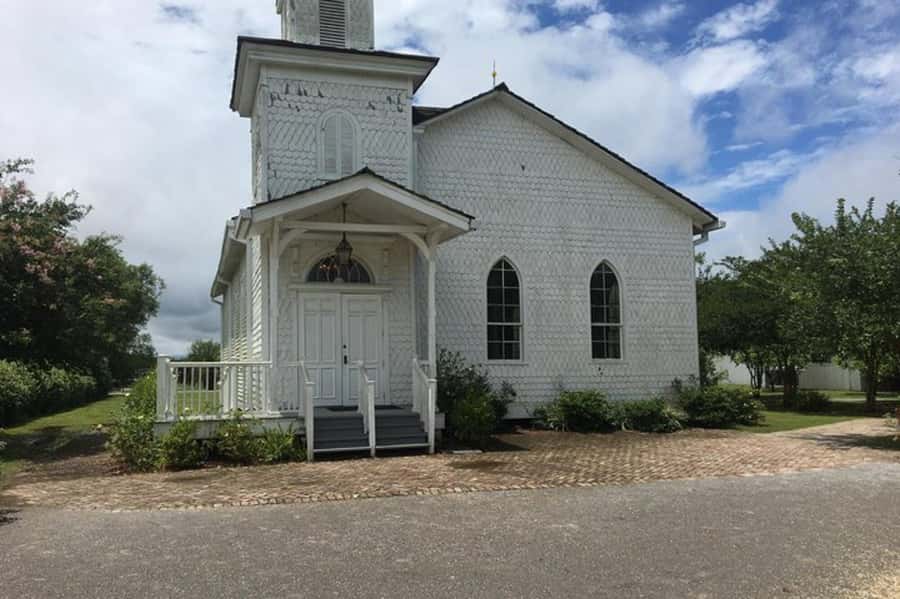
Freedmen’s Church gives the tour a different tone. The building is presented as a symbol of hope and resilience for people who sought freedom. It does not erase the suffering described elsewhere, but it shows that the story is not only one of oppression.
This stop helps connect the plantation’s past with the lives of people trying to build a future beyond slavery. The name itself points toward freedom, and the church offers a place to consider belief, community, and endurance.
I like that this part of the tour gives you room to reflect rather than offering one long list of grim facts. The story of slavery includes loss, but it also includes strength and the determination to keep families and communities alive under brutal conditions.
Take your time here. The audio guide is self-paced, so you do not have to leave as soon as the main explanation ends. If you need a quieter moment during the visit, this is a natural place to have one.
More River Road plantation tours:
- Swamp Boat Ride and Oak Alley Plantation Tour from New Orleans
★ 5.0 · 3,303 reviews - Oak Alley Plantation Tour with Transportation from New Orleans
★ 4.5 · 1,747 reviews - Laura Creole Plantation Guided Tour
★ 5.0 · 1,279 reviews - Airboat and Plantations Tour with Gourmet Lunch from New Orleans
★ 4.5 · 1,246 reviews
Seeing the plantation’s work areas
The detached kitchen and other outbuildings show how the plantation operated. These structures help explain the practical labor behind the owner’s wealth and the many jobs forced upon enslaved workers.
A detached kitchen may look modest, but its presence points to a larger system of food preparation, domestic labor, maintenance, and supervision. The outbuildings broaden the story beyond the main house. They show that plantation life depended on a large working community whose labor was controlled by others.
This section is valuable because it links individual lives to the plantation economy. You are not simply looking at old structures. You are considering who worked in them, what they were required to do, and how much of the plantation’s daily operation depended on their labor.
The main limitation is that audio tours require active listening. If you let your attention drift, you may miss the meaning behind a building that looks plain at first glance. Keep the headset on and move at a pace that allows you to connect the physical site with the information being explained.
The 1790 owner’s house and the unequal worlds
The 1790 owner’s house offers a direct contrast with the cabins. Its importance comes not only from its age, but from what it shows about the unequal worlds existing on the same plantation.
You see the setting associated with the owner while also thinking about the people whose labor supported it. That contrast is one of the clearest ways the tour explains power and wealth. The house should not be read as an isolated historic home. It is part of a system built on forced labor.
I like that the owner’s house is included without becoming the whole story. You need to see the contrast, but the visit does not let the building replace the stories of the enslaved. The owner’s residence has meaning because you have already considered the cabins, work areas, and hardships on the other side of the plantation.
If you have visited other Louisiana plantations, this approach may feel different. The house is still part of the visit, but it is not treated as a glamorous showcase. Its value is comparative and educational.
Ending at the memorial
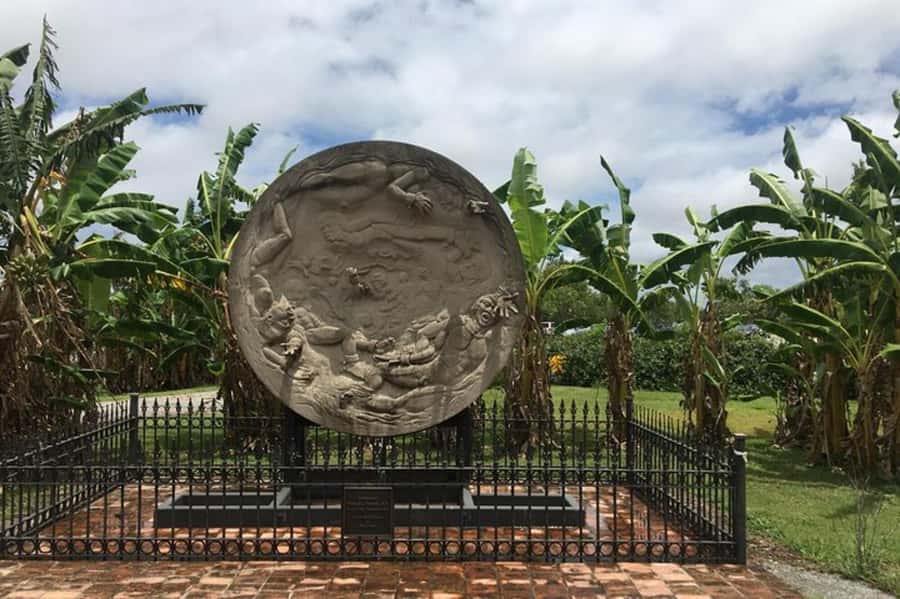
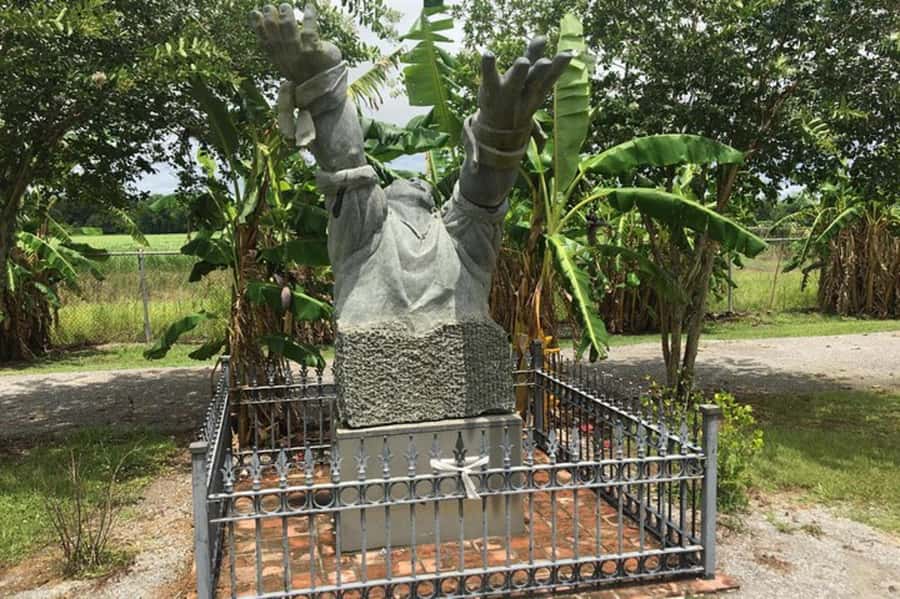
The memorial is a fitting final stop. It honors the people who suffered under slavery and gives you a place to consider the human cost described throughout the tour.
Ending here shifts the visit from buildings to remembrance. By this point, you have seen where people lived, learned about their labor, considered the owner’s wealth, and heard about the search for freedom. The memorial gathers those threads around the lives that were lost and the legacy that remains.
Give yourself time at this stop. The schedule includes 30 minutes after the tour for the gift shop, restrooms, or a quick snack, but you do not need to treat every minute as shopping time. Use part of that break to sit with what you have seen before getting back into the vehicle.
The memorial may be difficult, and that is part of its purpose. This is not a stop designed for a quick photo and a cheerful finish. It asks you to remember people rather than simply admire a building.
What the audio format is really like
You receive an audio headset on arrival and explore independently. There is no named guide provided for this experience, so you should expect recorded commentary rather than a live-led walk.
That format gives you three useful advantages. First, you can set your own pace. Second, you can spend extra time at the stops that matter most to you. Third, you avoid the pressure of staying close to a group.
The tradeoff is that you cannot ask immediate questions during the visit. If you want a discussion with a historian or a live guide, this is not that kind of tour. You are responsible for listening carefully and making your own connections as you walk.
For a serious subject, I find the quiet structure suitable. You can take in the information without competing with other voices. Just remember that self-guided does not mean casual. The experience asks you to pay attention.
Is $81 a fair price?
At $81 per person, the price is reasonable if you need transportation from New Orleans. The package includes hotel pickup and drop-off, entry to Whitney Plantation, and the audio guide. Buying admission alone would not cover the convenience of getting there and back.
The value depends on what you want from a plantation visit. You are paying for a focused historical experience, not a large number of attractions or entertainment. The main return is the chance to visit a museum devoted to enslaved people and to hear the story across several preserved sites.
Meals and beverages are extra, but the tour does include a 30-minute period for a snack. Pack something small if you do not want to buy food on site. Since the day is long, comfortable clothing and shoes are sensible, though the provided information does not specify walking distances or weather arrangements.
Free cancellation up to 24 hours before departure and the option to reserve now and pay later make the booking less rigid. Those policies help if your New Orleans schedule is still taking shape. Check the available starting times before committing, since the tour occupies most of the day.
Who should book this experience?
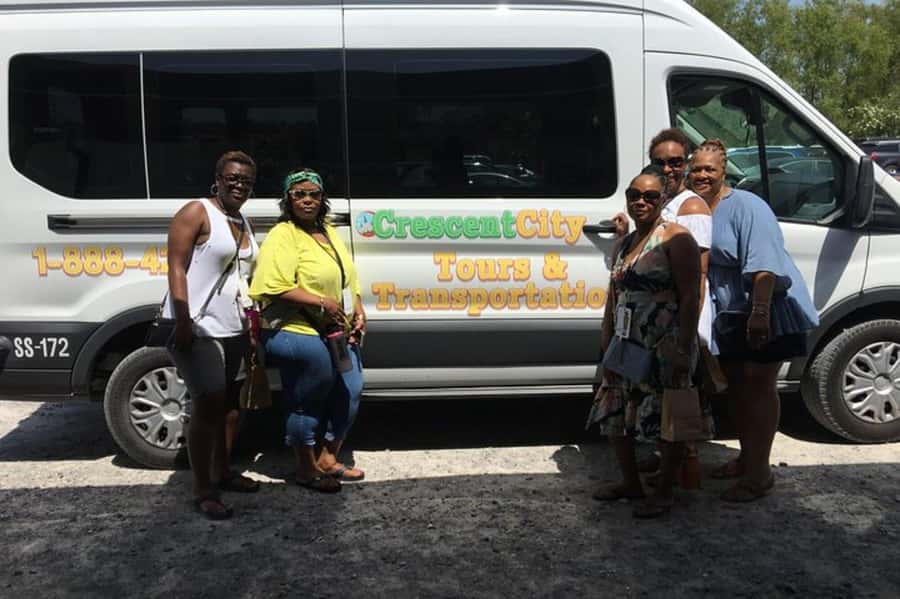
I would recommend Whitney Plantation to you if you want to understand slavery through the lives of the people who endured it. It suits visitors who prefer a serious museum experience and who are willing to spend a full day outside New Orleans.
It is especially useful if you want:
- A plantation visit centered on enslaved people rather than the owner
- A self-paced format with recorded commentary
- Transportation from a New Orleans hotel
- A clear contrast between cabins, work areas, and the owner’s house
- Time for reflection at a memorial and Freedmen’s Church
I would think twice if you want a relaxed outing with minimal walking, live conversation, or a short schedule. The experience is not suitable for wheelchair users, according to the booking information. You should also allow extra time around the pickup and return, since the total duration is 390 minutes.
The strongest reason to choose it is the focus. The visit keeps returning to the lives, labor, suffering, resilience, and legacy of enslaved people. That makes it a meaningful choice for a visitor who wants more than a pretty plantation house.
Should you book Whitney Plantation?
Book this tour if you want a direct, reflective look at Louisiana’s plantation past and value having transportation handled from New Orleans. The audio guide and self-paced route give you freedom to pause, while the cabins, Freedmen’s Church, work areas, owner’s house, and memorial create a clear progression through the subject.
Skip it if your main goal is grand architecture, easy entertainment, or a short excursion. Whitney Plantation is serious by design. For the right visitor, that seriousness is exactly what makes the $81 price and long day worthwhile.
FAQ
How long does the Whitney Plantation experience last?
The activity lasts 390 minutes, or about 6 hours and 30 minutes. This includes transportation from New Orleans, the plantation visit, and the return trip.
What does the $81 price include?
The price includes hotel pickup and drop-off, entry to Whitney Plantation, and the audio guide. Meals and beverages are not included.
Is transportation provided from New Orleans hotels?
Yes. Pickup is available from most New Orleans hotels. If your hotel is not listed, select the nearest available hotel, with pickup locations within 3 to 4 blocks of one another.
Is the Whitney Plantation tour guided by a live person?
No live guide is specified. You receive an audio headset and complete the visit independently at your own pace.
What will I see at Whitney Plantation?
The tour includes slave cabins, Freedmen’s Church, the detached kitchen and other outbuildings, the 1790 owner’s house, and a memorial honoring people who suffered under slavery.
Is this activity suitable for wheelchair users?
No. The activity is listed as not suitable for wheelchair users.
More airport transfers in New Orleans
- Private Airport Transfer From New Orleans
★ 5.0 · 702 reviews - New Orleans Private Luxury Airport Transfer to Downtown Hotels
★ 4.5 · 400 reviews - Private Arrival Transfer from Louis Armstrong New Orleans Airport
★ 4.5 · 334 reviews - Private Transfer in New Orleans MSY/Home/Hotel/Work
★ 5.0 · 325 reviews
More self-guided audio tours in New Orleans
- Ghosts of New Orleans: Self-Guided Haunted Audio Walking Tour
★ 4.0 · 32 reviews - Walking the Tremé: A Self-guided Audio Tour of New Orleans
★ 4.5 · 24 reviews - Self-Guided Walking Tour French Quarter In New Orleans
★ 4.0 · 13 reviews - Self Guided Walking Tour of New Orleans’ Historic Garden District
★ 4.5 · 13 reviews
Newest New Orleans tours we have written up
- 45-Minute Garden District Highlights Tour in New Orleans★ 5.0 · 33 reviews
- New Orleans City and Swamp Helicopter Tour★ 5.0 · 9 reviews
- 45-Minute Marigny Triangle Highlights Tour in New Orleans★ 5.0 · 12 reviews
- 20 Passenger New Orleans Airport or Hotel Transfer★ 5.0 · 6 reviews
- Private New Orleans 2-Hour Sail Aboard a Luxury Yacht★ 5.0 · 44 reviews
- The New Orleans Darkness Tour★ 4.4 · 9 reviews
- 11 Passenger Executive Van: New Orleans Airport or Hotel Transfer★ 4.0 · 8 reviews
- Storyville Red-Light District Museum: All Access Ticket★ 5.0 · 3 reviews
New Orleans Plantation Tours, compared.
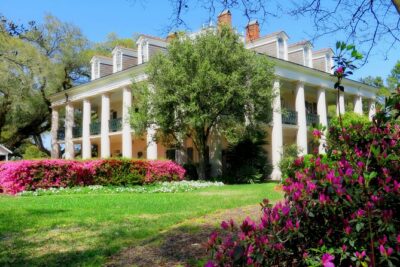
Swamp Boat Ride and Oak Alley Plantation Tour from New Orleans
Read our review →
Oak Alley Plantation Tour with Transportation from New Orleans
Read our review →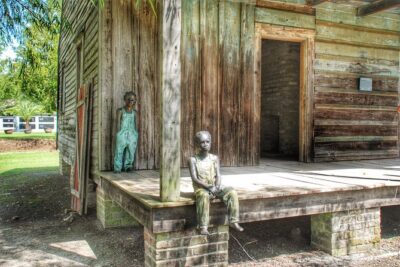
Whitney Plantation Tour with Transportation from New Orleans
Read our review →

Airboat and Plantations Tour with Gourmet Lunch from New Orleans
Read our review →
Bayou Swamp Tour and Oak Alley Plantation Tour
Read our review →
Oak Alley Plantation & Airboat Swamp Combo Tour
Read our review →
Oak Alley Plantation and Large Airboat Swamp Tour from New Orleans
Read our review →Browse the lists this tour appears in