
Reviewed · NEW ORLEANS VOODOO TOURS
True Voodoo History of NOLA’s Congo Square with Local Guide
New Orleans Voodoo makes the most sense when you see it as a living blend of African traditions, Catholic practice, local history, and personal belief. This 90-minute walk puts Congo Square at the center, then follows the story through the French Quarter, Tremé, Marie Laveau lore, and a working Voodoo temple.
I like two things here: the guide separates Hollywood fiction from real practice, and the tour treats slavery and the Code Noir as central parts of the story rather than a footnote. Guides such as Logan, Matthew, and Evian have been praised for their storytelling and clear explanations. The main drawback is that the tour does not enter St. Louis Cemetery No. 1, and ninety minutes leaves only limited time for such a large subject.
- Congo Square puts the history in place: Walk where enslaved Africans gathered to preserve music, ritual, and community.
- Marie Laveau appears through fact and legend: Visit the original site associated with her home and learn why her story still shapes New Orleans.
- Hollywood myths get corrected: Learn the real meaning of Voodoo dolls, vevers, gris-gris bags, and ritual practices.
- Slavery and the Code Noir are part of the main story: The tour connects colonial law, forced migration, and New Orleans spirituality.
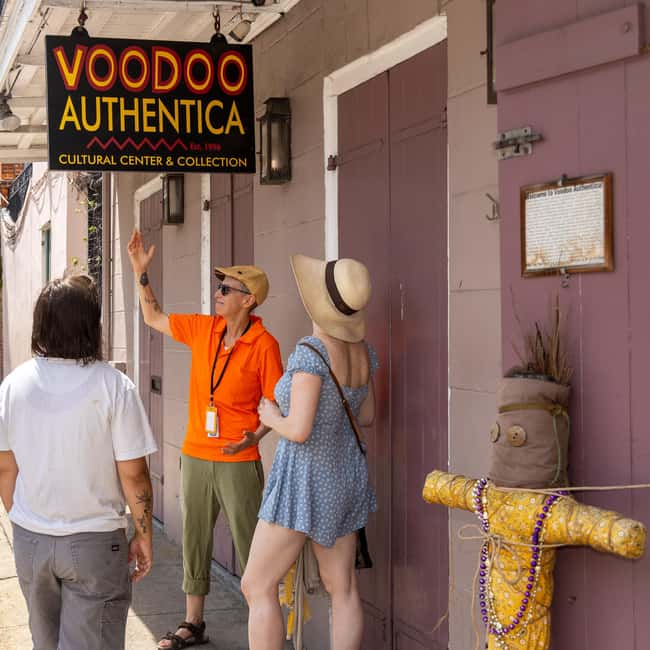
- The walk ends at Voodoo Authentica: You can see a modern temple and pick up a gris-gris item to take home.
- The route is compact and practical: It begins at Armstrong Park and covers six or more stops in about an hour and a half.
Why Congo Square Is the Right Place to Begin
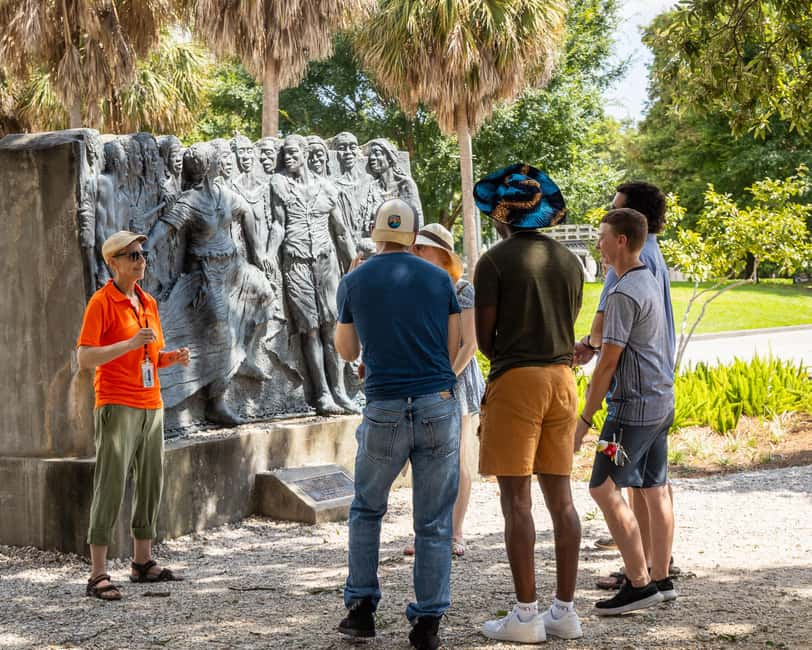
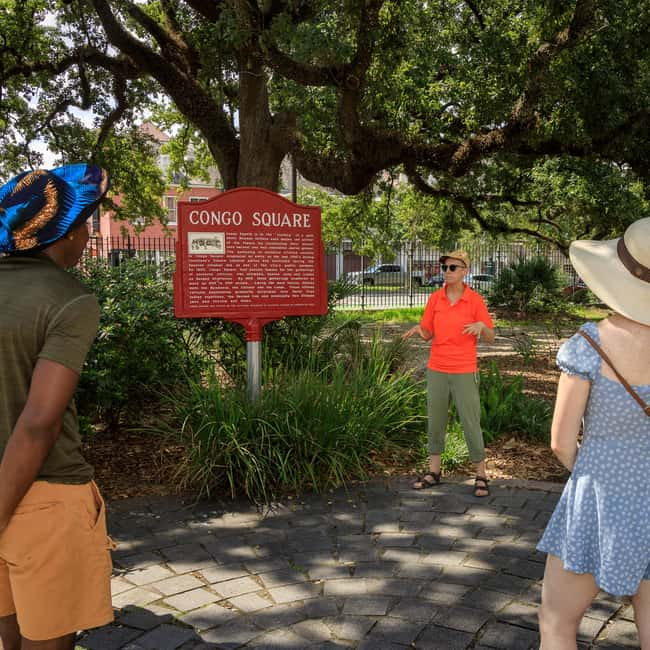
The tour starts at the archway to Louis Armstrong Park on Rampart Street. That location matters. You are not beginning with a theatrical shop display or a spooky tale. You are starting near Congo Square, one of the key places for understanding how African cultural practices survived in New Orleans.
Enslaved Africans gathered there on Sundays under the colonial system. Music, dance, worship, and community life continued in a public setting, even under brutal conditions. The tour connects those gatherings to the rhythms, rituals, and spiritual traditions that later helped shape New Orleans Voodoo.
I find this opening especially useful because it changes the question from What is Voodoo? to How did people preserve identity under slavery? That is a more honest starting point. It also gives you a better way to read the rest of the French Quarter. The city’s spiritual traditions did not appear out of nowhere. They grew from African practices, Catholic influences, Caribbean connections, and the lives of people forced into colonial New Orleans.
You will have a chance to walk through Congo Square, not simply hear its name in passing. The physical setting helps, although you should keep your expectations realistic. This is an urban park stop, not a preserved colonial village with original buildings and displays. Its importance comes from what happened there and how your guide explains it.
Walking From Armstrong Park Into Tremé
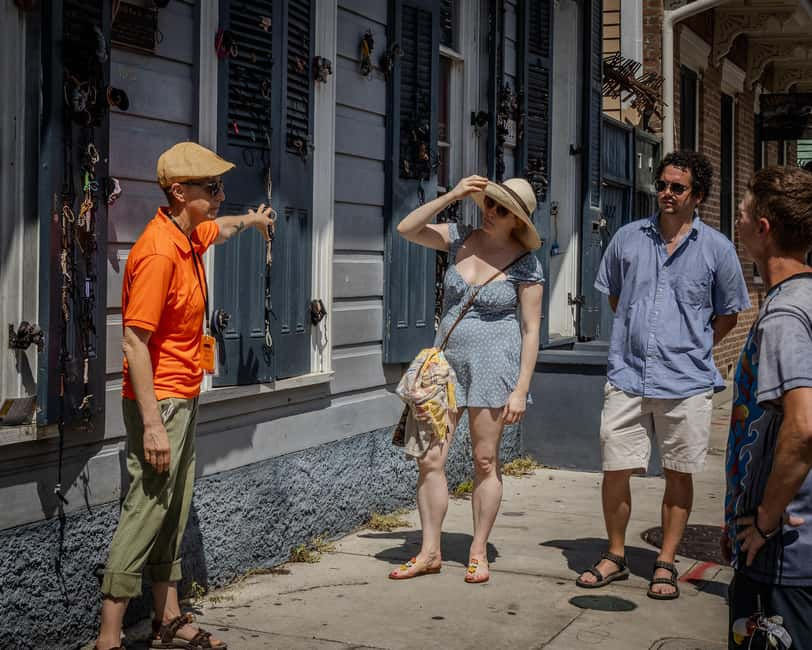
The route continues through the French Quarter and Tremé, also spelled Treme in some descriptions. These neighborhoods give the guide room to connect broad history with specific streets, buildings, and people.
The Tremé portion is particularly important. New Orleans history is often presented through architecture, food, music, and nightlife, but Tremé brings the story back to Black community life and cultural survival. The tour uses the area to explain how African traditions and local spiritual practices remained part of the city’s identity.
You will make photo stops along the way, but this is mainly a talking tour. The value comes from listening closely rather than checking off landmarks. A strong guide makes the streets easier to understand by explaining why certain places matter, how the city’s populations mixed, and how Voodoo was shaped by social conditions.
The pace should suit most people who can comfortably walk for ninety minutes. Still, this is an outdoor walking experience. New Orleans heat, humidity, rain, and uneven city pavement can affect your comfort. Wear practical shoes and bring water. The activity details do not give a group size, so you should not book it assuming a private walk or a small group.
More Black heritage tours in New Orleans:
- Soul of New Orleans City Tour: Enslavement to Modern Day Culture
★ 5.0 · 393 reviews - New Orleans: Tremé African American & Creole History Tour
★ 4.9 · 208 reviews - Urban Enslavement Tour at Hermann Grima House
★ 5.0 · 171 reviews
The Code Noir and the Hard Part of New Orleans History
One of the best choices in this tour is the direct treatment of slavery under the Code Noir. The Code Noir was a set of colonial laws governing enslaved people and the relationship between slavery and Catholicism in French territories. It shaped daily life, religious practice, punishment, family relationships, and the limits placed on Black people.
That history is not an optional sidebar here. It helps explain why New Orleans Voodoo developed in a setting where African traditions were restricted, Catholic rituals were public, and people had to adapt in order to preserve spiritual and cultural life.
You should expect uncomfortable material. That is a strength, not a flaw, but it may not suit anyone looking only for ghost stories and spooky entertainment. The tour presents Voodoo as a subject tied to power, race, forced migration, and survival. If you want a light haunted walk, this is not the best match.
The guide also discusses the Haitian Rebellions and their influence on New Orleans. The connection matters because people, beliefs, and stories moved through the Caribbean. Haitian history helped shape the way Voodoo was understood and practiced in New Orleans, adding another layer to the city’s spiritual traditions.
The guide may also explain how Catholicism and Voodoo share certain images, symbols, and devotional patterns. That comparison can be helpful, especially if your previous ideas about Voodoo come mainly from films. It shows how religious traditions can interact without becoming identical.
Marie Laveau Without the Hollywood Treatment
Marie Laveau is the best-known name in New Orleans Voodoo, and the tour gives her a central place. You stop at the original location associated with her home and hear about the woman behind the legend.
The useful part is the distinction between historical evidence, local tradition, and later storytelling. Marie Laveau became known as the Voodoo Queen of New Orleans, but popular culture has turned her into a cartoon figure surrounded by sensational stories. A good guide helps you see why her reputation endured without treating every tale as proven fact.
You will not visit St. Louis Cemetery No. 1 on this tour. New regulations from the Archdiocese of New Orleans have changed access for pilgrimages, and offerings at Marie Laveau’s tomb are discouraged. That omission may disappoint you if the cemetery is your main reason for booking a Voodoo tour, so check your expectations before paying.
The original home site is still worthwhile because it keeps the focus on the person and her place in the city. You learn about her public image, her spiritual role, and the way later generations built a larger legend around her.
Voodoo Dolls, Vevers, and Gris-Gris Explained
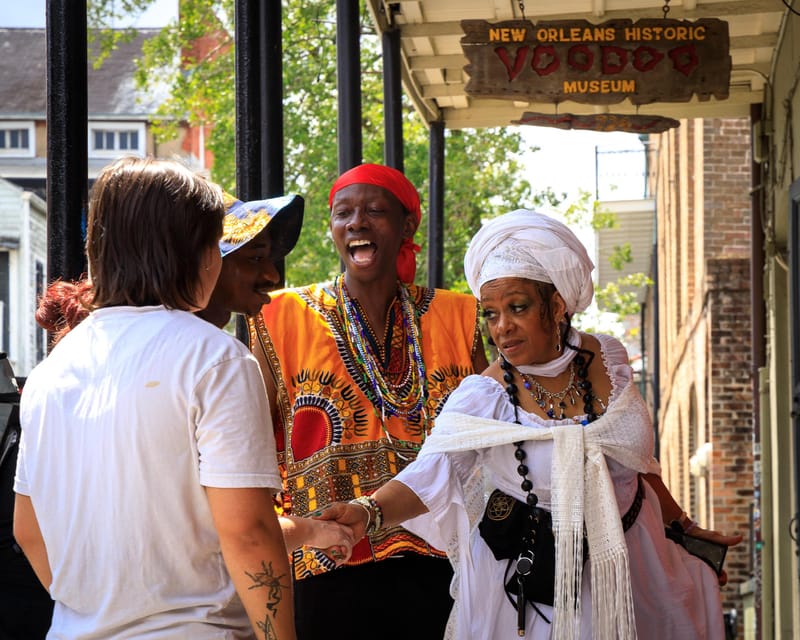
The tour takes time to explain objects that are often badly represented in films and television. You may see or discuss Voodoo dolls, vevers, and gris-gris bags, along with their meanings and uses.
The explanation of Voodoo dolls is one of the practical highlights. The familiar image of someone sticking pins into a doll to harm an enemy is a narrow and misleading version of a much wider set of practices. Your guide explains what these objects represented in actual traditions and how the popular image became distorted.
Vevers are symbolic drawings used in Haitian Vodou and related spiritual settings. Gris-gris bags are small personal charms or bags associated with protection, luck, healing, or other intentions. The exact meaning depends on the tradition and the purpose, which is why the guide’s explanation matters more than a souvenir label.
This section works best if you approach it with curiosity rather than expecting a demonstration of secret rituals. The tour is educational. It does not promise a dramatic ceremony or an invitation into private spiritual work.
More voodoo tours in New Orleans:
- New Orleans Premier Ghost, Voodoo and Vampire Walking Tour
★ 4.5 · 12,856 reviews - Adults-Only New Orleans Ghost, Crime, Voodoo, and Vampire Tour
★ 5.0 · 6,545 reviews - New Orleans Adults-Only Ghost, Voodoo and Vampire Tour
★ 5.0 · 3,291 reviews - New Orleans French Quarter, Voodoo and Culture Walking Tour
★ 4.5 · 2,961 reviews
Saint John’s Eve and Other Spiritual Traditions
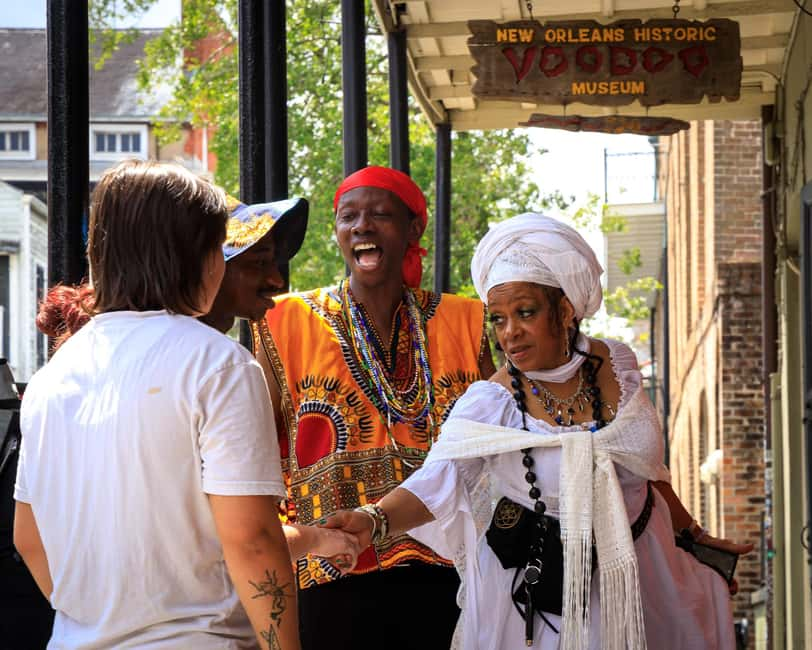
The tour also covers Voodoo holidays and customs, including Saint John’s Eve. These traditions help show that Voodoo is not just a set of scary stories or objects sold in tourist shops. It includes calendars, gatherings, offerings, symbols, and community practices.
Saint John’s Eve is especially associated with New Orleans Voodoo history and Marie Laveau lore. Your guide can use the holiday to explain the overlap between Catholic feast days and African-derived spiritual practice. That connection is one of the most interesting ideas in the tour because it shows how belief systems can meet, change, and continue in a new place.
You may also learn how modern practitioners relate to older traditions. The aim is not to flatten every form of Voodoo into one definition. Instead, you get a basic sense of how the term covers connected but distinct practices in New Orleans, Haiti, and other parts of the Caribbean.
Finishing at Voodoo Authentica
The walk ends at Voodoo Authentica, a modern Voodoo temple and cultural stop. This gives the tour a useful ending because you move from historical places and old stories to a present-day setting.
You can stop inside, see contemporary Voodoo items, and pick up a New Orleans gris-gris to take home. Treat this as a chance to learn about modern practice and choose a personal souvenir, not as a guarantee of supernatural results. The tour explains the cultural and spiritual meaning of such items, but your purchase is separate from the tour price.
The ending also makes the experience more tangible. After hearing about Congo Square, colonial law, Haitian influence, and Marie Laveau, you see that Voodoo has not vanished into the past. It remains part of New Orleans culture, even though modern temples and practitioners may not resemble the versions shown in popular entertainment.
Because the tour ends at Voodoo Authentica, you can continue exploring the French Quarter afterward. The activity does not include transportation, meals, or a return trip to Armstrong Park, so plan your next stop from the ending point.
The Guides Make the Difference
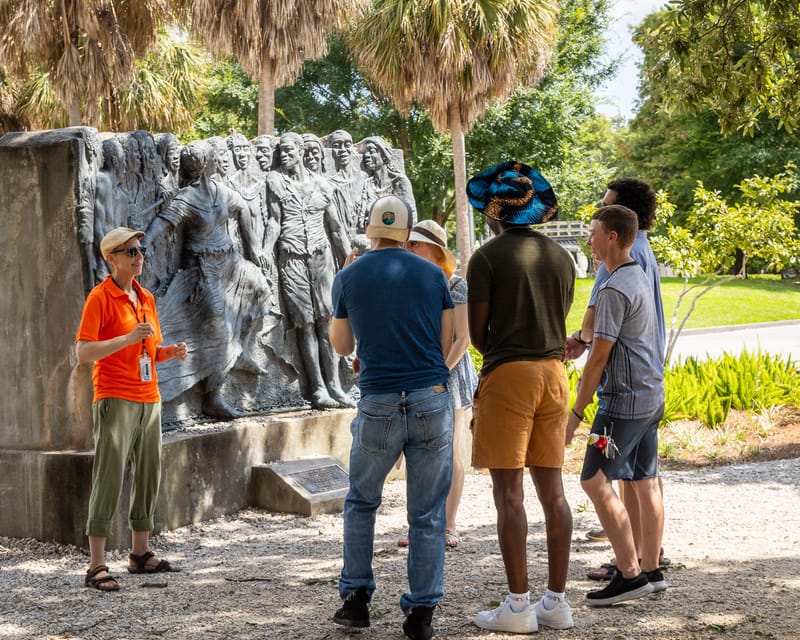
The tour is conducted in English by a professional, licensed guide. Several guide names associated with this experience are Logan, Matthew, and Evian.
Logan is praised for being a strong storyteller and personable guide. Matthew is described as having studied Voodoo and as being able to add insights learned from a high priest. Evian is noted for combining humor, friendly delivery, and extensive knowledge of both Voodoo and New Orleans history.
That range matters because this subject can become either too academic or too sensational. The best version gives you clear facts, memorable stories, and room for uncertainty where the evidence is mixed. The comments about these guides suggest that storytelling is a major strength of the experience.
Your actual guide will depend on the departure date, so do not book on the assumption that a particular person will lead your walk. The guide is the main reason to choose this tour over simply reading about Voodoo in a museum or souvenir shop. Ask questions as you go. The subject includes many terms and overlapping traditions, and a live guide can clarify points that a sign cannot.
Is $39 Good Value for 90 Minutes?
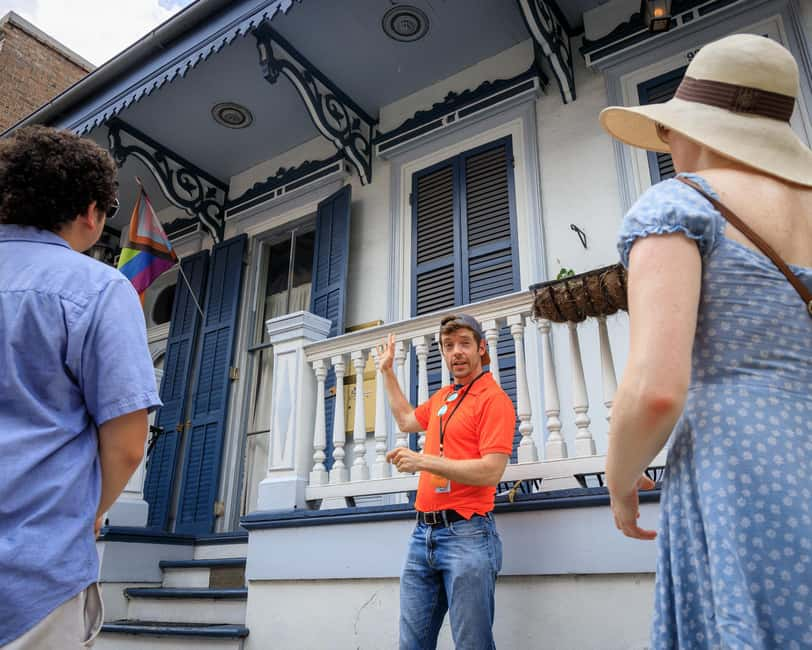
At $39 per person, this is a fair price if you want a focused introduction to New Orleans Voodoo and its historical setting. You get a licensed guide, six or more discussion stops, a walk through Congo Square, and entry into a modern Voodoo temple setting.
The value is strongest if you would otherwise book a general French Quarter walk and a separate Voodoo attraction. This tour combines both street history and spiritual culture in one compact outing. It also gives you context for places you may pass later during your stay.
The value is weaker if you want a long museum visit, a cemetery tour, or a private ritual. St. Louis Cemetery No. 1 is not included, the tour lasts only ninety minutes, and the gris-gris item is not listed as part of the admission price.
You can cancel up to twenty-four hours before the activity for a full refund, and you can reserve now and pay later. Those terms are useful if your New Orleans schedule is still changing. Starting times vary, so check availability before you plan other activities around it.
Who Should Book This Walk?
I would choose this tour if you want New Orleans history told through African, Caribbean, Catholic, and Black local perspectives. It suits first-time visitors who want a clear introduction, as well as returning visitors who have already seen the usual French Quarter sights.
It is a good fit for you if you enjoy:
- History connected to real streets and neighborhoods
- Honest treatment of slavery and colonial law
- Explanations of religious symbols and cultural practices
- Marie Laveau stories with fact separated from legend
- A short walk that leaves time for other plans
I would hesitate if you want a cemetery visit, a longer historical lecture, or a dramatic supernatural show. The tour is more thoughtful than theatrical. That is precisely why it works for many people, but it is also why it may not satisfy someone seeking pure spooky entertainment.
Should You Book the Congo Square Voodoo Tour?
Book it if you want the real cultural and historical context behind New Orleans Voodoo. The strongest parts are the walk through Congo Square, the discussion of slavery and the Code Noir, the Haitian connection, and the guide’s effort to correct familiar myths.
Keep your expectations in check about the missing cemetery stop and the short ninety-minute format. You will not cover every chapter of New Orleans Voodoo, but you will leave with a more accurate way to understand the city, its symbols, and its spiritual traditions. At $39, that makes this a worthwhile introduction, especially early in your New Orleans visit.
FAQ
Where does the tour begin?
The tour begins at the archway to Louis Armstrong Park on Rampart Street.
Where does the tour end?
The tour ends at Voodoo Authentica Inc.
How long does the tour last?
The tour lasts 90 minutes.
What language is the tour conducted in?
The live tour guide speaks English.
Does the tour visit Congo Square?
Yes. Walking through Congo Square is included, with discussion of its role as a gathering place for enslaved Africans and its connection to New Orleans cultural traditions.
Does the tour visit Marie Laveau’s tomb?
No. The tour does not visit St. Louis Cemetery No. 1 because of new security regulations affecting pilgrimages by the Archdiocese of New Orleans.
Does the tour visit a Voodoo temple?
Yes. The tour finishes with a stop at Voodoo Authentica, a modern Voodoo temple. You have the chance to pick up a gris-gris item to take home.
What is included in the price?
The price includes a professional licensed guide, six or more stops discussing Voodoo history and culture, and the walk through Congo Square. Gratuity is not included.
Can I cancel or pay later?
You can cancel up to 24 hours in advance for a full refund. You can also reserve the activity and pay later.
More Historical Tours in New Orleans
- New Orleans Garden District History Walking Tour
★ 5.0 · 2,879 reviews - French Quarter Historical Sights and Stories Walking Tour
★ 5.0 · 2,724 reviews - New Orleans Small-Group Haunted History Carriage Tour
★ 4.5 · 2,289 reviews - New Orleans Haunted History Ghost Tour
★ 4.5 · 2,084 reviews
Newest New Orleans tours we have written up
- New Orleans : Garden District Architecture Walking tour★ 4.8 · 5 reviews
- Ultimate Denver Day Out: Red Rocks, City Views & Ice Cream★ 5.0 · 7 reviews
- From New Orleans: Whitney and Laura Guided Plantation Tour★ 4.9 · 20 reviews
- Whitney Plantation and Soul of New Orleans City Tour Combo★ 5.0 · 13 reviews
- Treme Bar Crawl & Seafood Experience★ 4.2 · 7 reviews
- Whitney Plantation Tour with Transportation★ 4.0 · 29 reviews
- Witches Coven Walking Tour in New Orleans★ 5.0 · 49 reviews
- Whitney Plantation and Museum Tour from New Orleans★ 4.5 · 69 reviews
New Orleans Voodoo Tours, compared.
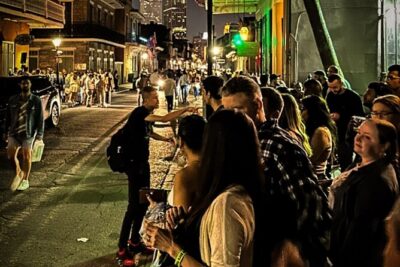
New Orleans Premier Ghost, Voodoo and Vampire Walking Tour
Read our review →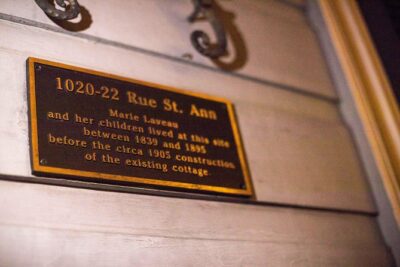
Adults-Only New Orleans Ghost, Crime, Voodoo, and Vampire Tour
Read our review →
New Orleans Adults-Only Ghost, Voodoo and Vampire Tour
Read our review →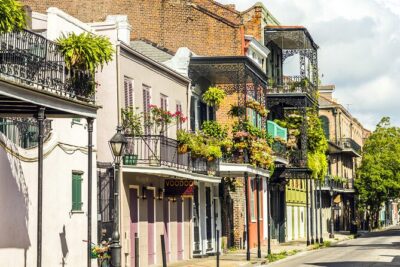
New Orleans French Quarter, Voodoo and Culture Walking Tour
Read our review →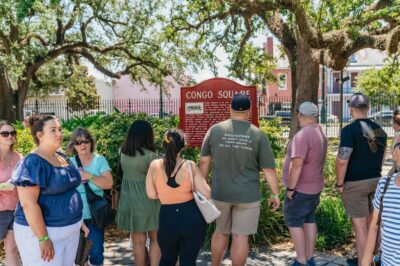
New Orleans Ghost, Vampire, Witch, Voodoo, and Mystery Tour
Read our review →
New Orleans Spirits & Spells: Witchcraft, Voodoo, and Ghost Tour
Read our review →Browse the lists this tour appears in