
Reviewed · NEW ORLEANS COOKING CLASSES
New Orleans: Hands-on Cajun Roux Cooking Class
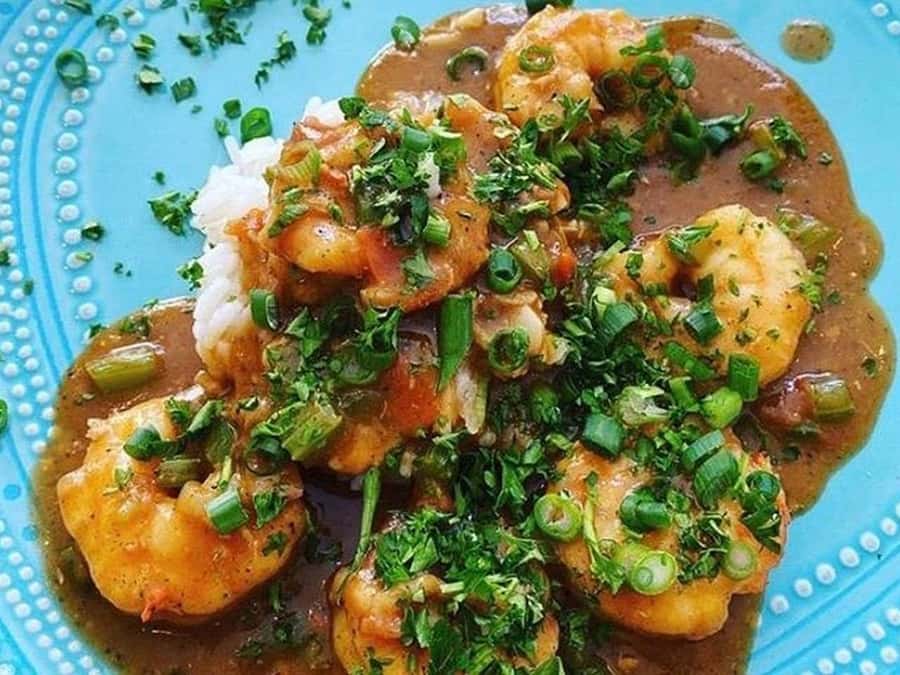
The best part of this French Quarter cooking class is that you do not simply watch a chef stir a pot. You chop the Cajun Holy Trinity, learn how to build both dark and light roux, then sit down to eat gumbo, shrimp etouffee, and bananas Foster. Music, wine, and plenty of kitchen banter keep the three hours lively.
I like the small group of 10 and the practical menu. You get direct instruction instead of a crowded demonstration, and you leave with techniques you can use at home. I also like that the class explains the background of Cajun and Creole food instead of treating the dishes as simple recipes. The main consideration is the $157 price, which is fair for a full meal and drinks but high if you only want a quick cooking lesson.
Key points at a glance
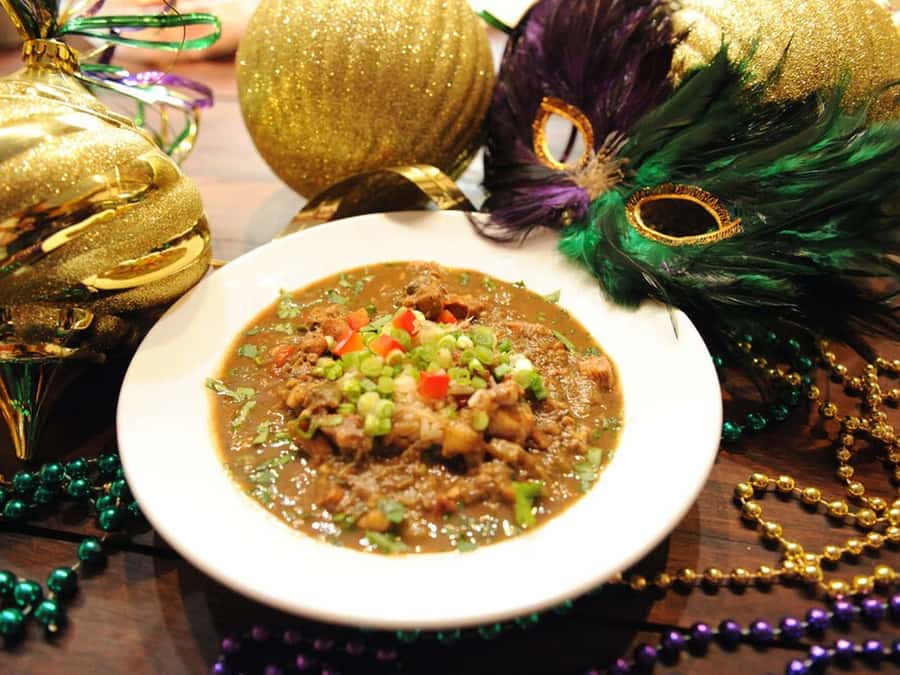
- Three classic dishes: Make chicken and andouille sausage gumbo, shrimp etouffee, and bananas Foster.
- Two kinds of roux: Learn why gumbo starts with a dark roux while etouffee uses a lighter one.
- Hands-on instruction: Chop, prep, cook, plate, and eat rather than sitting through a cooking show.
- French Quarter setting: The class takes place at the Mardi Gras School of Cooking in Suite 101 on the ground level.
- Small English-speaking class: The group is limited to 10 people, with chefs such as Raymond, Mark, and Jason leading sessions.
- Drinks included: Wine, beer, sodas, and bottled water are provided during the class.
Why the roux makes this class worth your time
New Orleans cooking can look easy on a menu. Gumbo, etouffee, and bananas Foster use familiar ingredients, but the flavor depends on timing, heat, texture, and seasoning. This class focuses on those details, especially the roux.
You begin with the Cajun Holy Trinity: onion, bell pepper, and celery. It is the starting point for many Louisiana dishes, and chopping it yourself gives you a useful sense of how the meal comes together. Once the vegetables are prepared, the class moves into mise en place, the practice of having everything cut, measured, and ready before cooking.
That preparation matters. Roux can change quickly, and stopping to chop vegetables while it cooks is a good way to lose control of the color and flavor. I like that the class treats preparation as part of the lesson rather than rushing straight to the pot.
The two roux lessons are the main reason to book this particular class. A dark roux gives gumbo its deeper color and fuller flavor. A light roux gives shrimp etouffee a different base. You will see the contrast directly instead of hearing a brief explanation and moving on.
More cooking classes in New Orleans:
- New Orleans Demonstration Cooking Class with Meal
★ 5.0 · 3,000 reviews - New Orleans Hands-On Cooking Class with Meal
★ 5.0 · 1,183 reviews - New Orleans: Cajun and Creole Cooking Class
★ 4.9 · 730 reviews
Starting with the Cajun Holy Trinity
The first part of the class introduces the basic ideas behind Cajun and Creole cooking. You get an explanation of the seasonings and the role of the Holy Trinity before beginning the knife work.
This is a useful opening for beginners because it gives the food a framework. You are not just following a recipe line by line. You are learning why certain vegetables appear together and how they support the main dish.
After the vegetables are chopped, you have a chance to pause with a glass of wine. Beer, sodas, and water are also included, so you do not need to purchase drinks during the class. Alcohol is part of the experience, but it is not required to enjoy the cooking.
The class is taught in English. Past sessions have featured chefs including Raymond, Mark, and Jason. Their styles may differ, but the format is designed to keep you involved. Chef Jason, for example, is described as adding New Orleans history, jokes, and stories while keeping everyone working. Chef Raymond brings an energetic approach, and Chef Mark is noted for explaining the steps clearly.
Making chicken and andouille sausage gumbo
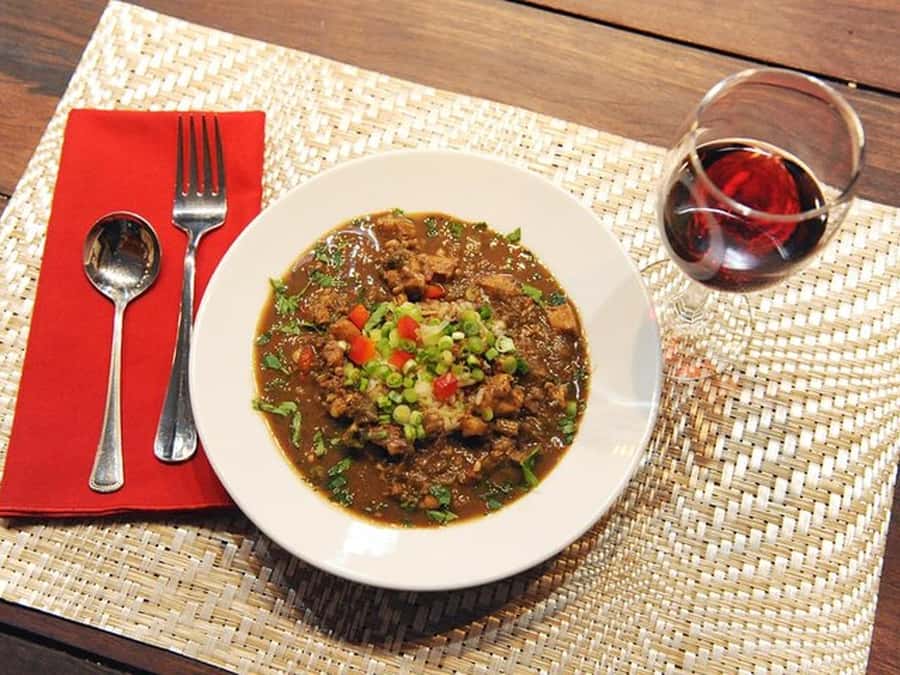
Gumbo is the centerpiece of the meal. The class begins its version with a dark roux, which requires patience and attention. This is the moment when the lesson moves beyond a simple recipe and into a real cooking skill.
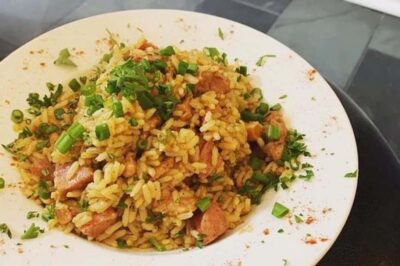
You will learn how to handle the roux and combine it with the prepared vegetables and seasonings. Chicken and andouille sausage provide the main flavors for the gumbo. Andouille brings the smoky sausage note associated with Louisiana cooking, while the roux gives the dish its body.
The class format lets you see the process close up and take part in it. You are not expected to know how to make gumbo before arriving. The instruction is built for people who want to learn, and the chefs keep the cooking accessible.
I would arrive ready to pay attention during this section. The gumbo takes time, and the roux is not the place for distracted cooking. The class includes drinks and conversation, but you still need to follow the chef’s directions.
Once the gumbo is ready, you get to eat what you helped prepare. That timing gives the meal a natural rhythm: prepare, cook, taste, then continue with the next dish.
Learning the lighter side of etouffee
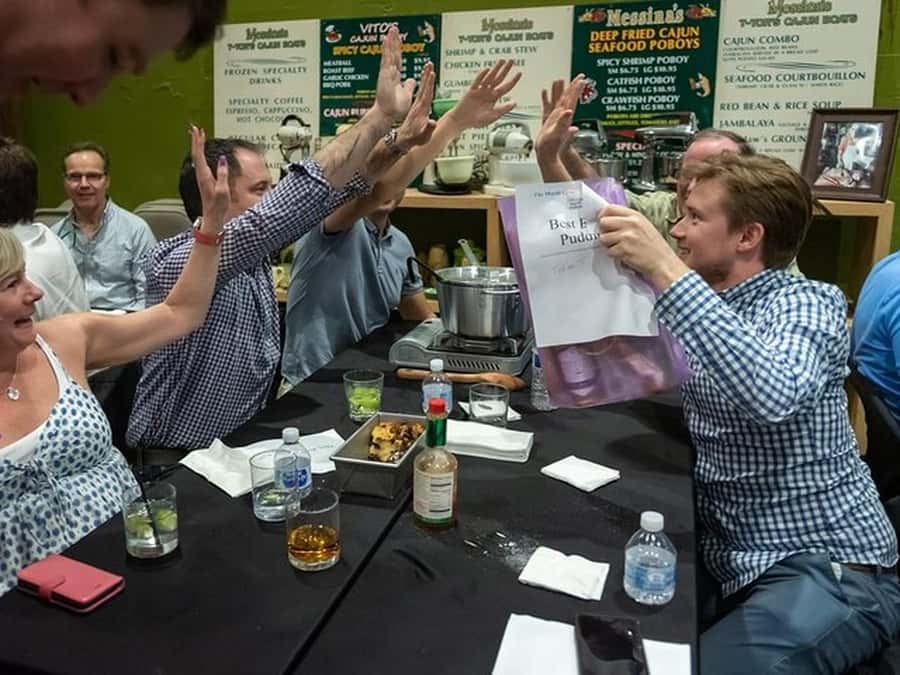
The shrimp etouffee uses a light roux, offering a useful comparison with the gumbo. Seeing both techniques in one session is more valuable than taking a class focused on only one pot of food.
Etouffee is served over a meal rather than presented as a separate demonstration. You work through the preparation, learn how the lighter roux behaves, and then help plate the finished dish.
Shrimp makes this course feel different from the chicken and sausage gumbo. The two main dishes share a Louisiana identity, but their textures and flavors are not the same. That contrast helps you understand how roux, protein, and seasoning work together.
The class also gives you a chance to ask questions as you cook. In a group limited to 10, you are more likely to get attention when you need help with a step. That small-group size is one of the strongest reasons the price can make sense.
A different side of New Orleans for another evening:
- New Orleans Premier Ghost, Voodoo and Vampire Walking Tour
★ 4.5 · 12,856 reviews - New Orleans Steamboat Natchez Jazz Cruise with Dinner Option
★ 4.0 · 7,533 reviews - Adults-Only New Orleans Ghost, Crime, Voodoo, and Vampire Tour
★ 5.0 · 6,545 reviews - New Orleans Food Walking Tour of the French Quarter with Small-Group Option
★ 5.0 · 6,118 reviews
Finishing with bananas Foster
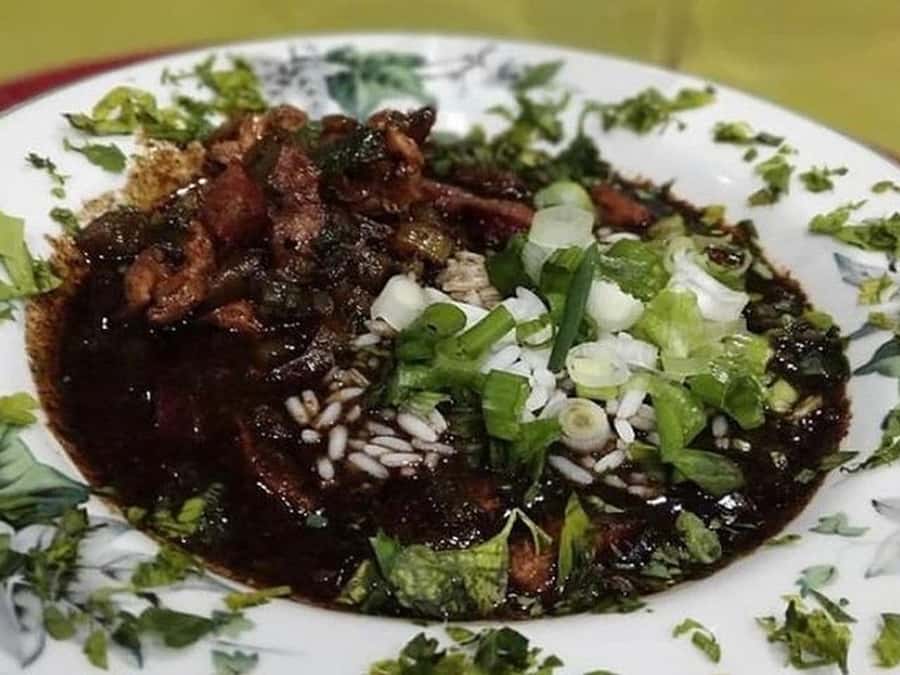
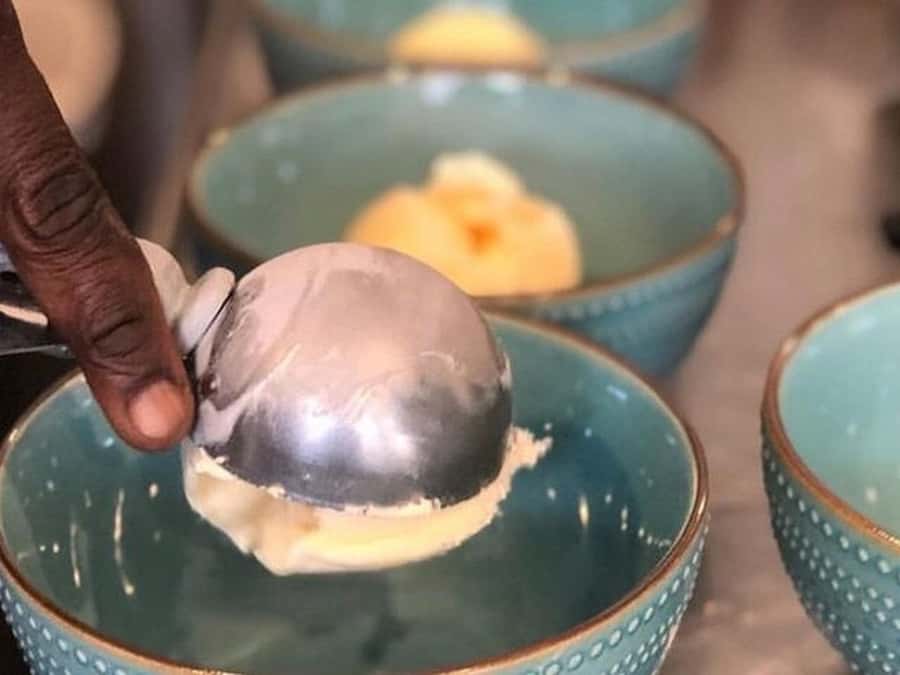
Bananas Foster comes at the end, after the savory dishes are prepared and plated. It is the most theatrical part of the menu, but the focus remains on a method you can repeat at home.
The chef teaches a foolproof approach intended to help you make the dessert for friends and family. You do not need to be an experienced baker or pastry cook. The appeal is its simplicity and the way it finishes a meal built around savory Louisiana staples.
This final course also gives the class a good balance. Gumbo and etouffee are hearty, roux-based dishes, while bananas Foster provides a sweet finish. You leave having prepared a full meal rather than one isolated recipe.
The meal is included in the $157 price, along with alcoholic and nonalcoholic drinks. That makes the experience closer to a three-hour lunch or dinner with instruction than a short demonstration.
The French Quarter setting and meeting point
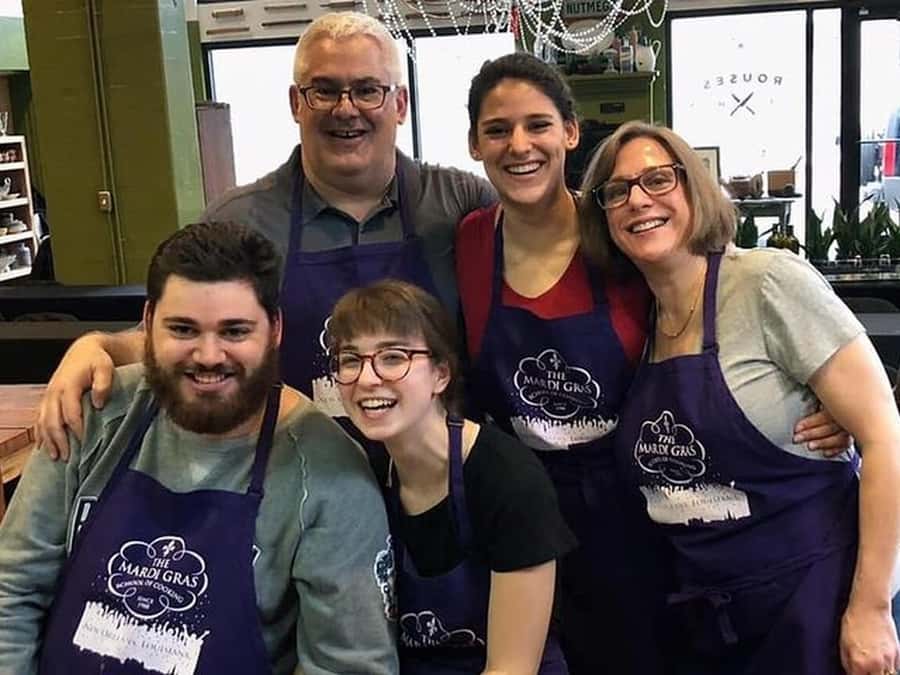
The school is in New Orleans’ French Quarter, a practical location if you are already spending time in the historic center. The meeting point is Suite 101 on the ground level.
Transportation to the venue is not included, so you need to make your own way there. That is not a major issue for a class in the French Quarter, but allow enough time to find the building and arrive ready to start. The supplied details do not give a precise street address, so check the booking information carefully before setting out.
The ground-level location is useful for anyone concerned about stairs. The activity is listed as wheelchair accessible, though you should still confirm any personal access needs when booking.
Because the class is only three hours, it fits neatly into a day of sightseeing. I would avoid placing it immediately before another fixed appointment. Cooking times can feel relaxed, and you will want time to eat the food you made rather than hurry out of the room.
What the group size means in practice
The maximum group size is 10 people. That is small enough for a social class without turning the session into a private lesson.
You will work around other cooks, so the experience is not silent or highly individual. One class included music and a relaxed, friendly mood, with students cooking as if they were in a home kitchen. That atmosphere suits people who enjoy conversation and do not mind a bit of kitchen noise.
The chefs make an effort to keep everyone involved. This matters because a hands-on class can become uneven if only the most confident person does the work. The instruction is meant to include the whole group, and the format gives you a chance to practice rather than simply observe.
Still, your experience may depend partly on the mix of people in the room and the chef leading that session. Raymond, Mark, and Jason have each been associated with classes, and the descriptions of their teaching styles differ slightly. The common thread is clear step-by-step instruction and a friendly approach.
Is $157 a fair price?
At $157 per person, this is not a budget meal. You are paying for three hours of teaching, a full lunch or dinner, alcoholic drinks, sodas, water, and a small group in a central New Orleans location.
The value improves if you want more than food. You make three dishes, study two roux styles, learn knife preparation and seasoning principles, and receive ideas you can use at home. The meal also replaces a restaurant lunch or dinner, though you should not compare the price directly with a casual local restaurant.
The price is harder to justify if you already cook Cajun food often or mainly want to taste gumbo. In that case, a restaurant meal may be cheaper and simpler. This class works best for someone who wants a social activity, cooking instruction, and a substantial meal in one booking.
I also see value in the take-home usefulness. Gumbo, etouffee, and bananas Foster are not merely tasting-menu items. They are dishes you can attempt again, especially after learning the role of the Holy Trinity and the difference between dark and light roux.
Who should book this cooking class?
I recommend it for couples, friends, solo visitors who enjoy meeting people, and families with older children who genuinely like to cook. Children over 10 can book, but they need to be willing to participate. This is not a class designed for a child who would rather watch from the side.
It is also a strong choice for first-time visitors who want a food experience tied closely to New Orleans. The menu covers several familiar local dishes, and the cooking lessons add context without turning the session into a formal lecture.
I would be more cautious about booking it for anyone with a strict schedule, a dislike of group activities, or no interest in alcohol and social conversation. Sodas and water are included, so drinking is optional, but the class has a relaxed communal feel.
The three-hour length is long enough to make the session worthwhile but not so long that it takes over the whole day. You will spend most of that time preparing, cooking, eating, and listening to the chef’s guidance.
Booking details worth knowing
The class is offered in English and lasts three hours. Starting times vary, so check availability for your chosen date.
Cancellation is free up to 24 hours before the activity for a full refund. You can also reserve now and pay later, which helps if your New Orleans schedule is still changing.
The activity is wheelchair accessible, and the meeting point is on the ground level in Suite 101. Personal expenses, souvenirs, and transportation to the venue are not included.
The current rating is 4.9 from seven ratings, with repeated praise for the welcoming staff, clear instruction, and fun atmosphere. The strongest pattern is the teaching: Chef Jason is praised for making the history and techniques easy to follow, Chef Mark for careful explanations, and Chef Raymond for bringing energy to the kitchen.
Should you book the Mardi Gras School of Cooking?
Book this class if you want to cook a real New Orleans meal, not just sample one. The dark roux gumbo, light roux etouffee, and bananas Foster give you a well-rounded lesson, while the small group and included drinks make the experience social and easy to enjoy.
Skip it if your priority is the lowest-cost meal or a quiet restaurant dinner. At $157, the class needs to provide more than food, and it does that through hands-on work, chef instruction, and recipes you can try again at home.
For most food-focused visitors, this is a worthwhile French Quarter activity. Arrive hungry, be ready to chop, and treat the roux lesson as the heart of the experience.
FAQ
How long is the New Orleans roux cooking class?
The class lasts three hours.
What dishes will I make?
You will prepare chicken and andouille sausage gumbo, shrimp etouffee, and bananas Foster.
Are drinks included?
Yes. The class includes wine, beer, sodas, and bottled water.
Is the class suitable for children?
Children over 10 can participate if they are willing to cook. Children under 10 are not suitable for this activity.
Where does the class meet?
The meeting point is Suite 101 on the ground level in New Orleans’ French Quarter.
Can I cancel the booking?
Yes. You can cancel up to 24 hours in advance for a full refund. You can also reserve now and pay later.
More Workshops in New Orleans
- Hands-on Cajun Roux Cooking Class in New Orleans
★ 5.0 · 356 reviews - Hands-on Cajun Traditions Cooking Class
★ 5.0 · 132 reviews - New Orleans Cooking Class and Cocktail Walking Tour
★ 4.5 · 109 reviews - New Orleans: Cooking Class & Cocktail Walking Tour
★ 4.7 · 16 reviews
Newest New Orleans tours we have written up
- 45-Minute Garden District Highlights Tour in New Orleans★ 5.0 · 33 reviews
- 45-Minute Marigny Triangle Highlights Tour in New Orleans★ 5.0 · 12 reviews
- New Orleans City and Swamp Helicopter Tour★ 5.0 · 9 reviews
- 20 Passenger New Orleans Airport or Hotel Transfer★ 5.0 · 6 reviews
- Private New Orleans 2-Hour Sail Aboard a Luxury Yacht★ 5.0 · 44 reviews
- The New Orleans Darkness Tour★ 4.4 · 9 reviews
- 11 Passenger Executive Van: New Orleans Airport or Hotel Transfer★ 4.0 · 8 reviews
- Spooky Family Ghost Tour★ 3.4 · 9 reviews
New Orleans Cooking Classes, compared.
New Orleans Demonstration Cooking Class with Meal
Read our review →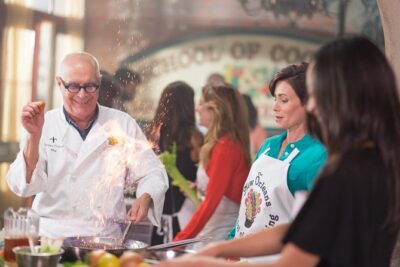
New Orleans Hands-On Cooking Class with Meal
Read our review →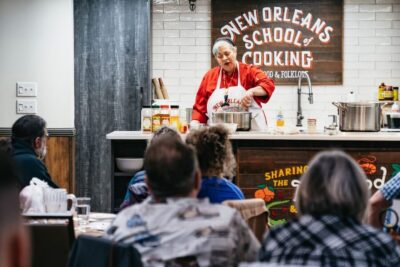
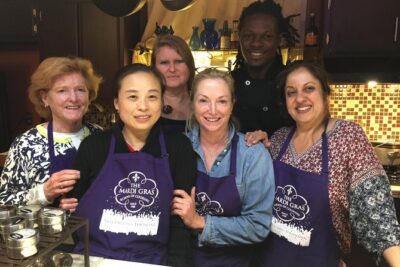
Hands-on Cajun Roux Cooking Class in New Orleans
Read our review →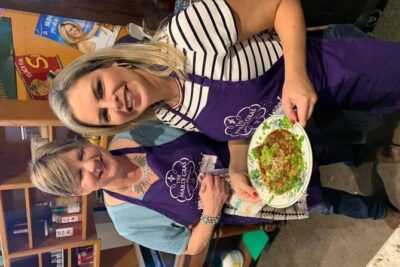
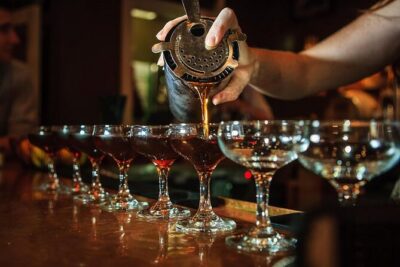
New Orleans Cooking Class and Cocktail Walking Tour
Read our review →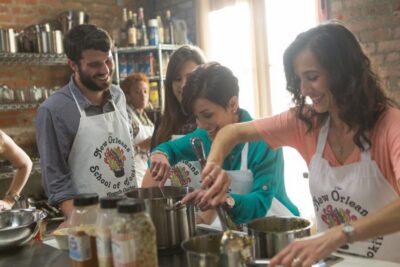
Browse the lists this tour appears in