
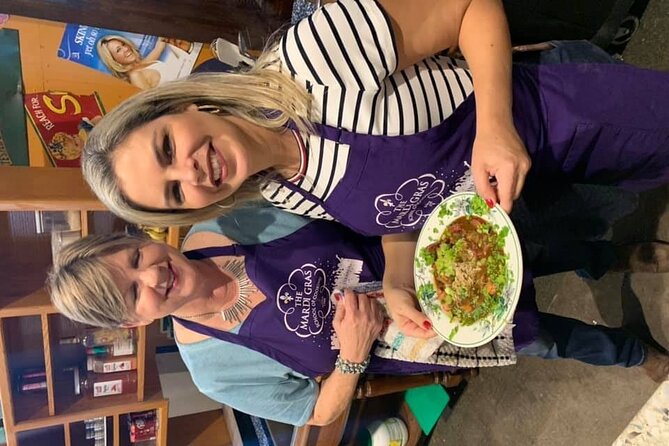
Reviewed · NEW ORLEANS COOKING CLASSES
Hands-on Cajun Traditions Cooking Class
New Orleans cooking is best learned with a spoon in your hand, not just a menu in front of you. This three-hour class has you prepare barbecue shrimp, chicken and andouille jambalaya, and chocolate bread pudding, then sit down to eat what you made. Chefs including Mark, Raymond, Preston, Erika, Jason, and David lead sessions, so the personality may vary by date.
I like the small class size, capped at 10, because you have a fair chance to ask questions and work directly with the food. I also like the practical focus: knife skills, seasoning, timing, and simple methods you can repeat at home.
The main drawback is the price, $163.85 per person. That is a serious meal budget in New Orleans, and the value depends on how much you want the instruction and social experience, not just the food. Some diners have also wished for take-home containers or quicker access to the recipes.
Key points at a glance
- Three full courses: Make New Orleans-style barbecue shrimp, chicken and andouille jambalaya, and chocolate bread pudding with brandy mocha sauce.
- A hands-on format: You do more than watch. The chefs guide preparation, seasoning, timing, and professional kitchen techniques.
- A class of no more than 10: The small maximum helps keep the lesson personal and gives you room to ask questions.
- Local food stories included: Expect background on Cajun and Creole cooking, Louisiana ingredients, and the traditions behind each dish.
- A social meal in the French Quarter: You cook alongside other people, then eat together at the school.
- Strong overall track record: The experience is rated 4.9 out of 5 from 132 ratings, with 99 percent recommending it.
Starting at 519 Wilkinson Street
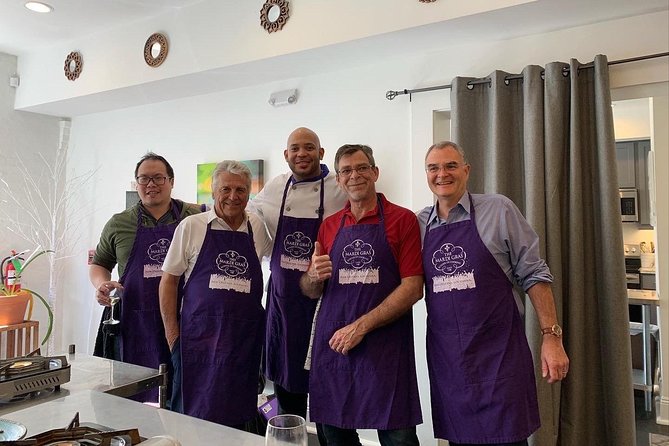
The class begins at The Mardi Gras School of Cooking, at 519 Wilkinson Street in New Orleans. The address is near public transportation, and the activity ends at the same location, which keeps the outing simple to plan around a day in the French Quarter.
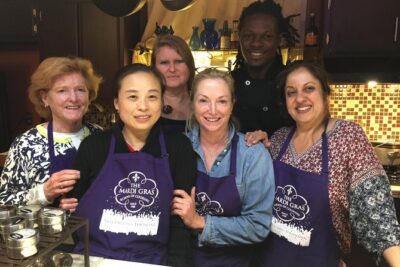
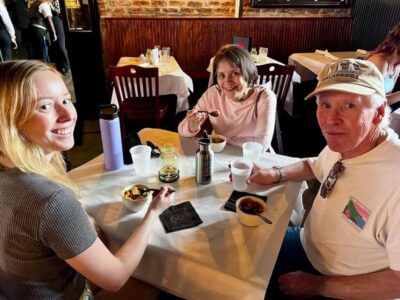
You start by getting acquainted with the other people in your class. That opening matters more than it might sound. Cooking beside strangers can feel awkward for the first few minutes, but a shared cutting board and a pot of jambalaya tend to solve that problem quickly.
The class has a maximum of 10 people. That is not the same as a private lesson, but it is small enough to feel more personal than a large demonstration. The exact rhythm depends on the chef and the group. Mark, Raymond, Preston, Erika, Jason, and David have all led sessions, and each brings a different mix of stories, humor, and teaching style.
The school itself has been described as bright, clean, organized, and well set up for group cooking. That is useful information for anyone who worries about crowded counters or a chaotic kitchen. The setting is practical rather than formal, with the emphasis on cooking and conversation.
More cooking classes in New Orleans:
- New Orleans Demonstration Cooking Class with Meal
★ 5.0 · 3,000 reviews - New Orleans Hands-On Cooking Class with Meal
★ 5.0 · 1,183 reviews - New Orleans: Cajun and Creole Cooking Class
★ 4.9 · 730 reviews
Three hours of cooking, eating, and stories
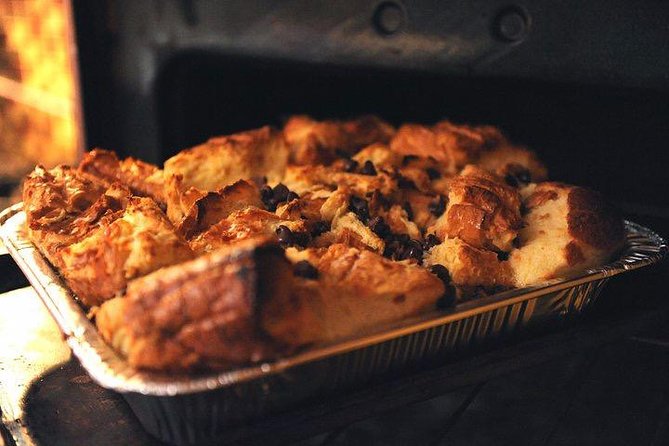
The session lasts about three hours. You put on an apron, meet your classmates, and begin working through the menu with your chef. The class is paced so the dishes can be prepared, cooked, and eaten during the same visit.
Three hours may sound long if you are mainly looking for lunch. It makes more sense if you see this as a meal plus a lesson. The chefs explain professional techniques, seasoning choices, and recipe preparation as you work. You also hear about Louisiana cooking and the traditions behind Cajun and New Orleans food.
The teaching style is built around participation. You are not simply watching a chef cook a finished dish while trying to remember the steps. You help prepare the food and see how the parts come together. That makes the class a better choice for anyone who wants to repeat the recipes at home.
The pace is another strength. It is described as clear and steady, not too fast and not too slow. That can matter in a cooking class, where a rushed demonstration leaves you with a plate of food but no real sense of how to make it again.
At the same time, this is a group class. The chef has to keep several people moving together, so you should not expect a private cooking lesson tailored entirely to your skill level. If your main goal is advanced culinary training, this may feel introductory. If you want useful home-cooking methods in a friendly setting, the format fits well.
Barbecue shrimp, with a very New Orleans first course
The starter is New Orleans-style barbecue shrimp. Despite the name, this is not presented as a backyard grilling course. The dish is known for its sauce, and the class gives you a chance to learn how that flavor is built and how the shrimp are prepared.
This first course is a good test of the class format. You learn how seasoning, timing, and sauce work together, rather than treating the shrimp as an isolated ingredient. Several people have singled out the sauce as a favorite part of the meal.
Barbecue shrimp also gives the chef room to explain the local character of New Orleans cooking. The dish is a useful example of how a relatively simple main ingredient can become something memorable through seasoning and sauce.
If you are less confident in the kitchen, this is the sort of recipe that can help. It looks special enough for company but is not described as needlessly complicated. The class focuses on making the steps clear, which gives you a better chance of trying it again after the trip.
Chicken and andouille jambalaya as the main course
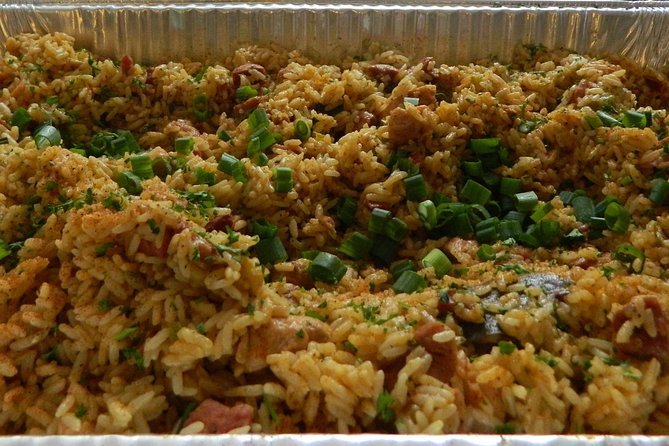
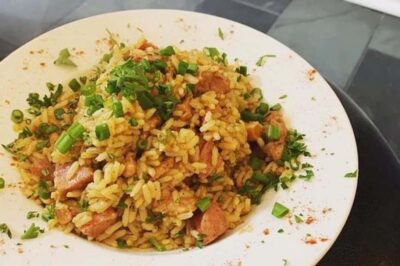
The main dish is chicken and andouille sausage jambalaya. This is the most substantial part of the meal and the clearest expression of the class’s Cajun focus.
Jambalaya is also where timing becomes important. Chicken, sausage, rice, seasoning, and cooking liquid have to come together in the right order. A chef can show you details that are easy to miss in a written recipe, such as when to add ingredients and how to judge the progress of the pot.
The class also explains how Cajun dishes developed and how New Orleans cooking relates to Cajun and Creole traditions. The exact amount of food history depends on the chef, but it is part of the lesson rather than an unrelated lecture.
The recipe is described as approachable enough to make at home. That is a useful point for you to consider before booking. This is not a showy dish that requires rare equipment or specialist ingredients, at least according to the instruction provided in class. You leave with a better sense of how to build a one-pot meal with strong flavor.
Some people have called this the best meal of their New Orleans visit. That does not mean the class can guarantee your favorite restaurant meal, of course. It does mean the meal is treated as the payoff for the work, not as an afterthought.
A different side of New Orleans for another evening:
- New Orleans Premier Ghost, Voodoo and Vampire Walking Tour
★ 4.5 · 12,856 reviews - New Orleans Steamboat Natchez Jazz Cruise with Dinner Option
★ 4.0 · 7,533 reviews - Adults-Only New Orleans Ghost, Crime, Voodoo, and Vampire Tour
★ 5.0 · 6,545 reviews - New Orleans Food Walking Tour of the French Quarter with Small-Group Option
★ 5.0 · 6,118 reviews
Chocolate bread pudding with brandy mocha sauce
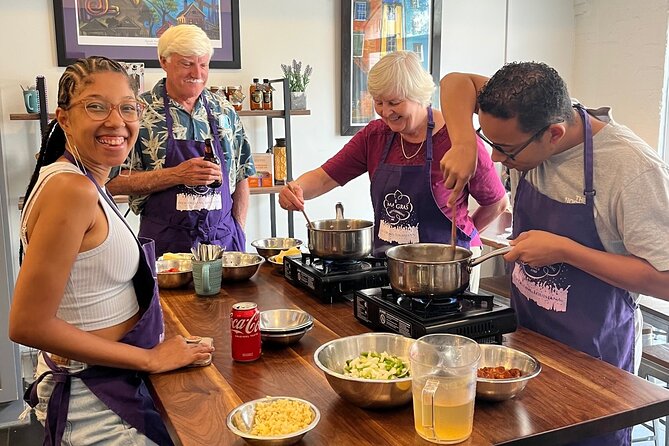
Dessert is chocolate bread pudding served with brandy mocha sauce. For many people, this may be the surprise favorite of the three courses.
The bread pudding lesson is more than a quick recipe card. One session included a small adjustment suggested by a participant: adding the remaining chocolate chips on top before baking. The chef accepted the idea, and it became a memorable example of the give-and-take that can happen in a hands-on class.
That story also captures the mood of the experience. You are learning from the chef, but you are not expected to stay silent or follow instructions mechanically. Questions and suggestions can become part of the cooking conversation.
The dessert is practical for home cooks, too. Bread pudding uses familiar ingredients, but the brandy mocha sauce gives it a more festive finish. If you want a recipe for family gatherings rather than another complicated restaurant technique, this course has clear appeal.
One practical note: the class may not always provide take-home containers. Some people have been able to bring leftovers home, while another participant suggested that containers be offered as an optional added cost. If you are hoping to save part of the meal, ask about this before or during the class rather than assuming it is included.
The chefs make the difference
The school uses several chefs, and the personality of your instructor will shape the session. Mark is praised for sharing family stories and making the recipes feel easy to approach. Raymond is described as funny, personable, and good at keeping the class involved. Preston adds food history along with tips and instruction.
Erika has been especially associated with explanations of New Orleans, Cajun, and Creole traditions. Jason is described as giving clear, step-by-step instruction, while David is noted for taking time to get to know each person in a family group.
You should not book this expecting one guaranteed chef unless your reservation specifically identifies the instructor. The benefit is that the teaching style appears to be consistent in the areas that matter most: clear instructions, good conversation, and attention to the food.
The best instructors do more than recite a recipe. They explain why a step matters, help you correct a mistake, and add useful suggestions for cooking at home. That kind of teaching came up again and again, especially around knife skills, seasoning, timing, and techniques that can be used beyond Cajun food.
Who will get the most from this class
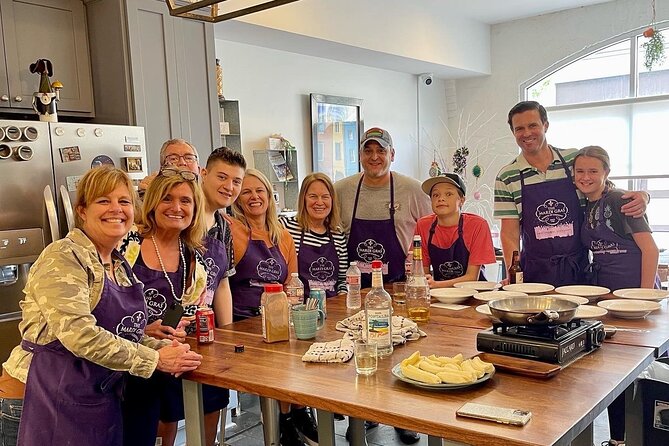
This experience suits couples, families, friends, solo visitors, and locals who want to do something more active than sit at a restaurant. It is also a strong choice if you have visited New Orleans before and want a new way to connect with the city’s food culture.
Families should note that an 11-year-old has taken part successfully, and the class has worked well for family groups. Children who already enjoy cooking may get the most from it, since the appeal is in making the meal rather than simply eating it.
You do not need to be an experienced cook. The instruction is aimed at teaching the recipes and techniques step by step. At the same time, serious home cooks should not expect a high-level professional course. The class is about useful skills, local food traditions, and a good shared meal.
It is also a good option for people with modest food restrictions. One class accommodated minor restrictions, but the available information does not promise that every dietary need can be met. Contact the provider before booking if your restrictions are significant.
Is $163.85 a fair price?
At $163.85 per person, this is not a cheap way to have lunch. You can find less expensive meals in New Orleans, and a restaurant meal does not ask you to spend three hours preparing it.
The value comes from combining several things: instruction, food, the chef’s stories, a social setting, and the chance to recreate the dishes later. You are paying for an activity as much as a meal. If you would happily spend an afternoon learning recipes and meeting people, the price is easier to justify.
The small maximum of 10 helps. A very large class would make the cost harder to defend because your time with the chef would be limited. Here, the format gives you a reasonable chance to participate and ask questions.
I would book it for a special trip, a family activity, or a food-focused visit. I would skip it if you only want a quick meal or if your budget is tight. The 4.9 rating from 132 ratings and 99 percent recommendation figure suggest a dependable experience, but your personal value calculation still depends on how much you enjoy cooking.
The class also offers group discounts, which can improve the price for a larger party. Confirmation arrives at booking, mobile tickets are accepted, and the experience is offered in English.
Plan the class around your New Orleans day
The class starts and ends at 519 Wilkinson Street, so you do not need to arrange a separate return transfer. Since the address is near public transportation, you can fit it into a day of sightseeing without adding a complicated transport plan.
Allow the full three hours. Do not schedule a tight reservation immediately afterward, since the class includes preparation, cooking, conversation, and the meal itself. The activity is best treated as a main part of your day, not a quick stop between attractions.
You should also book ahead. It is booked an average of 29 days in advance, which suggests that waiting until the last minute may be risky, particularly for a preferred date or group size.
Cancellation is flexible up to 24 hours before the experience for a full refund. That gives you some protection if your New Orleans plans change, though you should still check the terms attached to your booking.
My call: book it if you want to cook, not just eat
I would recommend the Hands-on Cajun Traditions Cooking Class if you want a practical food experience with real participation. The strongest reasons are the small group limit, the three-course menu, the useful home-cooking tips, and the chance to learn from chefs who add local stories to the recipes.
I would be more cautious if you are mainly comparing restaurant prices. At $163.85, the meal alone does not explain the cost. You need to value the lesson, the social time, and the recipes you can take home.
For food lovers, families with children who enjoy cooking, and repeat visitors looking for something different, this is a solid pick. Book it with enough notice, ask about food restrictions and leftovers, and arrive ready to chop, stir, listen, and eat.
FAQ
Where does the cooking class begin?
The class begins at The Mardi Gras School of Cooking, 519 Wilkinson Street, New Orleans, Louisiana 70130.
Where does the activity end?
The activity ends back at the same meeting point.
How long does the class last?
The experience lasts approximately three hours.
What dishes will I prepare?
You will prepare New Orleans-style barbecue shrimp, chicken and andouille sausage jambalaya, and chocolate bread pudding with brandy mocha sauce.
How many people can attend?
The class has a maximum of 10 participants.
Is the class offered in English?
Yes. The experience is offered in English.
Is the location near public transportation?
Yes. The meeting point is near public transportation.
How much does the experience cost?
The listed price is $163.85 per person. Group discounts are available.
Can I cancel for a full refund?
Yes. You can cancel up to 24 hours before the experience for a full refund.
More Workshops in New Orleans
- Hands-on Cajun Roux Cooking Class in New Orleans
★ 5.0 · 356 reviews - New Orleans Cooking Class and Cocktail Walking Tour
★ 4.5 · 109 reviews - New Orleans: Cooking Class & Cocktail Walking Tour
★ 4.7 · 16 reviews - New Orleans: Traditions Cooking Class
★ 5.0 · 9 reviews
Newest New Orleans tours we have written up
- New Orleans: 1.5-Hour Voodoo History Evening Tour★ 4.5 · 34 reviews
- New Orleans: Voodoo History Guided Walking Tour★ 4.8 · 3 reviews
- New Orleans: Voodoo, Storyville, and Treme Walking Tour★ 3.3 · 3 reviews
- New Orleans: Voodoo Legends, Vampires & Magic Walking Tour★ 3.0 · 4 reviews
- New Orleans: 1.5-Hour Vampire Tour of the French Quarter★ 4.8 · 30 reviews
- New Orleans: VIP Bar and Club Crawl Tour with Free Shots★ 4.5 · 39 reviews
- New Orleans: Traditions Cooking Class★ 5.0 · 9 reviews
- New Orleans: Tombs and Mansions of the Garden District★ 4.6 · 4 reviews
New Orleans Cooking Classes, compared.
New Orleans Demonstration Cooking Class with Meal
Read our review →
New Orleans Hands-On Cooking Class with Meal
Read our review →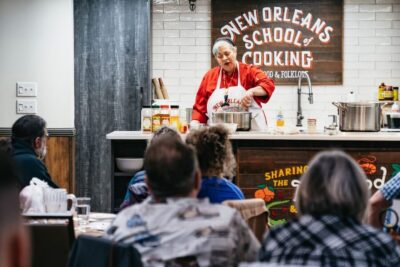
Hands-on Cajun Roux Cooking Class in New Orleans
Read our review →
New Orleans Cooking Class and Cocktail Walking Tour
Read our review →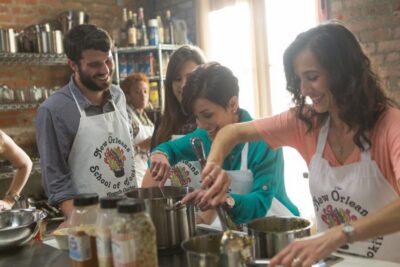
Browse the lists this tour appears in