
Reviewed · NEW ORLEANS BLACK HERITAGE TOURS
New Orleans African American Heritage Walking Tour
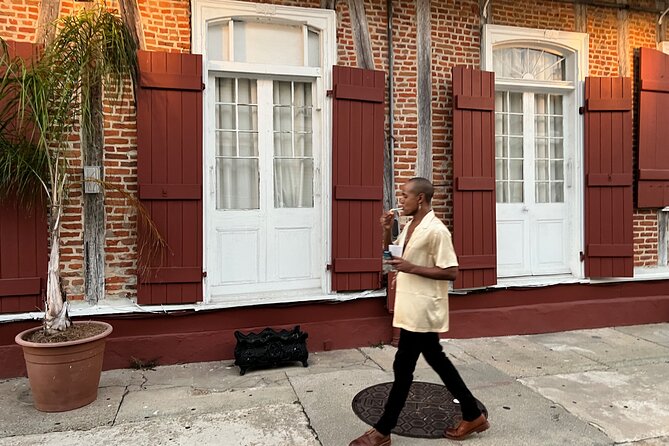
New Orleans African American Heritage Walking Tour puts the city’s African roots at the center of the story. You’ll learn how people from Senegambia, Benin, and the Congo were brought to Louisiana, then see how their work, beliefs, music, food, and building skills shaped New Orleans. I especially like the visit to Congo Square, where enslaved Africans and free Black residents gathered to trade, dance, make music, and socialize. I also like the focus on the living culture behind familiar New Orleans traditions, not just on old buildings.
The tour is a good value at $29 for about two hours with a guide, especially if you want context before exploring on your own. It is also a walking tour in a historic district, so expect uneven streets, heat, and a fair amount of standing. One important consideration: almost all feedback is highly positive, but one serious complaint describes a guide pressuring a participant about a tip. Tips are optional, and you should never feel forced to pay more than you choose.
Key points at a glance
- Congo Square anchors the experience: Spend about 45 minutes in Armstrong Park learning how African traditions survived in colonial New Orleans.
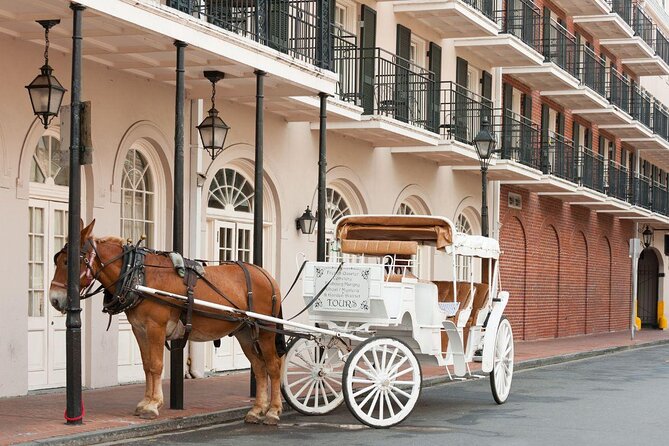
- The French Quarter gets a different reading: The final 75 minutes connect Black history to jazz, voodoo, dance, Creole food, and architecture.
- Local guides shape the tour: Guides named Keynin, Keenan, Mika, and Meka are praised for warmth, storytelling, and strong knowledge of New Orleans.
- It goes beyond the usual postcard version: The tour addresses enslavement, labor, survival, faith, and cultural influence.
- The group can reach 30 people: A smaller group may feel more personal, while a full group could make questions and street listening harder.
- The timing works well for a first afternoon: The 4:00 pm start leaves the morning and early afternoon open for other sights.
Why this history belongs at the start of your New Orleans visit
It is easy to experience New Orleans as a collection of pretty balconies, brass bands, cocktails, and restaurants. This walk asks you to look underneath that surface. The city was built in large part through the forced labor of Africans and their descendants, and the culture they sustained still shapes what you hear, eat, see, and practice here.
The tour begins with the arrival of African people in French Louisiana. People from the Senegambia region were forcibly brought to New Orleans beginning in 1719, within a year of the city’s founding. About 5,000 Africans survived the Middle Passage during the 1720s. In the 1780s, the Spanish brought a similarly large group from areas connected to Benin and the Congo.
Those numbers matter because they show that African influence was not a small side note added later. Enslaved people cleared forests, raised crops, and built infrastructure. They also carried languages, religious ideas, musical forms, cooking methods, craft skills, and social customs into a city that was still taking shape.
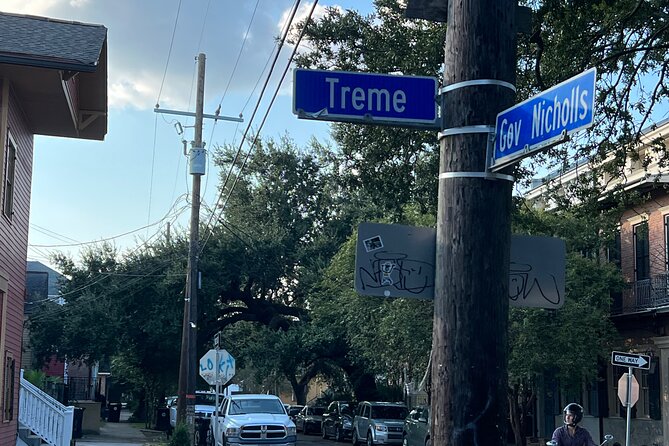
I like tours that connect historical facts to places you can actually stand. Here, the guide does not leave the story in a textbook. You walk through the edge of the French Quarter and Faubourg Tremé, hear about people who lived and worked there, and consider how African traditions continued under difficult conditions.
More Black heritage tours in New Orleans:
- Soul of New Orleans City Tour: Enslavement to Modern Day Culture
★ 5.0 · 393 reviews - New Orleans: Tremé African American & Creole History Tour
★ 4.9 · 208 reviews - Urban Enslavement Tour at Hermann Grima House
★ 5.0 · 171 reviews
Congo Square and the space to keep culture alive
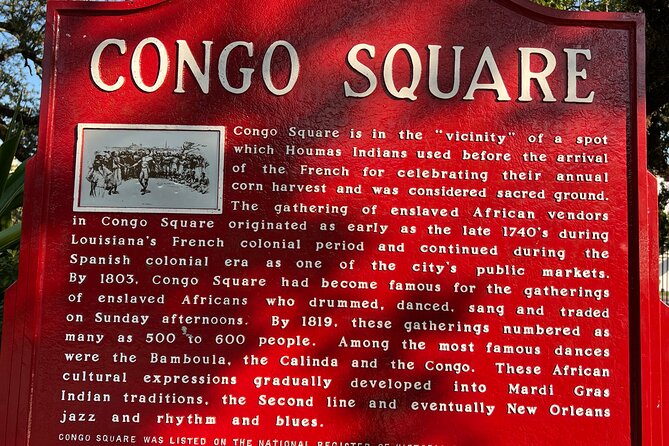
The first stop takes about 45 minutes in Congo Square, now part of Armstrong Park at the edge of the French Quarter. This is the emotional center of the walk.
During the colonial era, hundreds of African slaves and laborers gathered here to trade goods, play music, dance, and socialize. That simple description carries a lot of weight. Enslavement tried to control nearly every part of a person’s life, yet Congo Square became a place where people maintained community and expressed traditions brought from Africa.
Your guide may point out the setting, explain how the square functioned, and connect its music and dance to later New Orleans culture. The value is not only in learning that people gathered there. It is in understanding the gathering as an act of survival and cultural persistence.
One particularly memorable detail from the tour experience is the attention paid to offerings under an old tree in Louis Armstrong Park. You may find that small present-day sign more affecting than a formal monument. It links current spiritual practice with the older beliefs discussed during the walk.
The stop is free, since admission to the park is included simply by walking there. Still, the quality of the explanation matters. A plaque can tell you what Congo Square was called. A strong guide can help you think about who used it, what they risked, and why music and community mattered so much.
The French Quarter beyond balconies and nightlife
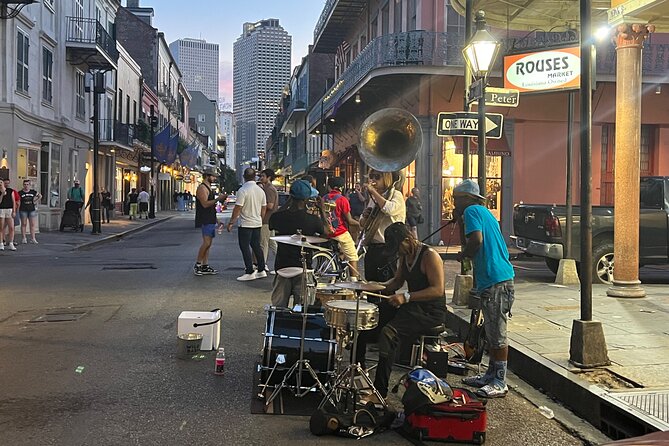
The second portion lasts about 75 minutes and moves through the French Quarter with an African American focus. This is not a standard architecture stroll with a few extra facts added. The goal is to show how Black New Orleanians shaped the traditions that many people now treat as symbols of the city.
The guide discusses the roots of jazz music, dance, voodoo, Creole food, and architecture. These subjects are connected, not separate boxes. Music grows from community and ceremony. Food reflects available ingredients, inherited techniques, and cultural exchange. Buildings and streets reveal who had the power to own property, work, gather, or move through the city.
The tour’s strongest feature is its attention to context. You may already know that New Orleans is associated with jazz or Creole cooking. This walk helps you ask who created those traditions and how African American culture continued to influence them.
Architecture can also tell a more difficult story than the usual pretty-picture version. Buildings were constructed and maintained by people whose labor was often unpaid or controlled. A guide who connects physical places to the people who made the city helps you see the French Quarter with sharper eyes.
The route also moves beyond the French Quarter itself. Several participants appreciated learning about areas and stories outside the narrow tourist core. That is useful if this is your first New Orleans visit and you want a stronger sense of the city than you get from bars, restaurants, and souvenir shops.
Guides who make the difference
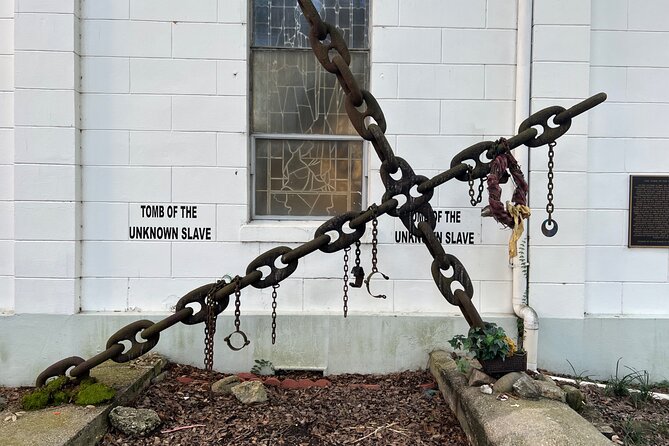
This is a guide-led experience, so the person leading it matters more than any printed route. The most praised guides are Keynin, Keenan, Mika, and Meka. Names may vary by date, but the repeated strengths are clear: local connection, enthusiasm, patience, and the ability to answer questions.
Keynin is described as a New Orleans native and local musician. His approach appears to combine formal historical information with personal knowledge of the city and its culture. He also recommended a place for a po’boy to one participant, which is the sort of practical local tip that can make the afternoon more useful.
Mika and Meka are praised for making difficult subjects understandable without flattening them. That balance matters. A tour about enslavement, discrimination, and cultural survival should not turn into a light entertainment program, but it also needs a guide who can speak naturally and engage with questions.
A few people specifically valued the relaxed conversation. That can make a two-hour walk feel personal rather than like a lecture. You may also hear stories that are not part of the standard tourist script, including local legends and one especially scary tale that a guide may share if asked.
The guide quality is not guaranteed on every departure, and one participant reported a serious dispute over tipping with a guide. I would treat that as an important warning, not a reason to dismiss the entire experience. Pay what you feel the tour deserves, and remember that a tip is your choice.
A few more New Orleans tours worth comparing
- New Orleans Garden District History Walking Tour
★ 5.0 · 2,879 reviews - French Quarter Historical Sights and Stories Walking Tour
★ 5.0 · 2,724 reviews - New Orleans Small-Group Haunted History Carriage Tour
★ 4.5 · 2,289 reviews - New Orleans Haunted History Ghost Tour
★ 4.5 · 2,084 reviews
What the $29 price really buys you
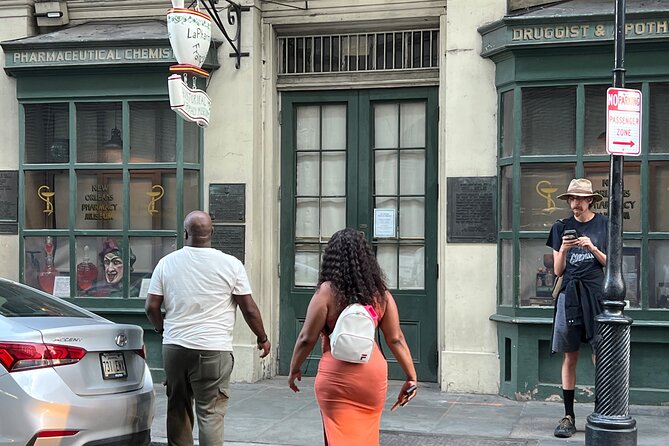
At $29 per person, the main purchase is interpretation. You are not paying for museum admission, food, drinks, or transport. You are paying for two hours of guided walking and a framework that can change how you understand the rest of your time in New Orleans.
That is fair value if you want historical context and prefer learning outdoors. The guide links several subjects that would otherwise require separate research: the arrival of Africans in Louisiana, colonial labor, Congo Square, religion, music, food, dance, and architecture.
The value is stronger if you are willing to listen and ask questions. It is less compelling if you only want a quick photo stop or a general overview of the French Quarter. The walk is not built around attractions with admission tickets, so the experience depends on the guide’s storytelling and your interest in the subject.
The group may include as many as 30 people. That is large enough to affect the feel of the walk, especially on busy streets or during questions. At the same time, the available feedback suggests that guides often make an effort to engage individuals and adjust to the group.
Timing, meeting point, and walking demands
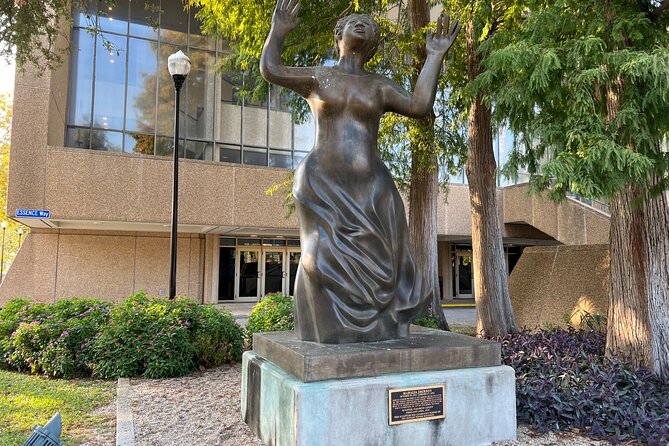
The tour begins at 4:00 pm at 401 Decatur Street and ends back at the same meeting point. The afternoon start is convenient if you want to visit another attraction earlier, eat before the walk, or spend the morning getting oriented.
The return to the starting point also makes dinner planning easier. Since the guide may suggest a po’boy stop, you can ask for a recommendation, but food and drinks are not included in the $29 price.
Plan for about two hours on foot. Wear comfortable shoes and bring water, especially in warm weather. You will be outside for the whole experience, and the historic streets may not be easy for every person to navigate.
Most people can participate, and service animals are allowed. One family used a rented wheelchair so an older parent could join, and the guide was described as patient and accommodating. That is encouraging, but you should still consider your own comfort with the route and ask the provider about specific mobility needs before booking.
The tour is near public transportation. You receive confirmation when you book, and the mobile ticket makes it easy to keep the reservation on your phone.
Who will get the most from this walk
I would choose this tour if you want New Orleans history presented through African American experience rather than as a side topic. It is especially useful early in your visit, before you spend time sampling restaurants, listening to music, or exploring the French Quarter on your own.
It suits:
- First-time visitors who want context for the city’s famous food and music
- People interested in African American history and cultural survival
- Families and couples who prefer a conversational walking tour
- Visitors who want a local guide rather than a self-guided route
- Anyone who wants to see Congo Square and understand why it matters
It may not suit you if long periods of walking or standing are difficult, or if you want a tour focused mainly on architecture, cocktails, ghost stories, or famous buildings. While a scary story may be available, this is fundamentally a history and culture tour.
A thoughtful way to see New Orleans
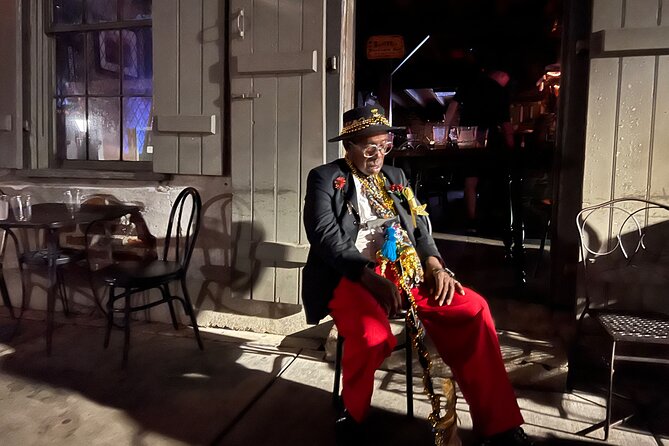
The most useful thing about this experience is the shift in emphasis. You do not simply hear that jazz, Creole food, and voodoo are part of New Orleans. You learn to connect them to African people who endured forced migration, created community, and kept cultural practices alive in a changing city.
I also appreciate that the tour does not treat history as finished. The offerings under a tree in Armstrong Park, the continued importance of music, and the guide’s attention to local stories all point to a culture that remains present.
Book it if you want a serious, affordable introduction to the people and traditions behind New Orleans. Choose it with realistic expectations: you are getting a two-hour outdoor walk, not a museum visit or food tour. For the best experience, arrive ready to listen, wear good shoes, and ask questions.
FAQ
How long is the New Orleans African American Heritage Walking Tour?
The tour lasts approximately two hours.
What time does the tour begin?
The tour starts at 4:00 pm local time.
Where does the tour meet?
The meeting point is 401 Decatur Street, New Orleans, Louisiana 70130.
Where does the tour end?
The activity ends back at the meeting point on Decatur Street.
What places are visited?
The route includes Congo Square in Armstrong Park and the French Quarter, with a focus on African American culture and history.
Is food included in the tour price?
No. Food and drinks are not included.
How much does the tour cost?
The price is $29 per person.
Can I cancel for a full refund?
Yes. You can cancel at least 24 hours before the start time for a full refund. Cancellations or changes made less than 24 hours before the start time are not refunded or accepted.
More Walking Tours in New Orleans
- New Orleans Premier Ghost, Voodoo and Vampire Walking Tour
★ 4.5 · 12,856 reviews - New Orleans Food Walking Tour of the French Quarter with Small-Group Option
★ 5.0 · 6,118 reviews - St. Louis Cemetery No. 1 Official Walking Tour
★ 4.5 · 3,941 reviews - New Orleans French Quarter, Voodoo and Culture Walking Tour
★ 4.5 · 2,961 reviews
Newest New Orleans tours we have written up
- Private Hotel & Airport Transfers in New Orleans Area One Way★ 5.0 · 7 reviews
- New Orleans : Best of Ghost & Voodoo Experience Walking Tour★ 3.0 · 8 reviews
- Private Transfer: Louis Armstrong Airport MSY to New Orleans in Luxury SUV★ 5.0 · 5 reviews
- N’awlins Luxury: Whitney Plantation Tour with Transportation★ 4.5 · 20 reviews
- N’awlins Luxury: Whitney Plantation & Pontoon Swamp Tour w/Transportation★ 5.0 · 15 reviews
- Full-Day Laura Plantation & Airboat Swamp Tour with Pick up★ 4.5 · 3 reviews
- Full-Day Oak Alley Plantation & Airboat Swamp w/Transfer★ 4.5 · 5 reviews
- Full-Day Whitney Plantation & Airboat Swamp Tour w/Transfer★ 4.5 · 12 reviews
New Orleans Black Heritage Tours, compared.
Soul of New Orleans City Tour: Enslavement to Modern Day Culture
Read our review →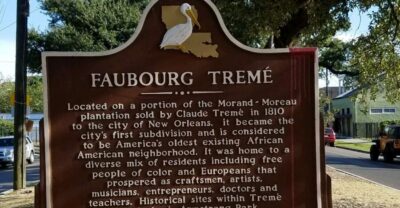
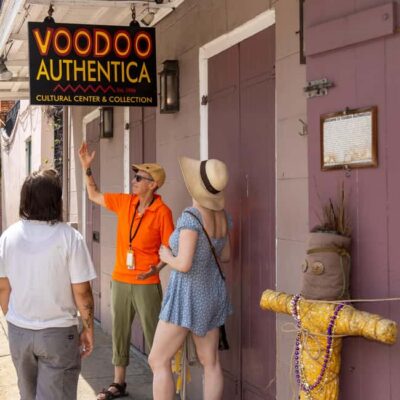
True Voodoo History of NOLA’s Congo Square with Local Guide
Read our review →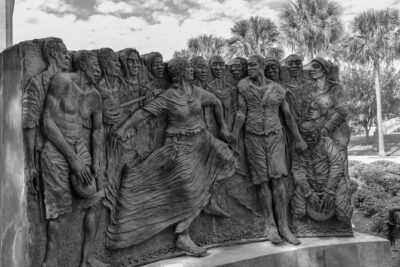
Soul of New Orleans City Tour:Enslavement to modern culture
Read our review →
Browse the lists this tour appears in