
Reviewed · NEW ORLEANS COOKING CLASSES
New Orleans: Traditions Cooking Class
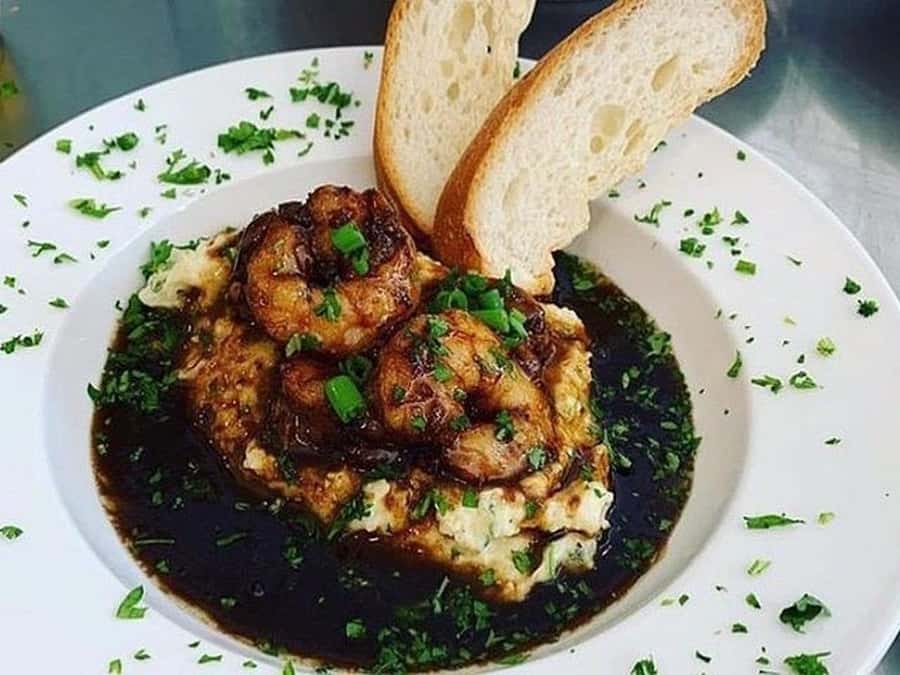
New Orleans cooking is best understood with a spoon in your hand, and this three-hour class puts you to work on three local staples: barbecue shrimp, chicken and andouille jambalaya, and chocolate bread pudding with brandy mocha sauce. The New Orleans-style shrimp is the unusual star, since it is not the backyard barbecue dish many people expect.
I like the small group of no more than 10, which gives the chef room to answer questions and correct mistakes. I also like the mix of cooking and local food history, taught by friendly instructors such as Raymond, Erika, and Coach. The main drawback is the price: at $157 per person, it is a splurge, especially if you are mainly looking for a meal rather than hands-on instruction.
Key points
- Three classic dishes: Prepare New Orleans-style barbecue shrimp, chicken and andouille sausage jambalaya, and chocolate bread pudding.
- Small class size: With a maximum of 10 participants, you get personal guidance instead of watching from the back of a large room.
- Practical instruction: Learn seasoning methods, professional kitchen techniques, and ways to fix common cooking mistakes.
- Local context: The chefs explain how Cajun and Creole cooking differ and how iconic dishes developed.
- Drinks included: Wine, beer, sodas, and water are served with the cooking session and meal.
Three Louisiana classics in one working session
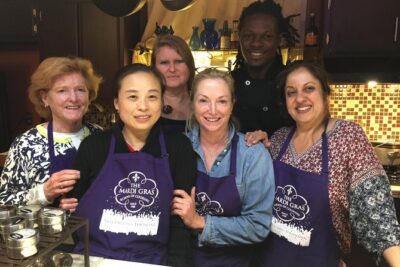
The Traditions Cooking Class gives you a compact introduction to Cajun and Creole food without asking you to spend a full day in a kitchen. You arrive at the Mardi Gras School of Cooking, check in at Suite 101 on the ground level, meet the other participants, put on an apron, and get ready to cook.
The format is social from the start. You are not simply seated while a chef performs in front of you. Each student takes part in preparing the recipes, learning the methods behind the food, and helping create the meal served at the end.
The menu is well chosen for a first taste of Louisiana cooking. Jambalaya shows how rice, meat, stock, and seasoning come together in one pot. Barbecue shrimp introduces you to a New Orleans preparation with a name that can be misleading if you expect grilled shrimp. Dessert finishes the session with chocolate bread pudding and a brandy mocha sauce.
You should expect a meal with plenty of flavor. You should also expect to learn why the seasoning matters, not just which ingredients to put in a bowl.
More cooking classes in New Orleans:
- New Orleans Demonstration Cooking Class with Meal
★ 5.0 · 3,000 reviews - New Orleans Hands-On Cooking Class with Meal
★ 5.0 · 1,183 reviews - New Orleans: Cajun and Creole Cooking Class
★ 4.9 · 730 reviews
Meeting the chefs and settling into the kitchen
The class begins in a relaxed setting, giving you time to meet your classmates before the cooking starts. That matters because the social side is part of the appeal. With only 10 people, you are likely to spend the session working near the chef and sharing the meal with the same small group.
Several instructors are named in the class feedback. Raymond is described as an entertaining teacher who combines clear instruction with years of experience. Erika is noted for explaining the history of Cajun and Creole cooking, comparing different cooking styles, and taking time with questions. Another instructor known as Coach is praised for making the room feel like a dinner party while still teaching useful kitchen skills.
You may not have one specific chef assigned until the day of your class, so it is best to think of Raymond, Erika, and Coach as examples of the teaching style rather than a guaranteed lineup. The common thread is direct, friendly instruction rather than a formal lecture.
The English-language format is straightforward. If you need another language, this class is not designed for that. Children under 10 are not permitted, so the atmosphere is aimed at older children, teens, and adults.
Barbecue shrimp, the New Orleans way
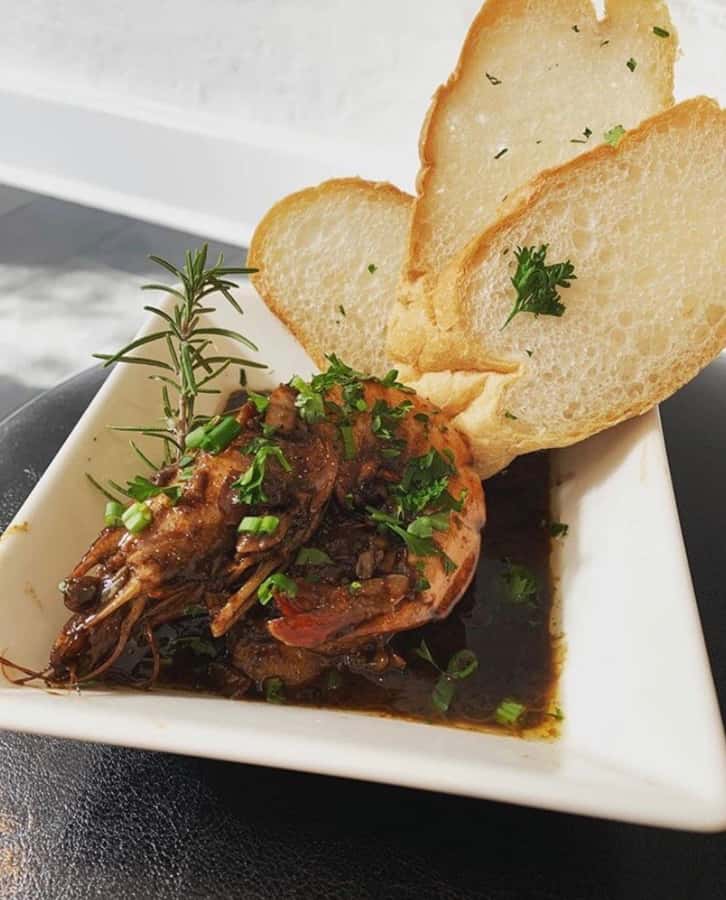
The first major dish is New Orleans-style barbecue shrimp. This is a useful dish for understanding how local cooking often takes a familiar idea and sends it in a different direction.
The name can set the wrong expectation. You are not simply grilling shrimp with bottled barbecue sauce. The preparation has its own New Orleans identity, built around seasoning and a flavorful sauce. The class teaches the method rather than leaving you with a vague taste of the finished dish.
This is one of the best reasons to take the class instead of ordering another shrimp plate at a restaurant. You learn what creates the dish’s character and how to approach the seasoning at home. The chef can also explain the choices that make this version distinct from other barbecue shrimp recipes.
The class descriptions stress professional techniques and seasoning secrets. That is important here. Shrimp cook quickly, and strong seasoning can easily become unbalanced. Hands-on guidance gives you a better chance to see how the dish comes together and how to avoid common errors.
The supplied information does not specify every ingredient or cooking step, so you should not expect a printed breakdown of every kitchen detail before arriving. The value is in learning the method directly from the instructor and tasting the result with your group.
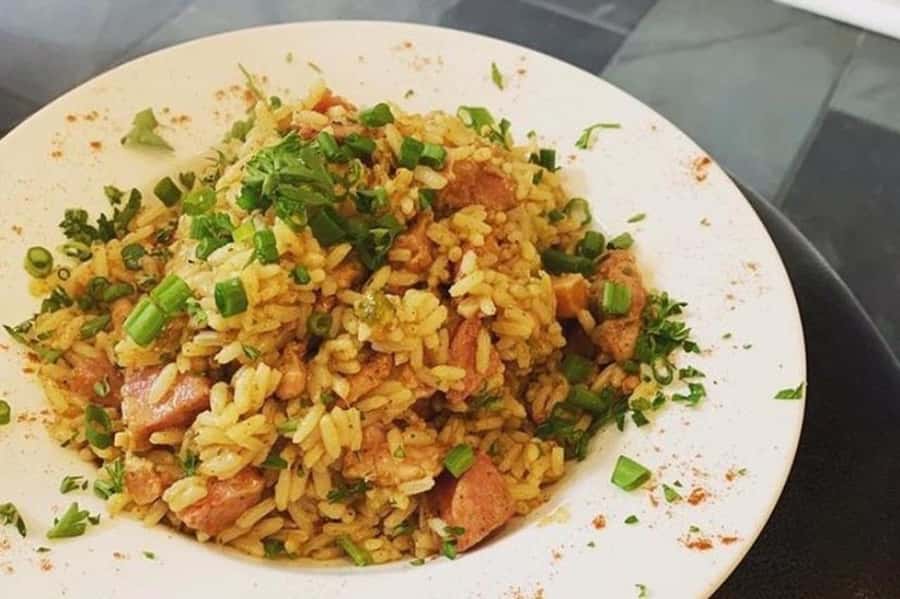
Chicken and andouille jambalaya
Jambalaya is the heartier part of the menu. The class uses chicken and andouille sausage, two ingredients that give the dish a sturdy, savory base.
Jambalaya also makes a good teaching dish because several techniques meet in one pot. You need to build flavor, handle the meat properly, season the mixture, and cook the rice without turning it into a sticky mess. The chef’s instruction can help you understand timing and balance, two things that are harder to learn from a recipe alone.
The andouille brings a distinctly Louisiana character to the dish. If you have eaten jambalaya before, you may still pick up useful differences in seasoning or preparation. If this is your first time, it gives you a clear introduction to one of the region’s best-known meals.
The class does not present Cajun and Creole food as a single, interchangeable category. Part of the session explains different cooking styles and the background of the dishes. That context makes the meal more meaningful. You are not just mixing meat and rice. You are learning how local food traditions use available ingredients, bold seasoning, and communal cooking.
Jambalaya is also a practical recipe to take home. Unlike a highly technical pastry or a dish requiring rare equipment, it is the sort of food you can imagine making for friends. The instructors focus on techniques and ways to recover from mistakes, which is useful when you repeat the dish in your own kitchen.
A different side of New Orleans for another evening:
- New Orleans Premier Ghost, Voodoo and Vampire Walking Tour
★ 4.5 · 12,856 reviews - New Orleans Steamboat Natchez Jazz Cruise with Dinner Option
★ 4.0 · 7,533 reviews - Adults-Only New Orleans Ghost, Crime, Voodoo, and Vampire Tour
★ 5.0 · 6,545 reviews - New Orleans Food Walking Tour of the French Quarter with Small-Group Option
★ 5.0 · 6,118 reviews
Chocolate bread pudding with brandy mocha sauce
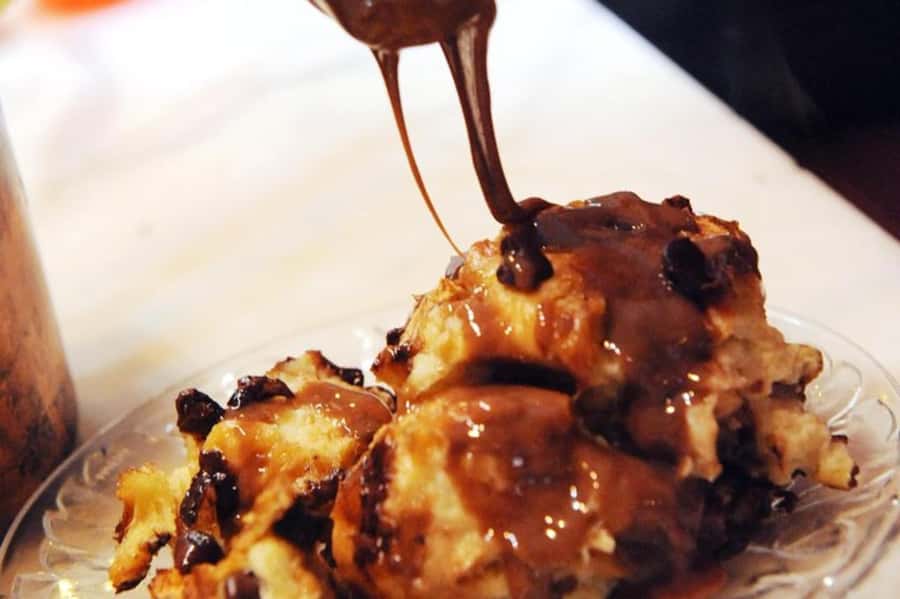
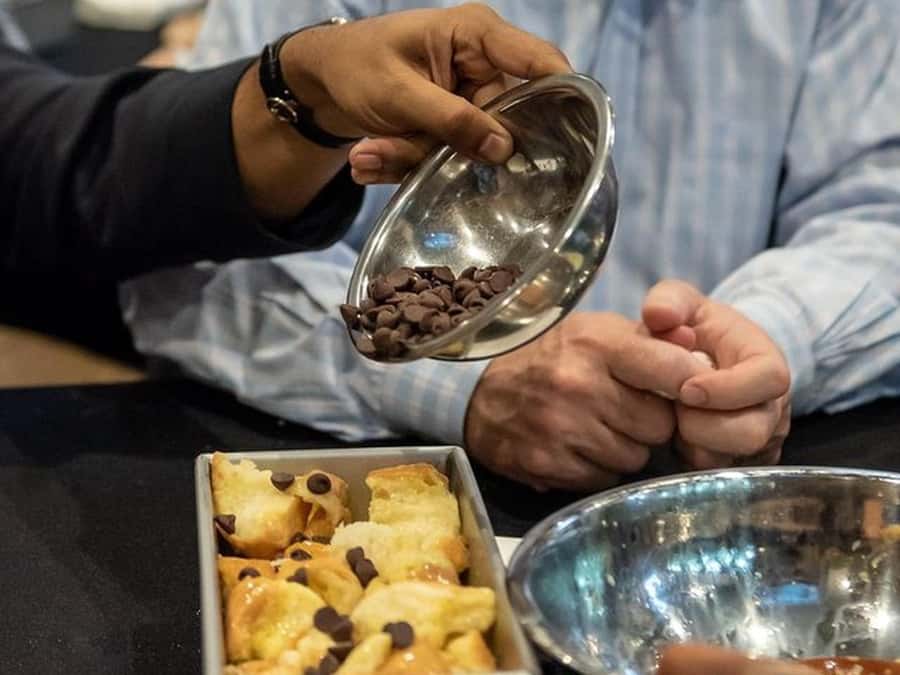
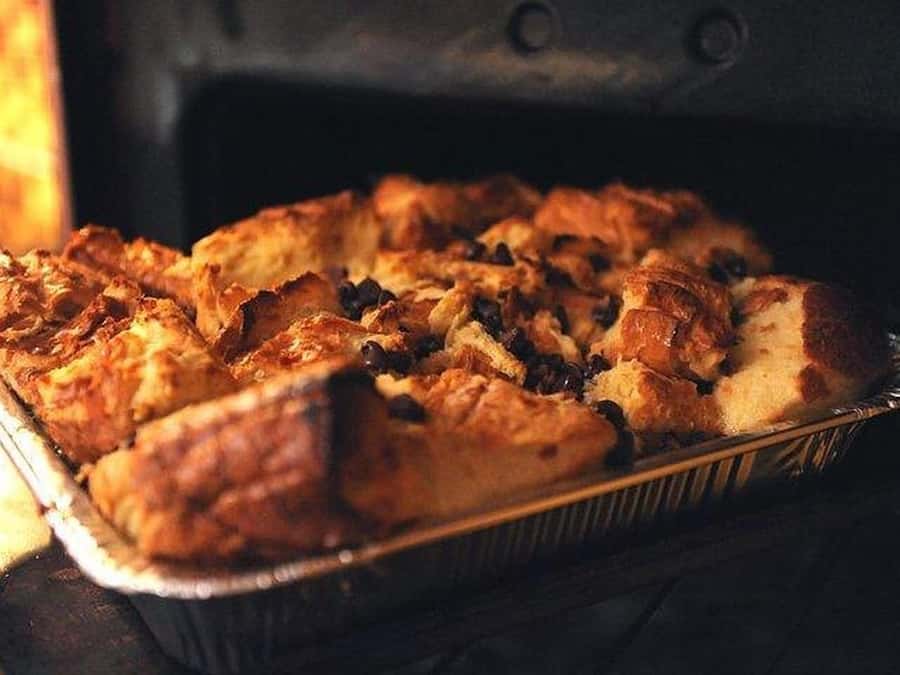
Dessert brings a sweeter finish to the menu: chocolate bread pudding with brandy mocha sauce. It is a fitting New Orleans-style ending because bread pudding turns a simple base into a rich, comforting dessert.
The sauce gives the dish its special touch. Brandy and mocha add more depth than a plain bread pudding topping, while the chocolate keeps the dessert familiar enough for most tastes. You prepare it as part of the same class, then enjoy it after the savory dishes.
Dessert also changes the pace of the session. After working with shrimp, chicken, sausage, and rice, you get to see how the same attention to timing and seasoning applies to baking and sauce making. It rounds out the menu instead of giving you three similar savory dishes.
The class includes the meal you prepare, so you are not paying for instruction and then heading out to buy dinner. That makes the dessert more than a sample. It is part of the full three-course meal.
What the hands-on format adds
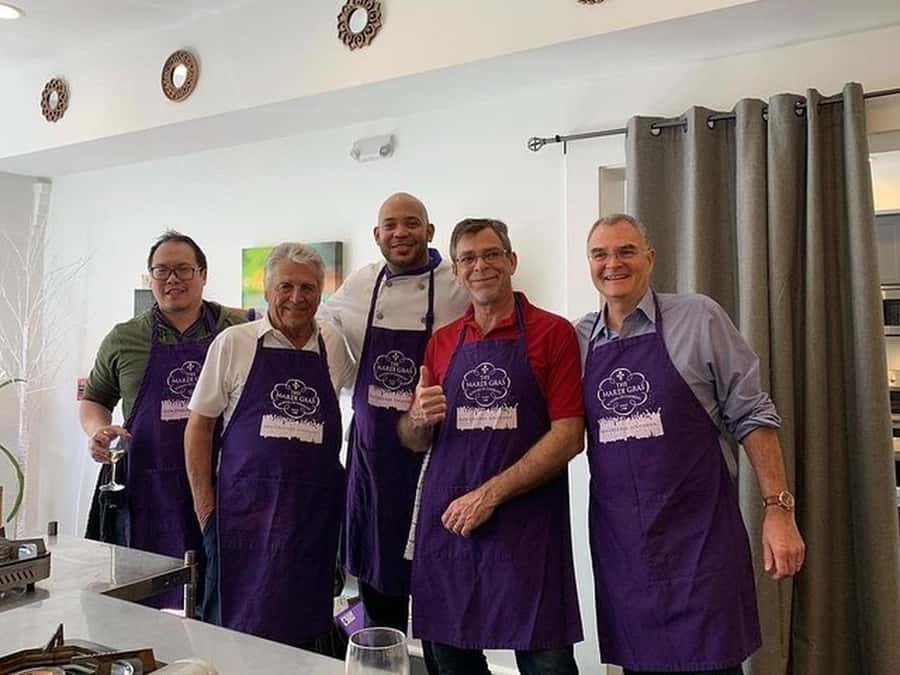
A demonstration can be entertaining, but it does not always teach you how to repeat the dish. Here, each participant is taught professional techniques and helps prepare the selected recipes.
That hands-on format is most useful if you ask questions. The instructors are described as willing to explain mistakes, answer questions, and offer tips for recreating the food at home. If you have cooked before, ask about seasoning adjustments and timing. If you are new to the kitchen, ask the chef to explain why a step matters rather than simply copying it.
The class is also designed to keep things relaxed. The instructors are described as personable and funny, with a teaching style that keeps the session moving without making it feel stiff. That balance matters during a three-hour activity. A class that is too serious can feel like work, while a class that is all entertainment may leave you with little practical knowledge.
You should be ready to participate. This is not the right choice if you want to sit quietly and eat while someone else handles the cooking. It is a better fit for people who enjoy trying a technique, making a few decisions, and learning through the process.
The meal and included drinks
After the cooking is finished, you sit down and eat the dishes prepared during the class. Wine, beer, sodas, and water are included, so you do not need to arrange drinks separately.
The included alcohol adds value to the meal, especially because this is priced as both a class and a dining experience. It also suits the social nature of the session. You can share the food and talk through what you have just prepared.
Personal expenses and gratuity are not included. Plan for those separately. Transportation to and from the venue is also your responsibility, so allow enough time to reach Suite 101 on the ground level.
The information provided does not specify how many servings each recipe makes or whether leftovers are sent home. You should treat the meal as part of the class rather than assume you will receive take-home portions.
Is $157 a fair price?
At $157 per person, this is not a bargain meal. You can find less expensive ways to eat jambalaya and bread pudding in New Orleans. The price makes more sense if you place real value on the instruction, the small class, the included beverages, and the chance to prepare the food yourself.
The group limit of 10 is important here. A large cooking demonstration could offer similar dishes for less, but you would have less access to the chef and fewer chances to ask questions. A small group makes the instruction more personal and helps explain why the cost is above that of an ordinary lunch or dinner.
The class also gives you three dishes rather than one. You learn a main dish with rice, a shrimp preparation, and a dessert. You also receive guidance on professional techniques, seasoning, local food traditions, and common mistakes.
I would call the price reasonable for a visitor who enjoys food activities and wants something more active than a restaurant meal. If you are watching your budget closely, compare it with the cost of a separate meal and decide how much the lesson matters to you. If all you want is a taste of New Orleans food, spend the money at a restaurant instead.
Who should take this class?
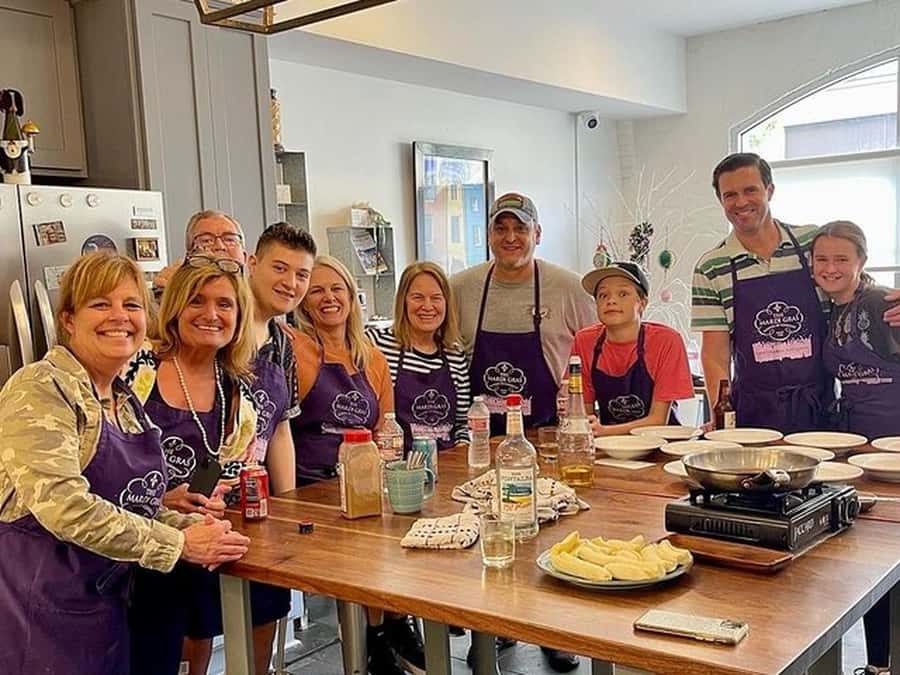
This class suits adults and families with children aged 10 or older who enjoy cooking together. It also works well for couples, friends, and solo visitors who like meeting a small group over a shared meal.
Food lovers will get the most from it, but you do not need professional kitchen experience. The instruction is step by step, and the chefs explain the techniques as you work. The class can be especially useful if you have tried Cajun or Creole recipes before but struggled with seasoning or timing.
It is also a good choice for a rainy afternoon or evening when you want an activity that does more than fill time. The three-hour length gives you enough space to cook, ask questions, and eat without turning the session into an all-day commitment.
You should reconsider it if you dislike group activities, cannot participate in a kitchen setting, or only want a quick meal. The class requires time and attention. You are paying for participation, not just a plate of food.
The experience is wheelchair accessible, and it takes place on the ground level. The supplied information does not give further details about kitchen layout or equipment, so contact the provider if you need specific accessibility arrangements.
Timing, cancellation, and practical details
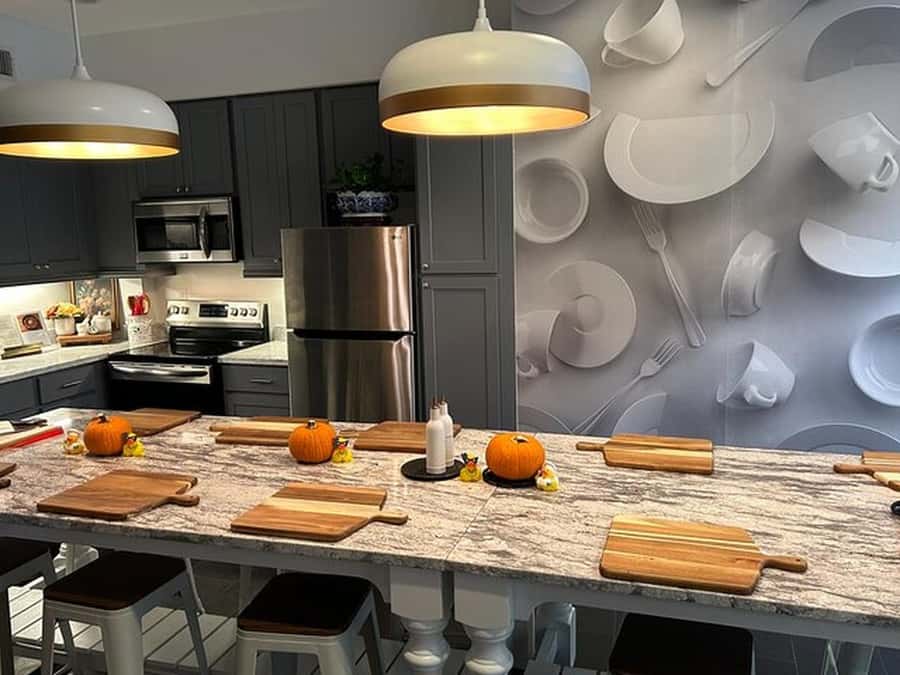
The class lasts three hours, but starting times vary. Check the available time when booking and leave room in your schedule for the full session.
You meet at Suite 101 on the ground level. Transportation is not included, so plan your own way to and from the cooking school. The class is taught in English.
You can cancel up to 24 hours in advance for a full refund. A reserve-now, pay-later option is also available, which helps if your New Orleans plans are still shifting.
The class does not accept children under 10. Personal expenses and gratuity are extra, and the included food is lunch or dinner depending on the starting time.
Should you book the New Orleans Traditions Cooking Class?
Book it if you want to understand New Orleans food by preparing it yourself. The strongest reasons are the small group, the practical teaching, the included drinks, and the well-balanced menu of barbecue shrimp, chicken and andouille jambalaya, and chocolate bread pudding.
I would especially choose it if you enjoy asking questions and want recipes you can attempt at home. Raymond, Erika, and Coach are associated with a warm teaching approach, and the class puts useful instruction ahead of a simple tasting.
Skip it if $157 feels too high for a meal or if you would rather spend your time eating in restaurants. But if food is central to your New Orleans trip, this class gives you a better understanding of the seasoning, methods, and local traditions behind the dishes on your plate.
FAQ
How long does the New Orleans Traditions Cooking Class last?
The class lasts three hours.
How much does the cooking class cost?
The price is $157 per person.
What dishes do you prepare?
You prepare New Orleans-style barbecue shrimp, chicken and andouille sausage jambalaya, and chocolate bread pudding with brandy mocha sauce.
Are drinks included?
Yes. Wine, beer, sodas, and water are included with the class and meal.
Is a meal included?
Yes. The lunch or dinner you prepare during the class is included.
How many people are in the class?
The class is limited to 10 participants.
What language is the class taught in?
The instructor teaches in English.
Are children allowed to attend?
Children under 10 are not permitted to attend.
Is the cooking class wheelchair accessible?
Yes, the activity is wheelchair accessible.
Can I cancel for a refund?
Yes. You can cancel up to 24 hours in advance for a full refund.
More Workshops in New Orleans
- Hands-on Cajun Roux Cooking Class in New Orleans
★ 5.0 · 356 reviews - Hands-on Cajun Traditions Cooking Class
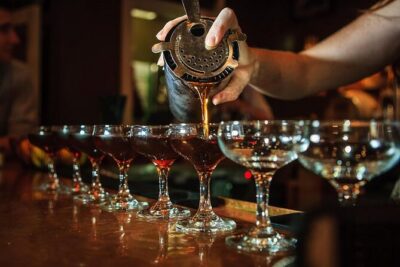
★ 5.0 · 132 reviews - New Orleans Cooking Class and Cocktail Walking Tour
★ 4.5 · 109 reviews - New Orleans: Cooking Class & Cocktail Walking Tour
★ 4.7 · 16 reviews
Newest New Orleans tours we have written up
- 45-Minute Garden District Highlights Tour in New Orleans★ 5.0 · 33 reviews
- New Orleans City and Swamp Helicopter Tour★ 5.0 · 9 reviews
- 45-Minute Marigny Triangle Highlights Tour in New Orleans★ 5.0 · 12 reviews
- 20 Passenger New Orleans Airport or Hotel Transfer★ 5.0 · 6 reviews
- Private New Orleans 2-Hour Sail Aboard a Luxury Yacht★ 5.0 · 44 reviews
- The New Orleans Darkness Tour★ 4.4 · 9 reviews
- 11 Passenger Executive Van: New Orleans Airport or Hotel Transfer★ 4.0 · 8 reviews
- Spooky Family Ghost Tour★ 3.4 · 9 reviews
New Orleans Cooking Classes, compared.
New Orleans Demonstration Cooking Class with Meal
Read our review →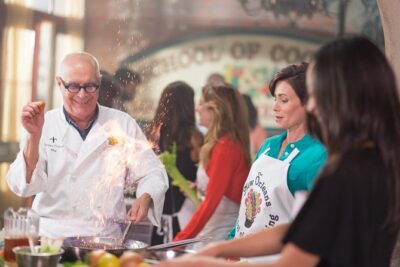
New Orleans Hands-On Cooking Class with Meal
Read our review →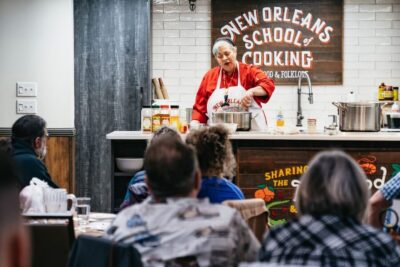
Hands-on Cajun Roux Cooking Class in New Orleans
Read our review →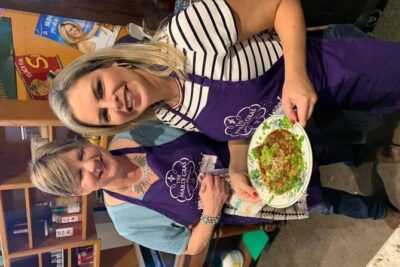
New Orleans Cooking Class and Cocktail Walking Tour
Read our review →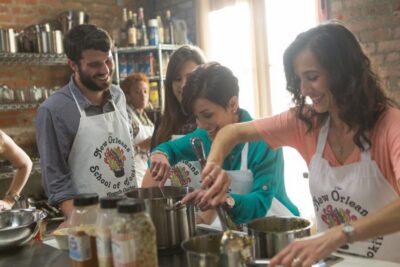
Browse the lists this tour appears in