
Reviewed · NEW ORLEANS COOKING CLASSES
New Orleans: Cajun and Creole Cooking Class
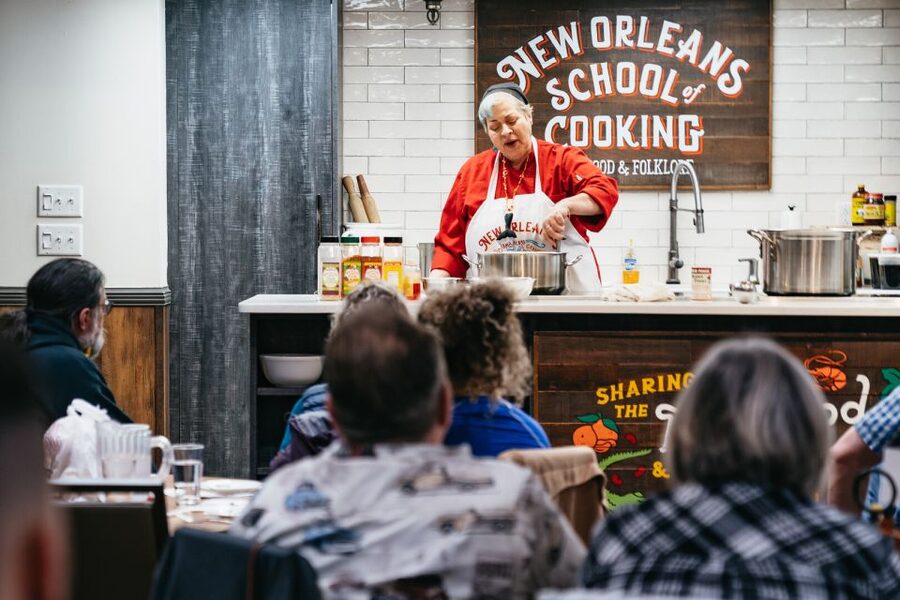
New Orleans cooking makes the most sense when you hear the stories behind the pot. At this French Quarter class, a chef prepares dishes such as gumbo, jambalaya, etouffee, and pralines while explaining how Cajun and Creole food grew from many cultures and traditions. This is a cooking demonstration, not a hands-on class, so you watch rather than chop.
I like the generous meal, which can replace lunch or a light dinner, and the way the chef connects each dish to New Orleans customs and folklore. The recipe copies and general-store coupon add practical value. The main drawback is simple: anyone expecting to cook will be disappointed unless they understand the format before booking.
Key points to know before booking
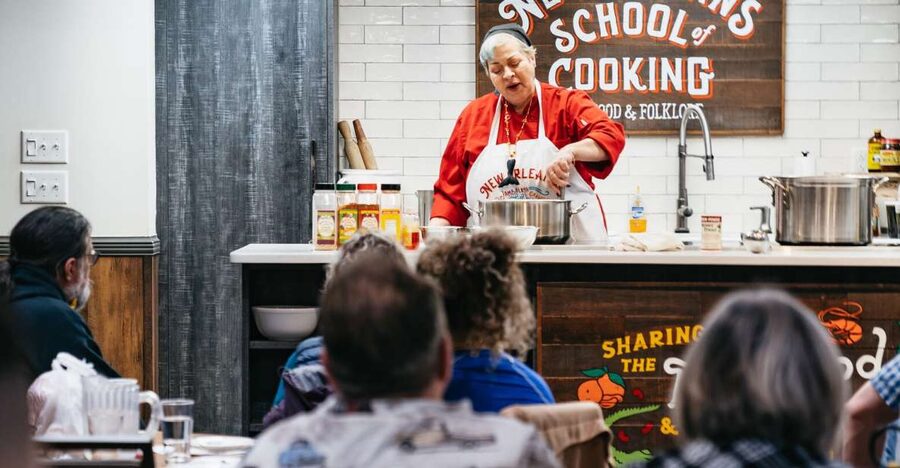
- Watch, don’t cook: The chef handles the preparation while you follow each step, ask questions, and taste the finished dishes.
- A proper New Orleans meal: The menu includes three or four courses, with beer, iced tea, lemonade, and coffee at the morning session.
- Menus change by day: You might get gumbo and jambalaya, or shrimp Creole, crawfish etouffee, red beans and rice, or corn and crab bisque.
- French Quarter setting: The class takes place in a renovated molasses warehouse built in the early 1800s.
- Strong guide-led storytelling: Chefs such as Lynn, Austin, Eric, Dianne, Harriet, and Chef T have been praised for humor, clear explanations, and local food knowledge.
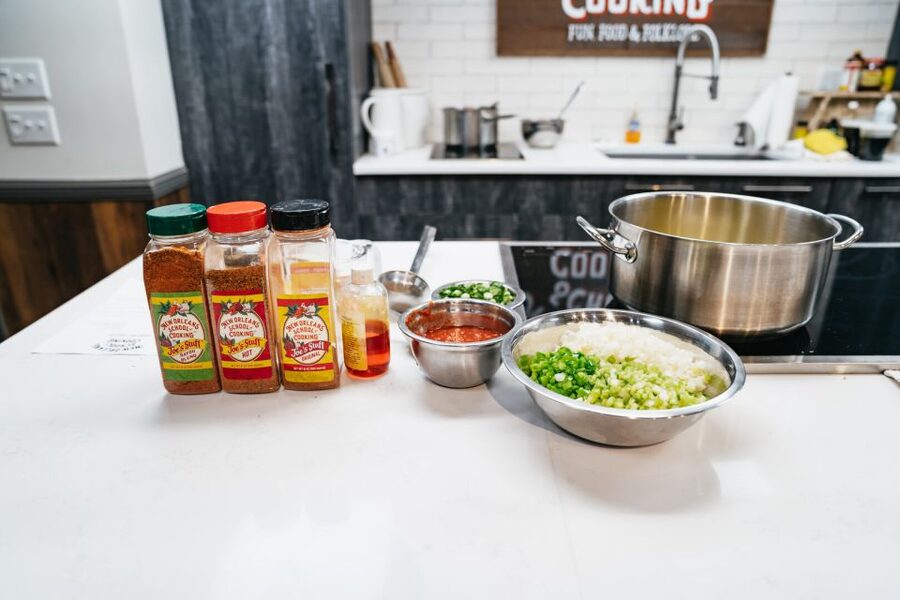
- Useful take-home extras: You receive recipe copies and a coupon for the school’s general store, which sells local products and Joe’s Stuff Creole Seasoning.
A cooking class that is really a cooking demonstration
The New Orleans School of Cooking occupies a renovated molasses warehouse in the French Quarter. That setting gives the experience more character than a plain classroom, though the food and the chef’s storytelling matter more than the old walls.
You check in at the register inside the school’s general store. This shop is part of the experience, not just a waiting area. It carries locally sourced products, cooking supplies, and the school’s famous Joe’s Stuff Creole Seasoning. You receive a coupon at the end, so it makes sense to browse before or after class rather than buy on impulse.
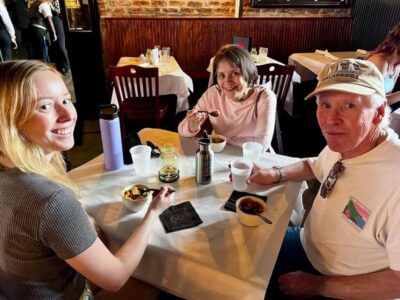
Once seated, you watch the chef cook from start to finish. The format is relaxed and social. The chef explains ingredients, techniques, food traditions, and New Orleans folklore while the dishes come together. Questions are welcome, and several chefs have been especially good at keeping the room laughing while still teaching the details.
The chefs rotate. Lynn, Austin, Eric, Dianne, Harriet, Chef T, and others have led sessions, each bringing a different style. Dianne, also known as Gumbo Marie, is noted for combining food, local stories, and humor. Austin has a high-energy approach, while Eric has been praised for both his entertaining style and his explanations of the dishes.
The clear point to keep in mind is that you do not prepare the food yourself. You watch the chef cook, then eat what has been made. For some people, that is a major advantage. You can focus on the stories, ask questions, and enjoy a full meal without worrying about timing or cleanup. If your goal is to practice knife skills or work at a station, choose a hands-on class instead.
More cooking classes in New Orleans:
- New Orleans Demonstration Cooking Class with Meal
★ 5.0 · 3,000 reviews - New Orleans Hands-On Cooking Class with Meal
★ 5.0 · 1,183 reviews - Hands-on Cajun Roux Cooking Class in New Orleans
★ 5.0 · 356 reviews
What you may eat at the 10 a.m. class
The morning session begins at 10 a.m. and lasts about two to two and a half hours. It includes hot coffee along with Dixie beer, iced tea, and lemonade. The menu changes by day, so check the date before booking if one particular dish matters to you.
Here is the morning rotation:
- Saturday, Sunday, and Wednesday: Gumbo, jambalaya, bread pudding, and pralines
- Monday: Gumbo, red beans and rice, pecan pie, and pralines
- Tuesday: Gumbo, jambalaya, bananas Foster, and pralines
- Thursday: Corn and crab bisque, shrimp Creole, bananas Foster, and pralines
- Friday: Crawfish etouffee, shrimp and artichoke soup, bread pudding, and pralines
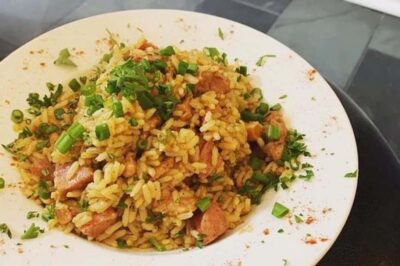
This schedule gives you a useful range of Louisiana cooking. Gumbo shows how a long-cooked stew builds flavor. Jambalaya brings rice, seasoning, and meat or seafood together in one pot. Red beans and rice gives you a classic New Orleans comfort dish, while etouffee offers a thicker sauce built around seafood or chicken.
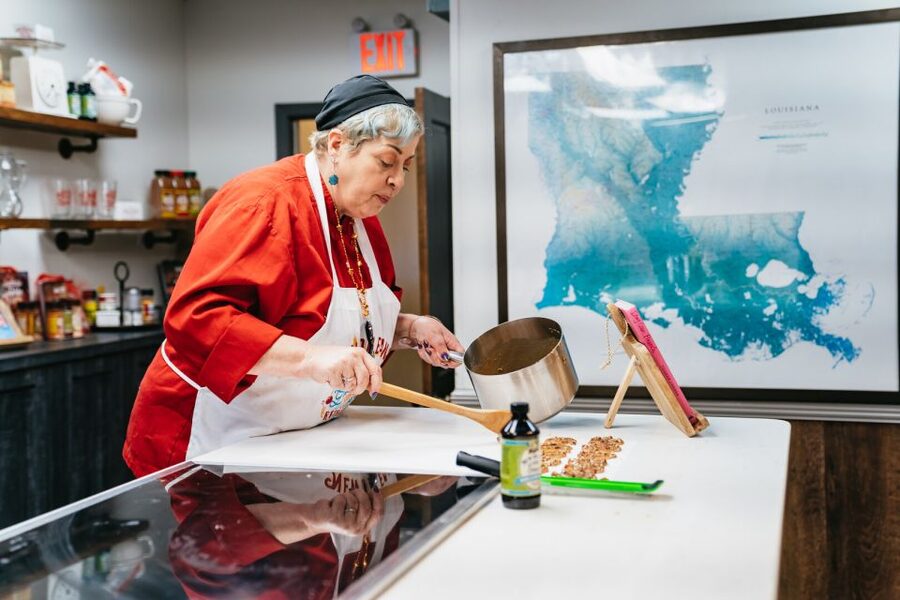
Dessert is part of the lesson rather than an afterthought. You might see bread pudding, pecan pie, bananas Foster, and pralines prepared in the same session. Pralines are especially fitting because they are closely tied to New Orleans sweets and are simple enough to attempt at home after you return.
The portions can be large. I would not eat a full breakfast before the morning class, especially if you want to try every course. The meal is one of the better reasons to book this instead of treating it as a short demonstration followed by another restaurant stop.
The 2 p.m. menus focus on classic savory dishes
The afternoon class begins at 2 p.m. and follows a different schedule. It includes a three-course meal and pralines, along with Dixie beer, iced tea, and lemonade. The later start works well after a morning walk through the French Quarter, but you should treat it as a substantial late lunch.
The afternoon menus are:
- Saturday: Crawfish etouffee, shrimp and artichoke soup, and pralines
- Sunday and Tuesday: Corn and crab bisque, chicken etouffee, and pralines
- Monday, Thursday, and Friday: Gumbo, jambalaya, and pralines
- Wednesday: Gumbo, chicken Creole, and pralines
The afternoon format has fewer listed courses than some morning sessions, but it still gives you a full taste of local cooking. You may find it easier to focus on the cooking when there are fewer dishes competing for attention.
The seafood-heavy menus are appealing if you want to sample Gulf Coast flavors. Crawfish etouffee, shrimp and artichoke soup, and corn and crab bisque each show a different use of seafood, from a thick sauce to a creamy soup. If you prefer chicken or want less seafood, the Sunday, Tuesday, and Wednesday menus may suit you better.
Food sensitivities deserve attention before you book. One class included alternatives for a shellfish allergy, and another diner received a very good vegetarian option. Still, the supplied information does not promise a set range of substitutions at every session, so contact the provider in advance if an allergy or dietary need is important.
Why the food stories matter in New Orleans
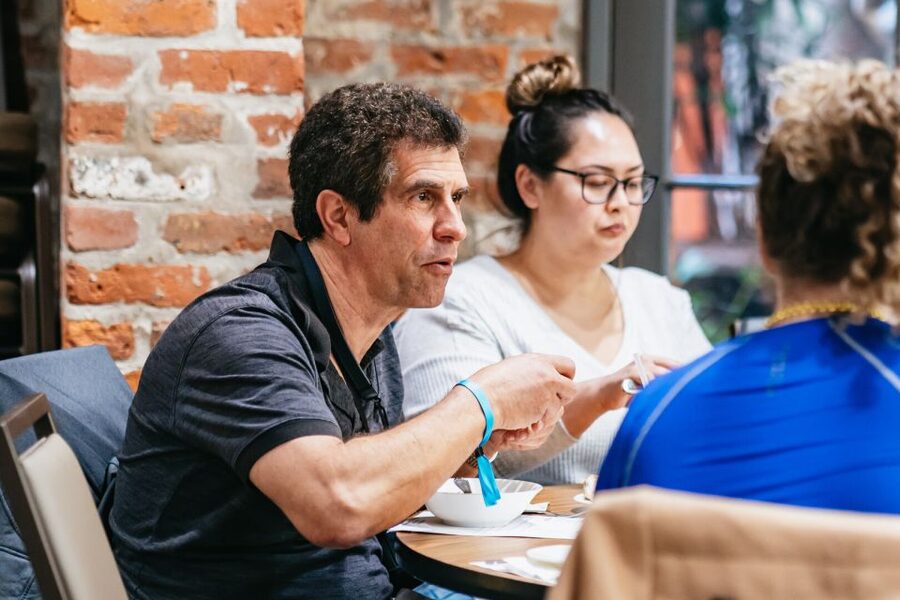
The strongest part of this experience is not simply learning that gumbo contains certain ingredients. You learn why these dishes belong to New Orleans and how food reflects the city’s Cajun and Creole traditions.
The chef explains the background of the recipes while cooking. That can include the relationship between food and local culture, the role of seasoning, and the customs surrounding familiar dishes. The storytelling also reaches beyond recipes into New Orleans folklore and social history.
This context helps you read menus for the rest of your trip. After learning how a roux, stew, rice dish, or sauce is built, you have a better sense of what you are ordering at a restaurant. You also leave with a clearer idea of which flavors you want to try again.
The class is particularly good for first-time visitors who want an introduction to New Orleans food without spending an entire day on a food tour. It gives you a meal, a bit of history, and recipes in one sitting. Families can also find it accessible because the chef does the work, and even teenagers have enjoyed the humor, food, and stories.
A different side of New Orleans for another evening:
- New Orleans Premier Ghost, Voodoo and Vampire Walking Tour
★ 4.5 · 12,856 reviews - New Orleans Steamboat Natchez Jazz Cruise with Dinner Option
★ 4.0 · 7,533 reviews - Adults-Only New Orleans Ghost, Crime, Voodoo, and Vampire Tour
★ 5.0 · 6,545 reviews - New Orleans Food Walking Tour of the French Quarter with Small-Group Option
★ 5.0 · 6,118 reviews
The chef makes or breaks the two-hour session
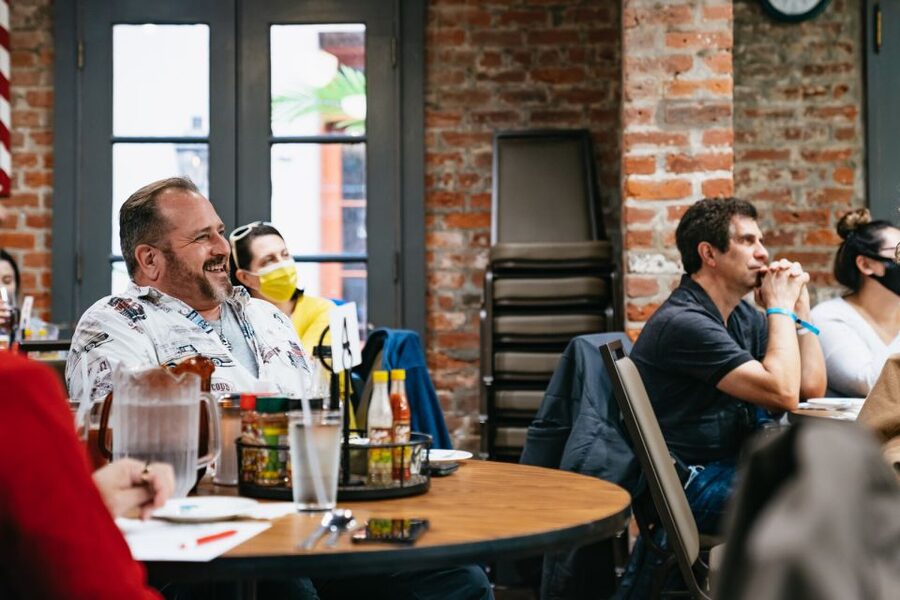
A demonstration depends heavily on the person at the front of the room. Fortunately, the chefs associated with these sessions have drawn strong praise for personality as well as cooking skill.
Lynn is known for a warm, funny teaching style. Austin brings energy and plenty of jokes. Eric has been described as both an entertaining host and a clear teacher. Dianne mixes food history with a lively presentation, and Harriet has a welcoming, almost family-style manner. Your chef will depend on the date, so do not book around one particular name unless the provider confirms that person’s schedule.
The best sessions balance entertainment with useful instruction. A chef who only performs jokes leaves you with a pleasant meal but few skills. A chef who only lists ingredients can make two hours feel long. Here, the most praised sessions combine stories, demonstrations, questions, and a good meal.
There is one practical issue: sound. One attendee had trouble hearing everything and suggested a microphone. If you have hearing difficulty, choose a seat close to the demonstration area and ask staff for help when you arrive. The room can also feel less like a formal lesson and more like a lively food show, which suits most people but may not appeal to someone seeking quiet, technical instruction.
The historic warehouse and general store
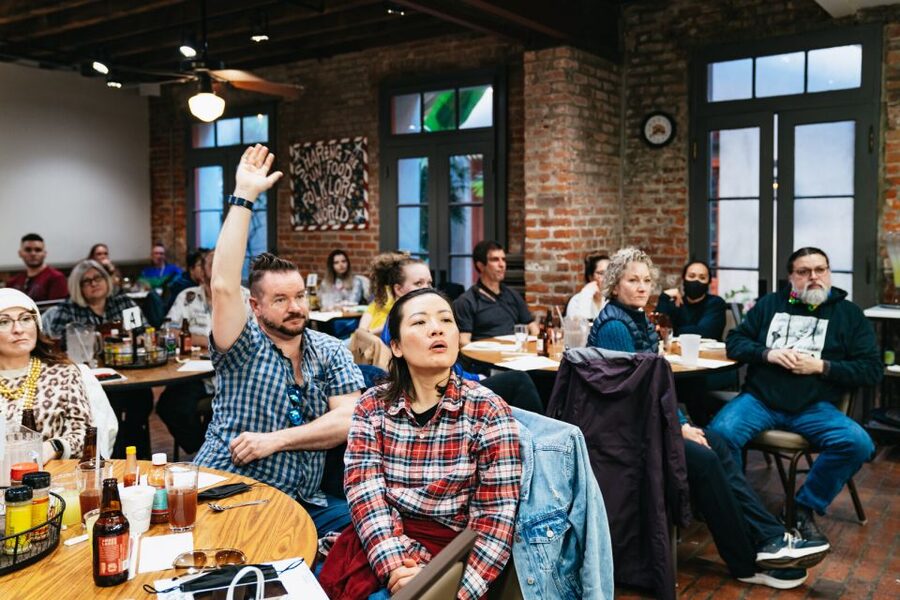
The venue is in the heart of the French Quarter, so it fits neatly into a sightseeing day. You do not need hotel pickup or a separate transfer. Enter the New Orleans School of Cooking General Store and check in at the register.
The old molasses warehouse adds a useful sense of place. You are learning about regional food in a building connected to the city’s commercial past, not in a modern cooking studio removed from the neighborhood. The setting will not replace a food tour or a visit to a market, but it gives the class a genuine French Quarter connection.
Allow a few minutes to look through the store. The shelves offer local products and seasoning blends, including Joe’s Stuff. The recipe copies let you recreate the meal at home, and the coupon can reduce the cost of a souvenir purchase.
I would resist buying a large bottle of seasoning simply because it is in front of you. First decide which dish you want to make at home. The practical benefit of the store is that you can match ingredients to the recipes you have just watched rather than buy random souvenirs.
Is $40 a fair price?
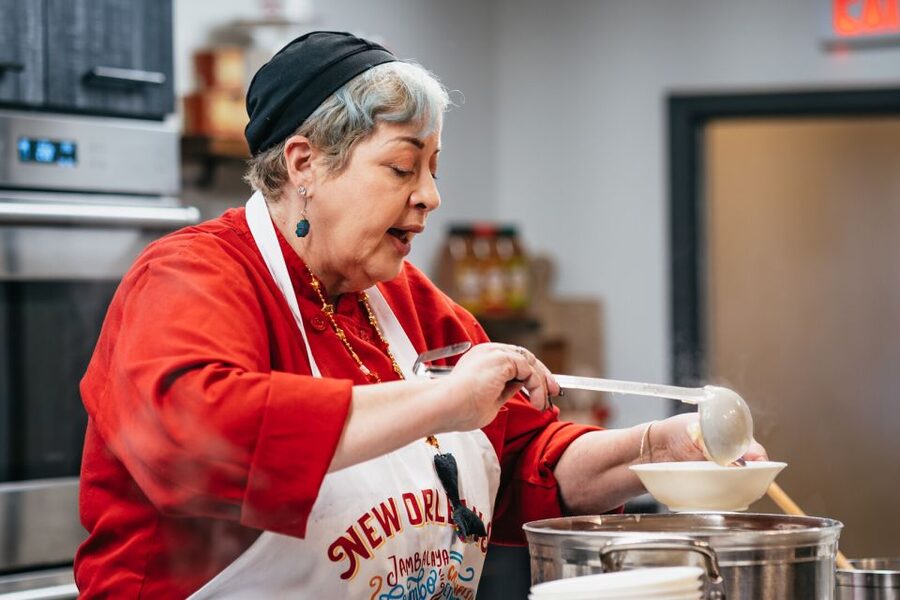
At $40 per person, this is a strong value if you want food and instruction together. You receive a three or four-course Cajun and Creole meal, drinks, a chef-led demonstration, recipe copies, and a store coupon. A comparable restaurant meal alone could take up much of that price, without the cooking lesson or local stories.
The value is best for someone who would otherwise pay for lunch and wants a planned cultural activity. You should also consider the portion size. Several meals have been filling enough to replace lunch, and the afternoon class can carry you toward dinner.
It is less useful for a confident home cook who only wants hands-on practice. You are paying for presentation, food, and context, not for personal time at a cutting board. That distinction should guide your decision more than the word class in the title.
The reservation system allows you to reserve now and pay later, which helps if your New Orleans schedule is still shifting. Cancellation is free up to 24 hours before the activity for a full refund. The class is offered in English and is wheelchair accessible. Outside drinks are not allowed, though drinks are provided during the session.
Who should book this experience?
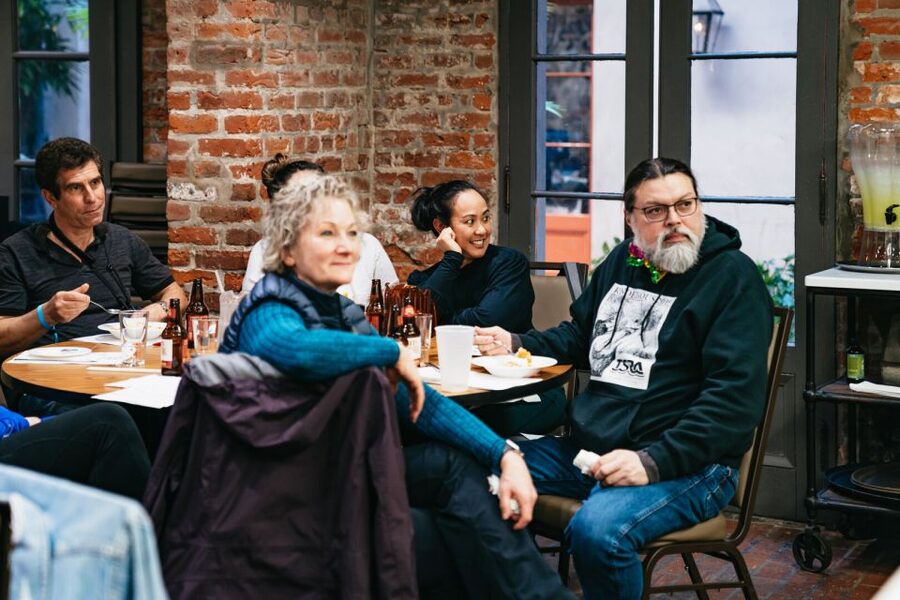
I would recommend it to first-time New Orleans visitors, families, couples, and anyone who enjoys food with a story attached. It is also a good rainy-day plan and a gentle way to begin a trip, since you can use what you learn when choosing restaurants later.
It suits you especially well if you like to listen, taste, and ask questions. You do not need cooking experience, and you will not be left to manage several pans at once. The chef handles the timing, while you get the useful parts of a lesson without the mess.
I would hesitate if you want a true hands-on workshop. The class will show you how gumbo, jambalaya, pralines, and other dishes are made, but you will not personally prepare them. The distinction is repeated by the experience itself: this is a demonstration followed by a meal.
Should you book the New Orleans School of Cooking?
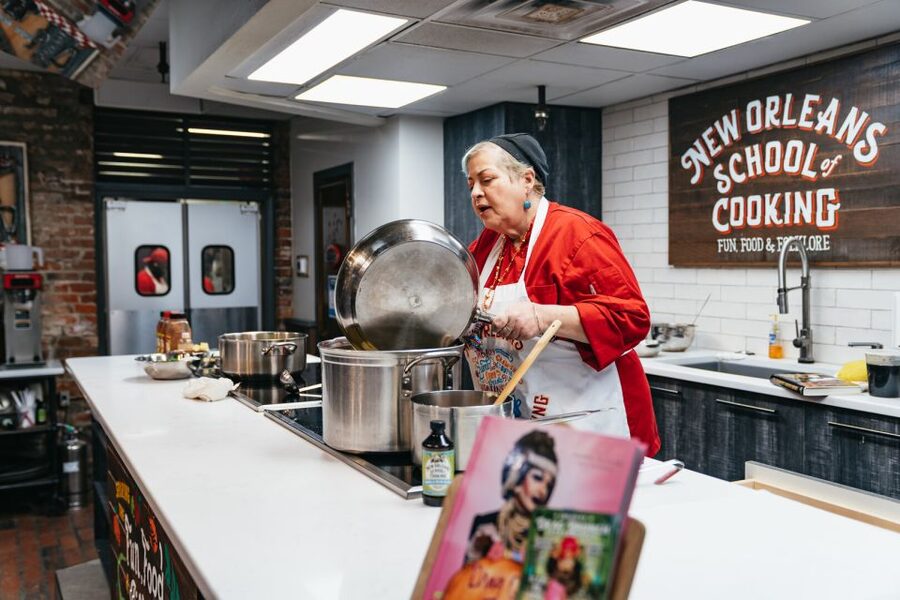
Book it if you want a generous Cajun and Creole meal, an entertaining chef, and a clear introduction to New Orleans food traditions for $40. The recipe copies mean the experience continues after your trip, and the changing menus give you a reason to return on another visit.
Choose the morning class if you want coffee, dessert variety, and a meal that can replace lunch. Choose the afternoon class if you prefer a later start and a focused savory menu. Check the day’s dishes first, especially if you want seafood, chicken, red beans and rice, or a particular dessert.
Do not book it expecting to cook. Book it expecting to watch a capable chef, learn why the food matters, eat well, and leave with enough information to try the recipes in your own kitchen.
FAQ
Is this a hands-on cooking class?
No. The chef prepares the dishes while you watch, listen, and ask questions. The experience is a cooking demonstration followed by a meal.
Where does the class meet?
Enter the New Orleans School of Cooking General Store in the French Quarter and check in at the register.
How long does the experience last?
The stated duration is between two and two and a half hours, or 120 to 150 minutes. The morning class begins at 10 a.m., and the afternoon class begins at 2 p.m.
What food is included?
You receive a three or four-course Cajun and Creole meal. Menus change by day and may include gumbo, jambalaya, etouffee, red beans and rice, shrimp Creole, soups, bread pudding, bananas Foster, pecan pie, and pralines.
Are drinks included?
Yes. Dixie beer, iced tea, and lemonade are included. Hot coffee is included with the 10 a.m. class. Outside drinks are not allowed.
Do I receive anything to take home?
Yes. You receive copies of the recipes and a coupon for the general store.
More Workshops in New Orleans
- Hands-on Cajun Traditions Cooking Class
★ 5.0 · 132 reviews - New Orleans Cooking Class and Cocktail Walking Tour
★ 4.5 · 109 reviews - New Orleans: Cooking Class & Cocktail Walking Tour
★ 4.7 · 16 reviews - New Orleans: Traditions Cooking Class
★ 5.0 · 9 reviews
Newest New Orleans tours we have written up
- 45-Minute Garden District Highlights Tour in New Orleans★ 5.0 · 33 reviews
- 45-Minute Marigny Triangle Highlights Tour in New Orleans★ 5.0 · 12 reviews
- New Orleans City and Swamp Helicopter Tour★ 5.0 · 9 reviews
- 20 Passenger New Orleans Airport or Hotel Transfer★ 5.0 · 6 reviews
- Private New Orleans 2-Hour Sail Aboard a Luxury Yacht★ 5.0 · 44 reviews
- The New Orleans Darkness Tour★ 4.4 · 9 reviews
- 11 Passenger Executive Van: New Orleans Airport or Hotel Transfer★ 4.0 · 8 reviews
- Spooky Family Ghost Tour★ 3.4 · 9 reviews
New Orleans Cooking Classes, compared.
New Orleans Demonstration Cooking Class with Meal
Read our review →
New Orleans Hands-On Cooking Class with Meal
Read our review →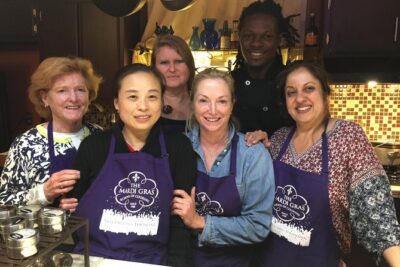
Hands-on Cajun Roux Cooking Class in New Orleans
Read our review →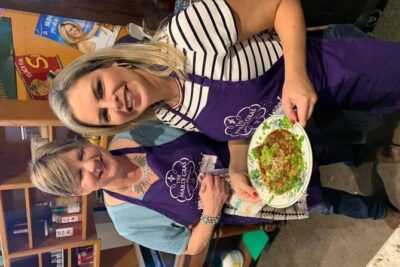
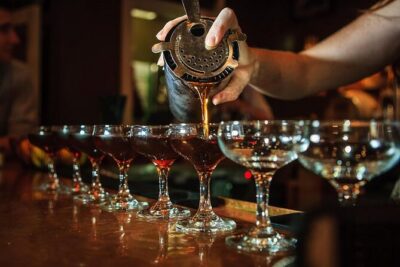
New Orleans Cooking Class and Cocktail Walking Tour
Read our review →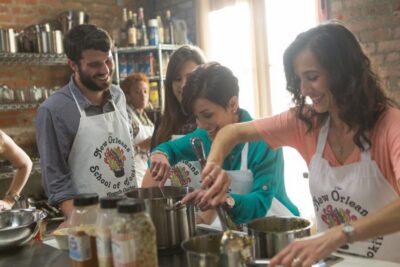
Browse the lists this tour appears in