
Reviewed · NEW ORLEANS PLANTATION TOURS
Whitney Plantation and Soul of New Orleans City Tour Combo
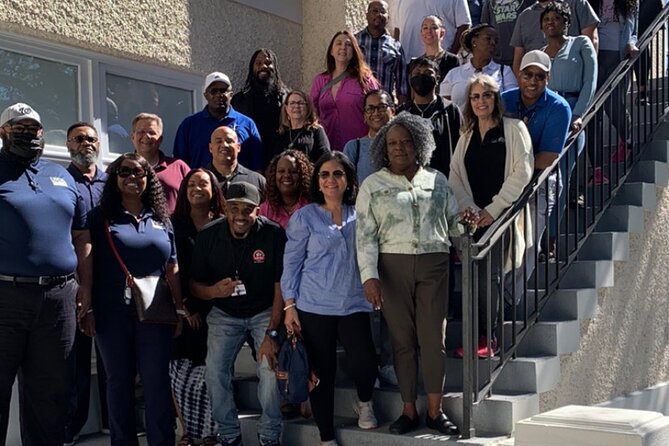
Whitney Plantation tells the story of slavery through the lives of enslaved people, not through grand rooms and gracious porches. That focus, followed by a city tour of Congo Square, Studio BE, the Ninth Ward, and Katrina’s damage, makes this an unusually serious and worthwhile day in New Orleans.
I like two things here: you get simple round-trip transport from the city, and the two halves balance each other well. Whitney is quiet, memorial-based, and self-guided. The city portion is personal and conversational, with guides such as Jay and Jeremy explaining New Orleans from a local point of view. The drawback is that Whitney uses an audio tour rather than a live guide, and eight to nine hours is a long day.
Key points to know before booking
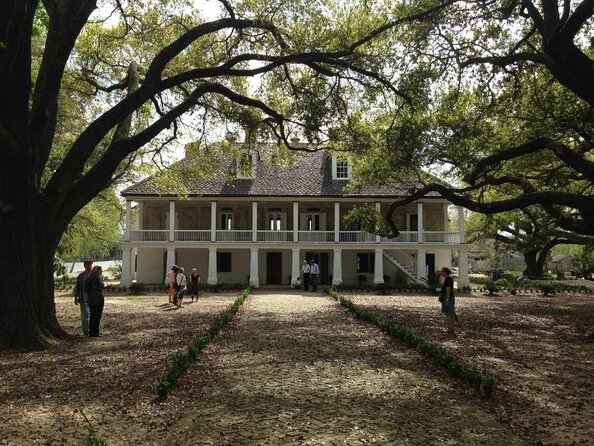
- Whitney Plantation centers enslaved people: See cabins, memorials, original buildings, the Wall of Honor, and the Field of Angels.
- The city tour adds essential context: Visit Congo Square, Studio BE, the Ninth Ward, and places connected to Hurricane Katrina.
- Jay and Jeremy receive strong praise: The city portion depends heavily on your guide, and both are described as engaging and well informed.
- Pickup is easy but not exact: Hotel collection runs between 8:00 and 8:30 AM, with up to 30 minutes allowed for the bus to arrive.
- The group stays fairly small: The maximum is 24 people, which should make conversation and questions easier.
- The day is emotionally demanding: This is a history tour about slavery, segregation, disaster, and survival, not a light sightseeing loop.
Why this combo tells a fuller New Orleans story
New Orleans can be easy to reduce to music, food, balconies, and nightlife. Those things matter, but they are only part of the city’s story. This tour connects the plantation economy outside the city with the African American culture, civil rights history, and disaster history within it.
That connection is the main reason I find the combo useful. Whitney Plantation shows how slavery shaped the region through forced labor and personal loss. The city portion then traces how Black culture continued to shape New Orleans through music, art, community, and resistance.
You spend roughly two hours at Whitney Plantation, followed by about two hours on the city portion, with driving and several short stops filling out the day. The exact rhythm can vary, but you should plan for a full morning and afternoon. I would not schedule an important evening activity too tightly after the tour.
More Whitney Plantation tours:
- Whitney Plantation Tour with Transportation from New Orleans
★ 4.5 · 1,351 reviews - New Orleans: Whitney Plantation Tour with Transportation
★ 4.7 · 619 reviews - Small-Group Laura and Whitney Plantation Tour from New Orleans
★ 4.5 · 446 reviews
Starting in New Orleans between 8:00 and 8:30 AM
Pickup is offered from most downtown New Orleans hotels. You need to be outside by 8:00 AM, even though the actual collection window runs until about 8:30. Multiple hotel stops can affect the timing, so allow up to 30 minutes for the white bus with the company logo to arrive.
If you are not using hotel pickup, the central meeting point is the parking lot at 414 Canal Street. When selecting the location, use the pickup search term parking lot, then choose that option so the operator knows where to find you.
This is a useful setup for a full-day tour because you do not have to arrange a rental car or work out the route to Whitney Plantation. The tradeoff is a less precise start time. If it is after 8:35 AM and the bus has not arrived, call the tour company rather than continuing to wait.
The vehicle is air-conditioned, which matters in New Orleans, especially during warmer months. A restroom is not provided on board, so use facilities before departure and take advantage of restroom opportunities during the day.
Whitney Plantation puts enslaved people first
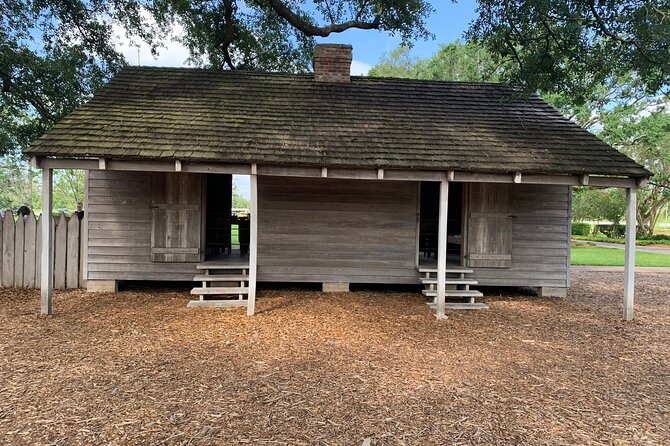
Whitney Plantation is the emotional center of the day. Its exhibits focus on the people who lived and worked there under slavery, using original buildings, slave cabins, memorials, and artwork to make the subject personal.
That approach sets Whitney apart from plantation visits that spend too much time on architecture, gardens, or the former owners. Here, you are asked to consider names, families, work, death, and the daily reality of a system built on forced labor.
The self-guided audio format gives you time to move at your own pace. You can pause, reflect, and take in each memorial without having to keep up with a live group. I can see why this format appeals to visitors who want a quiet and thoughtful experience.
It also has a clear limitation. You cannot ask the audio recording a follow-up question, and the quality of the visit depends on how much time you give each exhibit. One person described Whitney as powerful but wished a live guide had been available. That is a fair concern, especially if you prefer an interactive tour.
The Wall of Honor and Field of Angels
The Wall of Honor lists more than 350 enslaved people who lived on the plantation. Names change the way you think about slavery. Instead of an anonymous number, you are faced with individual lives and the fact that these people belonged to families and communities.
The Field of Angels memorial represents an estimated 2,200 enslaved children who died in St. John the Baptist Parish. Its subject is difficult, but the memorial gives the tour a clear moral focus. You are not being asked to admire a grand estate. You are being asked to remember children who died within a system that treated people as property.
Allow yourself time here. Whitney is not a place to rush through for photographs before moving on to the next attraction. The exhibits work best when you read, listen, and sit with what you have seen.
The plantation visit is included in the price, along with other admission costs. Since transportation is also supplied, the fee covers the two main components of the day rather than just a single attraction ticket.
More Black heritage tours in New Orleans:
- Soul of New Orleans City Tour: Enslavement to Modern Day Culture
★ 5.0 · 393 reviews - New Orleans: Tremé African American & Creole History Tour
★ 4.9 · 208 reviews - Urban Enslavement Tour at Hermann Grima House
★ 5.0 · 171 reviews - True Voodoo History of NOLA’s Congo Square with Local Guide
★ 5.0 · 133 reviews
The drive adds regional context
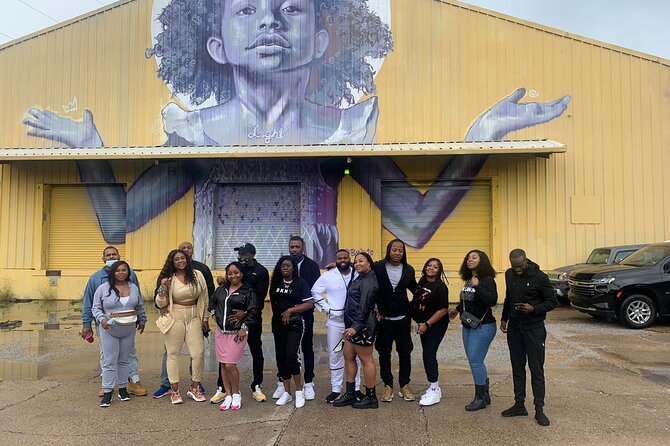
The trip to and from Whitney is not simply dead time. The guide points out other places of interest along the way, giving you a sense of how plantation country and New Orleans connect.
You will want to listen during the drive because this is one place where the guide can add context that is not part of the self-guided plantation program. The contrast between the quiet plantation grounds and the urban neighborhoods later in the day is important.
This is also where expectations matter. The tour gives you an overview rather than a long, specialized study of plantation architecture or Louisiana agriculture. If your main goal is to inspect every building detail, a plantation-only visit may suit you better. If you want slavery history placed beside modern New Orleans culture, the combo makes more sense.
Studio BE brings the story into the present
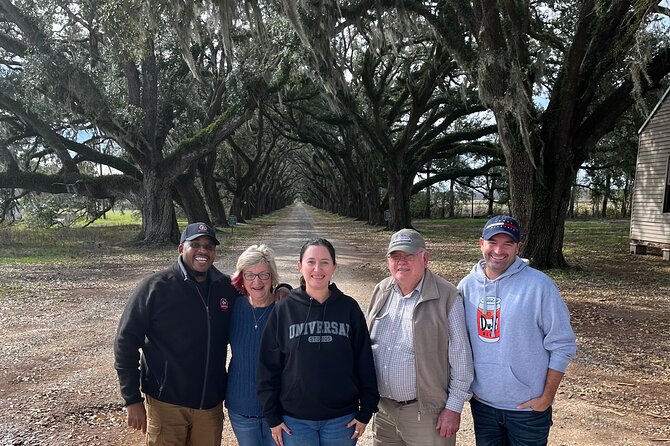
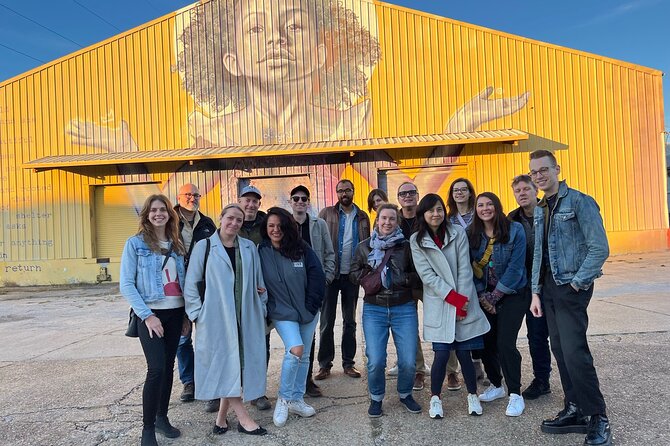
Studio BE is a short stop, about 15 minutes. Since 2016, it has served as an art space and cultural destination in New Orleans, with work tied to local community and social questions.
The stop is brief, so you should not expect a long gallery visit. Its value is the change in tone. After the memorials at Whitney, Studio BE brings you into a living artistic setting where local voices address the present and imagine a better future.
That contrast helps keep the city tour from becoming a string of historical facts. New Orleans history is not finished or sealed behind museum glass. It continues through artists, neighborhoods, and public conversations.
The short visit also means the guide matters. A good explanation can help you understand why the space was chosen and how it fits the wider story of New Orleans. Jay is praised for bringing energy and local knowledge to this part of the day.
Seeing Katrina’s damage in the Ninth Ward
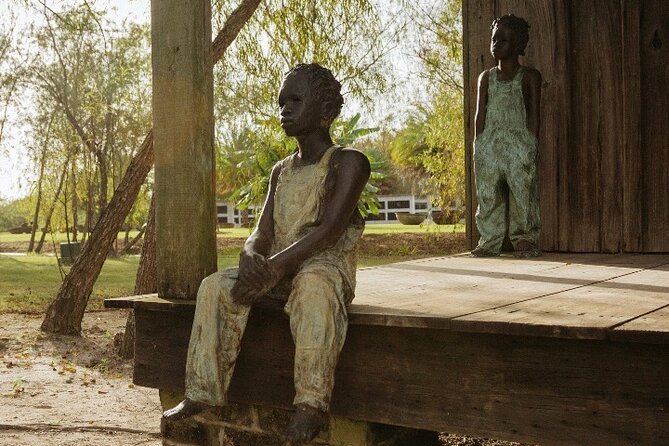
The city portion includes the aftermath of Hurricane Katrina in a neighborhood devastated by the storm. The guide also points out where the levee wall broke, giving you a physical reference for the disaster’s impact.
This stop is valuable because Katrina is often treated as a date, a news story, or a collection of dramatic photographs. Seeing the affected area places the disaster in the city itself. You begin to understand that the damage was not just about wind and rain. It affected homes, families, neighborhoods, and the future of New Orleans.
The tour has also included the Ninth Ward and the McDonogh No. 19 school, connected with the desegregation of New Orleans elementary schools. A visit to the Leona Tate Foundation has been part of the experience as well, with an opportunity to learn about that civil rights history.
Because the tour covers several subjects, the stops are not all long. You are getting a guided overview, not an extended visit at each site. Still, the combination of Katrina and school desegregation shows how the city’s modern story includes both major loss and determined change.
Congo Square and the roots of New Orleans music
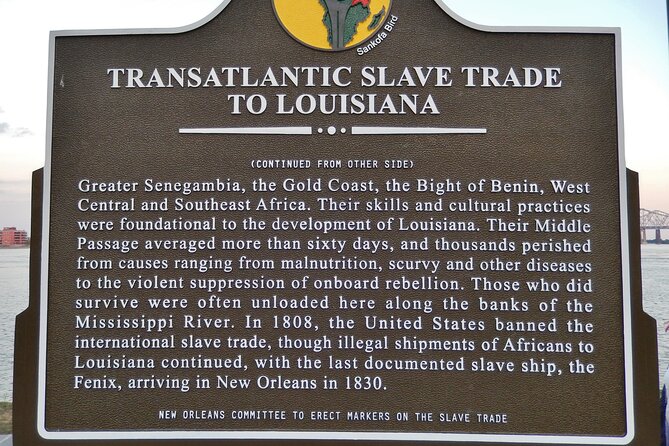
Congo Square is one of the most important stops for understanding New Orleans culture. Enslaved Africans gathered there to preserve traditions through music, dance, and storytelling. Those rhythms helped form the foundations of jazz.
The stop gives you a chance to connect the plantation portion with the city portion. At Whitney, you confront the violence of slavery. At Congo Square, you see how African traditions survived and shaped one of the world’s great musical cultures.
I especially like this part of the route because it avoids treating jazz as a free-floating New Orleans invention. The music has roots in African traditions, forced migration, community gatherings, and cultural survival. A place such as Congo Square helps make that connection real.
The description presents Congo Square as a place to explore its past and feel its continuing influence. The amount of time spent there is not specified, so expect the guide to determine the length of the stop.
The guide can make or break the city portion
The strongest praise is directed at the city guides. Jay is singled out for his energy, openness to questions, and ability to explain New Orleans as someone from the city. Jeremy is also praised for leading an informative multicultural tour and for visiting the Ninth Ward, the levee break, and McDonogh No. 19.
I would treat the guide as a major part of the value. Whitney is self-guided, so the human side of the day comes mainly from the driver and city guide. If your guide is generous with context and questions, the stops connect into a clear story. If you prefer a formal museum lecture or a fixed script, the conversational style may feel less predictable.
The small maximum group size of 24 helps. It is not a private tour, but it is more manageable than a large coach group. You have a better chance of hearing the guide and asking something when the group is limited.
Is $129 a fair price?
At $129 per person, this is not the cheapest way to see a plantation and part of New Orleans. The value comes from combining admission, air-conditioned transportation, hotel pickup, a plantation visit, and a guided city route in one day.
You are also paying for convenience. Whitney Plantation is outside the city, and getting there without a car takes planning. The tour removes that problem and adds places that would be difficult to connect efficiently on your own, including Studio BE, Congo Square, the Ninth Ward, the levee break area, and McDonogh No. 19.
I think the price makes sense if you want history and logistics handled for you. It is less compelling if you only want a plantation visit, prefer to explore New Orleans at your own pace, or plan to spend a full day at one museum or neighborhood.
The tour is recommended by all 13 ratings provided, with a five-star average. That is a small sample, so I would not treat it as proof that every departure will be identical. Still, the consistent praise for the city guides, especially Jay, points to the part of the experience most likely to shape your day.
Who should book this full-day experience?
I would choose this tour if you are visiting New Orleans for the first time and want more than the usual French Quarter highlights. It suits you if you care about slavery, African American culture, civil rights, jazz, and Katrina, and if you want those subjects connected by a local guide.
It is also a good fit for solo visitors and small groups. The supplied vehicle, hotel pickup, and capped group size simplify the day without turning it into a private excursion.
You should think twice if you want a relaxed sightseeing day. The content is serious, and the schedule lasts eight to nine hours. The self-guided audio tour may also disappoint you if a live plantation guide is essential.
Should you book the Whitney and Soul of New Orleans combo?
Book it if you want an honest history day that links slavery outside New Orleans with Black culture, civil rights, music, and Katrina inside the city. Whitney Plantation provides the memorial focus, while the city tour gives you a living local voice through places such as Congo Square, Studio BE, and the Ninth Ward.
I would book early, since this experience is commonly reserved well ahead of time. Choose it near the beginning of your stay if possible. The city context may help you understand everything else you see in New Orleans afterward.
Skip it if you want grand-house architecture, nightlife, or a light introduction to the city. This tour asks for attention and reflection. For the right reader, that is exactly why the $129 price is worthwhile.
FAQ
How long does the tour last?
The experience lasts approximately eight to nine hours.
What time does pickup begin?
Pickup occurs between 8:00 and 8:30 AM. You should be ready outside your hotel by 8:00 AM because the exact arrival time can vary with multiple hotel stops.
Where can I be picked up?
Pickup is available from most downtown New Orleans hotels. If your hotel is not listed, select a nearby hotel from the pickup choices.
What is the central meeting point?
The meeting point is the parking lot at 414 Canal Street, New Orleans, Louisiana 70130. Use parking lot in the pickup search and select that option.
Is transportation included?
Yes. An air-conditioned vehicle and round-trip transportation are included. The tour does not provide a restroom on board.
Is Whitney Plantation guided by a live person?
Whitney Plantation uses a self-guided audio tour. The New Orleans city portion is led by a guide, with Jay and Jeremy praised for their local explanations.
What happens if I need to cancel?
You can cancel at least 24 hours before the start time for a full refund. Cancellations or changes made less than 24 hours before the start time are not accepted for a refund.
More River Road plantation tours
- Swamp Boat Ride and Oak Alley Plantation Tour from New Orleans
★ 5.0 · 3,303 reviews - Oak Alley Plantation Tour with Transportation from New Orleans
★ 4.5 · 1,747 reviews - Laura Creole Plantation Guided Tour
★ 5.0 · 1,279 reviews - Airboat and Plantations Tour with Gourmet Lunch from New Orleans
★ 4.5 · 1,246 reviews
Newest New Orleans tours we have written up
- New Orleans : Garden District Architecture Walking tour★ 4.8 · 5 reviews
- Ultimate Denver Day Out: Red Rocks, City Views & Ice Cream★ 5.0 · 7 reviews
- From New Orleans: Whitney and Laura Guided Plantation Tour★ 4.9 · 20 reviews
- Treme Bar Crawl & Seafood Experience★ 4.2 · 7 reviews
- True Voodoo History of NOLA’s Congo Square with Local Guide★ 4.9 · 16 reviews
- Whitney Plantation Tour with Transportation★ 4.0 · 29 reviews
- Witches Coven Walking Tour in New Orleans★ 5.0 · 49 reviews
- Whitney Plantation and Museum Tour from New Orleans★ 4.5 · 69 reviews
New Orleans Plantation Tours, compared.
Swamp Boat Ride and Oak Alley Plantation Tour from New Orleans
Read our review →
Oak Alley Plantation Tour with Transportation from New Orleans
Read our review →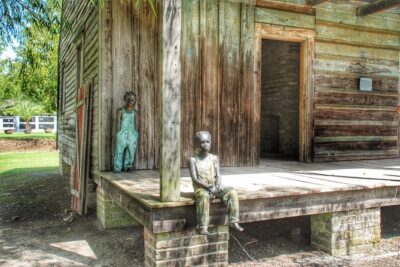
Whitney Plantation Tour with Transportation from New Orleans
Read our review →
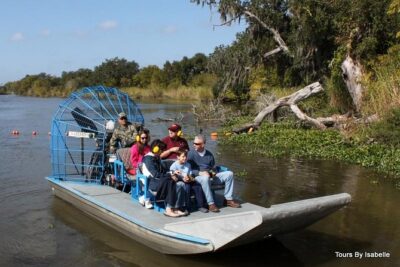
Airboat and Plantations Tour with Gourmet Lunch from New Orleans
Read our review →
Bayou Swamp Tour and Oak Alley Plantation Tour
Read our review →
Oak Alley Plantation & Airboat Swamp Combo Tour
Read our review →
Oak Alley Plantation and Large Airboat Swamp Tour from New Orleans
Read our review →Browse the lists this tour appears in