
Reviewed · NEW ORLEANS BLACK HERITAGE TOURS
Soul of New Orleans City Tour:Enslavement to modern culture
New Orleans history comes into sharper focus on this 150-minute tour, which connects enslavement, jazz, Civil Rights, and Hurricane Katrina rather than treating them as separate chapters. You travel beyond the French Quarter to Congo Square, Treme, Musicians Village, historic cemeteries, the Lower Ninth Ward, and sites linked to Plessy v. Ferguson and Solomon Northup.
I like the way local guides such as Dennis and Jay bring personal knowledge to the route, and I like that the tour gives serious attention to African American culture and survival. The comfortable bus keeps the city moving past your window, but this is also the main limitation: you may wish for more time to get off and explore each stop.
Key points to know before you book
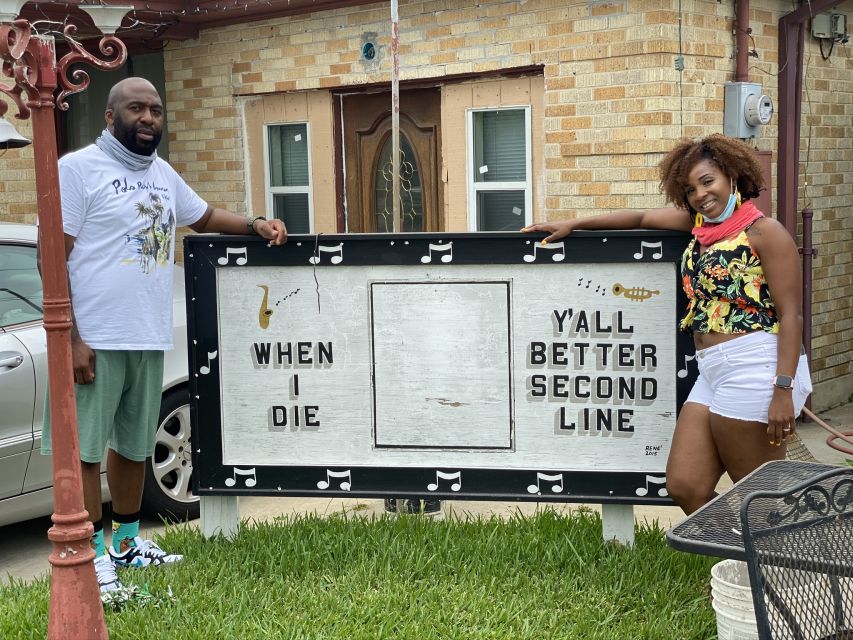
- Congo Square and Treme: See places tied to African American music and the development of jazz.
- Lower Ninth Ward: Learn about Hurricane Katrina, its aftermath, and the continued strength of local residents.
- Civil Rights history: Visit sites connected with Creole history, Plessy v. Ferguson, Solomon Northup, and Leona Tate.
- Local storytelling: Guides including Dennis and Jay add New Orleans context, humor, and personal insight.
- Comfortable city transport: The tour bus covers ground that would be difficult to reach on foot in 150 minutes.
- Serious subject matter: Expect an honest look at enslavement, segregation, neglect, and survival, not just a sightseeing loop.
Why this New Orleans tour reaches beyond the French Quarter
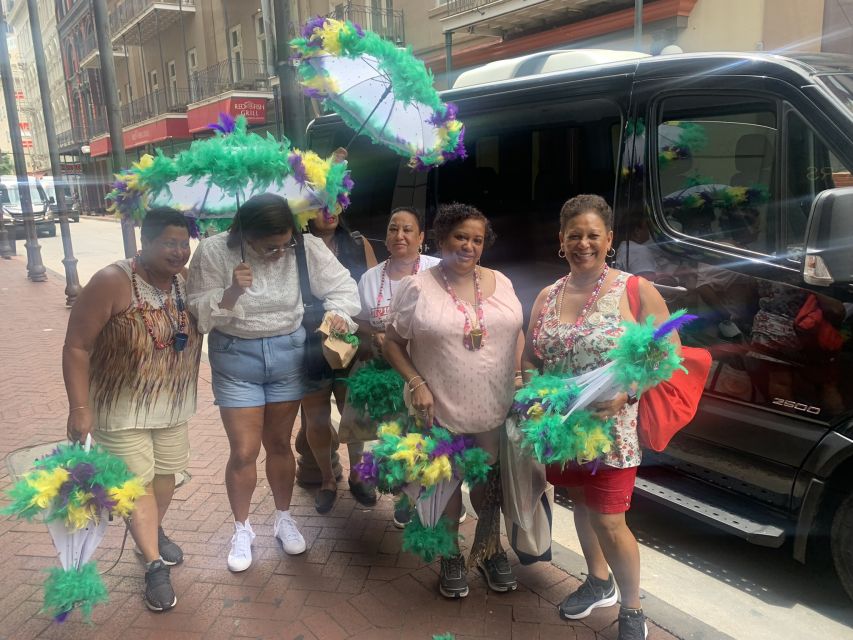
Many first visits to New Orleans stay close to Bourbon Street, Jackson Square, and the riverfront. Those places matter, but they tell only part of the city’s story. This tour takes you into neighborhoods and sites that explain how New Orleans became a center of African American culture, music, resistance, and community life.
The central idea is a journey from enslavement to modern culture. That means you are not simply looking at old buildings. You are connecting past events with the people, music, neighborhoods, and institutions that shaped the city you see today.
I find that approach useful because New Orleans can otherwise feel like a collection of colorful surfaces. The murals, markets, cemeteries, and architecture are attractive, but the guide supplies the reasons they matter. You learn how history sits behind the music, street life, and local identity.
The tone is not light all the time. Subjects include enslavement, segregation, broken promises, disaster, and government neglect after Hurricane Katrina. At the same time, the tour gives equal weight to creativity, survival, and commitment to community. That balance is one of its strongest features.
More Black heritage tours in New Orleans:
- Soul of New Orleans City Tour: Enslavement to Modern Day Culture
★ 5.0 · 393 reviews - New Orleans: Tremé African American & Creole History Tour
★ 4.9 · 208 reviews - Urban Enslavement Tour at Hermann Grima House
★ 5.0 · 171 reviews
Congo Square, Treme, and the origins of New Orleans music
Congo Square is one of the most important stops because it links the city’s musical culture to the lives of enslaved and free African Americans. The site is presented as the birthplace of jazz, and it helps explain why music in New Orleans feels connected to memory, gathering, and public life.
Treme, described as the oldest African American neighborhood in New Orleans, adds another layer. Here, the focus moves from a single historic site to a living neighborhood with a long cultural story. You see how places connected with music and community fit into the wider city.
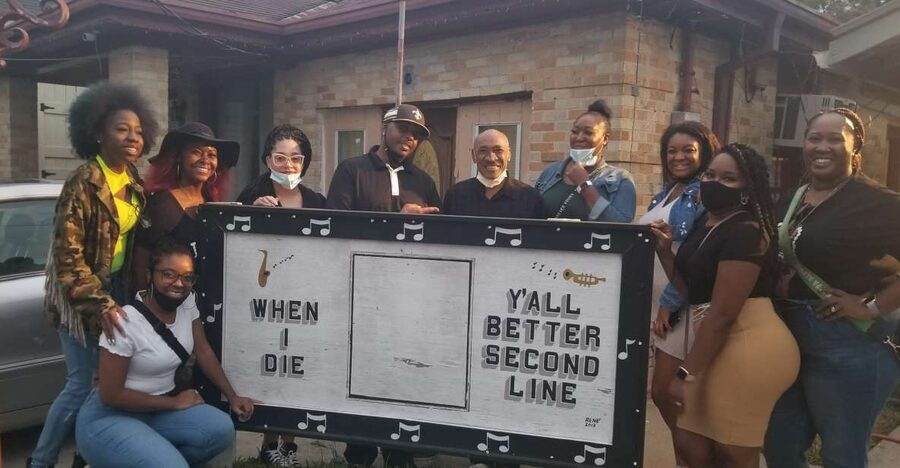
The route also includes Musicians Village. That name alone hints at the connection between the people who create New Orleans music and the neighborhoods that support them. The tour does not reduce jazz to a soundtrack for visitors. It places the music within the social and historical experience of African Americans in New Orleans.
You should expect to see murals and other public artworks along the way. These give the bus ride visual interest, but they also serve as markers of local memory. Since the tour covers a wide area, you will often be looking from the bus rather than spending a long time at each piece.
Creole history, enslavement, and the people behind the record
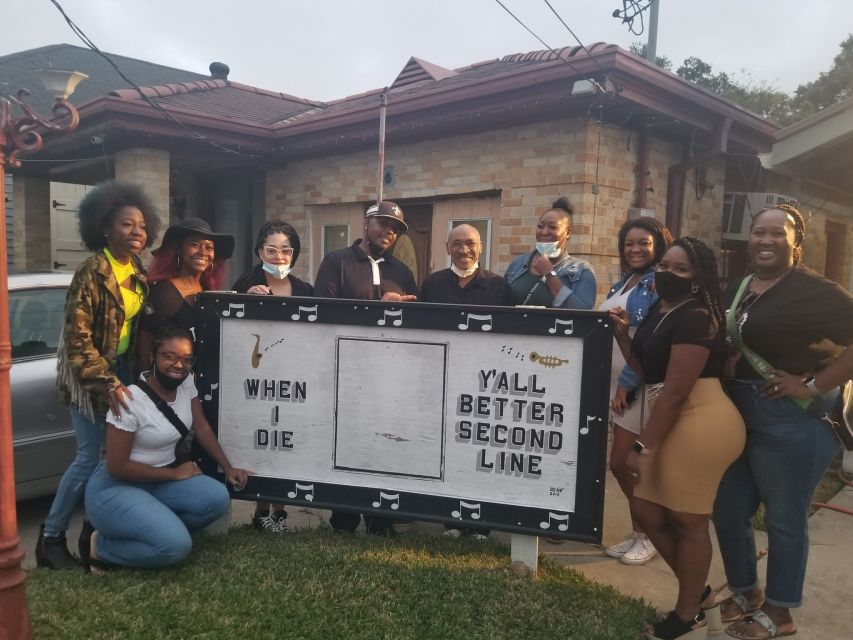
The tour also visits sites connected with Creole history and antebellum slave quarters. These stops help explain the complicated mix of African, European, Caribbean, and American influences that shaped New Orleans. The word Creole can mean different things in different settings, so hearing local context is especially valuable.
Antebellum slave quarters bring the subject of enslavement into physical space. Instead of learning only through dates and names, you see the kinds of places tied to forced labor and unequal power. The experience is likely to feel sober, and that is appropriate. This is not a tour that smooths over difficult parts of the city’s past.
The route also refers to Solomon Northup, whose life became widely known through his account of enslavement. Connecting his story with New Orleans gives the subject a personal face. It reminds you that the history here is not an abstract backdrop. It involved individuals whose names, families, labor, and freedom were at stake.
Historic cemeteries add another dimension. New Orleans burial traditions are visually distinctive, but the value of this stop is not just architecture. Cemeteries can show how communities remembered their dead, marked social divisions, and carried family and cultural traditions forward.
Plessy v. Ferguson and the Civil Rights Trail
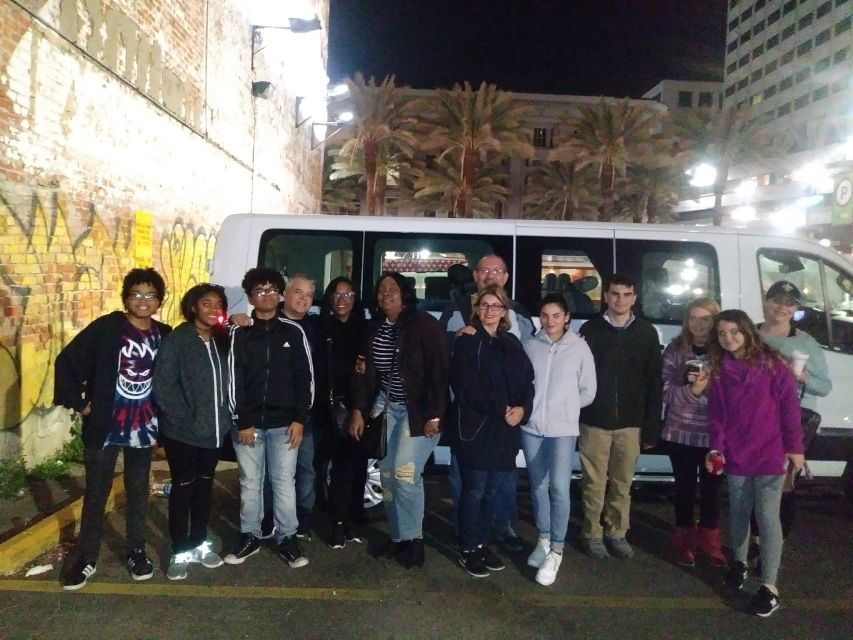
A major strength of the tour is its attention to Civil Rights history. The route includes sites related to Plessy v. Ferguson, a legal case that began with a New Orleans challenge to segregation and later became associated with the doctrine of separate but equal.
You do not need to be a legal expert to benefit from this section. The guide helps connect the case to the real streets and communities involved. That makes the subject easier to grasp than a textbook explanation alone.
The tour also includes the Civil Rights Trail and a stop associated with Leona Tate. One of the most memorable parts of the experience can be meeting Tate and learning more about her role in the desegregation era. Her presence adds a direct human connection to events that may otherwise seem distant.
The school and museum connected with Leona Tate are especially important. They show that Civil Rights history is not only about famous court decisions. It is also about children, families, schools, threats, courage, and the long work required to change public institutions.
This section may be especially meaningful for families with older children and teenagers. One family found that everyone from a nine-year-old to a 75-year-old New Orleans native took something useful from the experience. That range says a lot about the guide’s ability to explain serious subjects without making the tour feel like a classroom lecture.
A few more New Orleans tours worth comparing
- New Orleans City Sightseeing Hop-On Hop-Off Bus Tour
★ 4.5 · 4,943 reviews - New Orleans Sightseeing City Tour
★ 5.0 · 3,038 reviews - City Tour of New Orleans with Pickup
★ 4.5 · 2,407 reviews - New Orleans City Tour: French Quarter, Garden District & Cemetery
★ 4.5 · 2,209 reviews
The Lower Ninth Ward and Hurricane Katrina
The Lower Ninth Ward is one of the tour’s most powerful sections. You see areas connected with Hurricane Katrina and its aftermath, while learning about the damage, the slow response, and the neglect that followed.
This is not presented as a disaster photo opportunity. The focus is on the people who lived there, those with generational ties to the neighborhood, and their efforts to survive and rebuild. You should be prepared for a quieter, more emotional part of the day.
The Lower Ninth Ward also shows why a city tour should not stop at polished visitor districts. New Orleans culture is not only found in music venues, restaurants, and historic streets. It is also found in neighborhoods that have endured loss and still hold onto identity.
The bus is useful here because it allows the tour to cover a larger part of the city than you could comfortably walk in two and a half hours. You can see how the affected areas relate to the rest of New Orleans. The tradeoff is that the visit may feel more like a guided overview than a long, independent exploration.
One past participant wished there were more stops and more chances to leave the bus. I would keep that in mind if you prefer slow travel or want time for photographs. This tour is built around the guide’s narration and the range of places covered, not extended free time at every location.
Museums, markets, murals, and memorable encounters
The itinerary includes museums, markets, architecture, murals, and other city sights. These elements keep the tour from becoming a single subject lesson. You move between culture, design, public history, and neighborhood life.
Studio B is one exhibit that received particular praise. It adds a creative and visual side to the experience, giving you a place to think about New Orleans culture through art as well as through spoken history.
The markets are another useful part of the route. You may not have time to shop at length, and food is not included, but seeing market areas helps you understand how local commerce and daily life fit into the city’s story.
The meeting point is at the parking lot at 414 Canal Street, near the Jazz Gumbo landmark and a block from Caesars Casino. Your guide waits near the tour bus. That location is practical if you are already in the central visitor area, but check the exact meeting instructions before setting out so you are not searching around Canal Street at departure time.
Food and drinks are not included. You can plan a meal before or after the tour, but do not expect the experience to function as a food tour. Its subject is history and culture, with the bus serving as your moving base.
Dennis, Jay, and the value of local guides

The guide can make or break a history tour, and this experience depends heavily on strong narration. Dennis is a New Orleans native who has led the tour with humor, energy, and a clear command of local history. Jay, also known as Jeremy, has been praised for combining personal insight with a serious treatment of difficult subjects.
That combination matters. A guide who only lists dates can make even important history feel flat. A guide who relies only on personal stories may leave gaps. Here, the best accounts suggest a mix of local perspective, factual explanation, humor, and emotional honesty.
The guides also help keep the tone human. The subjects are heavy, but the tour is not described as grim from beginning to end. Dennis, in particular, is known for keeping people entertained while still explaining the city’s past clearly.
Jay has also been able to point out local food ideas during the route, including Loretta’s beignets and sweet potato cookies. Those suggestions are not part of the tour price, but they can help you plan what to eat afterward.
Since the tour is in English, you should be comfortable following spoken explanations for two and a half hours. The experience is best for people who want stories and context rather than a quiet ride with occasional landmarks.
Is $55 a fair price for 150 minutes?
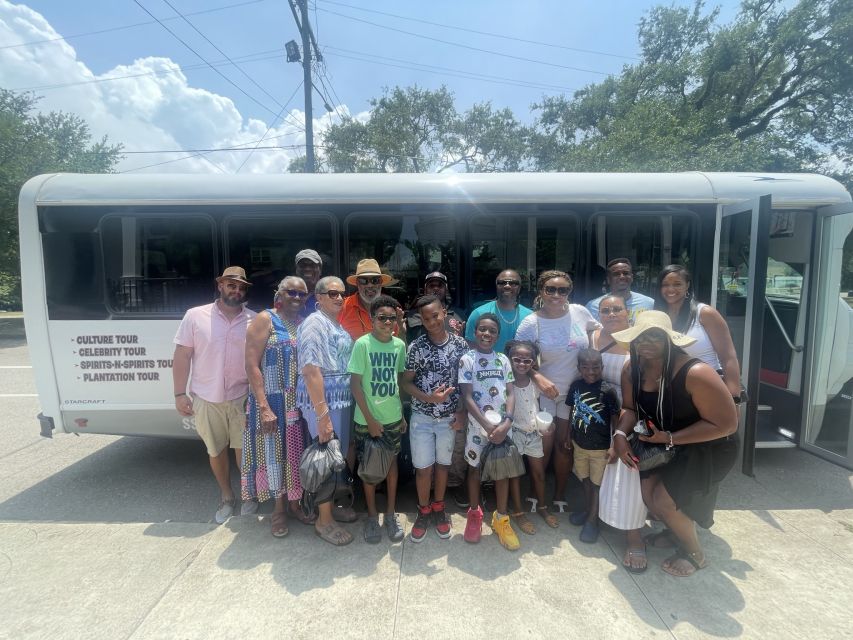
At $55 per person, this is not the cheapest way to see New Orleans, but the price is reasonable if you value transport and guided interpretation. Entrance fees and the guide are included, and the bus allows you to cover several neighborhoods and subject areas in one outing.
The value comes from the range. In 150 minutes, you can reach places that would be difficult to combine independently, especially if you are unfamiliar with the city. You also gain a clear framework for understanding how enslavement, segregation, jazz, Civil Rights, and Katrina connect.
The price is less attractive if you want long visits inside museums or plenty of time at each stop. You are paying for a guided overview across a broad area, not a full museum day or a slow walking tour.
I would book it early in a New Orleans visit if possible. The information can give you better context for the rest of your stay. You may notice neighborhoods, music, memorials, and public art differently after hearing the stories behind them.
The activity operates rain or shine, so dress for the forecast and be ready for changing conditions around the bus. The transport received a perfect score from the activity ratings, and the bus has been described as comfortable. Still, the weather policy means you should not assume rain will cancel the outing.
Free cancellation is available up to 24 hours before departure, and you can reserve now and pay later. Those options are useful if your schedule is still changing.
Who will get the most from this experience?
I would recommend the tour to first-time visitors who want to understand New Orleans beyond the French Quarter. It also suits returning visitors who have seen the central sights but want a fuller account of African American history and neighborhood life.
Families can benefit from it because the subject matter is serious but the guides keep the pace lively. Adults interested in Civil Rights history, jazz, Creole culture, architecture, and the effects of Katrina will find plenty to think about.
It is also a strong choice for visitors who do not have a car. The bus handles the distance, and the guide supplies the context. You can see a much broader slice of the city without spending your day arranging separate rides.
I would hesitate only if you dislike bus tours, need lots of independent time, or want a narrow focus on one subject. The route covers a great deal. That breadth is useful, but it means some stops will be viewed quickly.
Should you book the Soul of New Orleans City Tour?
Book this tour if you want the city explained through the experiences of African Americans, from enslavement and Creole history to jazz, Civil Rights, and life after Katrina. The strongest reasons to go are the local guides, the Lower Ninth Ward, the Leona Tate connection, and the chance to see Treme, Congo Square, Musicians Village, and other places beyond the usual visitor route.
Skip it if you are looking for a relaxed sightseeing loop with little discussion of painful history. This tour asks you to pay attention. For the right audience, $55 buys more than transport and landmarks. It gives you a clearer sense of how New Orleans became the city you came to see.
FAQ
How long is the Soul of New Orleans City Tour?
The tour lasts 150 minutes, or two and a half hours.
How much does the tour cost?
The listed price is $55 per person.
Where does the tour meet?
The meeting point is the parking lot at 414 Canal Street, New Orleans, Louisiana 70130. It is near the Jazz Gumbo landmark and one block from Caesars Casino. The guide waits near the tour bus.
What language is the tour offered in?
The tour is offered in English with a live English-speaking guide.
Is food included?
No. Food and drinks are not included in the tour price.
Does the tour operate in bad weather?
Yes. The tour takes place rain or shine.
What cancellation and payment options are available?
You can cancel up to 24 hours in advance for a full refund. You can also reserve your place and pay later.
Newest New Orleans tours we have written up
- 45-Minute Garden District Highlights Tour in New Orleans★ 5.0 · 33 reviews
- New Orleans City and Swamp Helicopter Tour★ 5.0 · 9 reviews
- 45-Minute Marigny Triangle Highlights Tour in New Orleans★ 5.0 · 12 reviews
- 20 Passenger New Orleans Airport or Hotel Transfer★ 5.0 · 6 reviews
- Private New Orleans 2-Hour Sail Aboard a Luxury Yacht★ 5.0 · 44 reviews
- The New Orleans Darkness Tour★ 4.4 · 9 reviews
- 11 Passenger Executive Van: New Orleans Airport or Hotel Transfer★ 4.0 · 8 reviews
- Spooky Family Ghost Tour★ 3.4 · 9 reviews
New Orleans Black Heritage Tours, compared.
Soul of New Orleans City Tour: Enslavement to Modern Day Culture
Read our review →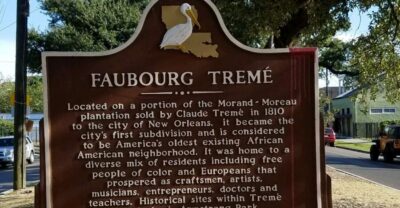

True Voodoo History of NOLA’s Congo Square with Local Guide
Read our review →
Browse the lists this tour appears in