
Reviewed · NEW ORLEANS COOKING CLASSES
New Orleans Hands-On Cooking Class with Meal
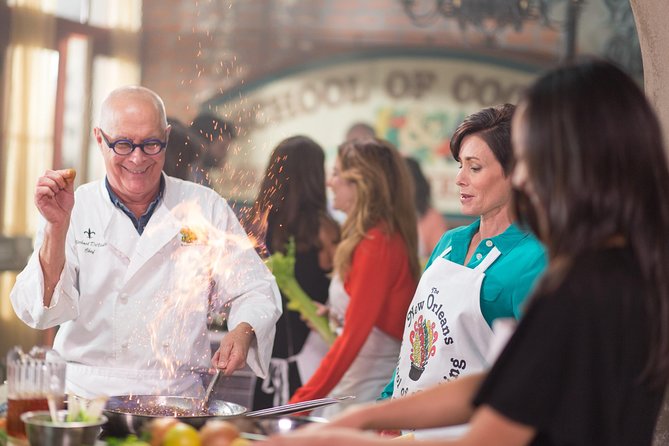
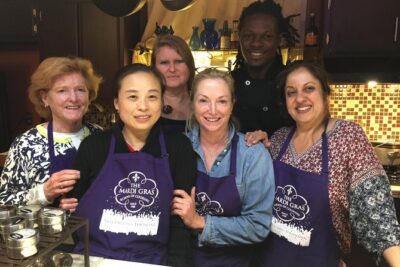
The best part of this New Orleans experience is simple: you do not just watch a chef make gumbo or bananas Foster. You cut, season, stir, and cook the meal yourself, then sit down to eat it with wine, local Abita Amber beer, or a nonalcoholic drink. Chefs such as Eric, Austin, Cindy, Ricardo, and Vivian have all led recent classes, so the personality of your instructor will shape the day.
I like the small maximum of 10 people and the five cooktops, which give you real work to do instead of a front-row seat at a cooking demonstration. I also like the useful take-home extras: a recipe collection, a white apron, and the chance to earn a diploma by sending in photos of your home cooking.
The main drawback is that you are on your feet for much of the class, and the $162 price is not a bargain for anyone who only wants a meal. You also need to be at least 18, and special dietary requests carry a $10 fee payable on site.
Key points to know before booking
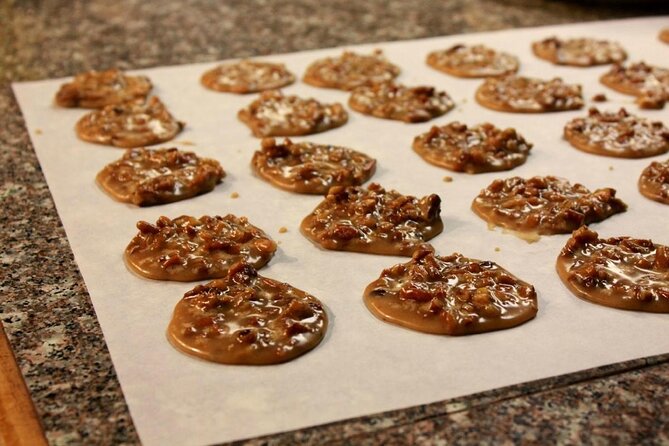
- You cook a complete Louisiana meal: The class covers a starter, main course, and dessert, with possible dishes including gumbo, yam-crab bisque, BBQ shrimp and grits, jambalaya, bananas Foster, and pralines.
- The five cooktops keep the class active: With up to 10 people, singles may be paired with another person, and small groups can cook together.
- The chef matters: Recent sessions have been led by Eric, Austin, Cindy, Ricardo, Vivian, Eduardo, and Chef G, with instruction ranging from cooking technique to local culture.
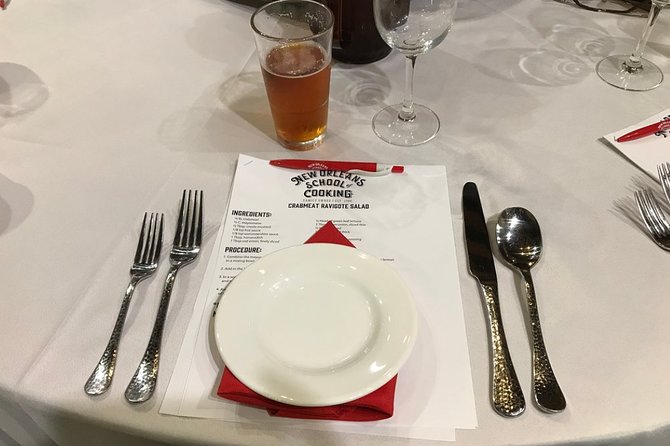
- Drinks are included: You get red and white wine, Abita Amber beer, iced tea, lemonade, and coffee.
- The meal is substantial: Several courses and drinks make it wise to skip lunch or eat lightly beforehand.
- You leave with practical souvenirs: The apron and recipes help you repeat the dishes at home, and submitted cooking photos can qualify you for a diploma.
Cooking Louisiana food instead of just hearing about it
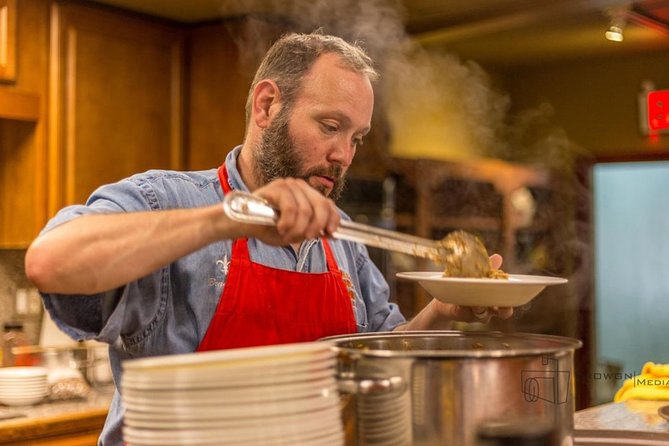
New Orleans food is best understood with a spoon in your hand. Gumbo, grits, jambalaya, pralines, and bananas Foster are not just menu names here. They are a way to see how local cooking draws on different cultures, ingredients, and techniques.
This class gives you that context while you work. The chef explains what you are doing, why certain steps matter, and how local food developed. The instruction is not limited to recipes. You also hear about the region and the cultural influences behind its cooking.
I especially like the hands-on format. A demonstration can be entertaining, but it can leave you wondering if you could repeat the dish at home. Here, you make the food yourself, with the chef and assistant stepping in when you need help.
The class is designed for all skill levels. You do not need to be an experienced home cook. Several recent sessions have been praised for clear directions, patient help, and recipes that seemed manageable after the class. If you are the person in your group who usually avoids the kitchen, you can still take part.
More cooking classes in New Orleans:
- New Orleans Demonstration Cooking Class with Meal
★ 5.0 · 3,000 reviews - New Orleans: Cajun and Creole Cooking Class
★ 4.9 · 730 reviews - Hands-on Cajun Roux Cooking Class in New Orleans
★ 5.0 · 356 reviews
What happens at 524 St. Louis Street
The class begins at the New Orleans School of Cooking at 524 St. Louis Street in the French Quarter. The central location makes this an easy addition to a day spent around the Quarter, and the meeting point is near public transportation.
Plan on about three hours from start to finish. The class ends back at the same location, so you do not need to arrange a second pickup point or fit in a complicated transfer afterward.
Once the group is assembled, you work at one of five cooktops. The maximum is 10 people, and single participants may be paired with someone else. That arrangement is worth knowing before you book. It gives solo visitors a chance to work with a partner, but it also means you may not have an entire cooktop to yourself.
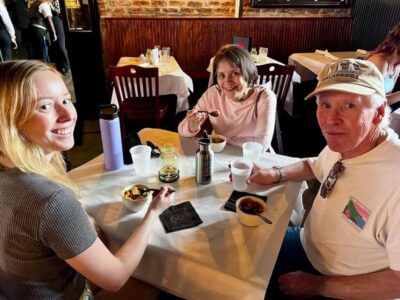
The small class size is one of the strongest features. It allows the chef to keep an eye on several groups without turning the lesson into a large lecture. The class still has a social, family-style feel, but you have a real role in preparing the food.
Dress is casual. Wear something comfortable enough for several hours of cooking and standing. One practical point deserves attention: a few people have found the class tiring because they remain on their feet for much of the session.
The three-course menu and how the class flows
The menu is built around three stages: starter, main course, and dessert. The exact combination can include yam-crab bisque or gumbo, BBQ shrimp and grits or jambalaya, and bananas Foster or pralines.
The class often moves in a useful rhythm. You learn and prepare the first course, sit down to eat it, then return to the cooktops for the next course. The same pattern continues through the meal. This breaks up the cooking and gives you a chance to enjoy each dish while it is fresh.
Gumbo and yam-crab bisque offer different lessons in Southern cooking. Gumbo brings together seasoning, texture, and the careful preparation of a roux. One of the memorable teaching moments described from the class is making that roux, a basic step that can make or break the final dish.
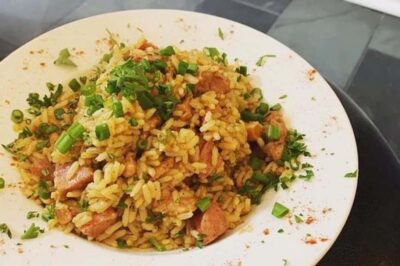
The main course choices give you another look at Louisiana food. BBQ shrimp and grits combine seafood with a creamy Southern staple, while jambalaya is a one-pot dish built around rice, seasoning, and layered flavor. You are not simply handed a plate at the end. You take part in the process that makes the dish work.
Dessert keeps the class playful. Bananas Foster includes a dramatic cooking technique, while pralines connect the meal to a classic New Orleans sweet. The dessert portion is also a good reminder that this is not a narrow lesson about one pot of gumbo. You cover several kinds of cooking in one session.
Because the menu lists alternatives, check what will be served when you book if a particular dish is important to you. The supplied details do not promise that every option appears in every class.
The chefs bring much of the personality
The food matters, but the instructor can make the difference between a useful class and a merely adequate one. Recent sessions have featured chefs including Eric, Austin, Cindy, Ricardo, Vivian, Eduardo, Chef G, and other professionally trained instructors.
Chef Eric has been praised for clear instruction, patience, and humor. Chef Austin is known for adding cooking tips and a relaxed sense of fun. Chef Cindy has been especially effective at guiding the class through the three-course rhythm. Chef Ricardo has brought energy and practical explanations about spices and different cooking styles.
Chef Vivian has used music, dancing, and a lively manner to keep the room moving. Chef G has been noted for careful instruction and local context. These details matter because the class is not a silent kitchen lab. You are preparing food with other people, sharing drinks, and eating together.
The exact chef is not guaranteed, so do not book based only on one name. Still, the range of instructors suggests that the school places real weight on presentation and interaction. If you like classes with humor and conversation, you will probably appreciate that part of the experience.
The class also includes staff support. When one group needs extra help, the chef or assistant can step in. That matters for beginners, especially during tasks such as preparing a roux or handling a dessert technique for the first time.
A different side of New Orleans for another evening:
- New Orleans Premier Ghost, Voodoo and Vampire Walking Tour
★ 4.5 · 12,856 reviews - New Orleans Steamboat Natchez Jazz Cruise with Dinner Option
★ 4.0 · 7,533 reviews - Adults-Only New Orleans Ghost, Crime, Voodoo, and Vampire Tour
★ 5.0 · 6,545 reviews - New Orleans Food Walking Tour of the French Quarter with Small-Group Option
★ 5.0 · 6,118 reviews
Food, drinks, and the real value of $162
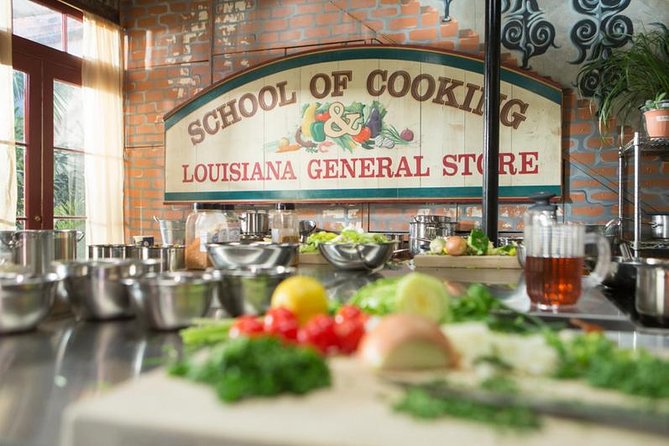
At $162 per person, this is an expensive meal if you measure it only by the food on the plate. You are paying for more than dinner, though. The price includes about three hours of instruction, a full meal, beer, wine, nonalcoholic drinks, the apron, and the recipes.
The beverage list includes red and white wine, Abita Amber beer, iced tea, lemonade, and coffee. Abita is a local Louisiana brew, so the beer adds a small sense of place rather than being a generic drink option.
The meal itself is filling. You prepare and eat three courses, with drinks served along the way. I would skip lunch or eat very lightly before the class. One useful tip is not to schedule another major meal immediately afterward.
The white apron has a stated value of $18.99, but its greater value is practical. It gives you something tangible to take home, and it will be useful if you try the recipes again. You also receive a copy of the class recipes. If you cook the dishes at home, send in photos as requested and you can receive a diploma.
For a food-focused visitor, the price can make sense because the experience combines a meal, a lesson, social time, and souvenirs. If your goal is simply to eat classic New Orleans dishes, you can find less expensive meals elsewhere. Book this for the participation and instruction, not just the dinner.
The French Quarter setting adds useful context
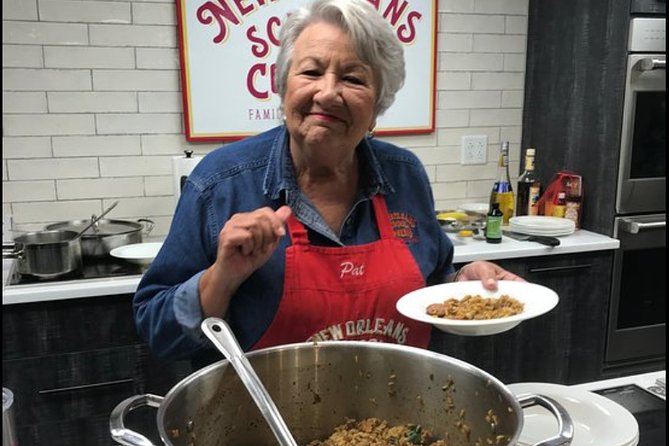
The school’s location at 524 St. Louis Street puts the experience in the French Quarter, one of the easiest parts of New Orleans to explore on foot and by public transportation. The class itself stays at the meeting point, but the setting makes it convenient to connect with other plans in the area.
You might schedule it early in your New Orleans stay. That gives you recipes and food ideas to use for the rest of the visit, and the class can help you recognize dishes on restaurant menus later.
The cooking also gives cultural background that a standard restaurant meal cannot provide. You learn how different traditions contributed to local food, not just which seasoning to add. That mix of food and regional context is one of the class’s strongest features.
At the same time, do not expect a tour of the French Quarter during the cooking session. The listed stops identify the New Orleans School of Cooking and the French Quarter, but the activity is a kitchen-based class that begins and ends at the school.
Who will enjoy this class most
I would recommend it most strongly to people who plan trips around food, couples looking for a date activity, and families with adult children. The minimum age is 18, so it is not designed for younger children.
It also suits solo visitors. You may be paired with another person at a cooktop, but the small group and shared meal make it easy to take part without needing your own party.
You do not need to cook often. In fact, the class can be a good choice if you enjoy eating more than preparing food. The chef handles the larger structure, while you take part in enough steps to feel involved.
This is less suitable if you dislike group activities, cannot comfortably stand for a long period, or need strict dietary control. Specific dietary requirements must be provided when booking, and special requests cost $10 on site. The available information does not promise that every dietary need can be accommodated, so ask before committing.
Practical booking details and cancellation terms
The activity is offered in English and uses a mobile ticket. Confirmation is provided when you book, and the class accepts a maximum of 10 people.
Because minimum numbers apply, the school may cancel after confirmation if too few people are booked. In that case, you are offered another date or experience, or a full refund.
You can cancel for a full refund up to 24 hours before the local start time. Cancellations or changes made within 24 hours are not refunded or accepted. Gratuities are not included, with 15 to 20 percent recommended.
The class is often booked well ahead, with an average booking time of 37 days in advance. That is a useful signal for planning, especially if your New Orleans dates are fixed. It does not mean you must book exactly 37 days ahead, but waiting until the last moment may limit your choices.
Should you book the New Orleans cooking class?
Book it if you want to understand New Orleans food by making it, not just ordering it. The strongest reasons are the small group, the full three-course meal, the lively chefs, and the practical recipes and apron you take home.
At $162, it is not the right pick for a cheap lunch or a quick demonstration. It is also a poor fit if standing for several hours is difficult or if dietary restrictions make the $10 special-request process uncertain.
For everyone else, this is a well-rounded food activity with real participation and a clear payoff. You leave with a full meal, new cooking skills, local cultural context, and recipes you can try again. If you have room for only one organized food experience in New Orleans, this is a strong choice for turning the city’s cuisine into something you can make with your own hands.
FAQ
Where does the cooking class begin?
The class begins at the New Orleans School of Cooking, 524 St. Louis Street, New Orleans, Louisiana 70130.
Where does the activity end?
The class ends back at the meeting point at the New Orleans School of Cooking.
How long does the class last?
The experience lasts approximately three hours.
What food might be prepared?
Possible dishes include yam-crab bisque or gumbo, BBQ shrimp and grits or jambalaya, and bananas Foster or pralines.
Are drinks included?
Yes. The price includes red and white wine, Abita Amber beer, iced tea, lemonade, and coffee.
Is the class hands-on?
Yes. You cut, season, and prepare the meal with guidance from a professional chef, then eat the food you made.
How many people can join the class?
The maximum is 10 participants, using five cooktops. Solo participants may be paired with another person.
What do I take home?
You receive a copy of the class recipes and a New Orleans School of Cooking white apron. You may also receive a diploma by submitting photos of the recipes prepared at home.
What is the minimum age?
The minimum age is 18.
Can I cancel for a refund?
You can cancel at least 24 hours before the local start time for a full refund. Cancellations or changes made less than 24 hours before the start time are not accepted and are not refunded.
More Workshops in New Orleans
- Hands-on Cajun Traditions Cooking Class
★ 5.0 · 132 reviews - New Orleans Cooking Class and Cocktail Walking Tour
★ 4.5 · 109 reviews - New Orleans: Cooking Class & Cocktail Walking Tour
★ 4.7 · 16 reviews - New Orleans: Traditions Cooking Class
★ 5.0 · 9 reviews
Newest New Orleans tours we have written up
- 45-Minute Garden District Highlights Tour in New Orleans★ 5.0 · 33 reviews
- New Orleans City and Swamp Helicopter Tour★ 5.0 · 9 reviews
- 45-Minute Marigny Triangle Highlights Tour in New Orleans★ 5.0 · 12 reviews
- 20 Passenger New Orleans Airport or Hotel Transfer★ 5.0 · 6 reviews
- Private New Orleans 2-Hour Sail Aboard a Luxury Yacht★ 5.0 · 44 reviews
- The New Orleans Darkness Tour★ 4.4 · 9 reviews
- 11 Passenger Executive Van: New Orleans Airport or Hotel Transfer★ 4.0 · 8 reviews
- Spooky Family Ghost Tour★ 3.4 · 9 reviews
New Orleans Cooking Classes, compared.
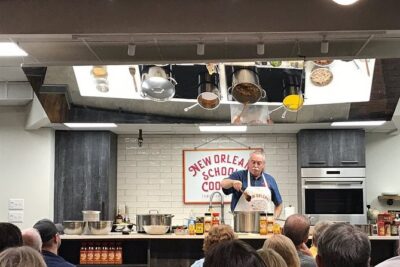
New Orleans Demonstration Cooking Class with Meal
Read our review →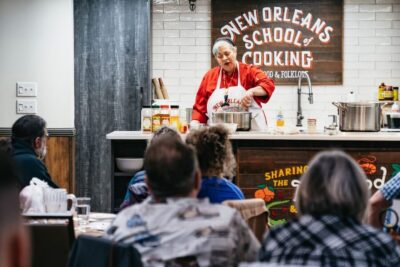
Hands-on Cajun Roux Cooking Class in New Orleans
Read our review →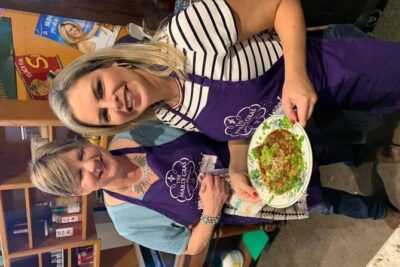
New Orleans Cooking Class and Cocktail Walking Tour
Read our review →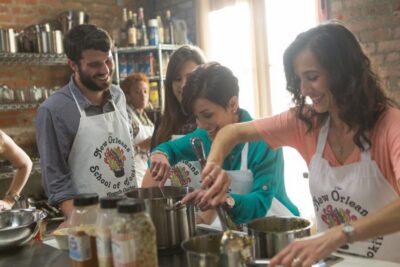
Browse the lists this tour appears in