
Reviewed · NEW ORLEANS PLANTATION TOURS
New Orleans: Whitney Plantation + Soul of New Orleans Tour
Whitney Plantation is not a grand-house sightseeing stop. It is a place built to center the lives of enslaved people, with cabins, memorials, and firsthand accounts that make Louisiana’s plantation past difficult to ignore. The second half, led through New Orleans, connects that history to jazz, Congo Square, Tremé, Black masking culture, and the city’s long fight to preserve its identity.
I like the clear link between plantation slavery and New Orleans culture, and I like that hotel pickup, River Road transport, Whitney admission, and the city tour are bundled into one day. Dennis, the guide praised in the tour details, also took one family back to its hotel and introduced them to Dr. Tate at the TEP Center, where they learned about desegregation.
The main drawback is the length and emotional weight. At eight hours, with an early pickup and several driving stops, this is a full day rather than a casual city outing. The Whitney portion is self-guided by audio, so you will want to give yourself time to listen and reflect instead of rushing back to the bus.
Key points before you book
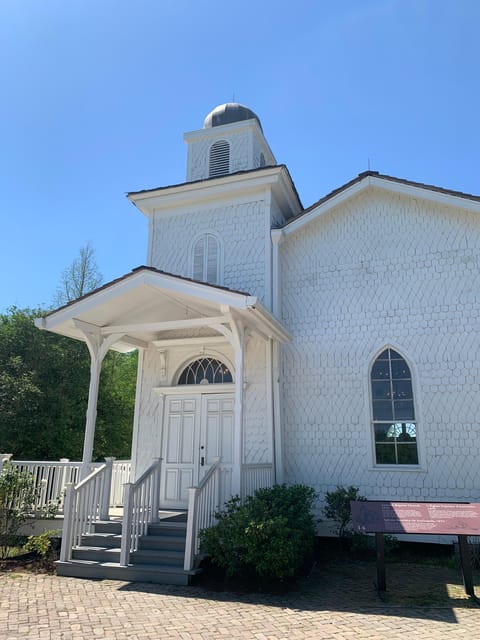
- Whitney Plantation focuses on enslaved people: Expect memorials, preserved cabins, and personal accounts rather than a house tour centered on wealthy owners.
- The day joins two very different settings: River Road plantations in the morning give way to New Orleans neighborhoods and cultural sites later on.
- The Soul of New Orleans tour covers Black culture: Topics include jazz, Congo Square, Mardi Gras Indians, Creole identity, and Second Line celebrations.
- The largest slave rebellion in United States history is part of the story: The tour places plantation slavery within the wider history of resistance.
- Hotel pickup and return are included: Be ready at your hotel from 8:00 AM, with a 30-minute grace period for the driver’s arrival.
- The $120 price covers major costs: You get a guide, transportation, Whitney admission, headsets, and hotel service in one booking.
Why this New Orleans combination matters
Many New Orleans tours split the city’s past from its culture. You might see a plantation one day and hear jazz history another, with no clear connection between the two. This experience tries to draw that line in one day.
The morning begins with the forced labor system that shaped Louisiana. The afternoon shows what enslaved Africans and their descendants built in the city, from physical infrastructure to music, religious traditions, public celebrations, and neighborhood life. I find that structure useful because it keeps New Orleans culture from being treated as something that appeared out of nowhere.
You should also know that this is not a light sightseeing tour. The language around slavery, resistance, desegregation, Hurricane Katrina, and gentrification asks you to pay attention. The reward is a fuller picture of New Orleans, one that includes pain and injustice but also creativity, survival, and community power.
More Whitney Plantation tours:
- Whitney Plantation Tour with Transportation from New Orleans
★ 4.5 · 1,351 reviews - New Orleans: Whitney Plantation Tour with Transportation
★ 4.7 · 619 reviews - Small-Group Laura and Whitney Plantation Tour from New Orleans
★ 4.5 · 446 reviews
Whitney Plantation, where the morning begins
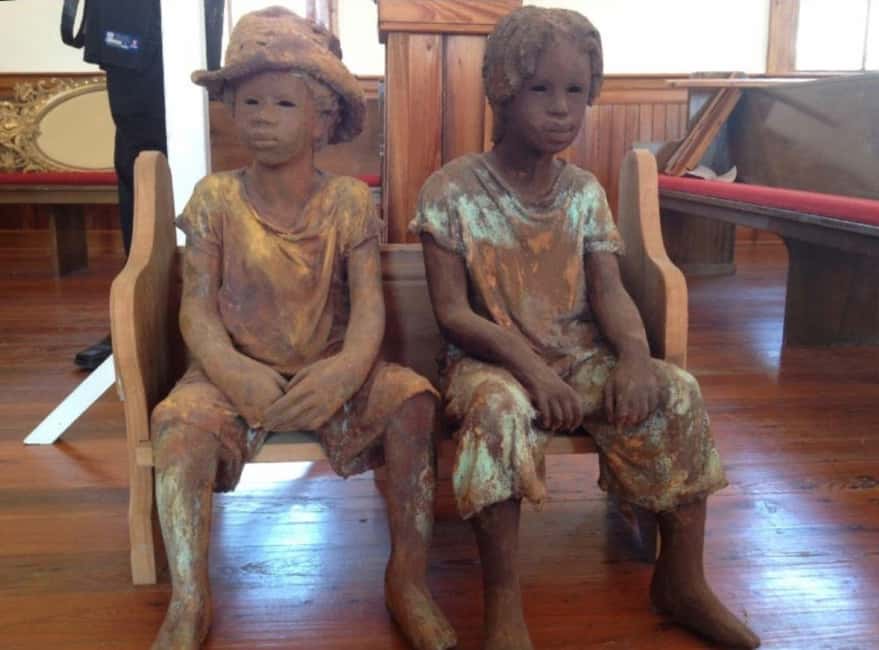
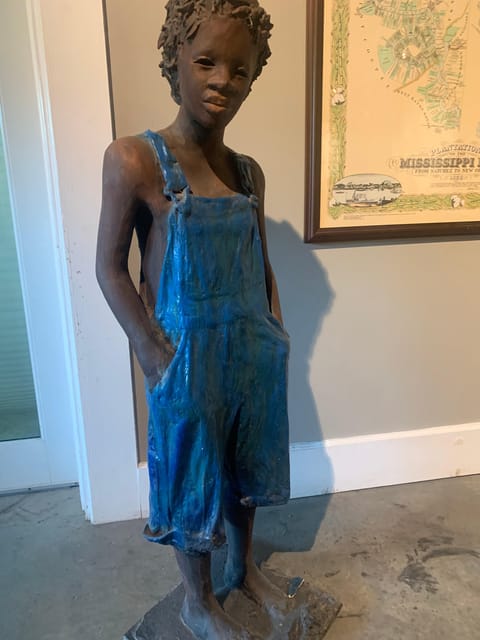
Whitney Plantation is the emotional center of the day. It is described as the only museum in Louisiana dedicated to interpreting plantation life through the experiences and voices of enslaved people. That focus changes what you look at.
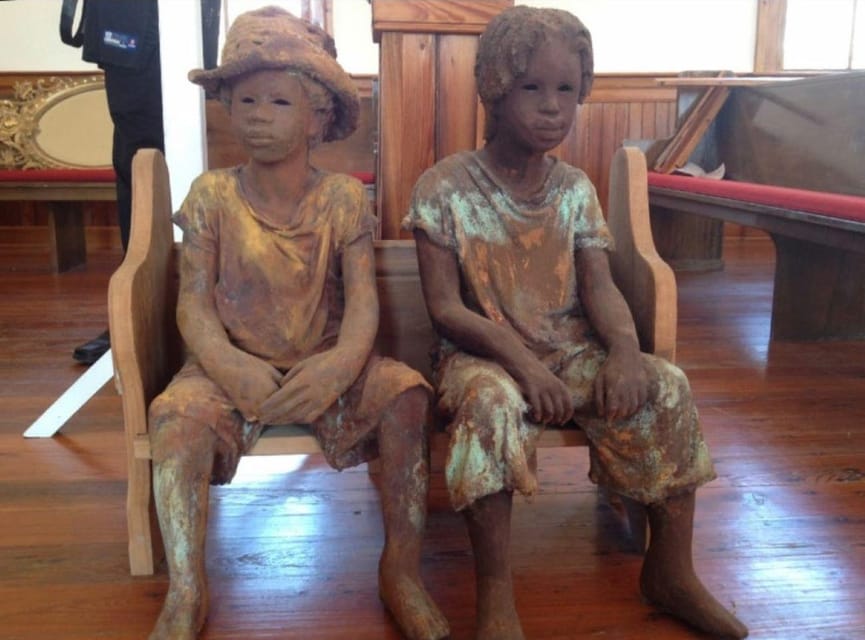
Instead of treating the main house as the star, the visit puts attention on the people who lived and worked under slavery. You can expect to walk among preserved slave cabins, memorials, and other plantation spaces while listening to an audio guide through provided headsets.
The audio format gives you control over your pace. You can stop at a memorial, replay a section, or take a quiet moment without needing to keep up with a live group. It also means you should plan your time carefully. An audio tour can feel personal, but it asks you to stay alert and manage your own progress.
The firsthand narratives are important because they bring individual lives into a subject that is often reduced to dates and plantation buildings. The tour presents the hardship of slavery plainly, while also showing the endurance and agency of the people who lived through it.
You will hear about resistance as well as oppression. The history of the largest slave rebellion in United States history forms part of the wider story, reminding you that enslaved people did not simply accept the system imposed on them. That context gives the plantation visit a stronger sense of movement and conflict.
This stop may be difficult for children or anyone who prefers light historical sightseeing. The experience does not soften the subject to make the day easier. That is part of its value, but it is worth knowing before you book.
River Road and the antebellum plantation setting
The drive along River Road adds a visual layer to the morning. As you pass antebellum plantations, you see the setting in which Louisiana’s plantation economy operated. The road tour places the Whitney visit within a wider stretch of the Mississippi River region rather than leaving it as an isolated museum stop.
I like having the bus ride included because it saves you from arranging a separate car or transfer. You can focus on the guide’s commentary and the changing scenery while moving between New Orleans and the plantation area.
The word antebellum can sometimes make these places sound romantic. This tour’s focus gives the term needed context. The grand homes and river plantations were tied to a brutal labor system, and the surrounding fields and buildings were part of that system. The point is not to admire a pretty old house without asking who built and maintained it.
The tour includes an antebellum guest house as one of the sights. It also includes scenes from movies, which may interest you if you like seeing how historic Louisiana locations have been used on screen. These touches are secondary, though. The strongest reason to take the River Road portion is the connection between place and history.
After Whitney, you return to New Orleans for a lunch break. Lunch is listed as a break rather than an included meal, so plan to pay for your own food. The pause matters. You have time to eat, rest, and think over the morning before the city portion begins.
From plantation fields to New Orleans streets
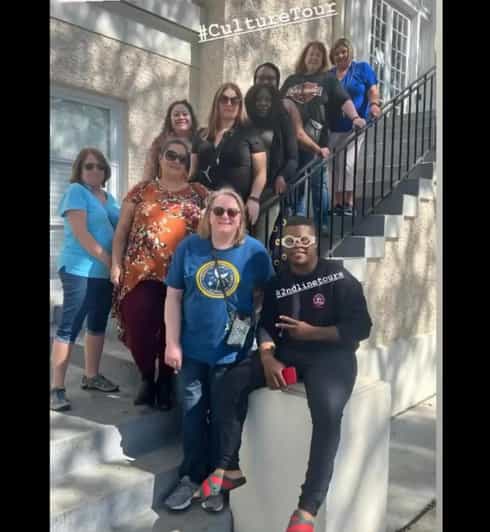
The afternoon shifts from rural plantation history to urban slavery. New Orleans developed a different system, and the city tour explains how enslaved Africans helped build its streets, economy, and social life.
This change in setting is one of the best features of the experience. You are not left with the idea that slavery existed only in fields outside the city. The tour shows how forced labor and racial control shaped New Orleans itself.
The route includes the Mississippi Riverfront, the French Quarter, Congo Square, and Tremé. It also reaches places connected with the city’s Black neighborhoods and post-Katrina story. The guide’s live commentary gives the afternoon a more direct, conversational feel than the self-guided morning.
Congo Square is especially important in the story of music and public culture. The tour connects the site to the origins of jazz and to traditions that survived despite restrictions placed on Black people. You will hear how faith, rhythm, dance, and communal gatherings helped carry cultural memory forward.
The tour also covers Black masking culture and Mardi Gras Indians. These traditions are not presented simply as colorful entertainment. They are connected to identity, neighborhood ties, memory, and the ability to express pride in a city that often tried to control or marginalize Black communities.
Creole identity receives attention as well. New Orleans history does not fit neatly into a single category, and the city’s language, family backgrounds, customs, and racial history have developed in complicated ways. A guide can help you see why simple labels often miss what makes the city distinct.
More Black heritage tours in New Orleans:
- Soul of New Orleans City Tour: Enslavement to Modern Day Culture
★ 5.0 · 393 reviews - New Orleans: Tremé African American & Creole History Tour
★ 4.9 · 208 reviews - Urban Enslavement Tour at Hermann Grima House
★ 5.0 · 171 reviews - True Voodoo History of NOLA’s Congo Square with Local Guide
★ 5.0 · 133 reviews
Tremé, jazz, and the city’s creative force
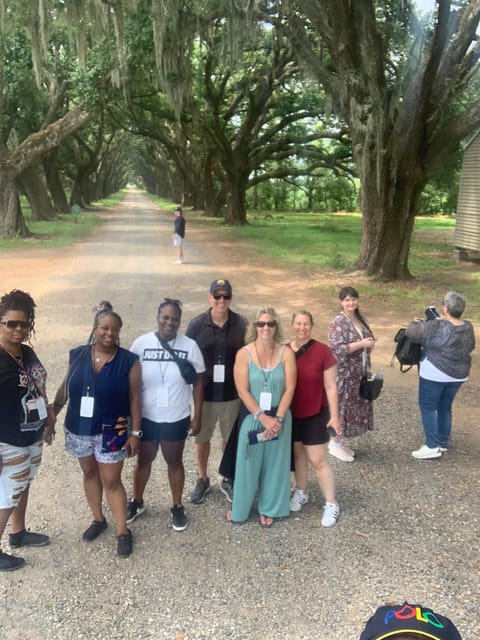
Tremé is one of the most meaningful parts of the city route. It is identified as the oldest African-American neighborhood in New Orleans, and the tour uses it to explain how Black residents shaped the city’s music, celebrations, and civic life.
You will hear about the birthplace of jazz and the conditions that allowed new music to form. The experience does not treat jazz as a detached genre with no social roots. It places music beside migration, labor, faith, family, and public gathering.
The tour also includes Second Line celebrations. These parades are tied to New Orleans traditions of music, movement, and community participation. Learning about them in the context of Black New Orleans makes them more than a photo opportunity or a festive performance.
Musicians Village is another included point of interest. Its name signals the importance of working musicians and the communities that support them. The route’s focus on Black-owned businesses before gentrification also adds an economic angle. You will see that cultural survival is tied to who can own property, operate a business, and remain in a neighborhood.
These stops may be brief, depending on the day’s timing and traffic. You should not expect a long visit at every location. The value comes from the guide connecting many places into one story.
Dr. Tate, desegregation, and local voices
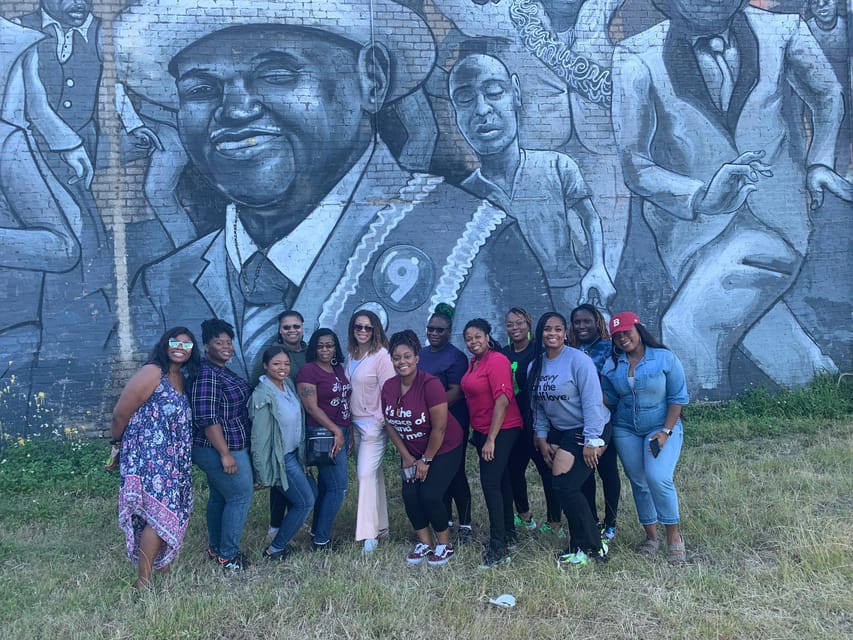
One especially notable part of the experience is the chance to meet Dr. Tate at the TEP Center. This is not presented as a standard sightseeing stop. It gives you a personal connection to the history of desegregation in New Orleans.
Meeting someone tied directly to that history can add a human scale that landmarks alone cannot provide. The visit also helps move the story beyond slavery and Reconstruction. New Orleans Black history continues through school integration, neighborhood change, civil rights, and current debates about preservation and development.
This part may depend on the day’s schedule and the tour’s arrangements, so I would treat it as a valuable possibility rather than the sole reason to book. The stated experience includes the TEP Center and the opportunity to learn about desegregation, but not a guaranteed length of time for the meeting.
Hurricane Katrina and the Ninth Ward
The city tour includes Hurricane Katrina’s aftermath and the legacy of the Ninth Ward. That subject adds a modern layer to the day’s history.
Katrina is not only a weather story. It is also a story about housing, public policy, displacement, infrastructure, and which communities received support after disaster. The tour places the Ninth Ward within the wider history of New Orleans, including the role of Black neighborhoods in the city’s identity.
This can be a useful corrective to the way New Orleans is often sold only through music, food, and parties. The city’s present-day neighborhoods carry memories of loss and rebuilding. Seeing those places alongside Tremé, Musicians Village, and the French Quarter gives you a more grounded understanding of how old and new struggles connect.
The subject may feel like a sharp turn from jazz and Mardi Gras Indians, but that contrast is the point. Culture does not exist apart from housing, safety, money, and political power.
What the $120 price includes
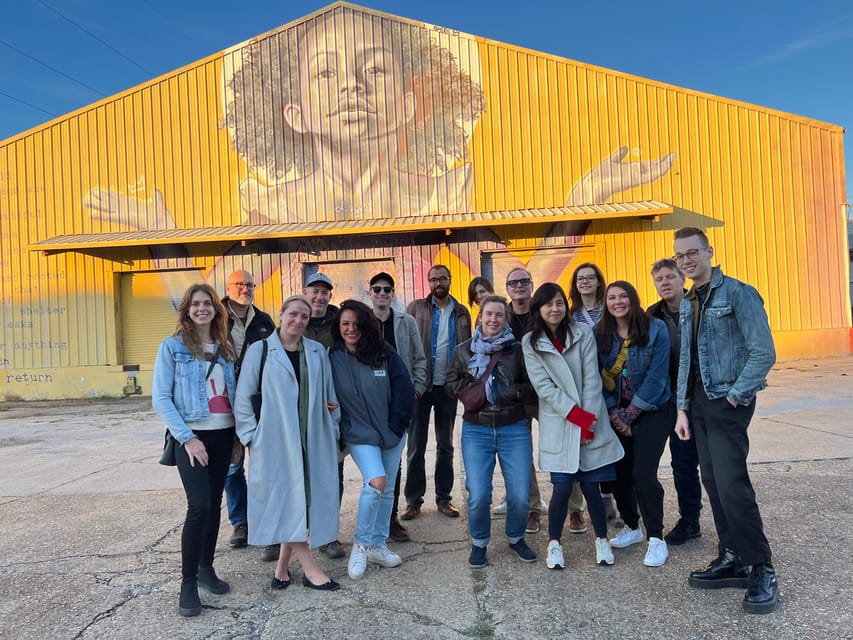
At $120 per person, the price is reasonable if you want a full day with transportation and several major admissions already arranged. The package includes hotel pickup and drop-off, River Road transportation, the Whitney Plantation ticket, the audio-tour headset, and the live city guide.
You are also paying for a carefully linked itinerary. Booking separate transportation to Whitney, arranging the plantation admission, and finding a second city tour could cost more in time and coordination even if the individual prices looked lower.
The price does not appear to include lunch, so set aside money for the midday break. The experience also requires a full eight-hour commitment. If you only want a short French Quarter tour, $120 will feel high. If you want a structured history day covering both the plantation region and New Orleans neighborhoods, the bundle makes more sense.
The rating is 5 from four verified bookings, which is a small sample. I would not treat that number as a guarantee, but the specific praise is useful: Dennis is singled out for his kindness, hotel drop-off, and ability to connect the tour with personal and local history. The strongest praise centers on the educational value and the way the tour presents Black history in an authentic, direct manner.
Pickup, timing, and the pace of the day

Pickup begins at 8:00 AM in front of your hotel. Be ready at that time. The driver makes several stops, and there is a 30-minute grace period, so if the vehicle is not there at exactly 8:00, it should arrive within that grace period.
Hotel service is a real convenience, especially for a day that begins early and includes a rural transfer. It also means you do not need to find your way to a central meeting point. Make sure your booking includes the correct hotel location and keep your phone available in case the operator needs to contact you.
The tour lasts about eight hours. The day includes driving, the Whitney audio tour, a lunch pause, and the guided city portion. You should expect some time on the bus, but that travel is part of the design because the experience connects River Road with several New Orleans districts.
English is the listed tour language. The Whitney section uses headsets for the self-guided commentary, while the city portion has a live English-speaking guide.
Free cancellation is available up to 24 hours in advance for a full refund. You can also reserve now and pay later, which helps if your New Orleans plans are still shifting.
Who should book this experience
I would recommend this tour to you if you want history with context, not just attractive buildings and quick photo stops. It suits people interested in African American history, slavery, jazz, Mardi Gras Indians, Creole identity, civil rights, Hurricane Katrina, and neighborhood change.
It is also a good fit if you do not have a car or do not want to plan two separate excursions. The hotel pickup, River Road transport, Whitney admission, and return service remove much of the day’s practical work.
Families can find value here, but the subject is serious. Consider the age and attention span of your children before booking. The eight-hour length may also be tiring for anyone who prefers a slower or less structured day.
You may want a different tour if your main goal is plantation architecture, gourmet food, nightlife, or a broad overview of New Orleans with little discussion of painful history. Whitney is not designed as a grand-home showcase, and the city portion gives far more time to Black history and culture than to general sightseeing.
Should you book the Whitney and Soul of New Orleans tour?
Book it if you want one substantial day that links the plantation system to the people, traditions, and neighborhoods that shaped New Orleans. The Whitney visit gives the morning moral and historical weight. The city tour then shows how Black New Orleanians created music, celebrations, businesses, and community life under difficult conditions.
The best reason to choose it is the connection between the two halves. The main caution is that you need to be ready for an early start, a long day, and serious subject matter. At $120, the package offers solid value for hotel service, transportation, admission, headsets, and a guided cultural tour.
FAQ
How long is the Whitney Plantation and Soul of New Orleans tour?
The experience lasts eight hours.
What time does hotel pickup begin?
Pickup begins at 8:00 AM. You should be ready in front of your hotel at that time.
What if the vehicle is not there exactly at 8:00 AM?
The driver makes several stops, and there is a 30-minute grace period. The vehicle should arrive within that grace period.
Is hotel pickup and drop-off included?
Yes. Pickup and drop-off at your hotel are included.
Is Whitney Plantation admission included?
Yes. Entry to the Whitney Plantation tour is included in the price.
Is the Whitney Plantation portion guided by a person?
Whitney Plantation uses a self-guided audio tour. Headsets are provided so you can hear the commentary clearly.
What language is the tour offered in?
The tour is offered in English, with a live English-speaking guide for the guided portions.
Is lunch included?
A lunch break is provided, but lunch is not listed among the included services. Plan to pay for your own meal.
Can I cancel for a full refund?
Yes. You can cancel up to 24 hours in advance for a full refund. You can also reserve now and pay later.
More River Road plantation tours
- Swamp Boat Ride and Oak Alley Plantation Tour from New Orleans
★ 5.0 · 3,303 reviews - Oak Alley Plantation Tour with Transportation from New Orleans
★ 4.5 · 1,747 reviews - Laura Creole Plantation Guided Tour
★ 5.0 · 1,279 reviews - Airboat and Plantations Tour with Gourmet Lunch from New Orleans
★ 4.5 · 1,246 reviews
Newest New Orleans tours we have written up
- 45-Minute Garden District Highlights Tour in New Orleans★ 5.0 · 33 reviews
- New Orleans City and Swamp Helicopter Tour★ 5.0 · 9 reviews
- 45-Minute Marigny Triangle Highlights Tour in New Orleans★ 5.0 · 12 reviews
- 20 Passenger New Orleans Airport or Hotel Transfer★ 5.0 · 6 reviews
- Private New Orleans 2-Hour Sail Aboard a Luxury Yacht★ 5.0 · 44 reviews
- The New Orleans Darkness Tour★ 4.4 · 9 reviews
- 11 Passenger Executive Van: New Orleans Airport or Hotel Transfer★ 4.0 · 8 reviews
- Storyville Red-Light District Museum: All Access Ticket★ 5.0 · 3 reviews
New Orleans Plantation Tours, compared.
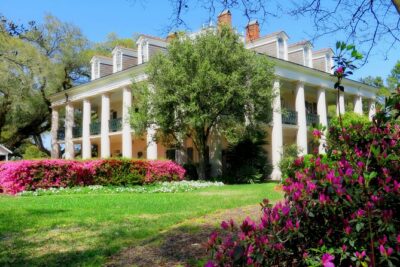
Swamp Boat Ride and Oak Alley Plantation Tour from New Orleans
Read our review →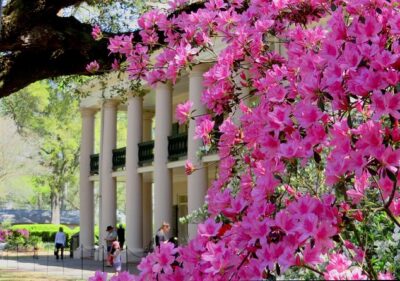
Oak Alley Plantation Tour with Transportation from New Orleans
Read our review →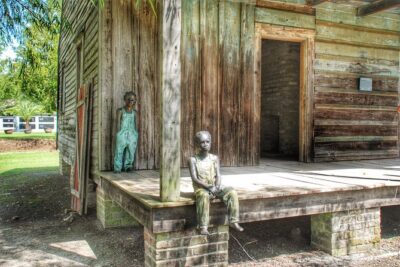
Whitney Plantation Tour with Transportation from New Orleans
Read our review →

Airboat and Plantations Tour with Gourmet Lunch from New Orleans
Read our review →
Bayou Swamp Tour and Oak Alley Plantation Tour
Read our review →
Oak Alley Plantation & Airboat Swamp Combo Tour
Read our review →
Oak Alley Plantation and Large Airboat Swamp Tour from New Orleans
Read our review →Browse the lists this tour appears in